Best Time To Visit Serbia
By: Straighter Mobile Team
The Best Times to Visit Serbia
Timing a visit to Serbia well can transform the quality of the experience entirely. The country has distinct seasons, each with its own character, its own advantages, and its own challenges, and understanding what each period offers allows travellers to align their visit with their priorities rather than simply following the peak tourist season by default. The best time to visit depends entirely on what you are looking for — whether that is a particular festival, the finest weather for hiking, the quietest conditions at the major sites, or the most rewarding wine and food experience the country has to offer.
In general terms, April to June and September to October represent the most broadly rewarding period to visit Serbia, but this headline conceals considerable nuance. The country in the shoulder seasons of spring and autumn often offers a more genuinely satisfying travel experience than the peak summer months — quieter sites, lower prices, more authentic engagement with local life, and a quality of light and landscape that the highest tourist season can actually diminish rather than enhance.
The sections below break down the experience of visiting Serbia by time of year, covering the major seasons, the key festivals and cultural events, and the specific considerations that apply to particular types of travel. Whether you are planning a city break, a hiking trip, a cultural tour, or a wine and food journey, the timing of your visit will have a significant impact on what you find when you arrive.
Practical considerations also vary by season. Accommodation prices in Serbia typically peak in July and August and are at their lowest in November through February, with the exception of the Christmas and New Year period. Book in advance for peak season travel and for specific festivals and events regardless of the time of year. Out of season, the flexibility of turning up without a reservation adds a particular quality of adventure to travel in the country.
Key Takeaways:
- The peak summer season of July and August brings the most visitors, the highest prices, and the most crowded conditions at popular sites
- Spring (April to June) and autumn (September to October) offer the best combination of good weather, manageable crowds, and reasonable prices
- Festival and event dates are fixed regardless of season and can be the primary reason to visit at a specific time
- Winter travel offers the lowest prices and the most authentic engagement with local life, with certain specific winter attractions that summer cannot replicate
- The shoulder seasons consistently offer the finest overall travel experience for the visitor who is not tied to school holiday dates
Staying connected in Serbia
Stay connected to the internet throughout Europe, including Serbia, without worrying about expensive roaming fees with a Serbia eSIM that lets you install a digital SIM in minutes and stay connected effortlessly as you travel.
When to Visit Serbia — A Month by Month Guide
1. April and May — Spring in Belgrade
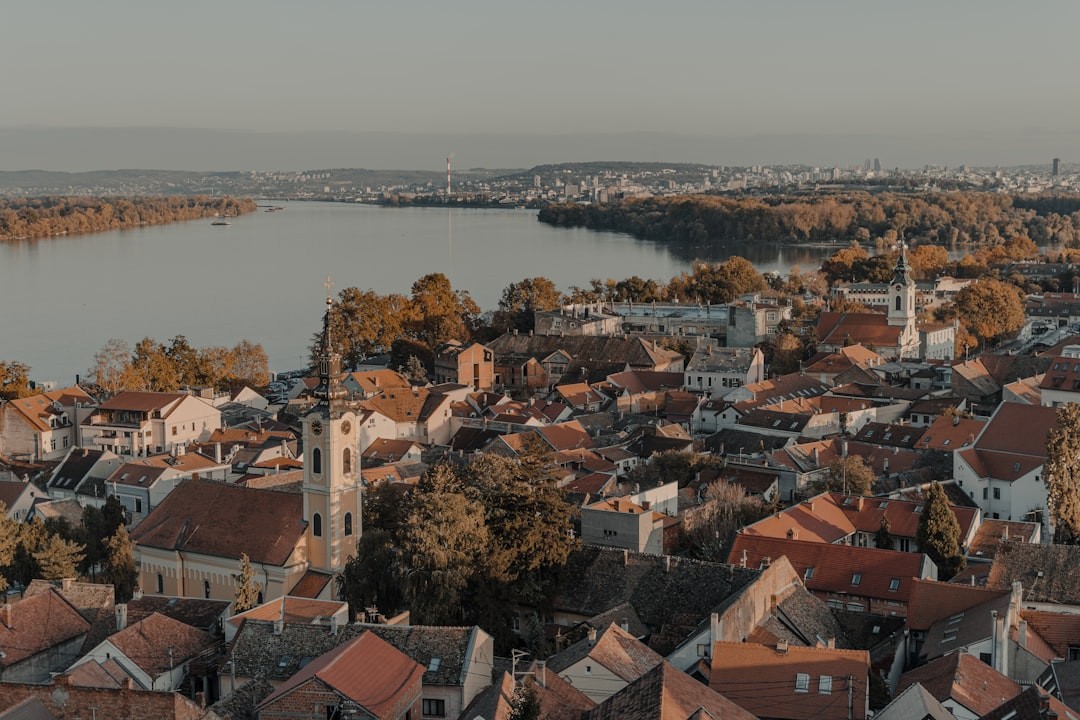
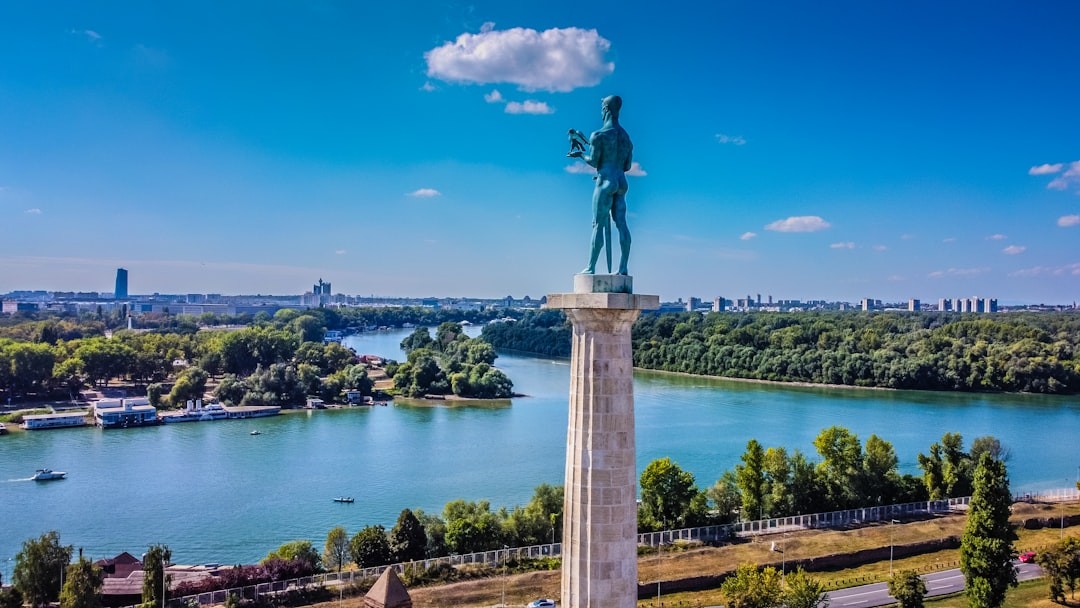
Late spring is the finest time to visit Serbia. Belgrade's parks, riverside promenades, and outdoor cafe culture come to life with genuine energy in May, the cultural calendar is active across the country, and the temperatures are ideal for exploring the fortress at Kalemegdan and the medieval monasteries of the interior. Best for: Belgrade, monasteries, outdoor culture. Temperatures 14–22°C..
2. June to August — Peak Summer
Serbian summers are hot and lively, with the Exit Festival at Novi Sad's Petrovaradin Fortress in July one of the most celebrated music festivals in Southeast Europe. The rivers offer swimming and kayaking, and the Zlatibor and Kopaonik mountain resorts provide cooler alternatives to the lowland heat. Best for: festivals, outdoor activities, mountain resorts. Temperatures 24–34°C..
3. September and October — Harvest and Autumn
Autumn is excellent in Serbia, with the grape harvest in the Fruska Gora and Zupa wine regions, the autumn colour in the Tara National Park, and the country's cultural and gastronomic calendar at its most active. The Trumpet Festival at Guca in August and the wine harvest events in September are among the most distinctive cultural experiences in the Serbian calendar. Best for: wine, nature, culture. Temperatures 12–22°C..
4. Exit Festival — July
The Exit Festival, held in the spectacular setting of the 18th-century Petrovaradin Fortress above the Danube at Novi Sad, is one of the most celebrated and most atmospherically located music festivals in Europe. The combination of international headliners, the fortress setting, and the Novi Sad old town makes it one of the most complete festival experiences in the region. Best for: music festival. Early July each year..
5. Guca Trumpet Festival — August
The Dragacevo Trumpet Festival in the small town of Guca in western Serbia is the most famous and most exuberant traditional music festival in the Balkans, gathering the finest brass musicians from Serbia and the surrounding region for a four-day celebration of extraordinary musical intensity. The atmosphere of Guca in August is unlike anything else in European festival culture. Best for: traditional culture. August each year..
6. Belgrade Nightlife — Year Round
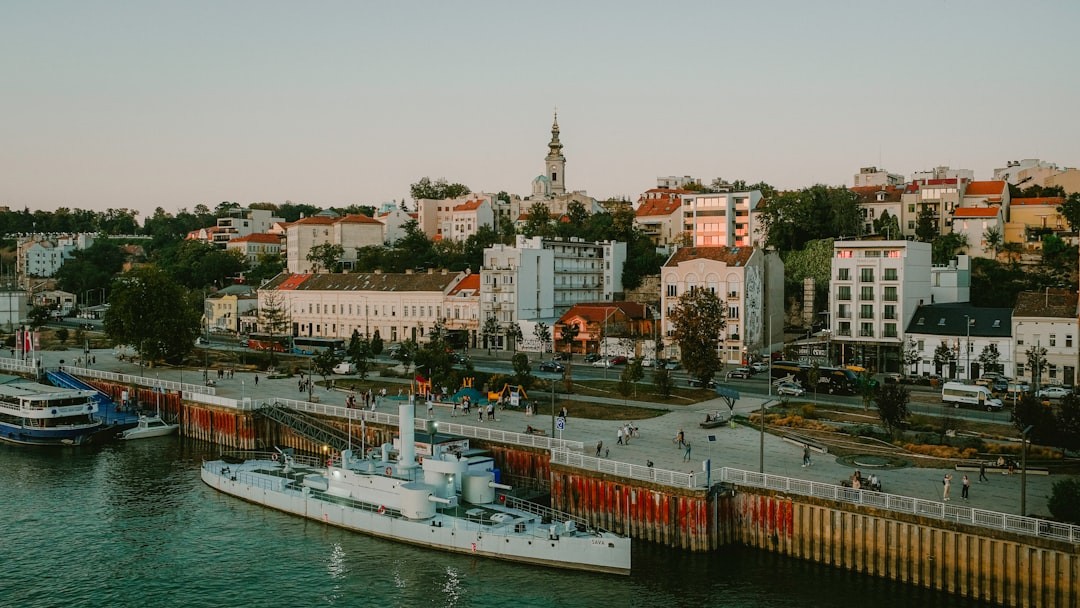
Belgrade has established itself as one of the great nightlife cities of Europe, with its famous splavovi (floating river clubs) on the Sava and Danube rivers operating from spring through autumn and the club scene in the city centre active throughout the year. The summer is the peak season, but the Belgrade nightlife operates at a high level from September through to May. Best for: nightlife. Year-round; summer for floating clubs..
7. Winter in Belgrade
Belgrade in winter is cold but surprisingly rewarding, with the fortress of Kalemegdan particularly atmospheric under snow and the city's cafe and restaurant culture providing warmth throughout the cold months. The Belgrade Winter Festival in January and the various cultural events of the theatre and concert season make winter a livelier time in the capital than might be expected. Best for: city culture, budget travel. December to February..
8. Spring at Studenica Monastery
The approach to Studenica Monastery through the forested Studenica River valley is at its most beautiful in May, when the beech and oak forest is in fresh leaf and the medieval stone churches emerge from the trees with a particular quality of stillness and beauty. The monastery is active and receives pilgrims throughout the year, but spring visits are the most peaceful. Best for: monastery culture. May..
9. Griffon Vulture Watching at Uvac — Spring and Autumn
The Uvac Canyon in western Serbia is home to one of the largest colonies of griffon vultures in Europe, and the birds are most active and most visible at the beginning and end of the tourist season in April to May and September to October. The boat tour through the canyon's meanders, with the vultures circling overhead, is one of the most remarkable wildlife experiences in Serbia. Best for: wildlife. April to May and September..
10. Novi Sad Cultural Capital
Novi Sad, Serbia's second city and European Capital of Culture 2021, has a year-round cultural programme that makes it one of the most rewarding destinations in the country outside the Exit Festival period. The Petrovaradin Fortress, the old town, and the excellent restaurant scene are most enjoyable from April to June and September to October. Best for: culture, food. April to June and September..
Final Thoughts on Timing Your Visit to Serbia
The question of when to visit Serbia does not have a single correct answer, but it does have better and worse answers depending on what you want from your time there. The traveller who visits in the height of summer will find a Serbia that is at its most accessible and its most internationally flavoured — with full tourist infrastructure, long days, warm temperatures, and the energy of a destination at its peak. The traveller who visits in the shoulder seasons will find a Serbia that is more itself — quieter, more affordable, and more genuinely engaged with its own cultural life rather than with the business of managing large numbers of visitors.
The festivals and cultural events listed above are worth planning around if they align with your interests. The great seasonal events of Serbia — whether religious, gastronomic, musical, or simply the natural spectacle of a landscape at its finest — are among the most rewarding reasons to travel here, and arriving in time for one of them adds a dimension to the visit that no amount of general sightseeing can replicate.
Whatever time of year you choose to visit, the practical advice is consistent: book accommodation in advance for peak season travel, be flexible about your itinerary in the shoulder seasons, and resist the temptation to try to see everything in a short time. Serbia is a destination that rewards the visitor who slows down, pays attention, and allows the character of each place and season to reveal itself gradually rather than rushing through a checklist of attractions.
Come at the right time for you, with the right expectations for the season, and Serbia will reward you generously regardless of when you choose to arrive.