Things To Know About Belgium
By: Straighter Mobile Team
Essential Travel Tips for Belgium
Knowing a few key facts before arriving in Belgium makes the difference between a trip full of small frustrations and one that runs smoothly from day one. Every country has its own practical rhythms — its approach to money, transport, greetings, tipping, and the unwritten rules that guidebooks sometimes skip. The tips below address what actually matters on the ground, fact-checked for accuracy.
Some of these tips are practical (entry requirements, currency, transport); some are cultural (greetings, dining times, hospitality customs); some are safety-related. All of them apply regardless of where you are travelling from. None of them are difficult once you know them — but they are easy to get wrong if you arrive with assumptions drawn from home.
Entry requirements and political situations can change. Always verify visa rules through your own government's official travel advisory before departure. Travel insurance is non-negotiable for any international trip — ensure yours covers your planned activities. With the basics in hand, you are free to direct your attention towards what makes Belgium genuinely worth visiting.
Key Takeaways:
- Always verify current entry requirements through your government's official travel advisory
- Understand the local currency and whether cards or cash are expected before you arrive
- Even a single word in the local language changes how you are received
- Cultural norms around dining, tipping, and social behaviour are worth knowing in advance
- Safety-specific tips for Belgium are included — read them before you go
Staying connected in Belgium
Stay connected to the internet throughout Europe, including Belgium, without worrying about expensive roaming fees with a Belgium eSIM that lets you install a digital SIM in minutes and stay connected effortlessly as you travel.
10 Things to Know Before Visiting Belgium
1. Visa and Entry
Belgium is a Schengen member. EU citizens enter freely. US, UK, Canadian, and Australian citizens can enter visa-free for up to 90 days within the Schengen 180-day period. Check passport validity — some airlines require 6 months beyond return date.
2. Language Matters
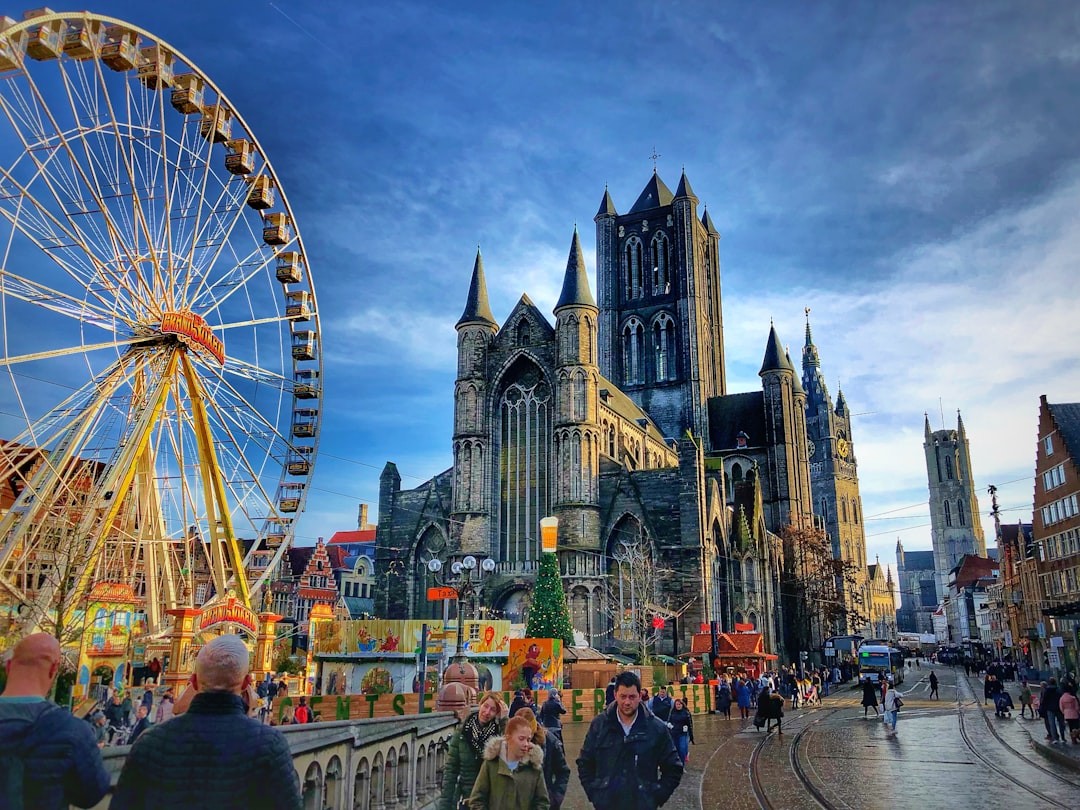
Belgium has three official languages: French (Wallonia and Brussels), Dutch (Flanders), and German (small eastern area). In Bruges and Ghent, Dutch is the local language — addressing locals in French there can cause mild offence. Use the appropriate regional language for basic greetings. 'Dank u wel' in Flanders; 'Merci' in Wallonia — using the right one matters.
3. Beer Culture
Belgian beer culture is a UNESCO-listed tradition. Each of the 1,500+ Belgian beers is served in its own specific glass — ordering a beer in the wrong glass is considered genuinely incorrect. Never drink Belgian beer from the bottle in a sit-down context. Ask which glass is correct if unsure — Belgian bar staff will respect the question.
4. Real Chocolate
Belgian chocolate sold in large souvenir shops near tourist attractions is often factory-produced. The real chocolatiers work on side streets, make pralines on-site, and sell them fresh. Price per piece is higher but quality is incomparable. Small artisan chocolatiers on side streets consistently outperform tourist shop equivalents.
5. Frites Culture
Belgian frites are cooked twice in beef fat and served from a fritkot (street stall) in a paper cone with sauce. Sauce andalouse (mayonnaise with tomato and pepper) is the most Belgian choice. Eating frites from a restaurant rather than a fritkot is missing the point. Find a fritkot — it is the only correct context for Belgian frites.
6. Currency
Belgium uses the Euro. Cards are widely accepted. Belgium is moderately expensive — lunch menus at quality restaurants offer the best value, typically half the price of the equivalent à la carte dinner. Prix fixe lunch menus are the best-value way to eat well in Belgium.
7. Carnival at Binche
The Carnival of Binche, held three days before Ash Wednesday, is a UNESCO-listed tradition centred on the extraordinary Gilles in their ostrich-feather headdresses and orange-throwing ritual. It is one of the most genuinely unusual festivals in Europe. Binche Carnival is UNESCO-listed and genuinely unmissable if dates align with your trip.
8. Public Transport
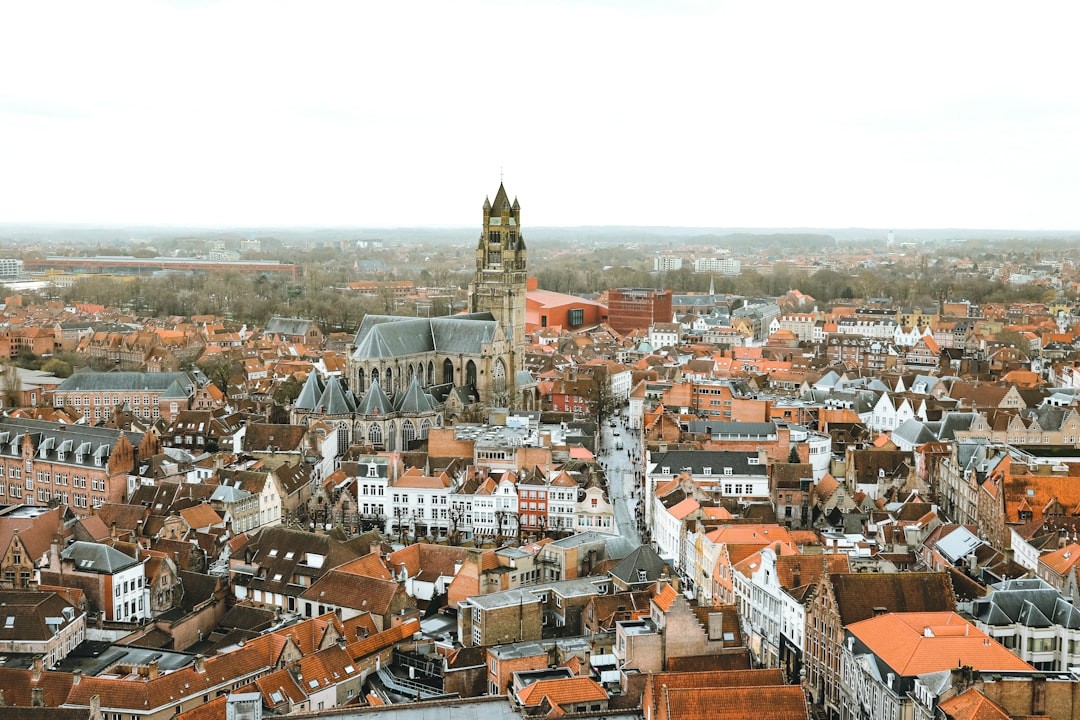
The NMBS/SNCB rail network connects all major cities. Bruges has banned most cars from its historic centre — arrive by train and explore on foot or by bicycle. Bike hire is widely available. Bruges by bicycle or on foot only — the city has made car access very difficult by design.
9. Weather
Belgium has a maritime climate. Rain is possible on any day of the year. The summer months offer the best chance of sunshine but even June and July see regular rainfall. A waterproof layer is always necessary. Carry a compact waterproof at all times — Belgian weather is genuinely unpredictable.
10. Tipping
A service charge is legally required to be included in Belgian restaurant bills. Adding 10% for very good service is appreciated but is not obligatory. In cafes and bars, rounding up is standard practice. Service is already included — additional tipping is genuinely optional here.
Final Thoughts on Travelling in Belgium
The most important thing you can bring to Belgium is genuine curiosity and a willingness to engage with the country on its own terms. The practical tips above handle the logistics — entry, money, transport, customs. The quality of the experience beyond that depends on the attitude you bring: openness to the differences, patience with the unfamiliar, and respect for a culture that has its own valid way of doing things.
Where something seems inconvenient — later meal times, different tipping conventions, shops closed on certain days — it is worth remembering that these are features of a living culture, not failures to meet external expectations. Adapting to them, rather than working around them, consistently produces a richer experience.
Go with a flexible itinerary, the right practical foundation, and an appetite for what makes Belgium genuinely itself. That combination serves well in any country and particularly well here.