Things To Know About Czech Republic
By: Straighter Mobile Team
Essential Travel Tips for Czech Republic
Knowing a few key facts before arriving in Czech Republic makes the difference between a trip full of small frustrations and one that runs smoothly from day one. Every country has its own practical rhythms — its approach to money, transport, greetings, tipping, and the unwritten rules that guidebooks sometimes skip. The tips below address what actually matters on the ground, fact-checked for accuracy.
Some of these tips are practical (entry requirements, currency, transport); some are cultural (greetings, dining times, hospitality customs); some are safety-related. All of them apply regardless of where you are travelling from. None of them are difficult once you know them — but they are easy to get wrong if you arrive with assumptions drawn from home.
Entry requirements and political situations can change. Always verify visa rules through your own government's official travel advisory before departure. Travel insurance is non-negotiable for any international trip — ensure yours covers your planned activities. With the basics in hand, you are free to direct your attention towards what makes Czech Republic genuinely worth visiting.
Key Takeaways:
- Always verify current entry requirements through your government's official travel advisory
- Understand the local currency and whether cards or cash are expected before you arrive
- Even a single word in the local language changes how you are received
- Cultural norms around dining, tipping, and social behaviour are worth knowing in advance
- Safety-specific tips for Czech Republic are included — read them before you go
Staying connected in Czech Republic
Stay connected to the internet throughout Europe, including Czech Republic, without worrying about expensive roaming fees with a Czech Republic eSIM that lets you install a digital SIM in minutes and stay connected effortlessly as you travel.
10 Things to Know Before Visiting Czech Republic
1. Visa and Entry
The Czech Republic is a Schengen member. EU citizens enter freely. US, UK, Canadian, and Australian citizens can enter visa-free for up to 90 days within the Schengen 180-day period. Schengen rules apply — count days carefully if visiting multiple Schengen countries.
2. Currency: Koruna, Not Euro
The Czech Republic uses the Czech Koruna (CZK) despite being an EU member — it has not adopted the Euro. This catches many visitors by surprise. Use bank ATMs for the best exchange rate. Exchange offices on tourist-facing streets in Prague often advertise '0% commission' but offer very poor rates. Use bank ATMs only — tourist-area exchange offices are reliably poor value.
3. Beer Culture
Czech Republic has the world's highest per-capita beer consumption. Czech Pilsner Urquell from Plzeň literally gave pilsner lager its name. In a traditional hospoda (pub), a coaster placed flat on your glass signals you want another; a coaster placed on top of your glass signals you are done. Without this signal, the waiter will keep bringing beer. Coaster ON TOP of glass = finished. Flat on the table = keep them coming.
4. Prague Scams to Know
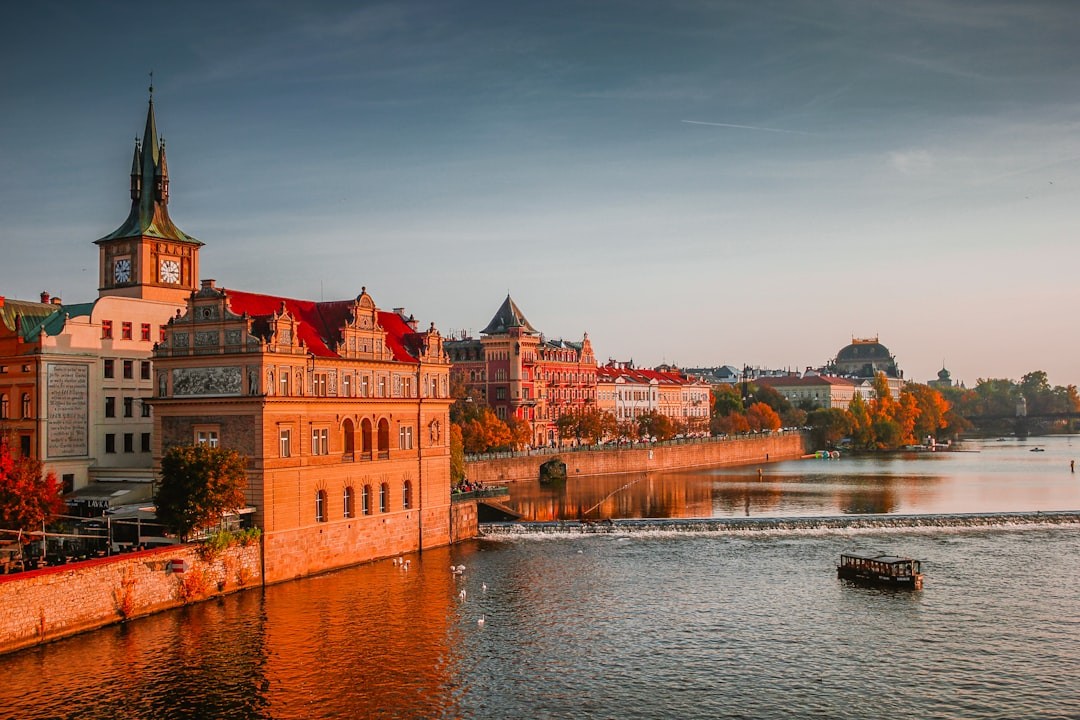
Common Prague scams: exchange offices on Wenceslas Square and near tourist sites with very poor rates; taxis overcharging at the airport and in tourist areas (use Bolt or Uber instead); restaurant menus with inflated prices shown only to tourists. Check your restaurant bill carefully before paying. Use Bolt or Uber in Prague — airport taxis and tourist-area cabs are a frequent overcharging problem.
5. Language
Czech is a West Slavic language. English is widely spoken in Prague and tourist areas. Learning 'Dobrý den' (good day), 'Děkuji' (thank you), and 'Prosím' (please/you're welcome) is appreciated. 'Dobrý den' as a greeting signals respect — Czechs notice when visitors make the effort.
6. Validate Your Ticket
Prague's public transport — metro, trams, and buses — requires tickets to be validated in the yellow machines before or on boarding. Inspectors (revizor) check frequently and issue fines immediately for unvalidated tickets. A 24-hour or 72-hour pass is excellent value. Validate your ticket immediately — inspectors are frequent and fines are issued on the spot.
7. Milk Bars
The bar mleczny (milk bar — Czech: bistro or jídelna) is a communist-era self-service cafeteria still operating throughout the Czech Republic. Traditional Czech food (svíčková, goulash, dumplings) costs a fraction of restaurant prices. They are where locals eat lunch and are entirely welcoming to visitors. Milk bars serve the same traditional food as upmarket Czech restaurants at 20–30% of the price.
8. Cesky Krumlov Crowds
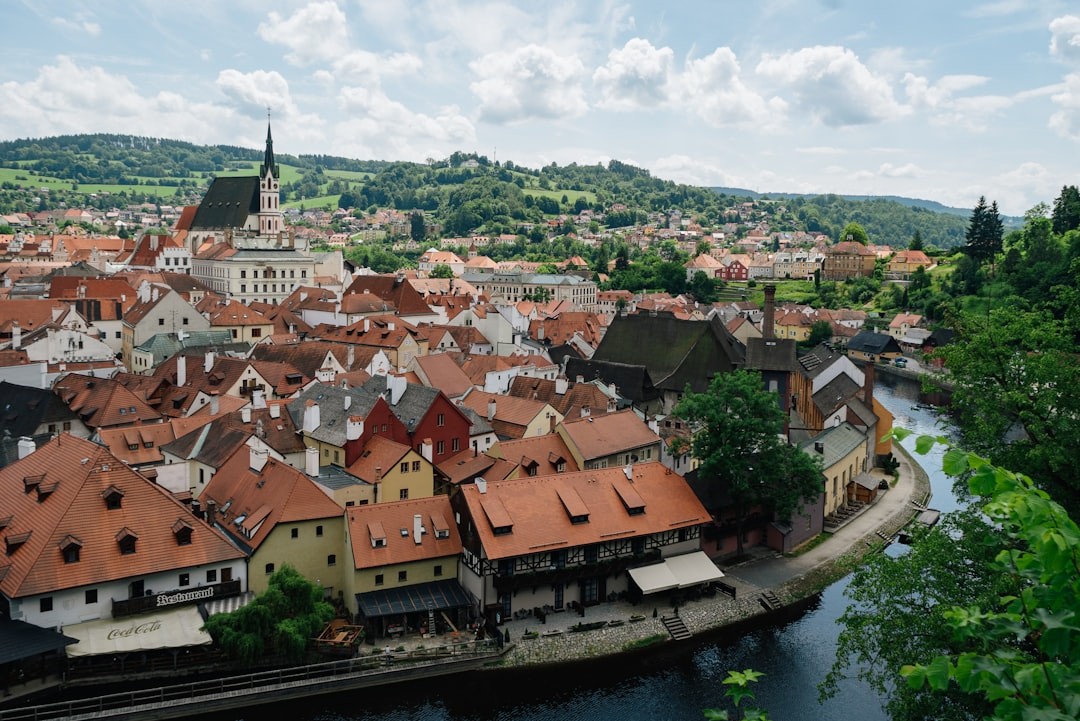
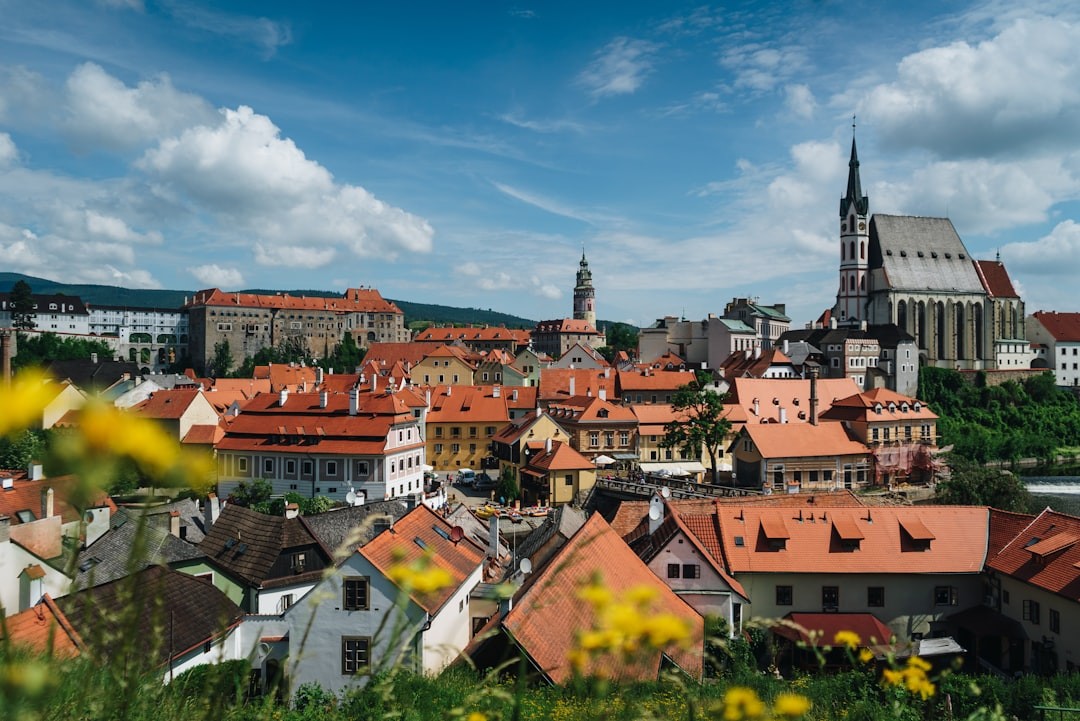
Ceský Krumlov is UNESCO-listed and one of the most visited sites in Central Europe. In July and August, the town is saturated with day-trippers. Visiting in April, May, October, or November — or staying overnight after the day-trippers leave — gives a completely different experience. Stay overnight in Cesky Krumlov — the evening without day-trippers is entirely different.
9. Dining Culture
Lunch (polední menu or denní menu) is the main meal and offers two to three courses at excellent value, typically under 200 CZK ($9). Dinner à la carte is significantly more expensive. Many good Czech restaurants are on side streets away from the tourist zones. Order the denní menu (daily lunch menu) — it is the best-value meal and what locals eat.
10. Tipping
State the total amount you wish to pay when settling the bill rather than leaving cash on the table. 10% in restaurants is standard. In pubs, rounding up to the nearest 10 CZK is the norm. Say the total you want to pay — leaving cash on the table may be interpreted as forgotten change.
Final Thoughts on Travelling in Czech Republic
The most important thing you can bring to Czech Republic is genuine curiosity and a willingness to engage with the country on its own terms. The practical tips above handle the logistics — entry, money, transport, customs. The quality of the experience beyond that depends on the attitude you bring: openness to the differences, patience with the unfamiliar, and respect for a culture that has its own valid way of doing things.
Where something seems inconvenient — later meal times, different tipping conventions, shops closed on certain days — it is worth remembering that these are features of a living culture, not failures to meet external expectations. Adapting to them, rather than working around them, consistently produces a richer experience.
Go with a flexible itinerary, the right practical foundation, and an appetite for what makes Czech Republic genuinely itself. That combination serves well in any country and particularly well here.