Things To Know About Estonia
By: Straighter Mobile Team
Essential Travel Tips for Estonia
Knowing a few key facts before arriving in Estonia makes the difference between a trip full of small frustrations and one that runs smoothly from day one. Every country has its own practical rhythms — its approach to money, transport, greetings, tipping, and the unwritten rules that guidebooks sometimes skip. The tips below address what actually matters on the ground, fact-checked for accuracy.
Some of these tips are practical (entry requirements, currency, transport); some are cultural (greetings, dining times, hospitality customs); some are safety-related. All of them apply regardless of where you are travelling from. None of them are difficult once you know them — but they are easy to get wrong if you arrive with assumptions drawn from home.
Entry requirements and political situations can change. Always verify visa rules through your own government's official travel advisory before departure. Travel insurance is non-negotiable for any international trip — ensure yours covers your planned activities. With the basics in hand, you are free to direct your attention towards what makes Estonia genuinely worth visiting.
Key Takeaways:
- Always verify current entry requirements through your government's official travel advisory
- Understand the local currency and whether cards or cash are expected before you arrive
- Even a single word in the local language changes how you are received
- Cultural norms around dining, tipping, and social behaviour are worth knowing in advance
- Safety-specific tips for Estonia are included — read them before you go
Staying connected in Estonia
Stay connected to the internet throughout Europe, including Estonia, without worrying about expensive roaming fees with a Estonia eSIM that lets you install a digital SIM in minutes and stay connected effortlessly as you travel.
10 Things to Know Before Visiting Estonia
1. Visa and Entry
Estonia is a Schengen member and uses the Euro. EU citizens enter freely. US, UK, Canadian, and Australian citizens can enter visa-free for up to 90 days within the Schengen 180-day period. Euro currency; Schengen rules apply.
2. Digital Society
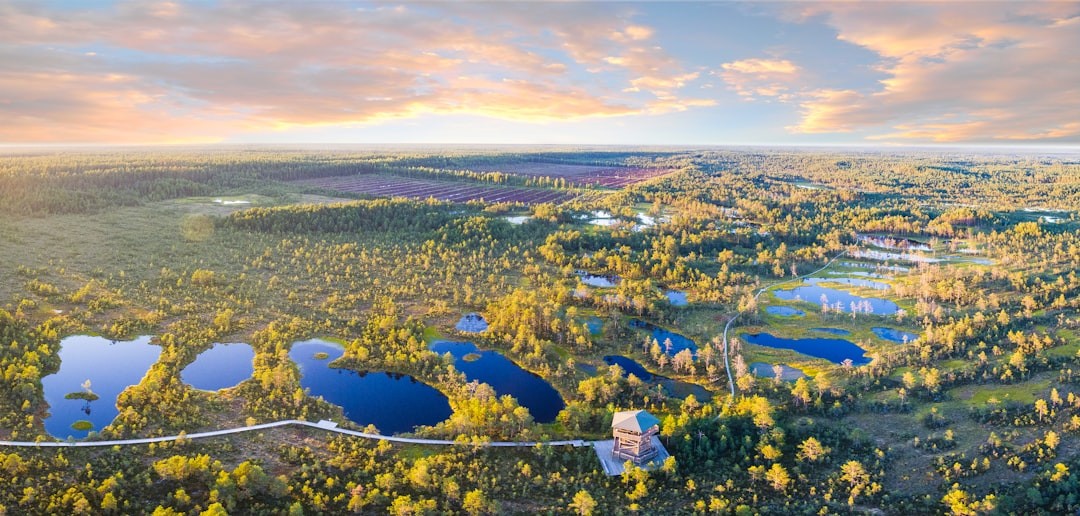
Estonia is the world's most digitally advanced country by most measures. Government services are almost entirely online, Wi-Fi is available on buses and ferries, and the expectation is that you can sort things out digitally before arriving. The e-Residency programme allows non-residents to register EU-based businesses online — unique globally. Download offline maps before visiting Saaremaa or Lahemaa — Wi-Fi is good but nature is remote.
3. Language
Estonian is a Finno-Ugric language related to Finnish — it is completely unlike the surrounding Slavic and Baltic languages. English is spoken widely throughout Estonia by anyone under 50. Russian is spoken by a significant minority, particularly in the northeast near Narva. 'Tänan' (thank you) or 'Aitäh' (thanks, informal) — Estonians appreciate any attempt.
4. Tallinn Old Town Navigation
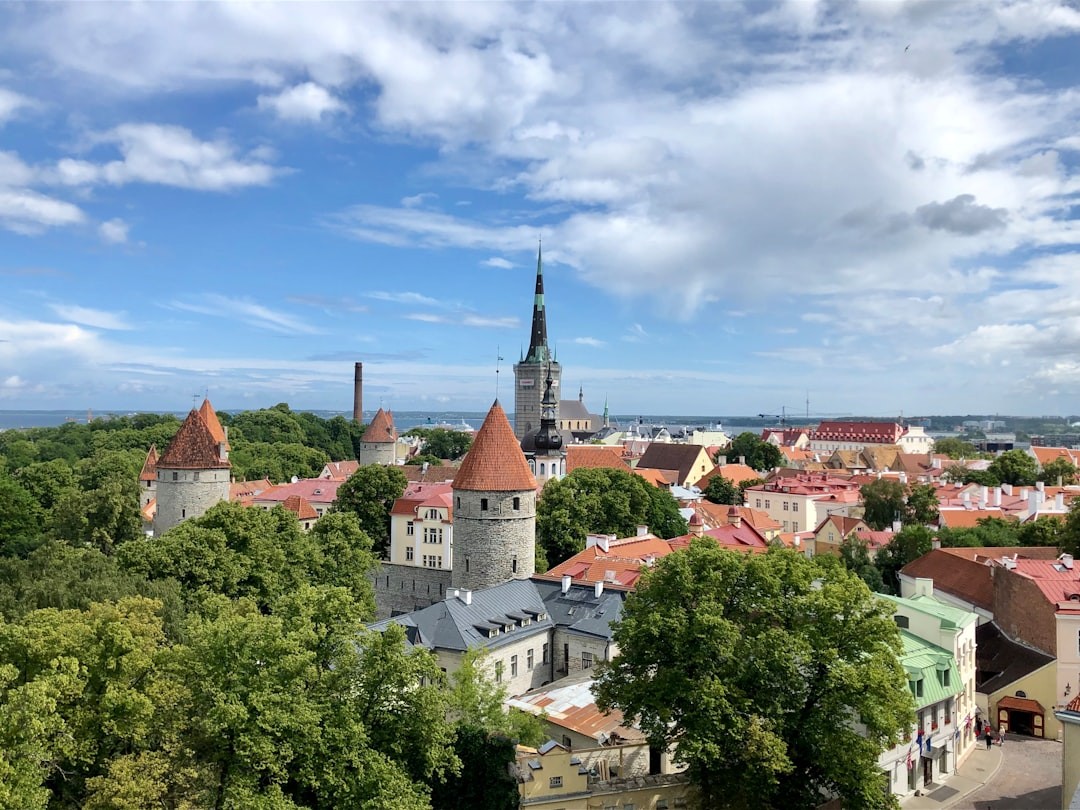
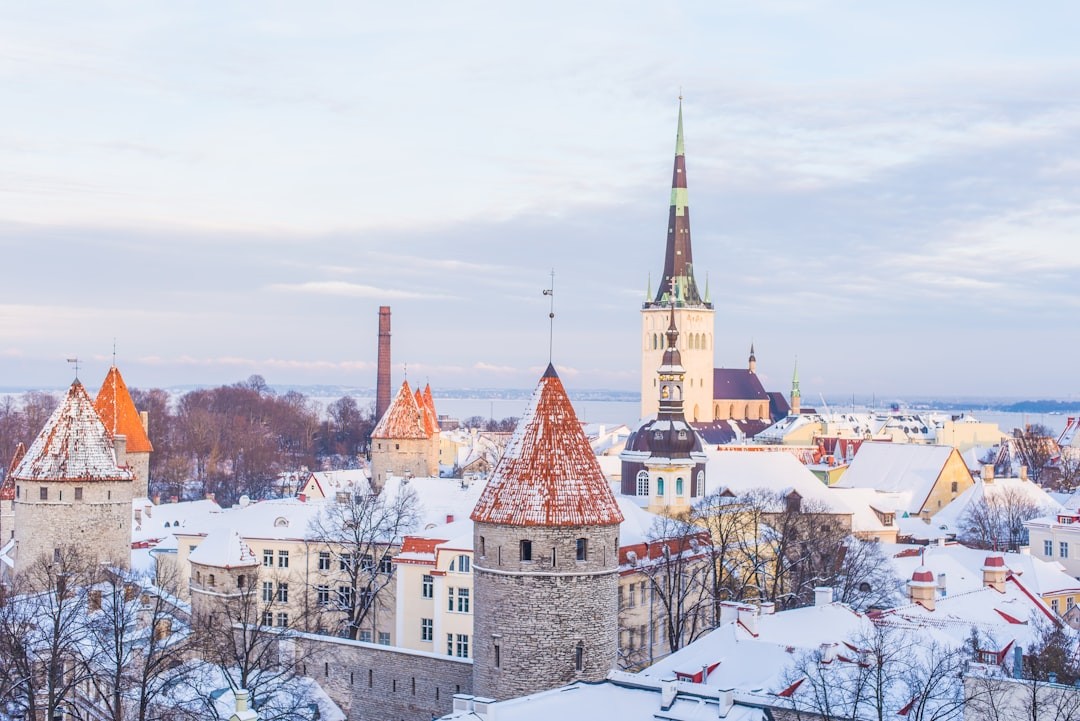
Tallinn's UNESCO old town divides into Toompea (the Upper Town, historically aristocratic) and the Lower Town (historically merchant). They are connected by several gates and staircases. The Kohtuotsa viewing platform on Toompea gives the finest view over the Lower Town's red rooftops. Both Upper and Lower town have distinct characters — explore both, not just the Lower Town.
5. Sauna Culture
The sauna is a genuine social institution in Estonia (as in Finland). The Kalma Saun in Tallinn is the oldest public sauna in the capital. The protocol: alternate between the sauna heat and cold water in cycles. Phones are not welcome. Nakedness is standard; towels are acceptable. Kalma Saun in Tallinn is a genuine community sauna — respectful participation is welcome.
6. Saaremaa Island
Estonia's largest island is connected to the mainland by ferry from Virtsu to Kuivastu (25 minutes). Book car ferry spaces in advance in summer. A car is the practical way to explore the island's Kaali meteor crater, medieval castle at Kuressaare, and juniper pastures. Book the car ferry to Saaremaa in advance for summer travel.
7. Food
Estonian black rye bread (must leib) is one of the finest breads in the Baltic and eaten at every meal. The Tallinn central market sells smoked fish, local cheeses, and seasonal produce directly from producers. Blood sausage (verivorst) at winter markets is a polarising but authentic local speciality. Tallinn central market in the morning is the finest food experience in the city.
8. Autumn Mushroom Season
Mushroom foraging is a serious Estonian national practice from August to October. Markets fill with porcini, chanterelles, and other wild varieties. Forest walking to forage is embedded in Estonian culture — participation, even at a basic level, gives a genuine window into daily Estonian life. Foraging mushrooms in Estonian forests is a cultural activity, not an eccentricity.
9. Climate
Estonia has cold winters (December to March, often with snow) and warm summers (June to August). Tallinn at the winter solstice has only six hours of daylight. Visitors sensitive to lack of light should visit between May and September. Six hours of daylight in December Tallinn — plan accordingly if light-sensitive.
10. Tipping
10% in restaurants is standard. Cash tips are preferred over card additions. In cafes, rounding up is the norm. Estonian service is professional and efficient. 10% in restaurants; cash preferred over adding to card payment.
Final Thoughts on Travelling in Estonia
The most important thing you can bring to Estonia is genuine curiosity and a willingness to engage with the country on its own terms. The practical tips above handle the logistics — entry, money, transport, customs. The quality of the experience beyond that depends on the attitude you bring: openness to the differences, patience with the unfamiliar, and respect for a culture that has its own valid way of doing things.
Where something seems inconvenient — later meal times, different tipping conventions, shops closed on certain days — it is worth remembering that these are features of a living culture, not failures to meet external expectations. Adapting to them, rather than working around them, consistently produces a richer experience.
Go with a flexible itinerary, the right practical foundation, and an appetite for what makes Estonia genuinely itself. That combination serves well in any country and particularly well here.