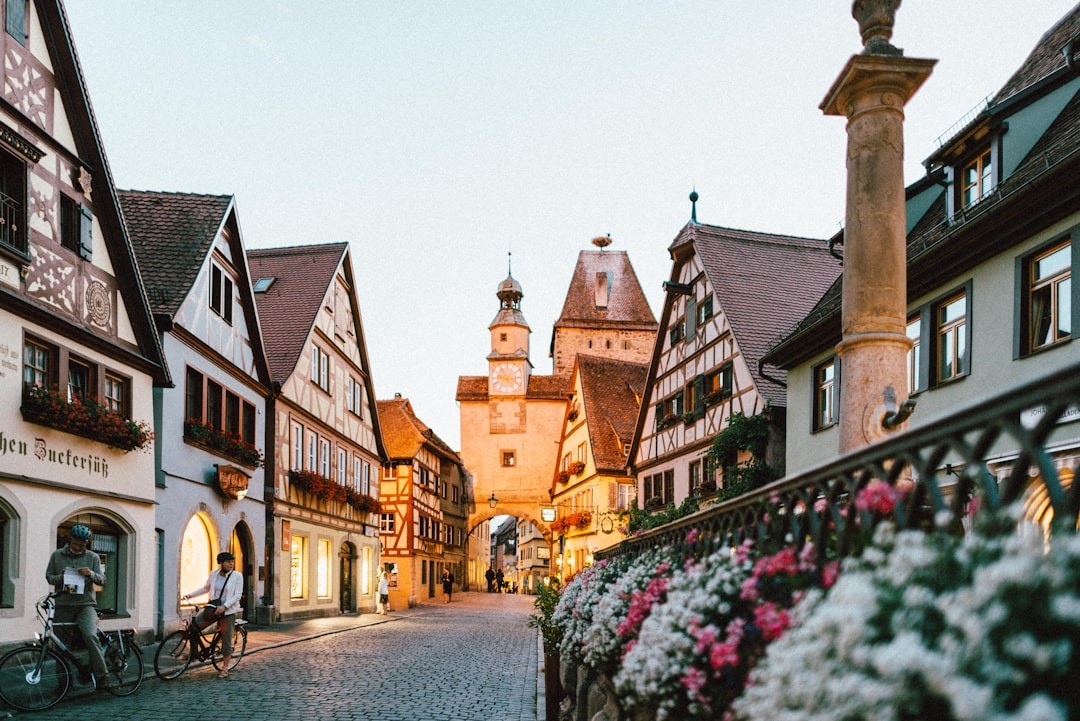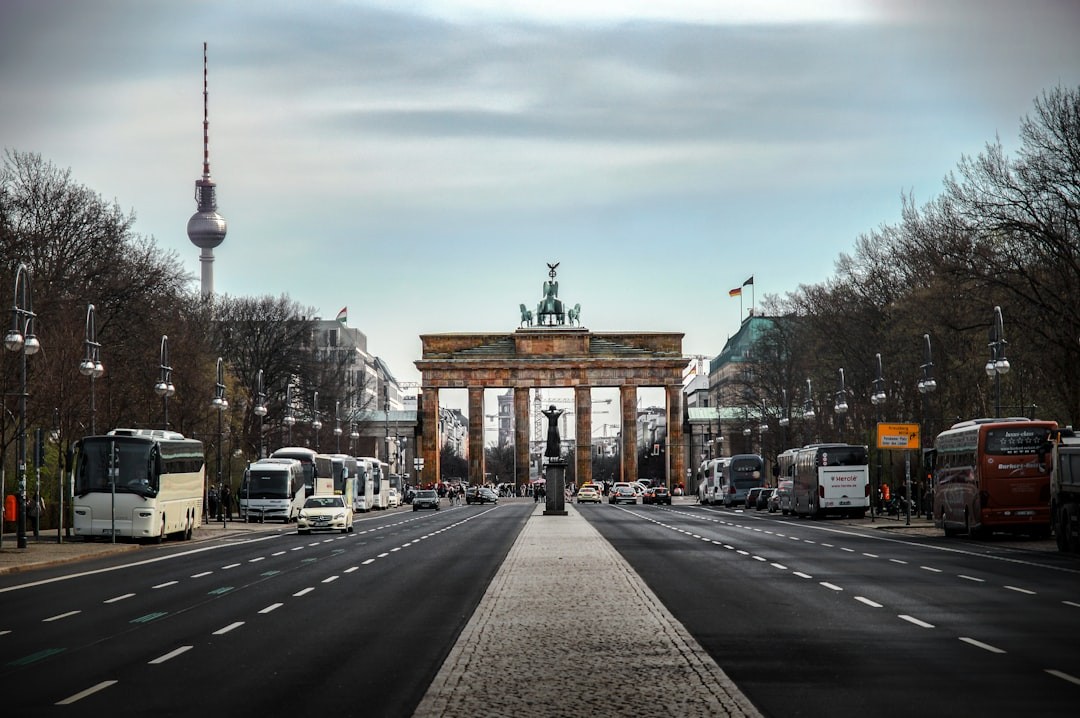
Things To Know About Germany

By: Straighter Mobile Team
Essential Travel Tips for Germany
Knowing a few key facts before arriving in Germany makes the difference between a trip full of small frustrations and one that runs smoothly from day one. Every country has its own practical rhythms — its approach to money, transport, greetings, tipping, and the unwritten rules that guidebooks sometimes skip. The tips below address what actually matters on the ground, fact-checked for accuracy.
Some of these tips are practical (entry requirements, currency, transport); some are cultural (greetings, dining times, hospitality customs); some are safety-related. All of them apply regardless of where you are travelling from. None of them are difficult once you know them — but they are easy to get wrong if you arrive with assumptions drawn from home.
Entry requirements and political situations can change. Always verify visa rules through your own government's official travel advisory before departure. Travel insurance is non-negotiable for any international trip — ensure yours covers your planned activities. With the basics in hand, you are free to direct your attention towards what makes Germany genuinely worth visiting.
Key Takeaways:
- Always verify current entry requirements through your government's official travel advisory
- Understand the local currency and whether cards or cash are expected before you arrive
- Even a single word in the local language changes how you are received
- Cultural norms around dining, tipping, and social behaviour are worth knowing in advance
- Safety-specific tips for Germany are included — read them before you go
Staying connected in Germany
Stay connected to the internet throughout Europe, including Germany, without worrying about expensive roaming fees with a Germany eSIM that lets you install a digital SIM in minutes and stay connected effortlessly as you travel.
10 Things to Know Before Visiting Germany
1. Visa and Entry
Germany is a Schengen member. EU citizens enter freely. US, UK, Canadian, and Australian citizens can enter visa-free for up to 90 days within the Schengen 180-day period. Schengen rules apply — passport valid for the duration of your stay is required.
2. Rules Matter Here
Germany has a strong cultural relationship with rules and order. Jaywalking (crossing on a red pedestrian light) is technically illegal and genuinely antisocial — Germans, particularly parents with children present, will call you out. Sunday quiet hours (Ruhezeiten) restrict noise in residential areas after 10pm and on Sundays. Don't jaywalk — especially when children are watching. Germans notice and mind..
3. Deutschlandticket
The Deutschlandticket (49 Euro per month) gives unlimited travel on all regional trains, buses, trams, and urban transport networks across the entire country. It is available as a single-month purchase and is one of the best transport value propositions in Europe. It does not cover ICE/IC high-speed trains. The 49-euro Deutschlandticket covers all regional transport nationally — buy it.
4. Regional Beer Culture
German beer is intensely regional. Cologne drinks Kölsch (small 0.2L glasses, refilled automatically until you put a coaster on top); Düsseldorf drinks Altbier; Bavaria drinks Weizenbier and Helles. Ordering the wrong regional beer is a social faux pas noticed by locals. Ask what the local style is. Coaster on glass = done. Without it, the waiter in a Kölsch bar will keep them coming..
5. Currency and Cash
Germany uses the Euro. Germany uses significantly more cash than most Western European countries — many smaller restaurants, bakeries, and market stalls are cash only. Always carry Euro coins and notes. Germany is more cash-dependent than most European countries — always carry notes.
6. Pfand Bottle Deposit
Most plastic and glass bottles in Germany carry a 25-cent deposit (Pfand) refundable at supermarket recycling machines (Pfand-Automat). Do not throw Pfand bottles in a general bin — either return them or leave them beside a bin where someone without access to a supermarket can use them. Return Pfand bottles at the supermarket machine — it is the environmentally correct action.
7. Sundays are Different
Most shops including supermarkets are closed on Sundays in Germany. Petrol stations and some bakeries are the exceptions. Plan shopping for Saturday. Restaurants and beer gardens are open. This is a legal requirement, not just custom. Buy everything you need on Saturday — almost all German shops close on Sunday.
8. Punctuality
Punctuality is genuinely important in German culture. Arriving late to a meeting, a dinner invitation, or an arranged activity is considered disrespectful, not casual. Arriving five minutes early is considered exactly correct. Late arrival at a German social or business engagement is a meaningful offence.
9. Language
German is the official language. English is widely spoken in major cities. The German service style is efficient and direct — it may seem brusque compared to Southern European warmth but is not intended as unfriendliness. 'Bitte' (please) and 'Danke' (thank you) go a long way in any German interaction.
10. Tipping
State the total amount you wish to pay when settling the bill — e.g. 'achtundzwanzig' (28 euros) when the bill is 25 euros. 10% in restaurants is standard. Do not leave coins on the table as a tip. State your desired total when paying — leaving cash on a German table is ambiguous.
Final Thoughts on Travelling in Germany
The most important thing you can bring to Germany is genuine curiosity and a willingness to engage with the country on its own terms. The practical tips above handle the logistics — entry, money, transport, customs. The quality of the experience beyond that depends on the attitude you bring: openness to the differences, patience with the unfamiliar, and respect for a culture that has its own valid way of doing things.
Where something seems inconvenient — later meal times, different tipping conventions, shops closed on certain days — it is worth remembering that these are features of a living culture, not failures to meet external expectations. Adapting to them, rather than working around them, consistently produces a richer experience.
Go with a flexible itinerary, the right practical foundation, and an appetite for what makes Germany genuinely itself. That combination serves well in any country and particularly well here.