Things To Know About Iceland
By: Straighter Mobile Team
Essential Travel Tips for Iceland
Knowing a few key facts before arriving in Iceland makes the difference between a trip full of small frustrations and one that runs smoothly from day one. Every country has its own practical rhythms — its approach to money, transport, greetings, tipping, and the unwritten rules that guidebooks sometimes skip. The tips below address what actually matters on the ground, fact-checked for accuracy.
Some of these tips are practical (entry requirements, currency, transport); some are cultural (greetings, dining times, hospitality customs); some are safety-related. All of them apply regardless of where you are travelling from. None of them are difficult once you know them — but they are easy to get wrong if you arrive with assumptions drawn from home.
Entry requirements and political situations can change. Always verify visa rules through your own government's official travel advisory before departure. Travel insurance is non-negotiable for any international trip — ensure yours covers your planned activities. With the basics in hand, you are free to direct your attention towards what makes Iceland genuinely worth visiting.
Key Takeaways:
- Always verify current entry requirements through your government's official travel advisory
- Understand the local currency and whether cards or cash are expected before you arrive
- Even a single word in the local language changes how you are received
- Cultural norms around dining, tipping, and social behaviour are worth knowing in advance
- Safety-specific tips for Iceland are included — read them before you go
Staying connected in Iceland
Stay connected to the internet throughout Europe, including Iceland, without worrying about expensive roaming fees with a Iceland eSIM that lets you install a digital SIM in minutes and stay connected effortlessly as you travel.
10 Things to Know Before Visiting Iceland
1. Visa and Entry
Iceland is a Schengen member (via EEA) but not an EU member. EU citizens enter freely. US, UK, Canadian, and Australian citizens can enter visa-free for up to 90 days within the Schengen 180-day period. Iceland is Schengen but not EU — the same 90-day rule applies.
2. Cost Warning
Iceland is one of the most expensive countries in the world. A restaurant meal costs $30–60 per person, a beer $10–15, and basic accommodation $150+ per night. Self-catering from Bonus supermarkets (the most affordable chain) saves significant money. A campervan with cooking facilities is the most economical way to see the whole island. Bonus is the cheapest supermarket — self-catering from there transforms the budget.
3. F-Road Rule
Highland F-roads are only open in summer (typically June to September) and legally require a 4WD vehicle. Driving a standard 2WD car on an F-road voids your rental car insurance and is illegal. Check road.is (Icelandic Road Administration) before every highland journey. Driving an F-road in a 2WD car is illegal and voids your insurance — check road.is every day.
4. Weather Changes Fast
Icelandic weather can shift from sunshine to blizzard within an hour, at any time of year. Check vedur.is (Icelandic Met Office) every morning before driving or hiking. Snow can fall in any month including August at elevation. Always carry waterproof, windproof outer layers regardless of the morning forecast. Check vedur.is every morning — Iceland weather forecasts are accurate for about 12 hours.
5. Respect the Landscape
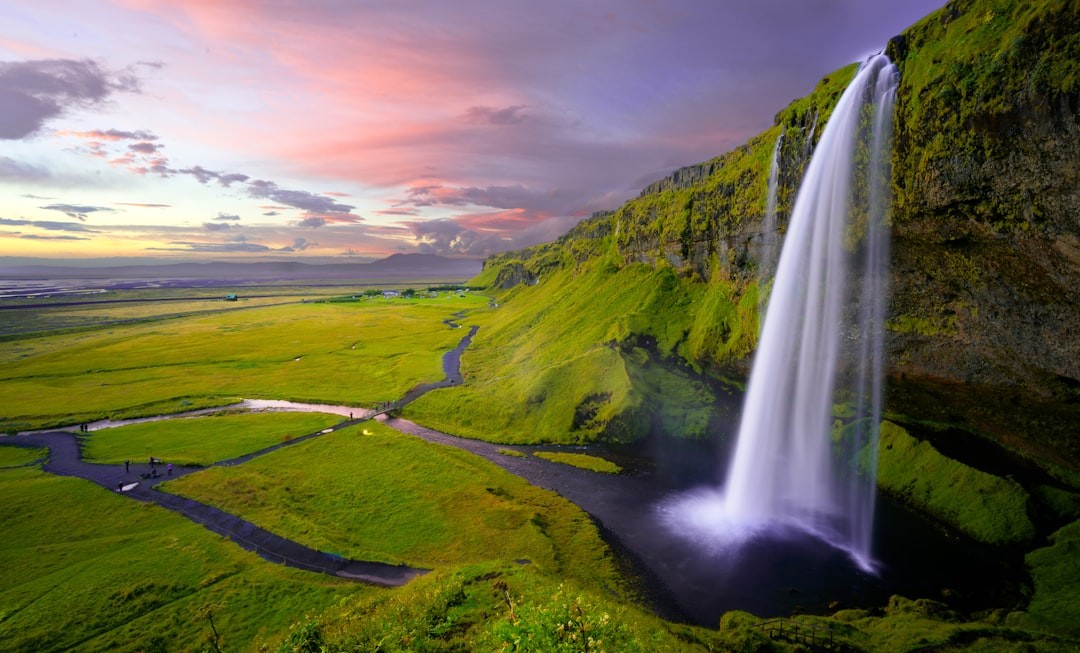
Icelandic moss takes 100+ years to recover from footsteps. Stay on marked paths at all times. Do not walk on geothermal features — the crust can be thin. Drones require permits in national parks and most protected areas. Leave no trace is not aspirational here — it is legally enforced. Icelandic moss takes 100 years to recover — never step off marked paths.
6. Swimming Pool Culture
Icelandic public swimming pools (sundlaugar) operate as community social centres and are one of the most authentic cultural experiences in the country. The mandatory pre-entry protocol requires showering thoroughly without a swimsuit in the changing room showers. This is enforced. Entry is typically $7–10. Shower without swimsuit before entering — an attendant will ask you to redo it if you have not.
7. Northern Lights
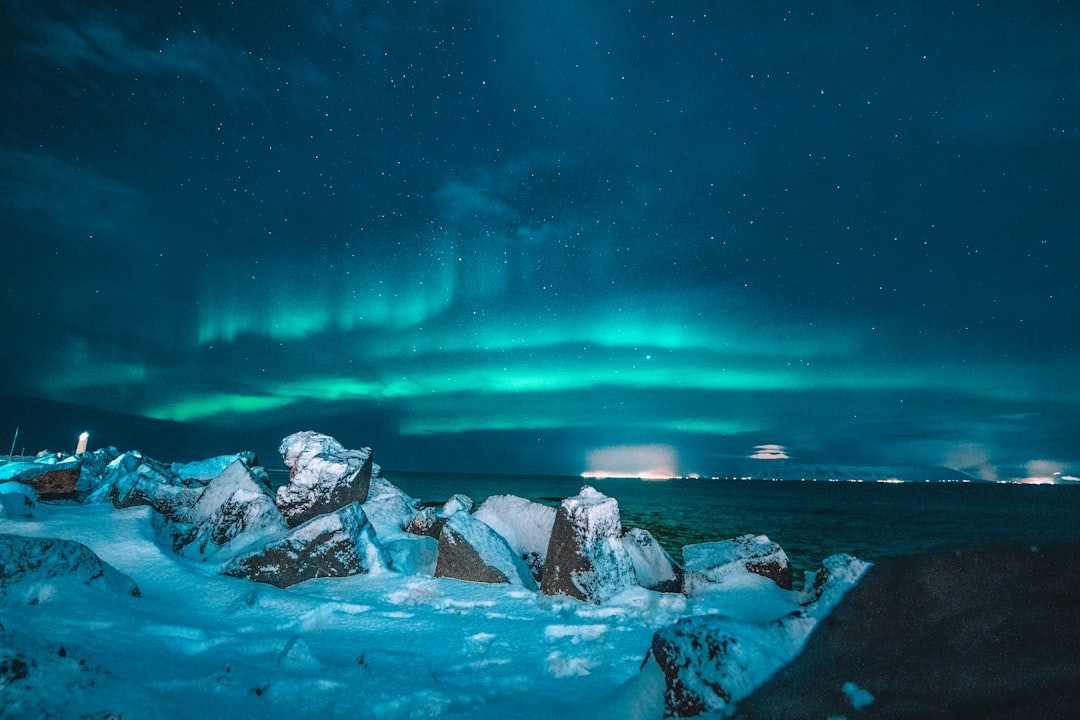
Aurora viewing requires darkness, clear skies, and solar activity (KP index of 3+ on a 1–9 scale). Check vedur.is for the aurora forecast. Drive 20–30 minutes from Reykjavík for dark skies. The My Aurora Forecast app sends notifications when activity is detected. KP3+ and clear sky from vedur.is are the two requirements — nothing else guarantees a sighting.
8. Register Your Journey
For any remote hiking, glacier walk, or highland driving, register your itinerary at safetravel.is before departing. Mountain and glacier rescue is excellent but expensive without proper insurance. Specific danger: sneaker waves at Reynisfjara black sand beach have caused fatalities — never turn your back to the ocean. Register at safetravel.is for all remote activities — and stay back from black sand beach waves.
9. Midnight Sun and Sleep
From approximately late May to late July, the sun does not set properly in Iceland. Blackout curtains are provided by most accommodation but bring an eye mask as backup. The perpetual light disorients the body clock — eat at regular meal times and supplement with melatonin if needed. Bring an eye mask — midnight sun makes genuine darkness impossible in June and July.
10. Tipping
Tipping is not expected in Iceland. Service is included in prices and Icelandic service staff earn living wages. No social pressure exists to tip. If you choose to, it will be appreciated, but it is genuinely optional. Tipping is not the norm — no social pressure exists.
Final Thoughts on Travelling in Iceland
The most important thing you can bring to Iceland is genuine curiosity and a willingness to engage with the country on its own terms. The practical tips above handle the logistics — entry, money, transport, customs. The quality of the experience beyond that depends on the attitude you bring: openness to the differences, patience with the unfamiliar, and respect for a culture that has its own valid way of doing things.
Where something seems inconvenient — later meal times, different tipping conventions, shops closed on certain days — it is worth remembering that these are features of a living culture, not failures to meet external expectations. Adapting to them, rather than working around them, consistently produces a richer experience.
Go with a flexible itinerary, the right practical foundation, and an appetite for what makes Iceland genuinely itself. That combination serves well in any country and particularly well here.