Things To Know About Latvia
By: Straighter Mobile Team
Essential Travel Tips for Latvia
Knowing a few key facts before arriving in Latvia makes the difference between a trip full of small frustrations and one that runs smoothly from day one. Every country has its own practical rhythms — its approach to money, transport, greetings, tipping, and the unwritten rules that guidebooks sometimes skip. The tips below address what actually matters on the ground, fact-checked for accuracy.
Some of these tips are practical (entry requirements, currency, transport); some are cultural (greetings, dining times, hospitality customs); some are safety-related. All of them apply regardless of where you are travelling from. None of them are difficult once you know them — but they are easy to get wrong if you arrive with assumptions drawn from home.
Entry requirements and political situations can change. Always verify visa rules through your own government's official travel advisory before departure. Travel insurance is non-negotiable for any international trip — ensure yours covers your planned activities. With the basics in hand, you are free to direct your attention towards what makes Latvia genuinely worth visiting.
Key Takeaways:
- Always verify current entry requirements through your government's official travel advisory
- Understand the local currency and whether cards or cash are expected before you arrive
- Even a single word in the local language changes how you are received
- Cultural norms around dining, tipping, and social behaviour are worth knowing in advance
- Safety-specific tips for Latvia are included — read them before you go
Staying connected in Latvia
Stay connected to the internet throughout Europe, including Latvia, without worrying about expensive roaming fees with a Latvia eSIM that lets you install a digital SIM in minutes and stay connected effortlessly as you travel.
10 Things to Know Before Visiting Latvia
1. Visa and Entry
Latvia is a Schengen member and uses the Euro. EU citizens enter freely. US, UK, Canadian, and Australian citizens can enter visa-free for up to 90 days within the Schengen 180-day period. Euro currency; Schengen rules apply.
2. Language Sensitivity
Latvian is the official language. Russian is widely understood, particularly by those over 40 — but addressing Latvians in Russian can carry Soviet-occupation connotations that some find uncomfortable, given the country's history. English is widely spoken in Riga and by younger Latvians. Use English rather than Russian with Latvians — Russian carries historical weight here.
3. Riga's Art Nouveau
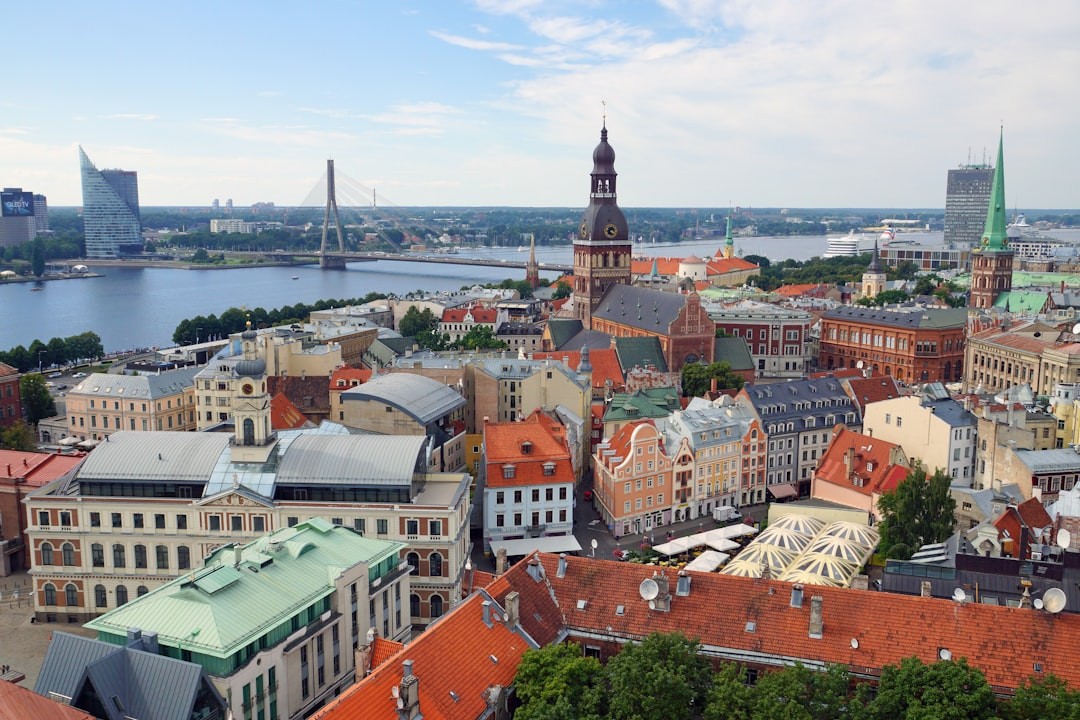
Riga has one of the largest and finest Art Nouveau architectural districts in the world — over 800 buildings in a single city. The Art Nouveau Museum on Alberta iela gives the context. The district is a 15-minute walk from the UNESCO-listed Old Town and is rarely as crowded. The Art Nouveau district is 15 min from the old town and far less visited — prioritise both.
4. Riga Black Balsam
Riga Black Balsam (45% ABV) is Latvia's national herbal liqueur, made from 24 ingredients including ginger, linden flowers, and oak bark — produced since 1752. It is drunk neat as a digestif, or mixed with blackcurrant juice. A bottle of the original or cherry variant is an excellent and genuinely Latvian souvenir. Mix Riga Black Balsam with blackcurrant juice — a better introduction than drinking it neat.
5. Central Market
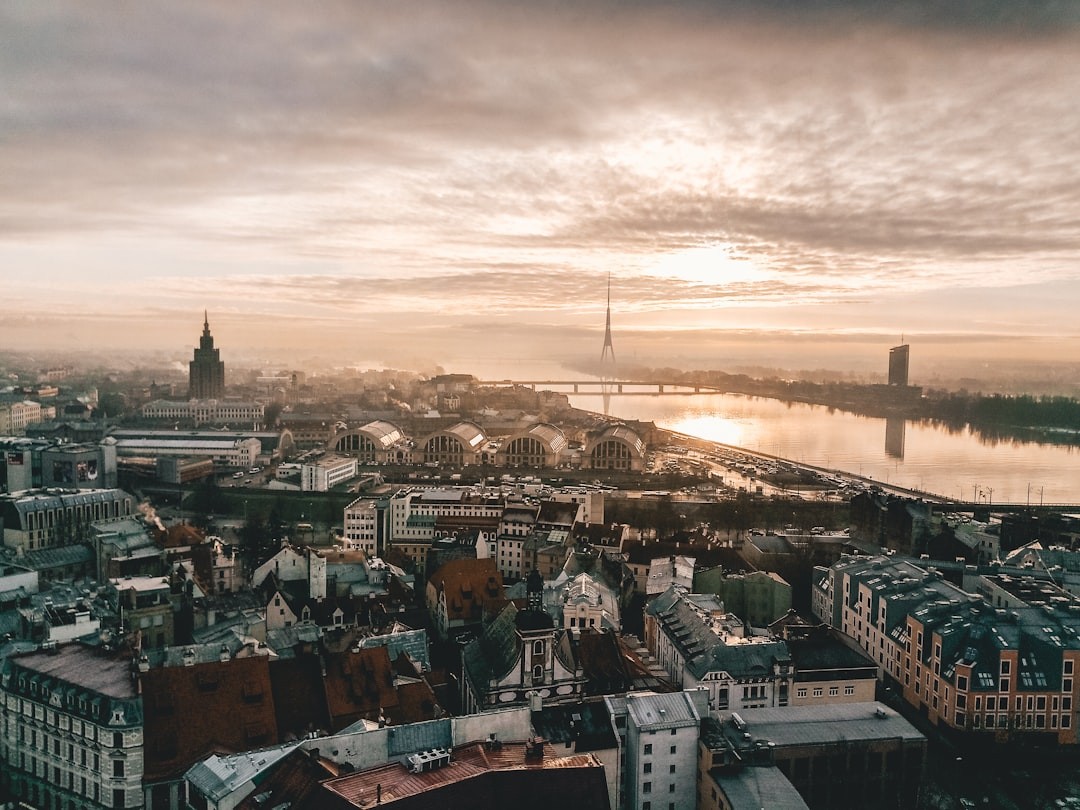
Riga's Central Market, housed in five repurposed German World War One zeppelin hangars on the edge of the old town, is one of the finest food markets in the Baltic — fish, dairy, produce, and Latvian specialities. Visit in the morning when the market is at its most active. The zeppelin hangar market is essential Riga — visit before 11am for the full experience.
6. Jāni Midsummer
Jāņi on 23–24 June is the most important celebration in the Latvian calendar — bonfires, traditional songs (dainas), flower wreaths, and festivities continue through the extraordinarily light summer night. Even in Riga, the celebration is genuine and joyful. Jāņi on 23–24 June is Latvia's most important celebration — genuinely festive and welcoming to visitors.
7. Bog Walking
The Kemeri Bog near Jurmala has a remarkable 3km boardwalk trail through a raised peat bog landscape of ancient pine-dotted pools. Entry is free. The bog is most atmospheric in early morning when mist sits on the pools. One of the most meditative walks in the Baltic. Kemeri Bog boardwalk is free and one of the most calming walks in Latvia.
8. Amber
Baltic amber is sold throughout Latvia, but fake (synthetic or plastic) amber is common in tourist souvenir shops near the old town. Genuine amber is light, feels warm to the touch, and floats in saturated salt water (approximately 35g of salt per 100ml of water). Buy from specialist jewellers. Genuine amber floats in heavily salted water — a reliable test before buying.
9. Jurmala Beach
Jurmala, the Art Nouveau beach resort 25km from Riga, is connected by frequent commuter trains (20 minutes, very cheap). The beach is excellent in summer; the Art Nouveau wooden villas and the pedestrianised Jomas Street give it a distinctive character. Jurmala is 20 minutes by train from Riga — far easier and cheaper than a taxi.
10. Tipping
10% in Riga restaurants is appreciated and becoming standard. In local restaurants and cafes, rounding up is sufficient. Cash tips are preferred over card additions. 10% in Riga; rounding up elsewhere is fine.
Final Thoughts on Travelling in Latvia
The most important thing you can bring to Latvia is genuine curiosity and a willingness to engage with the country on its own terms. The practical tips above handle the logistics — entry, money, transport, customs. The quality of the experience beyond that depends on the attitude you bring: openness to the differences, patience with the unfamiliar, and respect for a culture that has its own valid way of doing things.
Where something seems inconvenient — later meal times, different tipping conventions, shops closed on certain days — it is worth remembering that these are features of a living culture, not failures to meet external expectations. Adapting to them, rather than working around them, consistently produces a richer experience.
Go with a flexible itinerary, the right practical foundation, and an appetite for what makes Latvia genuinely itself. That combination serves well in any country and particularly well here.