Things To Know About Liechtenstein
By: Straighter Mobile Team
Essential Travel Tips for Liechtenstein
Knowing a few key facts before arriving in Liechtenstein makes the difference between a trip full of small frustrations and one that runs smoothly from day one. Every country has its own practical rhythms — its approach to money, transport, greetings, tipping, and the unwritten rules that guidebooks sometimes skip. The tips below address what actually matters on the ground, fact-checked for accuracy.
Some of these tips are practical (entry requirements, currency, transport); some are cultural (greetings, dining times, hospitality customs); some are safety-related. All of them apply regardless of where you are travelling from. None of them are difficult once you know them — but they are easy to get wrong if you arrive with assumptions drawn from home.
Entry requirements and political situations can change. Always verify visa rules through your own government's official travel advisory before departure. Travel insurance is non-negotiable for any international trip — ensure yours covers your planned activities. With the basics in hand, you are free to direct your attention towards what makes Liechtenstein genuinely worth visiting.
Key Takeaways:
- Always verify current entry requirements through your government's official travel advisory
- Understand the local currency and whether cards or cash are expected before you arrive
- Even a single word in the local language changes how you are received
- Cultural norms around dining, tipping, and social behaviour are worth knowing in advance
- Safety-specific tips for Liechtenstein are included — read them before you go
Staying connected in Liechtenstein
Stay connected to the internet throughout Europe, including Liechtenstein, without worrying about expensive roaming fees with a Liechtenstein eSIM that lets you install a digital SIM in minutes and stay connected effortlessly as you travel.
10 Things to Know Before Visiting Liechtenstein
1. Visa and Entry
Liechtenstein is a Schengen member via bilateral agreement with Switzerland. It is not an EU member. Open borders with Switzerland and Austria mean no formalities when arriving from either country. EU, US, UK, Canadian, and Australian citizens enter freely under Schengen rules. Open borders with Switzerland and Austria — no formalities at the crossing.
2. Currency: Swiss Franc
Liechtenstein uses the Swiss Franc (CHF), not the Euro. The Swiss Franc is one of the world's strongest currencies — prices reflect Swiss levels, not Central European ones. A coffee costs CHF 4–5 ($4.50–6). ATMs are available in Vaduz. Prices here are Swiss prices — plan your budget accordingly.
3. Scale of the Country
Liechtenstein is 25km long and 12km wide. The entire country can be driven end to end in under 25 minutes. The capital Vaduz has a population of approximately 5,000 people. Most visitors see the country fully in a day. You can see the entire country in a day — it is genuinely that small.
4. No Airport or Train Station
There is no airport, railway station, or motorway in Liechtenstein. Access is by PostBus from Buchs (Switzerland, 10 minutes) or Feldkirch (Austria, 15 minutes). Car hire and cycling along the Rhine cycle path from Switzerland or Austria are excellent alternatives. Take the PostBus from Buchs (Switzerland) — it runs regularly and takes 10 minutes to Vaduz.
5. Passport Stamp Souvenir
The Vaduz Tourist Office will stamp your passport as a souvenir for a small fee (approximately CHF 3). It is not required for entry but is a popular keepsake in one of Europe's smallest and rarest destinations. A Liechtenstein passport stamp costs ~CHF 3 at the Tourist Office — a cheap and distinctive souvenir.
6. National Day
National Day on 15 August is the most important celebration in Liechtenstein — the Prince traditionally opens the grounds of Vaduz Castle for a garden party with fireworks, free drinks, and informal access to the royal family. One of the most accessible and charming royal events in Europe. 15 August: the Prince opens the castle grounds to everyone — a uniquely accessible royal event.
7. The Ruling Prince
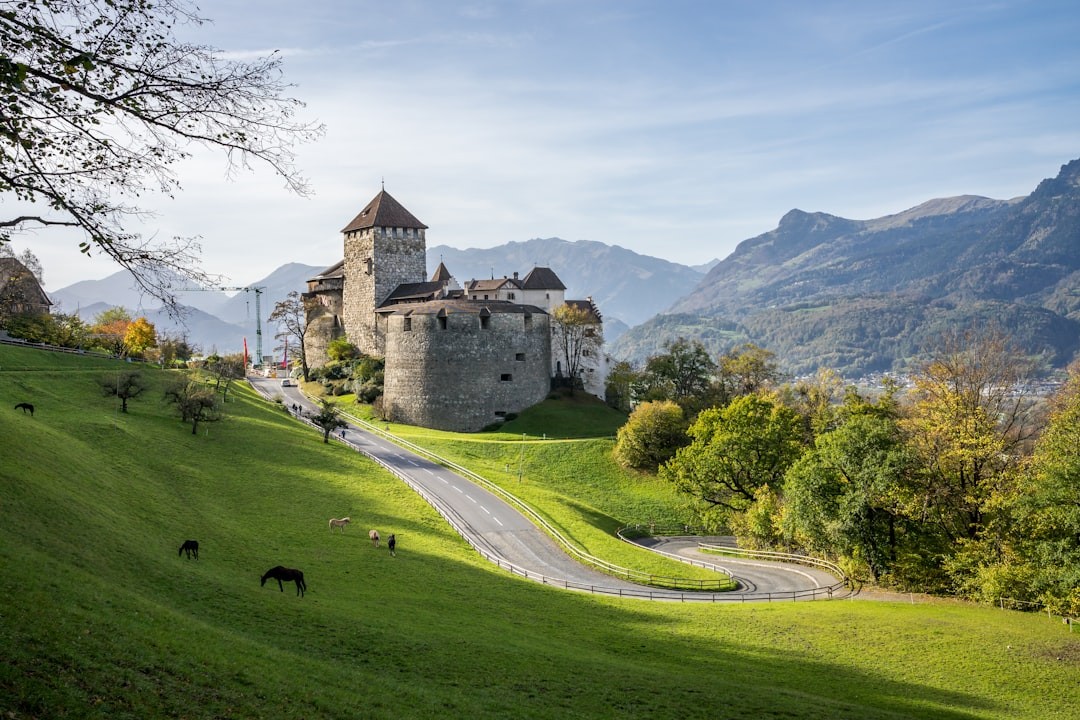
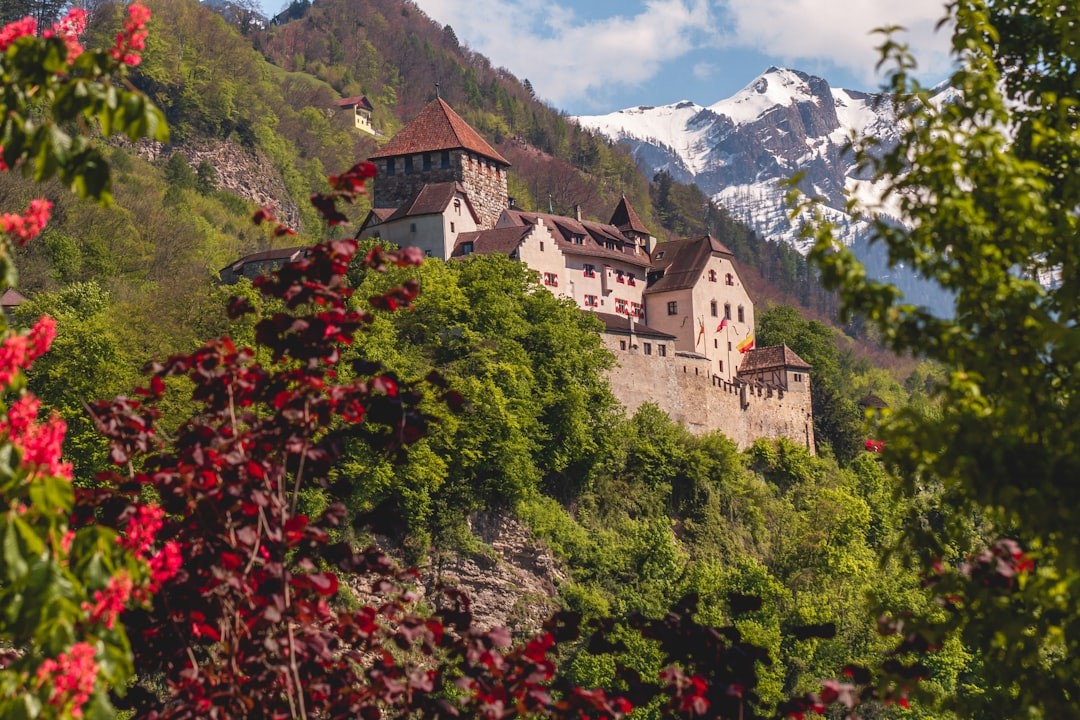
The Prince of Liechtenstein (currently Hans-Adam II, transitioning to Alois II) lives in Vaduz Castle, visible on the hill above the capital. The castle is not open to the public except on National Day. The Prince holds more executive power than most European monarchs. Vaduz Castle is a working royal residence — not open to visitors except on 15 August.
8. Stamps and Philately
Liechtenstein's postage stamps have been internationally celebrated since 1912 and are genuine collector's items. The Philatelic Service in Vaduz sells current and some historical issues. Even non-collectors find the quality and variety impressive. Liechtenstein stamps are genuinely among the world's finest philatelic products.
9. Hiking
Despite its tiny size, Liechtenstein has excellent marked hiking trails directly accessible from Vaduz. The Three Sisters peaks hike (Drei Schwestern) above Vaduz and the Fürstensteig ridge walk offer spectacular Alpine panoramas. The Three Sisters hike from Vaduz is the finest single walk in the country — entirely accessible.
10. Tipping
Tipping follows Swiss conventions — rounding up to the nearest franc is appropriate. No strong social pressure exists for larger tips. Service staff earn Swiss-level wages. Round up to the nearest franc — Swiss-level wages mean no pressure for more.
Final Thoughts on Travelling in Liechtenstein
The most important thing you can bring to Liechtenstein is genuine curiosity and a willingness to engage with the country on its own terms. The practical tips above handle the logistics — entry, money, transport, customs. The quality of the experience beyond that depends on the attitude you bring: openness to the differences, patience with the unfamiliar, and respect for a culture that has its own valid way of doing things.
Where something seems inconvenient — later meal times, different tipping conventions, shops closed on certain days — it is worth remembering that these are features of a living culture, not failures to meet external expectations. Adapting to them, rather than working around them, consistently produces a richer experience.
Go with a flexible itinerary, the right practical foundation, and an appetite for what makes Liechtenstein genuinely itself. That combination serves well in any country and particularly well here.