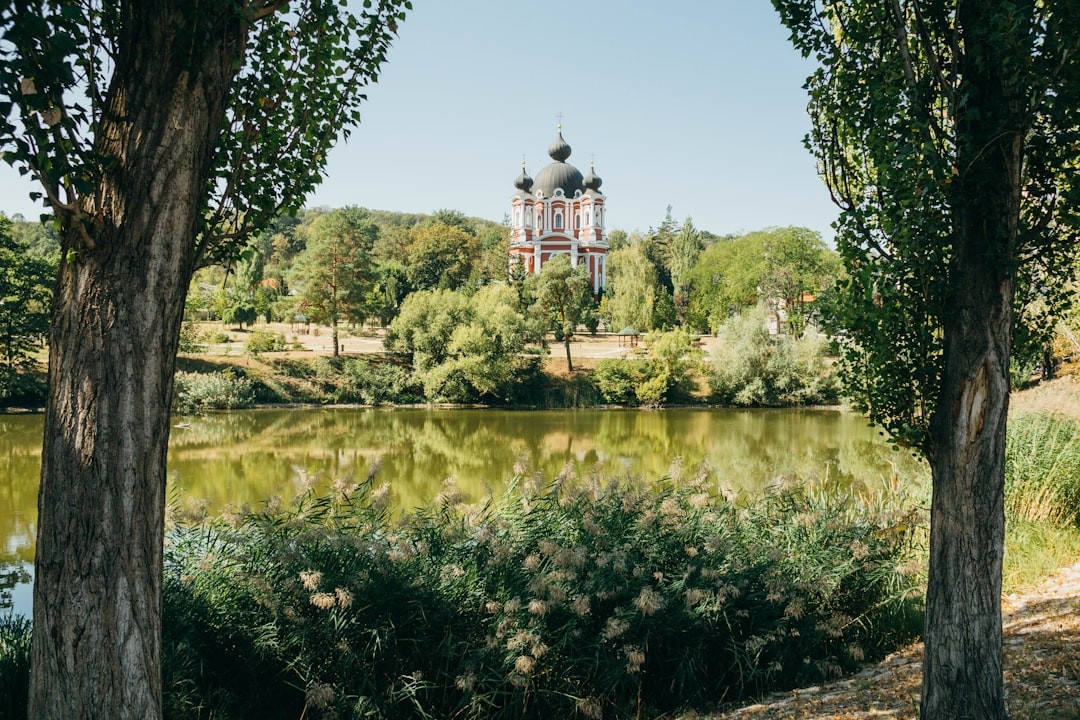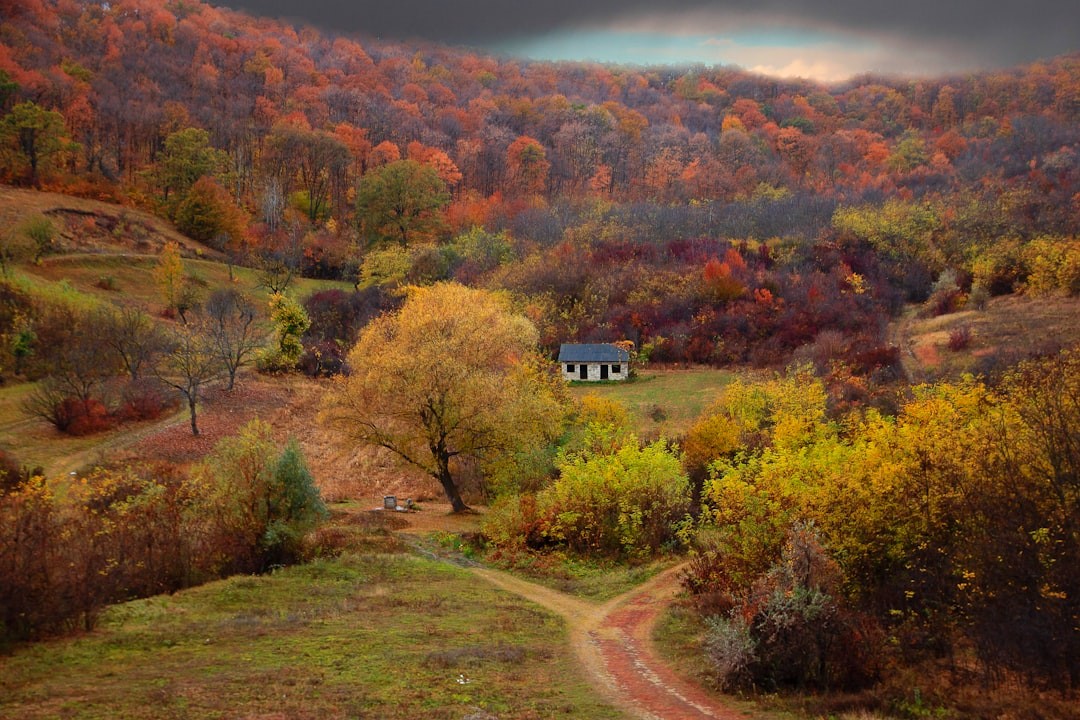
Things To Know About Moldova
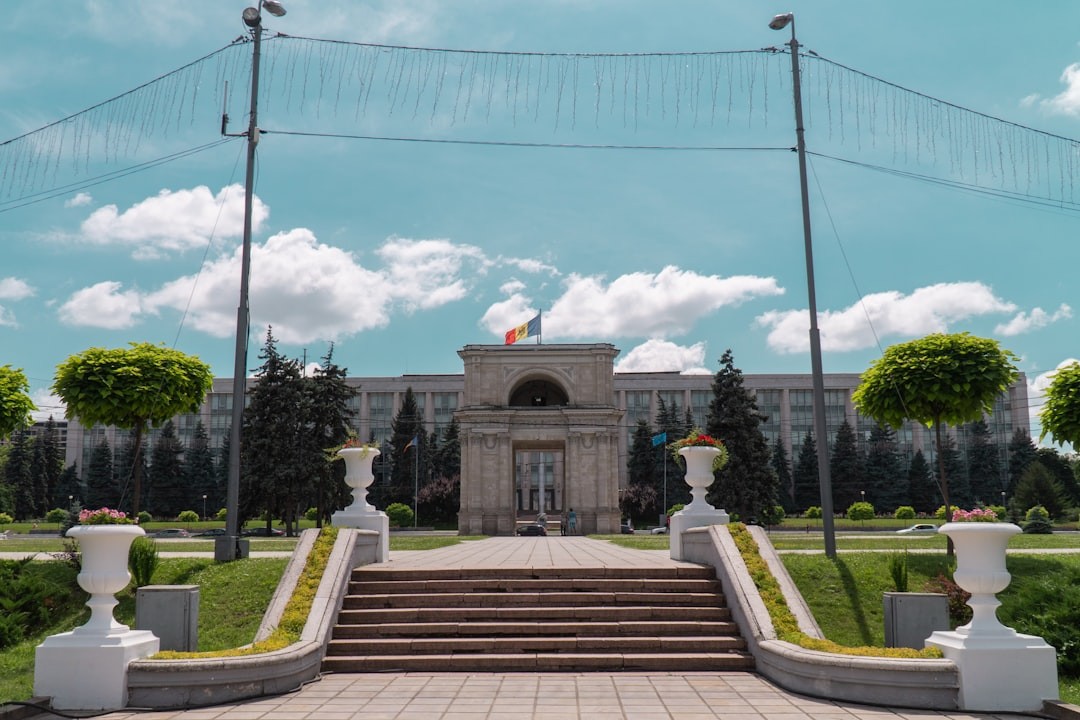
By: Straighter Mobile Team
Essential Travel Tips for Moldova
Knowing a few key facts before arriving in Moldova makes the difference between a trip full of small frustrations and one that runs smoothly from day one. Every country has its own practical rhythms — its approach to money, transport, greetings, tipping, and the unwritten rules that guidebooks sometimes skip. The tips below address what actually matters on the ground, fact-checked for accuracy.
Some of these tips are practical (entry requirements, currency, transport); some are cultural (greetings, dining times, hospitality customs); some are safety-related. All of them apply regardless of where you are travelling from. None of them are difficult once you know them — but they are easy to get wrong if you arrive with assumptions drawn from home.
Entry requirements and political situations can change. Always verify visa rules through your own government's official travel advisory before departure. Travel insurance is non-negotiable for any international trip — ensure yours covers your planned activities. With the basics in hand, you are free to direct your attention towards what makes Moldova genuinely worth visiting.
Key Takeaways:
- Always verify current entry requirements through your government's official travel advisory
- Understand the local currency and whether cards or cash are expected before you arrive
- Even a single word in the local language changes how you are received
- Cultural norms around dining, tipping, and social behaviour are worth knowing in advance
- Safety-specific tips for Moldova are included — read them before you go
Staying connected in Moldova
Stay connected to the internet throughout Europe, including Moldova, without worrying about expensive roaming fees with a Moldova eSIM that lets you install a digital SIM in minutes and stay connected effortlessly as you travel.
10 Things to Know Before Visiting Moldova
1. Visa and Entry
Citizens of the EU, US, UK, Canada, and Australia can enter Moldova visa-free for up to 90 days within a 180-day period. Moldova is not EU or Schengen. Check the current situation for the Ukrainian border before travel — conflict proximity affects some eastern entry points. Visa-free for most Western visitors; not Schengen; check Ukrainian border situation.
2. Currency and Costs
Moldova uses the Moldovan Leu (MDL). It is one of the two poorest countries in Europe by GDP per capita and is extraordinarily affordable — a full restaurant meal with wine for two typically costs $10–20. Cards work in Chișinău hotels and larger restaurants. Cash essential in rural areas and smaller towns. One of Europe's most affordable countries — a full meal with wine rarely exceeds $20 for two.
3. Wine Cellars
Moldova has one of the highest vineyard-per-capita ratios in the world. The Cricova underground wine city (120km of limestone tunnels) and Mileștii Mici (200km of tunnels, Guinness World Record for largest wine collection) are unique visitor experiences. Wine tastings are extraordinarily affordable. Milestii Mici has the world's largest wine collection — tours are very affordable and genuinely impressive.
4. Transnistria Day Trip
Transnistria is an unrecognised breakaway territory along the Dniester River with its own government, currency (Transnistrian Ruble — no external value), military, and Soviet symbols. You receive a migration card at the entry crossing (not a passport stamp). Photograph nothing official. Day trips from Chișinău are straightforward. Transnistrian Ruble has no value outside Transnistria — spend or exchange before leaving.
5. Language
Romanian is the primary language. Russian is widely spoken as a second language. English is limited outside Chișinău. Basic Romanian or Russian is genuinely helpful for travel beyond the capital. 'Mulțumesc' (Romanian, thank you) and 'Spasibo' (Russian, thank you) — both useful here.
6. Safety
Chișinău and most of Moldova are safe for tourists. The Ukrainian border in the east is a conflict proximity zone — do not approach. Transnistria requires care (see above). Political complexity does not translate to physical danger for tourists in the main cities and wine regions. Moldova is safe for tourists; stay away from the eastern Ukrainian border zone.
7. National Wine Day
The first Sunday of October brings Moldova's National Wine Day to Chișinău's central square — a free-entry outdoor tasting event with producers from across the country. One of the most joyful and accessible wine events in Eastern Europe. National Wine Day (first Sunday of October) is free entry and genuinely festive.
8. Orheiul Vechi
The Orheiul Vechi cave monastery complex is 60km north of Chișinău, accessible by marshrutka (shared minibus) or car. The layering of Dacian, Hellenistic, medieval, and later remains in a dramatic river landscape makes it one of the finest heritage sites in Eastern Europe. Orheiul Vechi by marshrutka from Chișinău is cheap and straightforward.
9. Taxis
Use the inDriver or Yandex Go apps for fair-priced taxis in Chișinău. Street taxis at the airport can overcharge significantly. Marshrutka shared minibuses connect the capital with smaller towns. inDriver app for Chișinău taxis — set your own price and a driver accepts it.
10. Tipping
10% in restaurants is appreciated and becoming standard in Chișinău. Local wages are very low by European standards — tips are genuinely meaningful. Always tip generously by local standards. 10% in Chișinău restaurants is appreciated and significant by local wage standards.
Final Thoughts on Travelling in Moldova
The most important thing you can bring to Moldova is genuine curiosity and a willingness to engage with the country on its own terms. The practical tips above handle the logistics — entry, money, transport, customs. The quality of the experience beyond that depends on the attitude you bring: openness to the differences, patience with the unfamiliar, and respect for a culture that has its own valid way of doing things.
Where something seems inconvenient — later meal times, different tipping conventions, shops closed on certain days — it is worth remembering that these are features of a living culture, not failures to meet external expectations. Adapting to them, rather than working around them, consistently produces a richer experience.
Go with a flexible itinerary, the right practical foundation, and an appetite for what makes Moldova genuinely itself. That combination serves well in any country and particularly well here.