Things To Know About North Macedonia
By: Straighter Mobile Team
Essential Travel Tips for North Macedonia
Knowing a few key facts before arriving in North Macedonia makes the difference between a trip full of small frustrations and one that runs smoothly from day one. Every country has its own practical rhythms — its approach to money, transport, greetings, tipping, and the unwritten rules that guidebooks sometimes skip. The tips below address what actually matters on the ground, fact-checked for accuracy.
Some of these tips are practical (entry requirements, currency, transport); some are cultural (greetings, dining times, hospitality customs); some are safety-related. All of them apply regardless of where you are travelling from. None of them are difficult once you know them — but they are easy to get wrong if you arrive with assumptions drawn from home.
Entry requirements and political situations can change. Always verify visa rules through your own government's official travel advisory before departure. Travel insurance is non-negotiable for any international trip — ensure yours covers your planned activities. With the basics in hand, you are free to direct your attention towards what makes North Macedonia genuinely worth visiting.
Key Takeaways:
- Always verify current entry requirements through your government's official travel advisory
- Understand the local currency and whether cards or cash are expected before you arrive
- Even a single word in the local language changes how you are received
- Cultural norms around dining, tipping, and social behaviour are worth knowing in advance
- Safety-specific tips for North Macedonia are included — read them before you go
Staying connected in North Macedonia
Stay connected to the internet throughout Europe, including North Macedonia, without worrying about expensive roaming fees with a North Macedonia eSIM that lets you install a digital SIM in minutes and stay connected effortlessly as you travel.
10 Things to Know Before Visiting North Macedonia
1. Visa and Entry
Citizens of the EU, US, UK, Canada, and Australia can enter North Macedonia visa-free for up to 90 days within a 180-day period. North Macedonia is not EU or Schengen. A valid passport is required. Visa-free 90 days for most Western visitors; not Schengen.
2. Currency and Costs
North Macedonia uses the Macedonian Denar (MKD), pegged to the Euro at approximately 61.5 MKD per Euro. It is one of the most affordable countries in Europe — a full restaurant meal for two with wine typically costs $15–25. Cash essential outside Skopje. One of Europe's most affordable countries; MKD not Euro; cash essential outside Skopje.
3. Ohrid Strategy
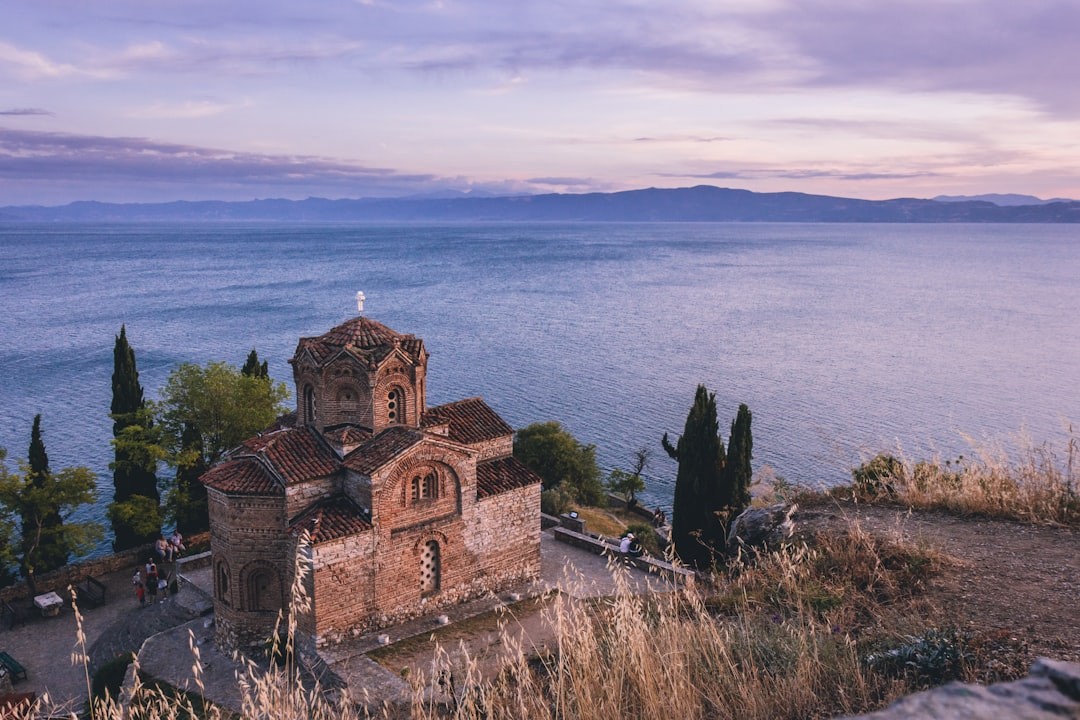
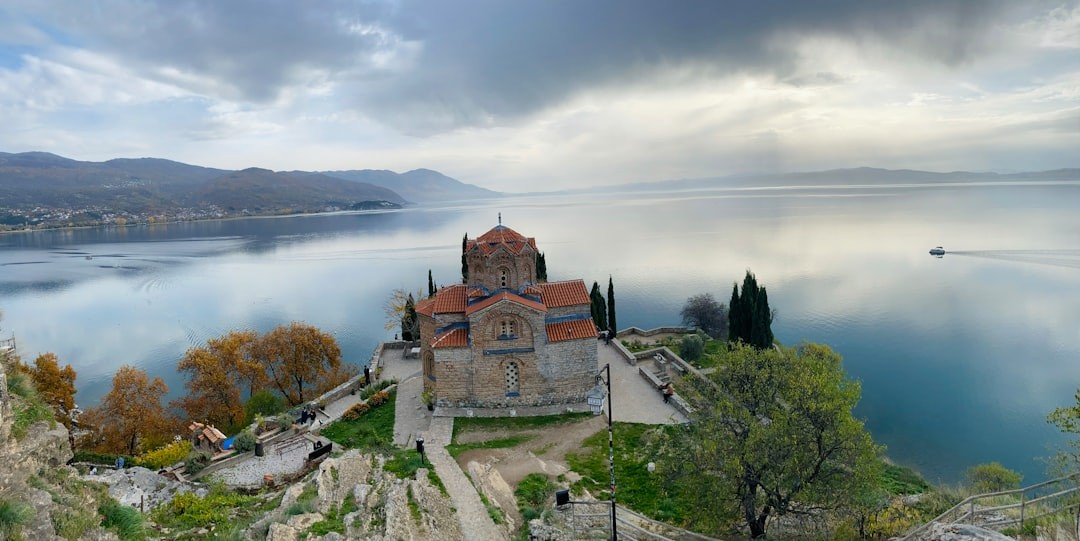
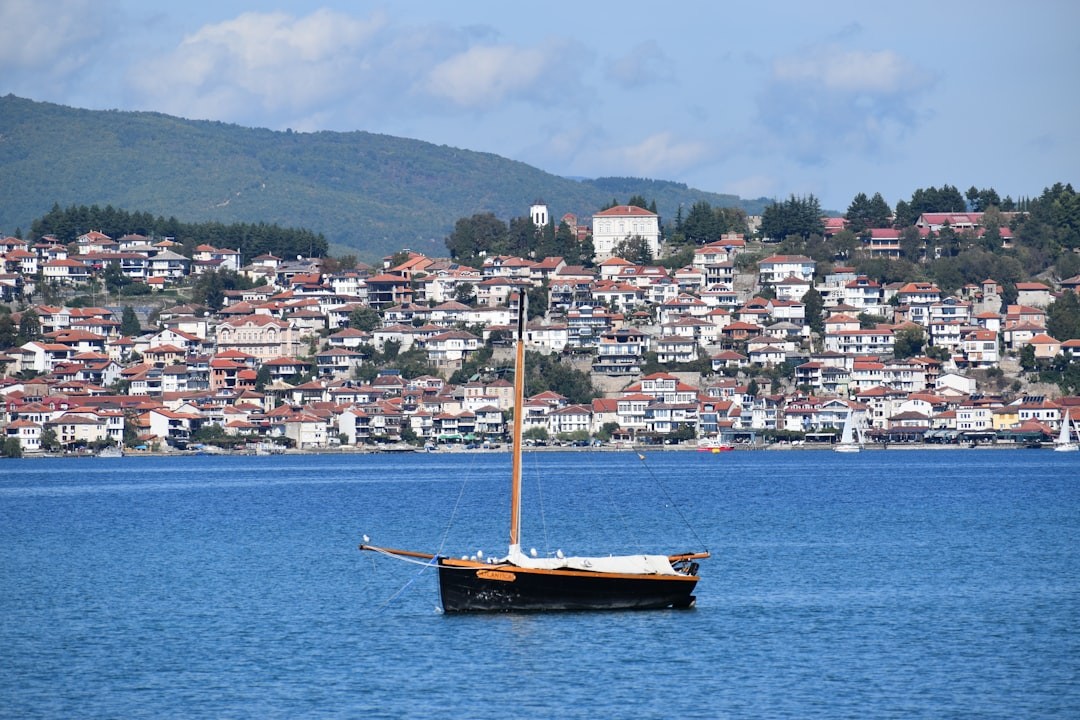
Ohrid is the primary tourist destination and is most enjoyable outside the peak of July and August. Boat trips to the Monastery of Saint Naum and to the Church of Sveti Jovan Kaneo are affordable and excellent. Try Ohrid trout (Salmo letnica) — a local species found only in the lake. Ohrid trout is a local species found only in Lake Ohrid — try it at a lakeside restaurant.
4. Language
Macedonian is the official language, a South Slavic language. Albanian is co-official in areas with significant Albanian populations. English is spoken by younger people in Skopje and Ohrid. 'Blagodaram' (thank you in Macedonian) — any attempt is appreciated.
5. The Name Sensitivity
North Macedonia changed its name from 'Republic of Macedonia' in 2019 as part of the Prespa Agreement with Greece. The naming dispute reflects a deeply felt historical and identity debate. Avoid expressing strong opinions unless you are thoroughly familiar with the history. The name change is recent and still politically sensitive — avoid strong opinions.
6. Skopje 2014 Buildings
Skopje's controversial Skopje 2014 urban project added dozens of neoclassical statues, triumphal arches, and grand buildings at considerable cost. The project is domestically divisive. The contrast with the Ottoman old bazaar (Čaršija) directly adjacent is one of the most striking urban juxtapositions in the Balkans. The Čaršija (Ottoman bazaar) adjacent to Skopje 2014 provides a striking historical contrast.
7. Matka Canyon
The Matka Canyon is 15km west of Skopje — accessible by taxi or local bus. The electric boat tour to Vrelo Cave (with a large underground lake) is excellent. Several medieval monasteries line the canyon walls. One of the most rewarding half-day trips from any Balkan capital. Matka Canyon is 15km from Skopje — the boat tour to Vrelo Cave is unmissable.
8. Food
Tavče gravče (baked white beans in clay pot) is the national dish. Ajvar (roasted red pepper relish) is made in vast quantities each autumn and is sublime when homemade. Local Tikveš Vranec red wine is excellent and very affordable. Tavče gravče and local Tikveš Vranec wine are the two essential North Macedonian food and drink experiences.
9. Kokino Observatory
The Kokino megalithic observatory near Kumanovo is ranked by NASA as the fourth oldest known astronomical observatory in the world. It is undervisited and accessible by car or guided tour from Skopje. Kokino is NASA-ranked and almost entirely unvisited internationally — a genuine discovery.
10. Tipping
10% in tourist restaurants is appreciated and expected. In local restaurants and cafes, rounding up is fine. North Macedonia's low wage economy means tips are genuinely meaningful. 10% in restaurants; tips are meaningful given very low local wages.
Final Thoughts on Travelling in North Macedonia
The most important thing you can bring to North Macedonia is genuine curiosity and a willingness to engage with the country on its own terms. The practical tips above handle the logistics — entry, money, transport, customs. The quality of the experience beyond that depends on the attitude you bring: openness to the differences, patience with the unfamiliar, and respect for a culture that has its own valid way of doing things.
Where something seems inconvenient — later meal times, different tipping conventions, shops closed on certain days — it is worth remembering that these are features of a living culture, not failures to meet external expectations. Adapting to them, rather than working around them, consistently produces a richer experience.
Go with a flexible itinerary, the right practical foundation, and an appetite for what makes North Macedonia genuinely itself. That combination serves well in any country and particularly well here.