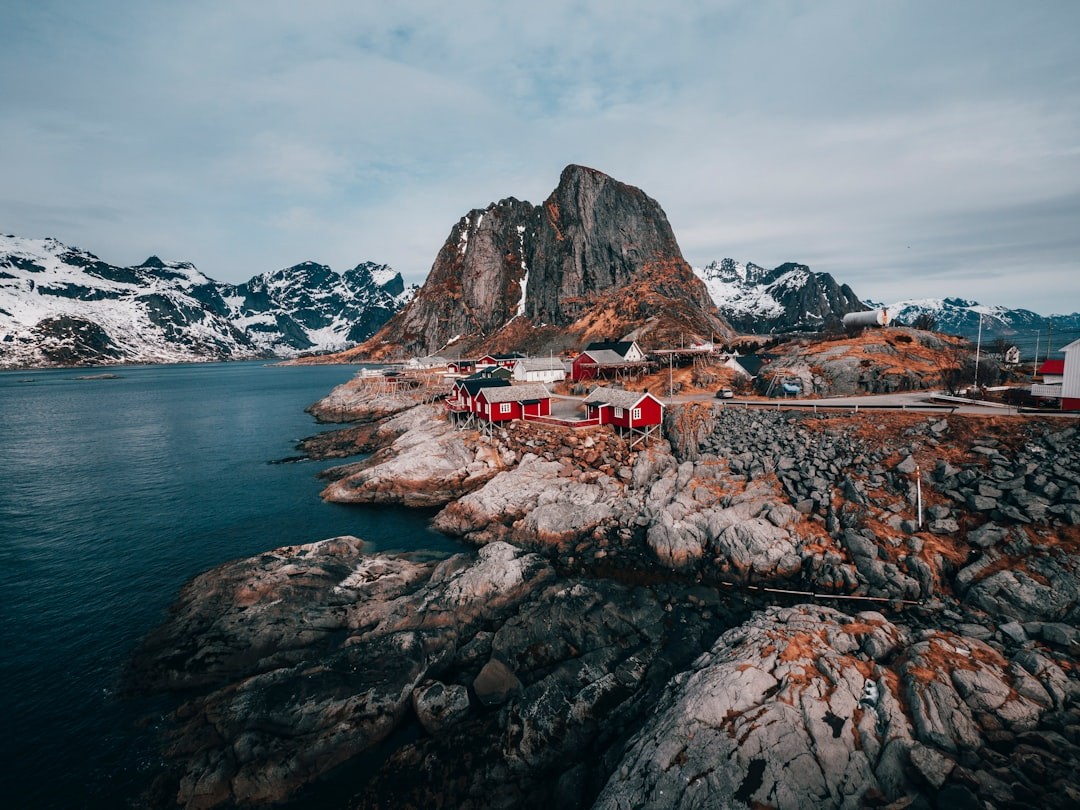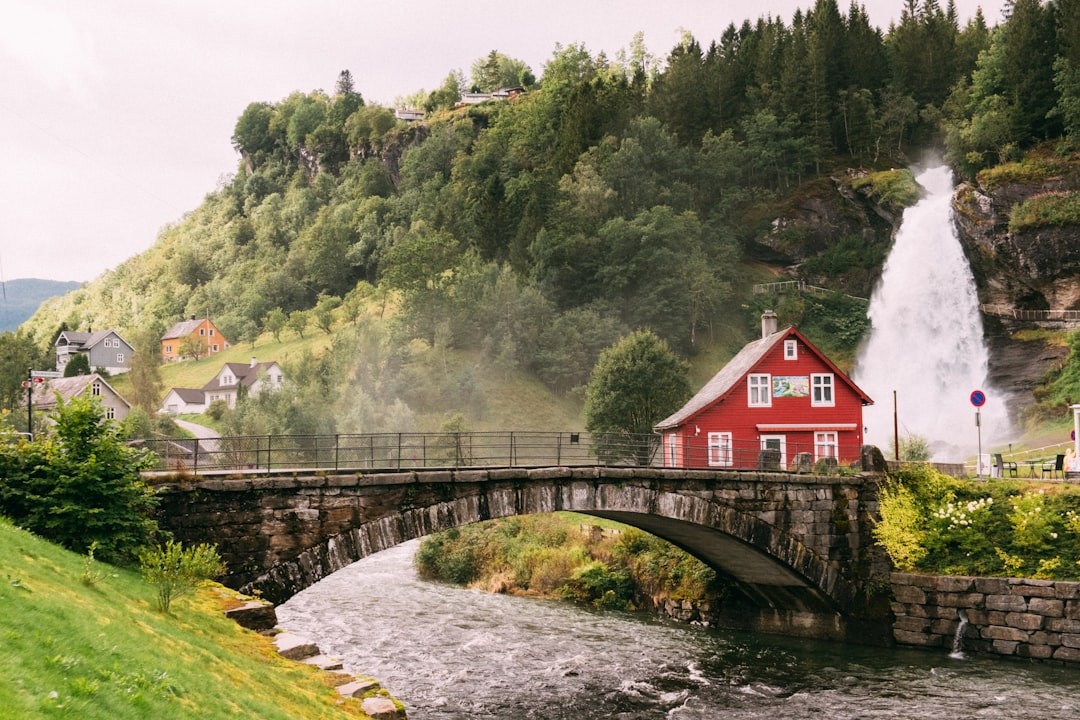
Things To Know About Norway
By: Straighter Mobile Team
Essential Travel Tips for Norway
Knowing a few key facts before arriving in Norway makes the difference between a trip full of small frustrations and one that runs smoothly from day one. Every country has its own practical rhythms — its approach to money, transport, greetings, tipping, and the unwritten rules that guidebooks sometimes skip. The tips below address what actually matters on the ground, fact-checked for accuracy.
Some of these tips are practical (entry requirements, currency, transport); some are cultural (greetings, dining times, hospitality customs); some are safety-related. All of them apply regardless of where you are travelling from. None of them are difficult once you know them — but they are easy to get wrong if you arrive with assumptions drawn from home.
Entry requirements and political situations can change. Always verify visa rules through your own government's official travel advisory before departure. Travel insurance is non-negotiable for any international trip — ensure yours covers your planned activities. With the basics in hand, you are free to direct your attention towards what makes Norway genuinely worth visiting.
Key Takeaways:
- Always verify current entry requirements through your government's official travel advisory
- Understand the local currency and whether cards or cash are expected before you arrive
- Even a single word in the local language changes how you are received
- Cultural norms around dining, tipping, and social behaviour are worth knowing in advance
- Safety-specific tips for Norway are included — read them before you go
Staying connected in Norway
Stay connected to the internet throughout Europe, including Norway, without worrying about expensive roaming fees with a Norway eSIM that lets you install a digital SIM in minutes and stay connected effortlessly as you travel.
10 Things to Know Before Visiting Norway
1. Visa and Entry
Norway is a Schengen member (via EEA) but not an EU member. EU citizens enter freely. US, UK, Canadian, and Australian citizens can enter visa-free for up to 90 days within the Schengen 180-day period. Schengen but not EU — visa-free 90 days for most Western visitors.
2. Cost Warning
Norway is consistently one of the three most expensive countries in the world for visitors. Budget $30–60 for a restaurant meal per person, $12–18 for a beer. Self-catering from Rema 1000 or Kiwi supermarkets is the most effective cost control. The Allemannsretten right to camp anywhere in nature (150m+ from houses) makes free camping legal and practical in summer. Rema 1000 and Kiwi are the cheapest supermarkets — self-catering saves significant money.
3. Right to Roam
Norway's allemannsretten gives everyone the legal right to access uncultivated land — forests, mountains, coastline — for free. This includes camping (2 nights in one place maximum), hiking, and gathering berries and mushrooms. Stay 150m from buildings. This is a constitutional right, not just a guideline. Camping anywhere in Norwegian nature is a legal right — stay 150m from buildings.
4. Language
Norwegian is the official language. English is spoken at an extraordinary standard by virtually all Norwegians — consistently top three globally. 'Hei' (hello) and 'Takk' (thank you) are enough. 'Takk' (thank you) is all the Norwegian you need — English is spoken at world-leading level.
5. Alcohol Policy
Only spirits and wine are sold at state-run Vinmonopolet shops (closed Sundays). Supermarkets sell beer up to 4.7% ABV, closing at 8pm Monday to Saturday. Alcohol is very expensive — a beer in Oslo costs $12–16. Plan Vinmonopolet visits for weekday or Saturday. Vinmonopolet is the only source for wine and spirits — closed Sundays and public holidays.
6. Fjord Logistics
The Norway in a Nutshell tour (bookable through Fjord Tours) combines the Flåm Railway, Aurlandsfjord ferry, and Sognefjord into a one or two day itinerary. The individual components can be booked separately on vy.no and fjordtours.no. Norway in a Nutshell connects the key fjord experiences efficiently — book components on fjordtours.no.
7. Hiking Safety
Norwegian mountain terrain is serious. Popular viewpoints including Preikestolen and Trolltunga have no safety barriers — fatal falls occur each year from visitor carelessness. Register your hiking plan with accommodation or a trusted contact. Proper hiking boots are mandatory; trainers are not adequate. Trolltunga and Preikestolen drops are real and unguarded — fatal falls happen every year.
8. Northern Lights
Northern lights are most reliably seen in Tromsø and the Lofoten Islands from late September to late March. The KP index needs to be 3+ for reliable viewing. Get away from Tromsø's light pollution — drive 20–30 minutes for dark skies. Download the My Aurora Forecast app. KP index 3+ and clear sky = reliable aurora chance. My Aurora Forecast app sends real-time notifications.
9. Svalbard Special Rules
Svalbard (Arctic archipelago) requires no visa for any nationality. However, it is not part of Schengen. Polar bears outnumber people and leaving Longyearbyen settlement without a rifle or armed guide is a legal requirement for safety — not optional. Leaving Longyearbyen without a guide or rifle is illegal — polar bears are a genuine danger.
10. Tipping
Tipping is not obligatory in Norway. Service staff earn good Norwegian wages. Rounding up or adding 10% for good service is appreciated but no social pressure exists. No tipping obligation — Norwegian service staff earn well without it.
Final Thoughts on Travelling in Norway
The most important thing you can bring to Norway is genuine curiosity and a willingness to engage with the country on its own terms. The practical tips above handle the logistics — entry, money, transport, customs. The quality of the experience beyond that depends on the attitude you bring: openness to the differences, patience with the unfamiliar, and respect for a culture that has its own valid way of doing things.
Where something seems inconvenient — later meal times, different tipping conventions, shops closed on certain days — it is worth remembering that these are features of a living culture, not failures to meet external expectations. Adapting to them, rather than working around them, consistently produces a richer experience.
Go with a flexible itinerary, the right practical foundation, and an appetite for what makes Norway genuinely itself. That combination serves well in any country and particularly well here.