Things To Know About Poland
By: Straighter Mobile Team
Essential Travel Tips for Poland
Knowing a few key facts before arriving in Poland makes the difference between a trip full of small frustrations and one that runs smoothly from day one. Every country has its own practical rhythms — its approach to money, transport, greetings, tipping, and the unwritten rules that guidebooks sometimes skip. The tips below address what actually matters on the ground, fact-checked for accuracy.
Some of these tips are practical (entry requirements, currency, transport); some are cultural (greetings, dining times, hospitality customs); some are safety-related. All of them apply regardless of where you are travelling from. None of them are difficult once you know them — but they are easy to get wrong if you arrive with assumptions drawn from home.
Entry requirements and political situations can change. Always verify visa rules through your own government's official travel advisory before departure. Travel insurance is non-negotiable for any international trip — ensure yours covers your planned activities. With the basics in hand, you are free to direct your attention towards what makes Poland genuinely worth visiting.
Key Takeaways:
- Always verify current entry requirements through your government's official travel advisory
- Understand the local currency and whether cards or cash are expected before you arrive
- Even a single word in the local language changes how you are received
- Cultural norms around dining, tipping, and social behaviour are worth knowing in advance
- Safety-specific tips for Poland are included — read them before you go
Staying connected in Poland
Stay connected to the internet throughout Europe, including Poland, without worrying about expensive roaming fees with a Poland eSIM that lets you install a digital SIM in minutes and stay connected effortlessly as you travel.
10 Things to Know Before Visiting Poland
1. Visa and Entry
Poland is a Schengen member. EU citizens enter freely. US, UK, Canadian, and Australian citizens can enter visa-free for up to 90 days within the Schengen 180-day period. Schengen rules apply — count days carefully.
2. Currency: Złoty, Not Euro
Poland uses the Polish Złoty (PLN) despite being an EU member. Poland is significantly more affordable than Western Europe — a restaurant meal in Kraków typically costs $10–20, a beer $2–4. Use bank ATMs for exchange. Exchange offices near Kraków's Main Square and Warsaw's Old Town often offer poor rates. Use bank ATMs only — tourist-area exchange offices in Kraków are reliably poor value.
3. Kraków Practicalities
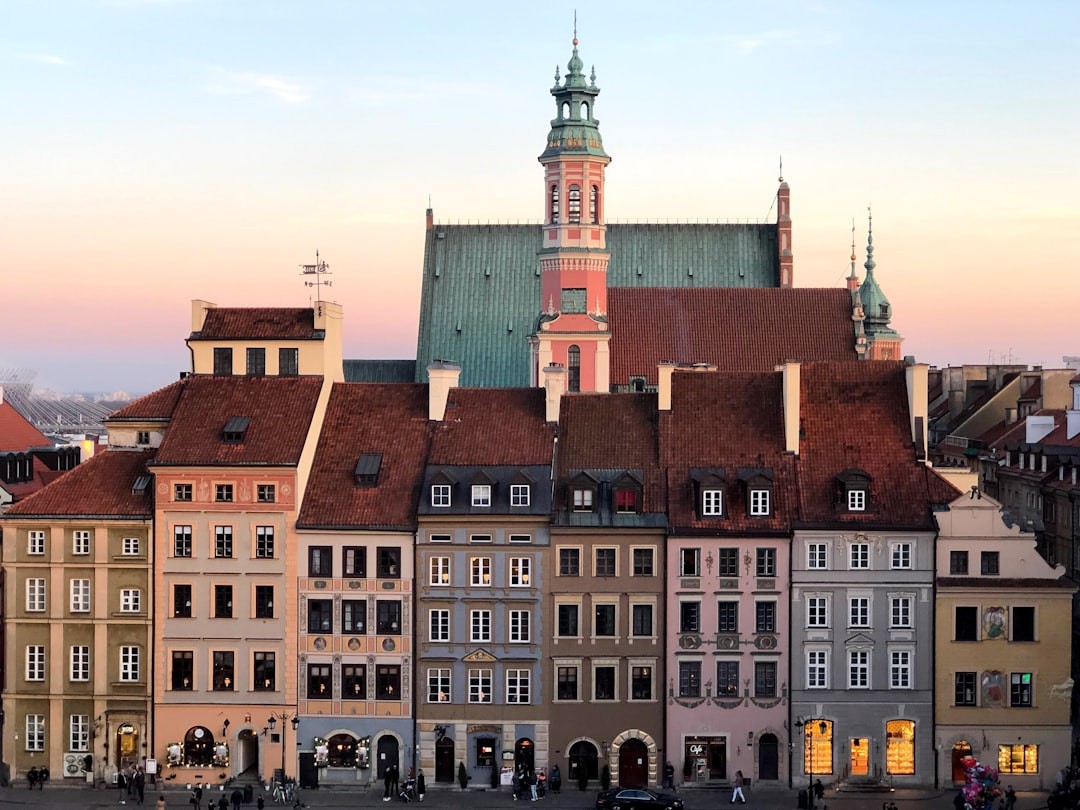
Kraków's Main Market Square (Rynek Główny) is the largest medieval square in Europe and the centre of tourist activity. Wawel Castle requires separate online-booked tickets for different sections — buy them in advance. The former Jewish quarter of Kazimierz is the finest neighbourhood for restaurants and bars in the evening. Book Wawel Castle sections online before visiting — some sell out on summer days.
4. Auschwitz Visit
The Auschwitz-Birkenau Memorial and Museum is one of the most important historical sites in the world. Entry is free but guided tours must be pre-booked (April to October individual entry during peak hours requires a guide). Allow a full day — Auschwitz I and Birkenau are 3km apart. Dress and behaviour must reflect the gravity of the site. Book a guided tour in advance — individual entry is restricted in peak season.
5. Language
Polish is a West Slavic language. English is widely spoken in Warsaw, Kraków, and tourist areas. 'Dziękuję' (thank you, pronounced 'jeh-KOO-yeh') is genuinely appreciated. 'Dziękuję' earns a warm response — one word worth learning.
6. Milk Bars
Bar mleczny (milk bars) are communist-era self-service cafeterias still operating across Poland. They serve traditional Polish food (bigos, pierogi, żurek) at prices far below restaurant levels. They are where locals eat lunch and are entirely welcoming to visitors — do not be put off by their sparse aesthetic. Milk bars serve the same food as upmarket Polish restaurants at a fraction of the price.
7. Vodka Culture
Poland claims the invention of vodka (Russia disputes this). Polish vodkas — Żubrówka (bison grass), Wyborowa, Belvedere — are consumed neat and cold, typically with food. Offering vodka shots is a genuine expression of Polish hospitality. Żubrówka mixed with apple juice (szarlotka or tatanka) is a classic Polish combination. Żubrówka with apple juice ('tatanka') is the most Polish vodka drink to order.
8. Public Transport
PKP intercity trains connect major cities reliably. RegioJet offers comfortable budget alternatives. Warsaw has two metro lines and is walkable in the centre. Bolt and Uber are widely available for affordable taxis. Bolt app for taxis; PKP for intercity trains; Warsaw metro for getting around the capital.
9. Tipping
10% in restaurants is standard and expected. State your desired total when paying. In pubs and cafes, rounding up is normal. Polish service industry wages are lower than Western Europe — tips are meaningfully received. 10% in restaurants; tips are genuinely meaningful given Polish wage levels.
10. Easter Traditions
Polish Easter (Wielkanoc) is celebrated with distinctive folk traditions: śmigus-dyngus on Easter Monday (drenching people with water) and beautifully decorated pisanki Easter eggs. It is one of the most genuinely traditional religious celebrations in Central Europe. Śmigus-dyngus on Easter Monday: expect to get wet — and to wet others.
Final Thoughts on Travelling in Poland
The most important thing you can bring to Poland is genuine curiosity and a willingness to engage with the country on its own terms. The practical tips above handle the logistics — entry, money, transport, customs. The quality of the experience beyond that depends on the attitude you bring: openness to the differences, patience with the unfamiliar, and respect for a culture that has its own valid way of doing things.
Where something seems inconvenient — later meal times, different tipping conventions, shops closed on certain days — it is worth remembering that these are features of a living culture, not failures to meet external expectations. Adapting to them, rather than working around them, consistently produces a richer experience.
Go with a flexible itinerary, the right practical foundation, and an appetite for what makes Poland genuinely itself. That combination serves well in any country and particularly well here.