Things To Know About Portugal
By: Straighter Mobile Team
Essential Travel Tips for Portugal
Knowing a few key facts before arriving in Portugal makes the difference between a trip full of small frustrations and one that runs smoothly from day one. Every country has its own practical rhythms — its approach to money, transport, greetings, tipping, and the unwritten rules that guidebooks sometimes skip. The tips below address what actually matters on the ground, fact-checked for accuracy.
Some of these tips are practical (entry requirements, currency, transport); some are cultural (greetings, dining times, hospitality customs); some are safety-related. All of them apply regardless of where you are travelling from. None of them are difficult once you know them — but they are easy to get wrong if you arrive with assumptions drawn from home.
Entry requirements and political situations can change. Always verify visa rules through your own government's official travel advisory before departure. Travel insurance is non-negotiable for any international trip — ensure yours covers your planned activities. With the basics in hand, you are free to direct your attention towards what makes Portugal genuinely worth visiting.
Key Takeaways:
- Always verify current entry requirements through your government's official travel advisory
- Understand the local currency and whether cards or cash are expected before you arrive
- Even a single word in the local language changes how you are received
- Cultural norms around dining, tipping, and social behaviour are worth knowing in advance
- Safety-specific tips for Portugal are included — read them before you go
Staying connected in Portugal
Stay connected to the internet throughout Europe, including Portugal, without worrying about expensive roaming fees with a Portugal eSIM that lets you install a digital SIM in minutes and stay connected effortlessly as you travel.
10 Things to Know Before Visiting Portugal
1. Visa and Entry
Portugal is a Schengen member and uses the Euro. EU citizens enter freely. US, UK, Canadian, and Australian citizens can enter visa-free for up to 90 days within the Schengen 180-day period. Schengen rules apply — Euro currency.
2. Say Obrigado Correctly
Portuguese is different from Spanish despite being related — the pronunciation in particular (in European Portuguese) sounds quite different. 'Obrigado' (said by a male speaker) or 'Obrigada' (female) means thank you. Attempting even basic Portuguese is always appreciated. 'Obrigado' or 'Obrigada' depending on your gender — using the correct form is noticed.
3. The Pastel de Nata Experience
The pastel de nata (custard tart) is best experienced at the Pastéis de Belém bakery in Belém, Lisbon, which claims the original recipe (their version is called pastel de Belém). Eat it warm, dusted with cinnamon and powdered sugar, with a bica (espresso). The queue moves quickly. Eat the pastel de nata warm at Pastéis de Belém — it is one of the world's finest pastries.
4. Fado Authenticity
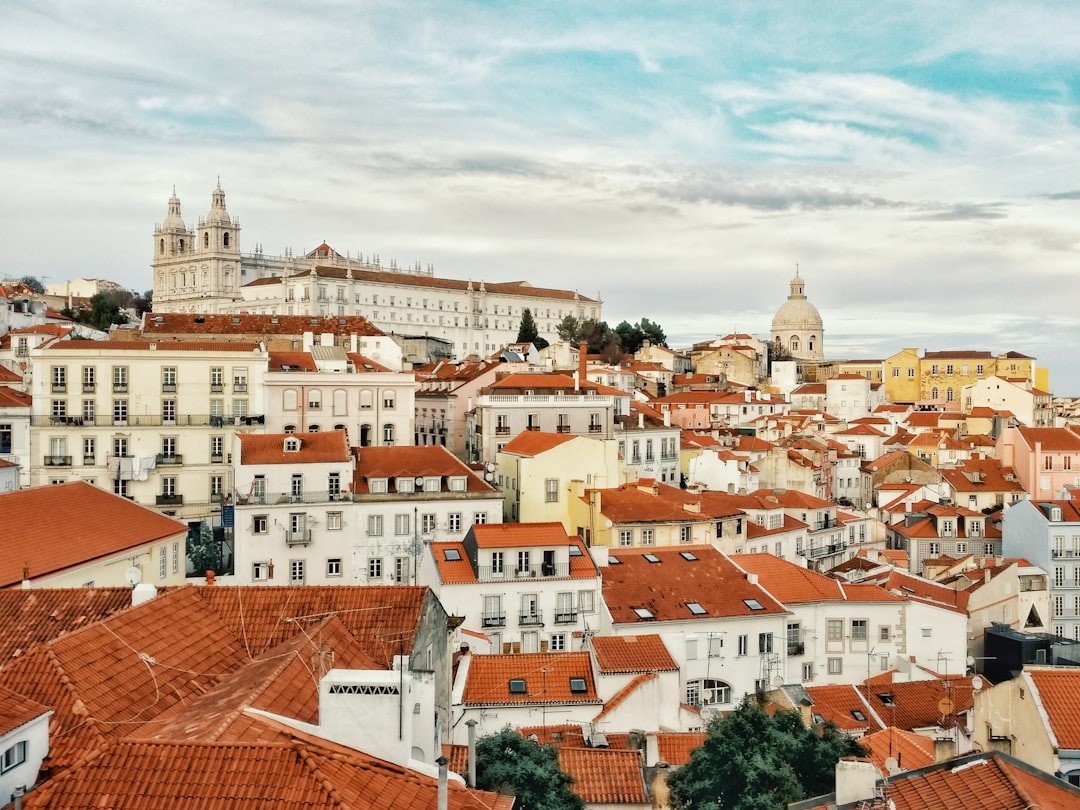
Fado — the uniquely Portuguese tradition of mournful, soulful song — is best experienced in small casas de fado in the Alfama neighbourhood of Lisbon, not in the larger tourist-facing fado restaurants near the main squares. The smaller venues have better music and more authentic atmosphere. Small casas de fado in Alfama outperform large tourist fado restaurants on every measure.
5. Dining Times
Portuguese lunch runs noon to 3pm; dinner starts from 7:30pm (restaurants fill from 8:30pm). The prato do dia (daily plate) — a main course, sometimes with bread and drink — is the best-value lunch option and what locals eat on weekdays. Prato do dia is the local lunch standard — better value than the à la carte menu.
6. Atlantic Coast Safety
Portugal's Atlantic coast has powerful waves, strong rip tides, and currents that are genuinely dangerous. Multiple tourist deaths occur each year from underestimating the ocean. Always swim between the flags (where lifeguards operate). The west-facing beaches north of Lisbon and along the Costa Vicentina are particularly powerful. Always swim between the flags — the Atlantic off Portugal is powerful and not forgiving.
7. Sintra Crowd Management
Sintra's UNESCO palaces (Pena Palace, Moorish Castle, Quinta da Regaleira) are very popular and require advance online booking in summer. The village and surrounding roads become severely congested — arrive early by train from Lisbon's Rossio station (40 minutes, very cheap). Take the train from Rossio station to Sintra — €4 return and far easier than driving.
8. Language
Portuguese is spoken throughout Portugal. English is widely spoken in Lisbon, Porto, and tourist areas. Spanish speakers can read Portuguese reasonably well but spoken Portuguese sounds very different from Spanish. Spoken Portuguese sounds very different from Spanish — do not assume Spanish will work.
9. Douro Valley
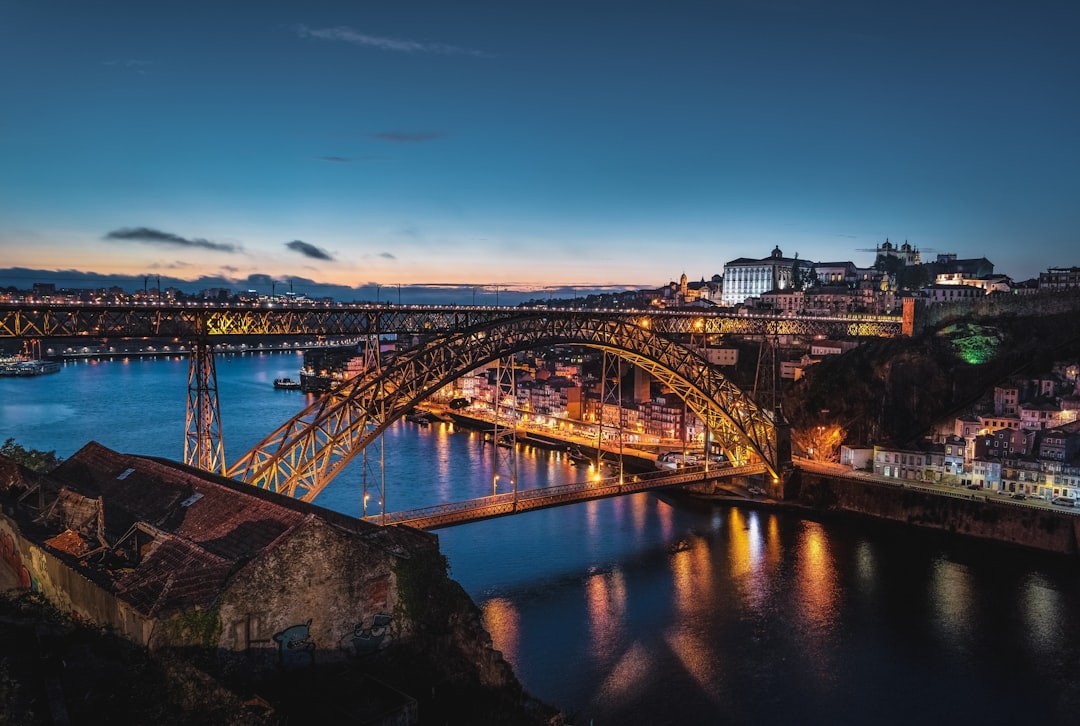
The Douro Valley wine region, where Port wine has been produced for centuries in terraced vineyards, is a UNESCO World Heritage Site. The river cruise from Porto to Pinhão is spectacular. Many quintas (wine estates) offer tastings and accommodation. Visit in September-October for the grape harvest. A Douro river cruise from Porto is one of the finest ways to see the valley.
10. Tipping
10% in restaurants is appreciated. Service is not always included — check the bill. In cafes, rounding up is standard. Taxi drivers appreciate rounding up. 10% in restaurants; check whether service is included before adding more.
Final Thoughts on Travelling in Portugal
The most important thing you can bring to Portugal is genuine curiosity and a willingness to engage with the country on its own terms. The practical tips above handle the logistics — entry, money, transport, customs. The quality of the experience beyond that depends on the attitude you bring: openness to the differences, patience with the unfamiliar, and respect for a culture that has its own valid way of doing things.
Where something seems inconvenient — later meal times, different tipping conventions, shops closed on certain days — it is worth remembering that these are features of a living culture, not failures to meet external expectations. Adapting to them, rather than working around them, consistently produces a richer experience.
Go with a flexible itinerary, the right practical foundation, and an appetite for what makes Portugal genuinely itself. That combination serves well in any country and particularly well here.