Things To Know About Romania
By: Straighter Mobile Team
Essential Travel Tips for Romania
Knowing a few key facts before arriving in Romania makes the difference between a trip full of small frustrations and one that runs smoothly from day one. Every country has its own practical rhythms — its approach to money, transport, greetings, tipping, and the unwritten rules that guidebooks sometimes skip. The tips below address what actually matters on the ground, fact-checked for accuracy.
Some of these tips are practical (entry requirements, currency, transport); some are cultural (greetings, dining times, hospitality customs); some are safety-related. All of them apply regardless of where you are travelling from. None of them are difficult once you know them — but they are easy to get wrong if you arrive with assumptions drawn from home.
Entry requirements and political situations can change. Always verify visa rules through your own government's official travel advisory before departure. Travel insurance is non-negotiable for any international trip — ensure yours covers your planned activities. With the basics in hand, you are free to direct your attention towards what makes Romania genuinely worth visiting.
Key Takeaways:
- Always verify current entry requirements through your government's official travel advisory
- Understand the local currency and whether cards or cash are expected before you arrive
- Even a single word in the local language changes how you are received
- Cultural norms around dining, tipping, and social behaviour are worth knowing in advance
- Safety-specific tips for Romania are included — read them before you go
Staying connected in Romania
Stay connected to the internet throughout Europe, including Romania, without worrying about expensive roaming fees with a Romania eSIM that lets you install a digital SIM in minutes and stay connected effortlessly as you travel.
10 Things to Know Before Visiting Romania
1. Visa and Entry
Romania is an EU member. It joined Schengen for air and sea borders in March 2024 — check current land border Schengen status. EU citizens enter freely. US, UK, Canadian, and Australian citizens can enter visa-free for up to 90 days. Check current Schengen land border status — Romania's integration was staged.
2. Currency: Leu, Not Euro
Romania uses the Romanian Leu (RON) despite being an EU member. Romania is one of the most affordable EU countries — a restaurant meal for two typically costs $15–25. Use bank ATMs. Avoid exchange offices near tourist attractions in Bucharest and Braşov. Leu not Euro; use bank ATMs — tourist-area exchange offices offer poor rates.
3. Dracula and Transylvania Reality
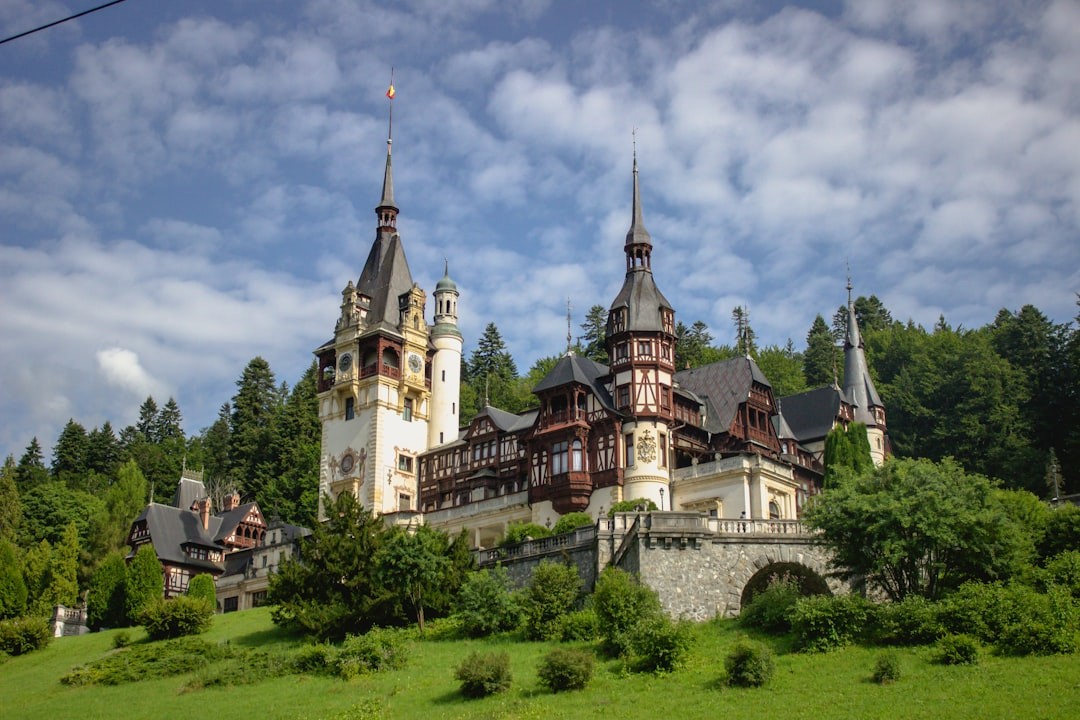
Transylvania is a real historical region in central Romania. Bran Castle is marketed as 'Dracula's Castle' but Vlad the Impaler's actual historical connection to it is tenuous. The castle in Târgoviște and Sighișoara (his birthplace) have stronger historical connections. Transylvania's genuine appeal lies in its Saxon fortified churches, medieval towns, and beautiful countryside. Bran Castle's Dracula connection is primarily marketing — Sighișoara and Viscri are more historically authentic.
4. Brown Bears
Romania has the largest brown bear population in Europe outside Russia. Bears have habituated to humans in some areas near mountain roads. Do not stop your car to photograph bears at close range. Make noise when hiking in dense Carpathian forest. Feeding bears — deliberately or through rubbish — is illegal. Do not stop for roadside bears — habituated bears are dangerous.
5. Painted Monasteries Access
The painted monasteries of Bucovina (Voroneț, Sucevița, Moldovița) are spread across northeast Romania. A car is the only practical way to visit multiple monasteries — public transport connections are limited. All monasteries are active communities requiring modest dress (covered shoulders and knees). A car is essential for visiting multiple Bucovina monasteries — public transport is very limited.
6. Driving Hazards
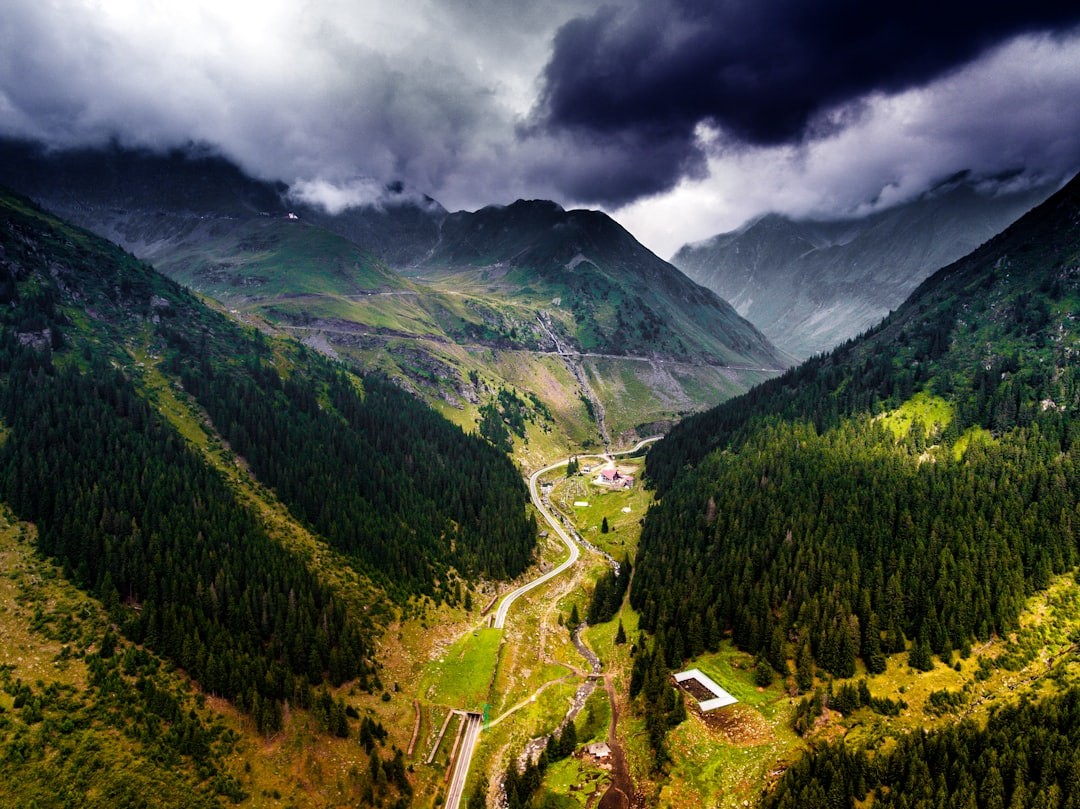
Romanian rural roads frequently have horse-drawn carts, livestock, and pedestrians. Speed cameras on main roads are extensive. The Transfăgărășan mountain road (spectacular but steep) is open June to October and requires a careful driver. International driving permit recommended. Horse-drawn carts and livestock on rural roads are common — allow extra stopping distance.
7. Language
Romanian is the only Romance language in Eastern Europe, descended from Latin. English is widely spoken in Bucharest, Cluj, and by younger Romanians. French is understood by older Romanians educated during the communist era. 'Mulțumesc' (thank you in Romanian) — any attempt is warmly received.
8. Food
Romanian cuisine centres on ciorba (sour soup, made with borsch fermented bran), sarmale (stuffed cabbage rolls), and mămăligă (cornmeal porridge). Local wine from Dealu Mare and Murfatlar is excellent quality at very low prices. Dealu Mare and Murfatlar red wines are excellent and cost a fraction of comparable French or Italian wines.
9. Bucharest Taxis
In Bucharest, use the Clever Taxi or Bolt apps for safe and fairly priced taxis. Street taxis at Gara de Nord and the airport overcharge significantly. Never change money on the street. Use Bolt or Clever Taxi in Bucharest — street taxis at the train station and airport routinely overcharge.
10. Tipping
10% in restaurants is standard and expected. Tips are genuinely meaningful given Romania's wage levels — service industry wages are among the lowest in the EU. 10% in restaurants; tips are genuinely significant by Romanian wage standards.
Final Thoughts on Travelling in Romania
The most important thing you can bring to Romania is genuine curiosity and a willingness to engage with the country on its own terms. The practical tips above handle the logistics — entry, money, transport, customs. The quality of the experience beyond that depends on the attitude you bring: openness to the differences, patience with the unfamiliar, and respect for a culture that has its own valid way of doing things.
Where something seems inconvenient — later meal times, different tipping conventions, shops closed on certain days — it is worth remembering that these are features of a living culture, not failures to meet external expectations. Adapting to them, rather than working around them, consistently produces a richer experience.
Go with a flexible itinerary, the right practical foundation, and an appetite for what makes Romania genuinely itself. That combination serves well in any country and particularly well here.