Things To Know About Slovak Republic
By: Straighter Mobile Team
Essential Travel Tips for Slovak Republic
Knowing a few key facts before arriving in Slovak Republic makes the difference between a trip full of small frustrations and one that runs smoothly from day one. Every country has its own practical rhythms — its approach to money, transport, greetings, tipping, and the unwritten rules that guidebooks sometimes skip. The tips below address what actually matters on the ground, fact-checked for accuracy.
Some of these tips are practical (entry requirements, currency, transport); some are cultural (greetings, dining times, hospitality customs); some are safety-related. All of them apply regardless of where you are travelling from. None of them are difficult once you know them — but they are easy to get wrong if you arrive with assumptions drawn from home.
Entry requirements and political situations can change. Always verify visa rules through your own government's official travel advisory before departure. Travel insurance is non-negotiable for any international trip — ensure yours covers your planned activities. With the basics in hand, you are free to direct your attention towards what makes Slovak Republic genuinely worth visiting.
Key Takeaways:
- Always verify current entry requirements through your government's official travel advisory
- Understand the local currency and whether cards or cash are expected before you arrive
- Even a single word in the local language changes how you are received
- Cultural norms around dining, tipping, and social behaviour are worth knowing in advance
- Safety-specific tips for Slovak Republic are included — read them before you go
Staying connected in Slovak Republic
Stay connected to the internet throughout Europe, including Slovak Republic, without worrying about expensive roaming fees with a Slovak Republic eSIM that lets you install a digital SIM in minutes and stay connected effortlessly as you travel.
10 Things to Know Before Visiting Slovak Republic
1. Visa and Entry
Slovakia is a Schengen member and uses the Euro. EU citizens enter freely. US, UK, Canadian, and Australian citizens can enter visa-free for up to 90 days within the Schengen 180-day period. Euro currency; Schengen rules apply.
2. Costs
Slovakia is one of the more affordable Schengen countries — notably cheaper than Austria or Germany while offering comparable quality. A restaurant meal in Bratislava typically costs $12–20 per person. More affordable than Austria or Germany; excellent value for money.
3. Language
Slovak is closely related to Czech — the two languages are mutually intelligible. English is widely spoken in Bratislava and tourist areas. German is useful near the Austrian border. 'Ďakujem' (thank you, pronounced 'jah-KOO-yem') is appreciated. 'Ďakujem' (thank you) — Slovak people appreciate any attempt at the language.
4. Bratislava Day Trips
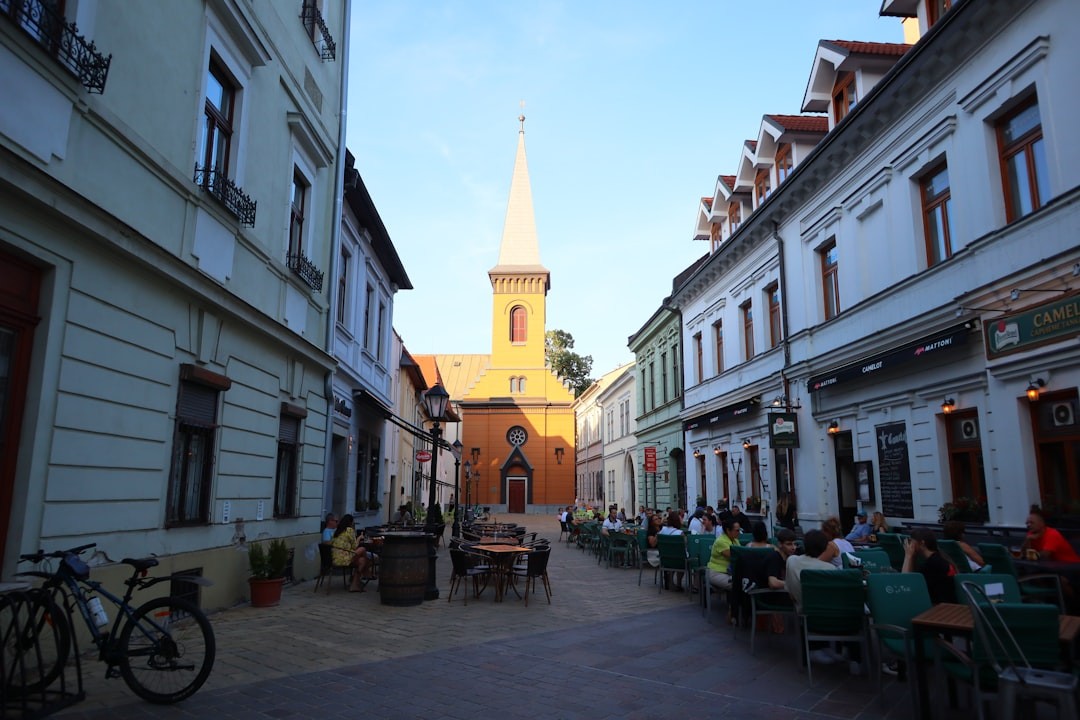
Bratislava is approximately 60km from Vienna and is often visited as a day trip — which underestimates the city. Staying overnight gives access to a genuinely excellent restaurant and bar scene after the day-trippers return to Vienna. The old town is compact and very walkable. Stay overnight — Bratislava's best restaurants fill at 7pm with locals after day-trippers leave.
5. Spis Castle Access
Spis Castle (Spišský hrad), the largest castle complex in Central Europe by area, is 3 hours from Bratislava in eastern Slovakia. A moderate hike from the car park to the castle entrance is required. The views over the Spis landscape are extraordinary. Spis Castle requires a moderate uphill hike from the car park — worth every step.
6. High Tatras Safety
The High Tatras are small but very steep — the highest peak (Gerlachovský štít, 2,655m) requires a licensed mountain guide. Weather changes rapidly and significantly. Check the SHMU (Slovak Hydrometeorological Institute) forecast before any high-level hiking. Proper equipment is essential. High Tatras weather changes fast — always check SHMU forecast before heading above the tree line.
7. Bryndza Cheese
Bryndza is a soft sheep's milk cheese and the key ingredient in Slovakia's national dish — bryndzové halušky (potato dumplings with sheep cheese and bacon). Fresh bryndza from market producers is significantly better than the commercially packaged version. Buy fresh bryndza from a market — it is completely different from the packaged version.
8. Slovak Wine
Slovakia produces excellent wines in the Small Carpathians wine region north of Bratislava (Modra, Pezinok) and in the Tokaj appellation in the east (shared with Hungary). Slovak wine is little-known internationally and offers exceptional quality at low prices. Small Carpathians wines from Modra and Pezinok are excellent and very affordable.
9. Folk Traditions
Slovak folk culture is genuine and living, particularly in the central and eastern regions. Traditional music, costumes, and crafts appear at numerous summer festivals. The Folkfest Vychodna in early July is the largest folk festival. Slovak folk culture is living, not museum-piece — festivals in summer are genuinely traditional.
10. Tipping
10% in restaurants is standard. Efficient and friendly service is the norm in Slovakia. Rounding up in cafes is appropriate. 10% in restaurants; Slovak service is professional and efficient.
Final Thoughts on Travelling in Slovak Republic
The most important thing you can bring to Slovak Republic is genuine curiosity and a willingness to engage with the country on its own terms. The practical tips above handle the logistics — entry, money, transport, customs. The quality of the experience beyond that depends on the attitude you bring: openness to the differences, patience with the unfamiliar, and respect for a culture that has its own valid way of doing things.
Where something seems inconvenient — later meal times, different tipping conventions, shops closed on certain days — it is worth remembering that these are features of a living culture, not failures to meet external expectations. Adapting to them, rather than working around them, consistently produces a richer experience.
Go with a flexible itinerary, the right practical foundation, and an appetite for what makes Slovak Republic genuinely itself. That combination serves well in any country and particularly well here.