Things To Know About Spain
By: Straighter Mobile Team
Essential Travel Tips for Spain
Knowing a few key facts before arriving in Spain makes the difference between a trip full of small frustrations and one that runs smoothly from day one. Every country has its own practical rhythms — its approach to money, transport, greetings, tipping, and the unwritten rules that guidebooks sometimes skip. The tips below address what actually matters on the ground, fact-checked for accuracy.
Some of these tips are practical (entry requirements, currency, transport); some are cultural (greetings, dining times, hospitality customs); some are safety-related. All of them apply regardless of where you are travelling from. None of them are difficult once you know them — but they are easy to get wrong if you arrive with assumptions drawn from home.
Entry requirements and political situations can change. Always verify visa rules through your own government's official travel advisory before departure. Travel insurance is non-negotiable for any international trip — ensure yours covers your planned activities. With the basics in hand, you are free to direct your attention towards what makes Spain genuinely worth visiting.
Key Takeaways:
- Always verify current entry requirements through your government's official travel advisory
- Understand the local currency and whether cards or cash are expected before you arrive
- Even a single word in the local language changes how you are received
- Cultural norms around dining, tipping, and social behaviour are worth knowing in advance
- Safety-specific tips for Spain are included — read them before you go
Staying connected in Spain
Stay connected to the internet throughout Europe, including Spain, without worrying about expensive roaming fees with a Spain eSIM that lets you install a digital SIM in minutes and stay connected effortlessly as you travel.
10 Things to Know Before Visiting Spain
1. Visa and Entry
Spain is a Schengen member. EU citizens enter freely. US, UK, Canadian, and Australian citizens can enter visa-free for up to 90 days within the Schengen 180-day period. Schengen rules apply — count days carefully if visiting multiple Schengen countries.
2. Meal Times Are Non-Negotiable
Spanish meal times are genuinely different: lunch runs 2–4pm and is the main meal of the day; dinner from 9pm, with restaurants filling from 10pm. Arriving for dinner at 7pm means eating in an empty restaurant or being offered a tourist menu. Adapting to Spanish timing transforms the food experience. Dinner before 9pm in Spain means eating with other tourists — wait for the Spanish hour.
3. Regional Identity
Spain's regions (Catalonia, Basque Country, Galicia, Andalusia) have deeply distinct cultures, languages, and identities. Calling all of Spain 'Spain' to a Catalan nationalist, or speaking Castilian Spanish in a rural Basque bar, can generate a cool response. Being respectful of regional identities is important. Never call the whole country 'Spain' when speaking to a Catalan or Basque person — regional identity is felt deeply.
4. Siesta Reality
The siesta is genuine in smaller towns and the south — shops close approximately 2–5pm. In major cities, large shops remain open, but many local businesses still close. The trade-off: Spanish commercial life extends to 8–9pm, when shops reopen. Shops close 2–5pm in smaller towns; this is not inconvenient if you plan for it.
5. Alhambra and Sagrada Familia
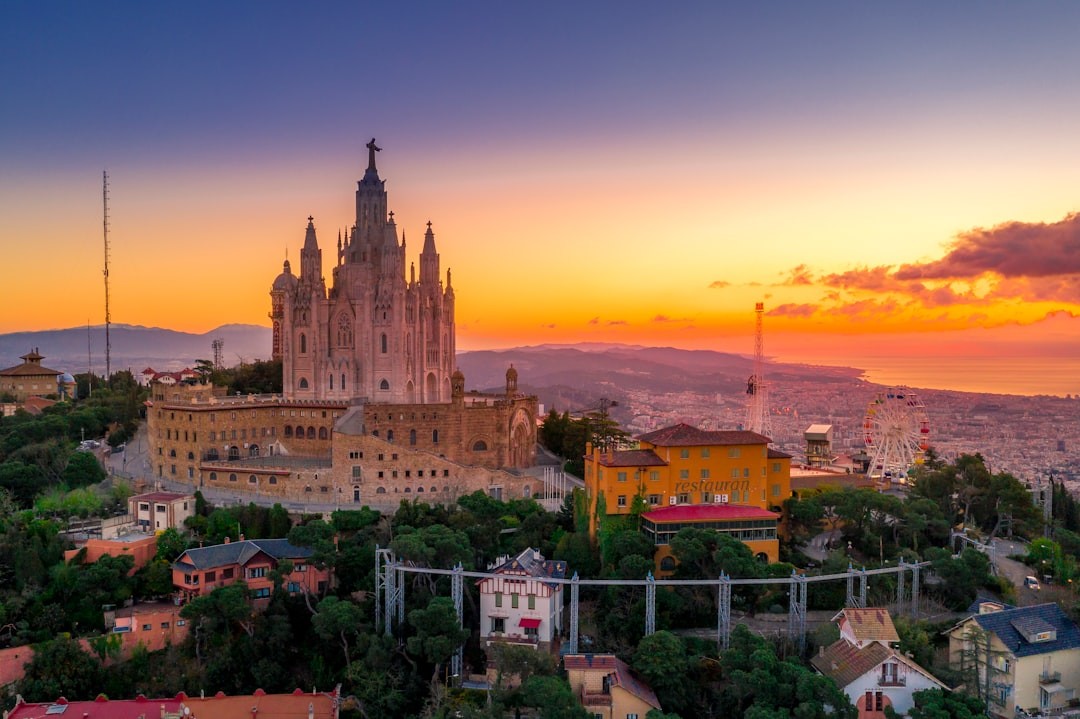
The Alhambra in Granada and the Sagrada Familia in Barcelona both require advance online booking — sometimes months ahead in high season. Walk-up entry in summer is essentially impossible. This applies to specific time slots, not just general admission. Book Alhambra and Sagrada Familia months ahead — same-day tickets do not exist in summer.
6. Tapas Culture
Tapas vary by region: in Andalusia, tapas are often free with drinks (order a drink, receive a free small dish — a practice not always known to tourists). In the Basque Country, they are pintxos (elaborate bites on bread). Eat at the bar for the authentic experience. In Andalusia, order a drink and often receive a free tapa — this is not widely known outside Spain.
7. Language and Regions
Castilian Spanish is official throughout Spain. Catalan, Basque (Euskara), and Galician are official in their respective regions. English is widely spoken in tourist areas. Using local regional greetings (Kaixo in Basque, Gràcies in Catalan) is appreciated. 'Gràcies' in Catalonia and 'Eskerrik asko' in the Basque Country are both appreciated.
8. AVE High-Speed Rail
Spain's AVE high-speed rail network connects Madrid with Barcelona (2.5 hrs), Seville (2.5 hrs), and Valencia. Book on renfe.com well in advance for the best prices — last-minute tickets cost significantly more. Book AVE tickets on renfe.com weeks ahead — prices increase substantially closer to departure.
9. Sun Safety
Southern Spain receives intense ultraviolet radiation. Temperatures above 40°C are regular in Andalusia in July and August. Factor 50 sunscreen, significant hydration, and avoiding outdoor activity between noon and 4pm are not optional measures in high summer. 40°C+ is common in southern Spain in summer — midday outdoor activity is genuinely dangerous.
10. Tipping
5–10% in restaurants is appreciated. In bars, leave the small change from your round. In Andalusia where tapas may be free with drinks, tipping is particularly appreciated. No strong obligation exists. 5–10% appreciated; leave bar change; tip generously in Andalusia where tapas are free.
Final Thoughts on Travelling in Spain
The most important thing you can bring to Spain is genuine curiosity and a willingness to engage with the country on its own terms. The practical tips above handle the logistics — entry, money, transport, customs. The quality of the experience beyond that depends on the attitude you bring: openness to the differences, patience with the unfamiliar, and respect for a culture that has its own valid way of doing things.
Where something seems inconvenient — later meal times, different tipping conventions, shops closed on certain days — it is worth remembering that these are features of a living culture, not failures to meet external expectations. Adapting to them, rather than working around them, consistently produces a richer experience.
Go with a flexible itinerary, the right practical foundation, and an appetite for what makes Spain genuinely itself. That combination serves well in any country and particularly well here.