Things To Know About Sweden
By: Straighter Mobile Team
Essential Travel Tips for Sweden
Knowing a few key facts before arriving in Sweden makes the difference between a trip full of small frustrations and one that runs smoothly from day one. Every country has its own practical rhythms — its approach to money, transport, greetings, tipping, and the unwritten rules that guidebooks sometimes skip. The tips below address what actually matters on the ground, fact-checked for accuracy.
Some of these tips are practical (entry requirements, currency, transport); some are cultural (greetings, dining times, hospitality customs); some are safety-related. All of them apply regardless of where you are travelling from. None of them are difficult once you know them — but they are easy to get wrong if you arrive with assumptions drawn from home.
Entry requirements and political situations can change. Always verify visa rules through your own government's official travel advisory before departure. Travel insurance is non-negotiable for any international trip — ensure yours covers your planned activities. With the basics in hand, you are free to direct your attention towards what makes Sweden genuinely worth visiting.
Key Takeaways:
- Always verify current entry requirements through your government's official travel advisory
- Understand the local currency and whether cards or cash are expected before you arrive
- Even a single word in the local language changes how you are received
- Cultural norms around dining, tipping, and social behaviour are worth knowing in advance
- Safety-specific tips for Sweden are included — read them before you go
Staying connected in Sweden
Stay connected to the internet throughout Europe, including Sweden, without worrying about expensive roaming fees with a Sweden eSIM that lets you install a digital SIM in minutes and stay connected effortlessly as you travel.
10 Things to Know Before Visiting Sweden
1. Visa and Entry
Sweden is a Schengen member. EU citizens enter freely. US, UK, Canadian, and Australian citizens can enter visa-free for up to 90 days within the Schengen 180-day period. Sweden uses the Swedish Krona (SEK). SEK not Euro; Schengen rules apply.
2. Cashless Society
Sweden is one of the most cashless countries in the world — many shops, restaurants, cafes, and even museums no longer accept cash. Cards and contactless payment are always the reliable option. Never rely on being able to pay with notes. Many Swedish venues do not accept cash at all — always bring a card.
3. Cost of Travel
Sweden is one of the most expensive countries in Europe. A restaurant meal in Stockholm costs $30–60, a beer $8–14. Self-catering from ICA Maxi or Lidl supermarkets significantly reduces costs. Many of Sweden's finest experiences — forests, the archipelago by kayak, hiking — are entirely free. Self-catering from Lidl or ICA is essential for budget management in Sweden.
4. Allemansrätten
Sweden's allemannsrätten (right of public access) gives everyone the legal right to roam freely in nature — forests, mountains, coastline — and to camp for two consecutive nights in one spot. Berries and mushrooms can be picked freely. Stay 70m from buildings (Sweden's rule is less strict than Norway's). You can camp anywhere in Swedish nature for 2 nights — a legal right for everyone.
5. Fika
Fika (coffee and cake break, taken as a social ritual) is a genuine and important Swedish institution — not a marketing concept. It is taken once or twice daily as a deliberate pause. A kanelbulle (cinnamon bun) is the classic accompaniment. Participate in any Swedish fika you are invited to. Fika with a kanelbulle (cinnamon bun) is a genuine Swedish social ritual — participate whenever possible.
6. Midsommar Booking
Midsommar (Friday between 19–25 June) is the most important Swedish celebration of the year. The country essentially shuts down. Book accommodation months in advance — most Swedes go to summer cabins and hotel availability collapses. Midsommar accommodation must be booked months ahead — the country shuts down for the long weekend.
7. Language
English is spoken at a world-leading standard by virtually all Swedes. Sweden ranks consistently first or second globally for English proficiency as a second language. 'Tack' (thank you) — one word worth knowing; everything else works in English.
8. Systembolaget
Wine and spirits are sold exclusively through state-owned Systembolaget shops (closed Sundays and public holidays). Supermarkets sell beer below 3.5% ABV only. Restaurant alcohol is very expensive. Pre-purchase from Systembolaget on Saturday if visiting over the weekend. Systembolaget is closed Sundays — buy wine or spirits on Saturday if you need them for the weekend.
9. Lapland Access
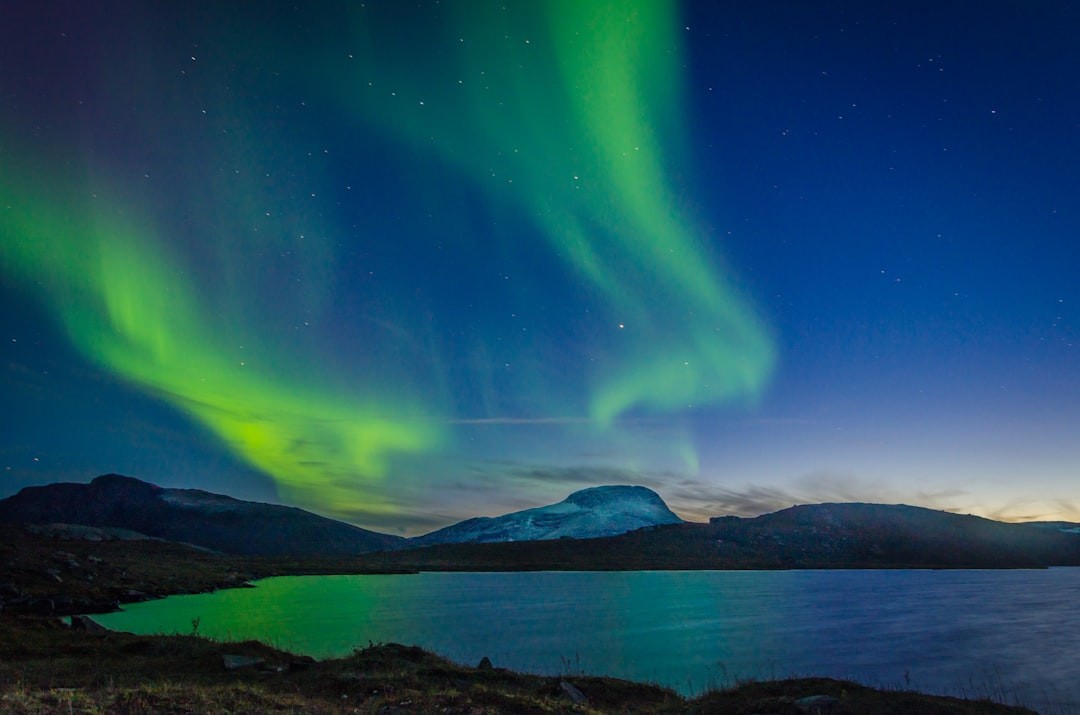
Swedish Lapland requires a flight (about 2 hours from Stockholm) or a very long train journey (overnight sleeper to Abisko, 18+ hours on SJ). The Icehotel at Jukkasjärvi is 2km from Kiruna airport. In winter, dress for -20°C or colder. Fly to Kiruna for Lapland — the overnight train is atmospheric but takes 18+ hours.
10. Tipping
Tipping is not obligatory in Sweden. Service staff earn good Swedish wages. Rounding up is appreciated but no social pressure exists. No tipping obligation — Swedish wages are fair without relying on tips.
Final Thoughts on Travelling in Sweden
The most important thing you can bring to Sweden is genuine curiosity and a willingness to engage with the country on its own terms. The practical tips above handle the logistics — entry, money, transport, customs. The quality of the experience beyond that depends on the attitude you bring: openness to the differences, patience with the unfamiliar, and respect for a culture that has its own valid way of doing things.
Where something seems inconvenient — later meal times, different tipping conventions, shops closed on certain days — it is worth remembering that these are features of a living culture, not failures to meet external expectations. Adapting to them, rather than working around them, consistently produces a richer experience.
Go with a flexible itinerary, the right practical foundation, and an appetite for what makes Sweden genuinely itself. That combination serves well in any country and particularly well here.