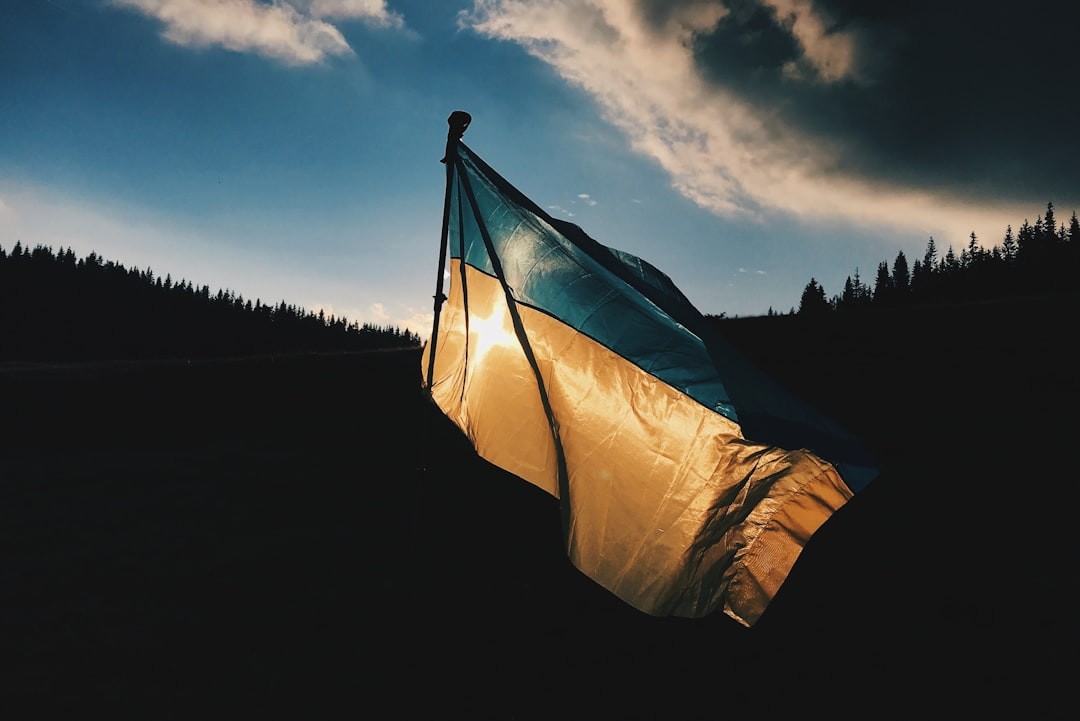
Things To Know About Ukraine
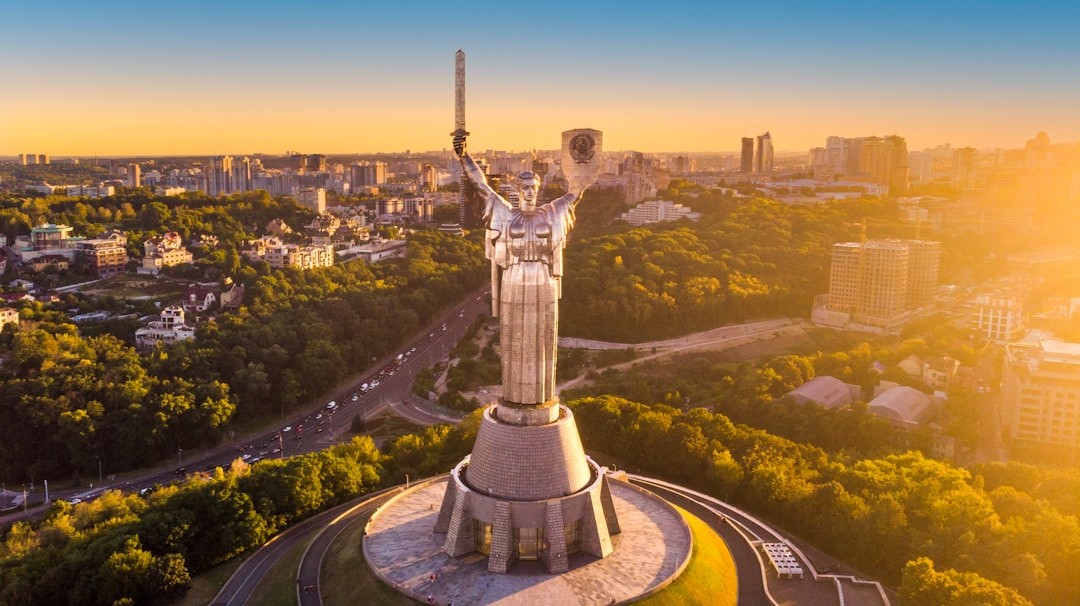
By: Straighter Mobile Team
Essential Travel Tips for Ukraine
Knowing a few key facts before arriving in Ukraine makes the difference between a trip full of small frustrations and one that runs smoothly from day one. Every country has its own practical rhythms — its approach to money, transport, greetings, tipping, and the unwritten rules that guidebooks sometimes skip. The tips below address what actually matters on the ground, fact-checked for accuracy.
Some of these tips are practical (entry requirements, currency, transport); some are cultural (greetings, dining times, hospitality customs); some are safety-related. All of them apply regardless of where you are travelling from. None of them are difficult once you know them — but they are easy to get wrong if you arrive with assumptions drawn from home.
Entry requirements and political situations can change. Always verify visa rules through your own government's official travel advisory before departure. Travel insurance is non-negotiable for any international trip — ensure yours covers your planned activities. With the basics in hand, you are free to direct your attention towards what makes Ukraine genuinely worth visiting.
Key Takeaways:
- Always verify current entry requirements through your government's official travel advisory
- Understand the local currency and whether cards or cash are expected before you arrive
- Even a single word in the local language changes how you are received
- Cultural norms around dining, tipping, and social behaviour are worth knowing in advance
- Safety-specific tips for Ukraine are included — read them before you go
Staying connected in Ukraine
Stay connected to the internet throughout Europe, including Ukraine, without worrying about expensive roaming fees with a Ukraine eSIM that lets you install a digital SIM in minutes and stay connected effortlessly as you travel.
10 Things to Know Before Visiting Ukraine
1. Safety First
Ukraine has been under Russian military attack since February 2022. Active conflict continues, with missile and drone strikes affecting civilian infrastructure throughout the country including cities far from the front lines. Most Western governments advise against all travel. Check your government's official travel advisory before making any decision. CHECK your government's travel advisory — most recommend against all travel to Ukraine.
2. Western Ukraine Access
If travelling for humanitarian, journalistic, or official purposes, western Ukraine — particularly Lviv, Uzhhorod, and Chernivtsi — is more accessible and significantly less at risk than central or eastern Ukraine. Lviv is connected to Poland by frequent trains and has maintained cultural and tourism infrastructure throughout the conflict. Lviv (western Ukraine, near Poland) is the most accessible destination for authorised visitors.
3. Air Raid Protocol
Air raid sirens sound regularly even in Kyiv and western cities well behind the front lines. Upon hearing sirens, move immediately to the nearest shelter — metro stations, building basements, or designated shelter points. Download the Kyiv Digital app for real-time air raid alerts. Download Kyiv Digital app before entry — it provides real-time air raid alerts for your location.
4. Register With Your Embassy
Register your presence in Ukraine with your national embassy before arrival. Keep the embassy's emergency contact number saved and readily accessible. Follow your embassy's updates throughout your stay. Embassy registration before arriving in Ukraine is essential, not optional.
5. Currency
Ukraine uses the Ukrainian Hryvnia (UAH). Ukraine is very affordable — a restaurant meal for two rarely exceeds $15–20. Cards work in Kyiv and Lviv. Carry some cash for smaller towns and transport. Very affordable; cards in Kyiv and Lviv; carry cash for smaller towns.
6. Language
Ukrainian is the official language and its use has increased significantly since 2022 — it is now a matter of national identity. Russian is widely understood but increasingly avoided in western Ukraine. English is spoken by younger Ukrainians in cities. 'Дякую' (Dyakuyu — thank you) is always appreciated. 'Dyakuyu' (thank you in Ukrainian) — using Ukrainian rather than Russian is appreciated and respectful.
7. Lviv Culture
Lviv in western Ukraine near the Polish border has continued to operate its cultural life, restaurants, and tourism infrastructure throughout the war. Its Habsburg-era old town is UNESCO-listed and remarkably intact. It is the most viable destination for cultural tourism currently. Lviv's cultural life continues — its Habsburg old town is one of the finest in Eastern Europe.
8. Polish Border Entry
The most common entry route for international visitors is by train or bus from Poland (Przemyśl to Lviv is approximately 2 hours). Border crossing wait times can be significant. The Kyiv Boryspil Airport operates but flight availability from Western countries is limited. Przemyśl (Poland) to Lviv by train or bus — the most practical current entry route.
9. Supporting Ukraine
One of the most meaningful ways to engage is to support Ukrainian cultural businesses, restaurants, and artisans. Ukrainian ceramics, embroidery (vyshyvanka), and cultural exports have experienced a global renaissance since 2022. Spending in Ukrainian businesses and buying Ukrainian cultural products supports the economy.
10. Medical Preparation
Carry a comprehensive first aid kit. Ensure travel insurance includes medical evacuation. Healthcare infrastructure, particularly in areas near the conflict zone, has been significantly affected. Lviv retains functioning medical facilities. Travel insurance with medical evacuation is essential; carry a comprehensive first aid kit.
Final Thoughts on Travelling in Ukraine
The most important thing you can bring to Ukraine is genuine curiosity and a willingness to engage with the country on its own terms. The practical tips above handle the logistics — entry, money, transport, customs. The quality of the experience beyond that depends on the attitude you bring: openness to the differences, patience with the unfamiliar, and respect for a culture that has its own valid way of doing things.
Where something seems inconvenient — later meal times, different tipping conventions, shops closed on certain days — it is worth remembering that these are features of a living culture, not failures to meet external expectations. Adapting to them, rather than working around them, consistently produces a richer experience.
Go with a flexible itinerary, the right practical foundation, and an appetite for what makes Ukraine genuinely itself. That combination serves well in any country and particularly well here.