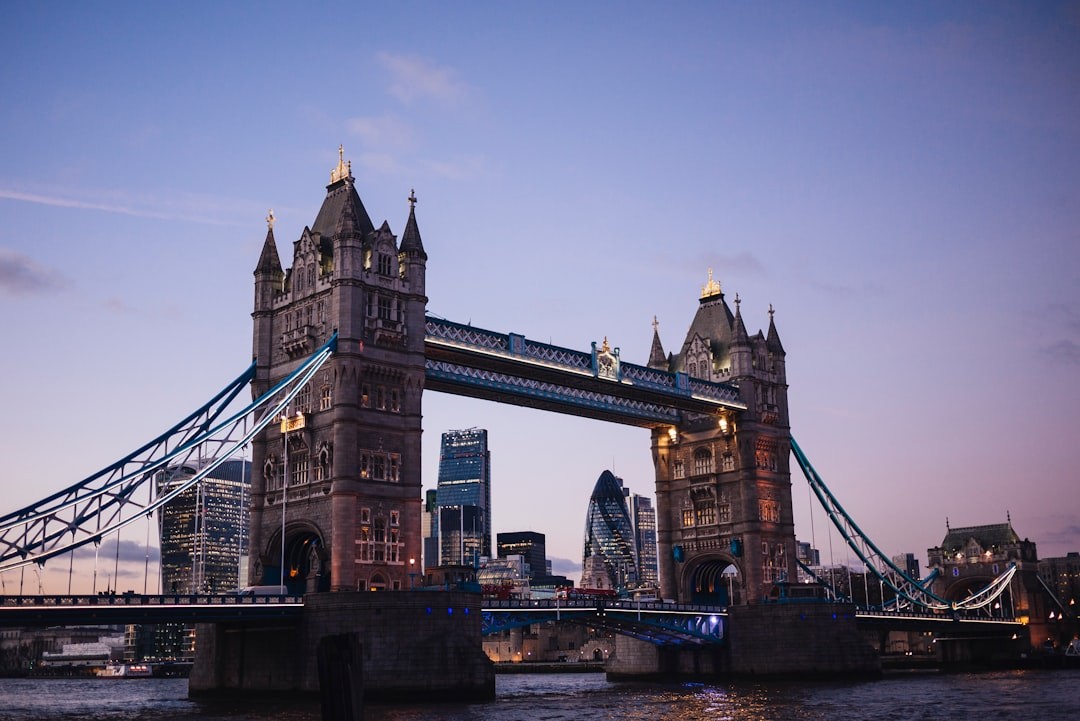
Things To Know About United Kingdom
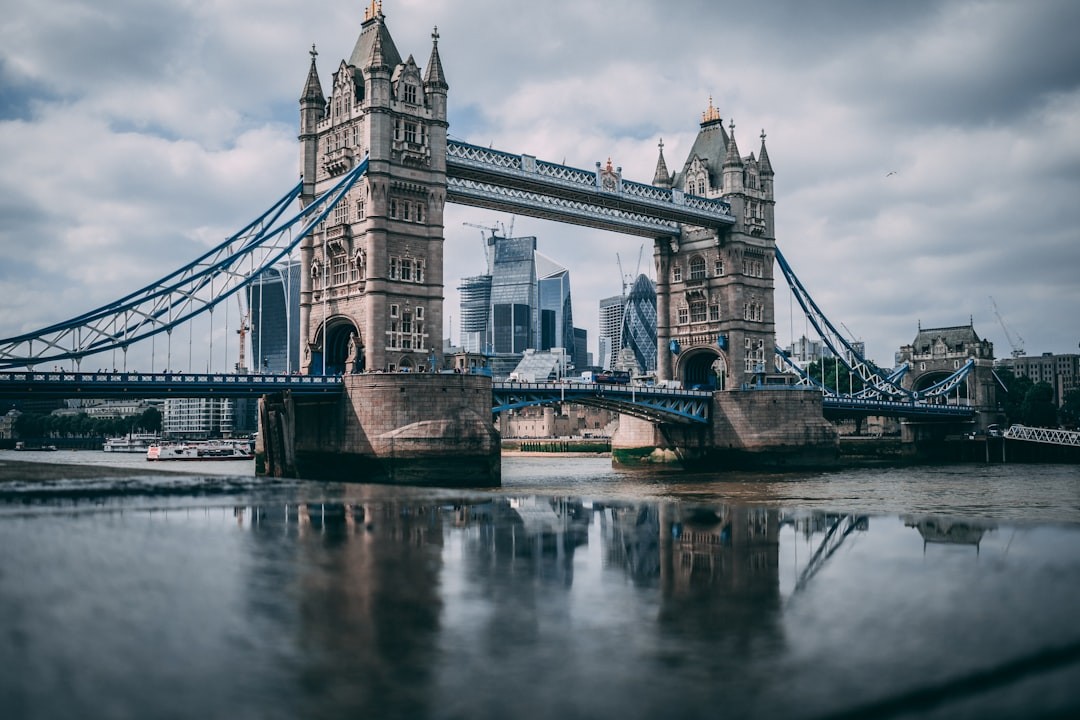
By: Straighter Mobile Team
Essential Travel Tips for United Kingdom
Knowing a few key facts before arriving in United Kingdom makes the difference between a trip full of small frustrations and one that runs smoothly from day one. Every country has its own practical rhythms — its approach to money, transport, greetings, tipping, and the unwritten rules that guidebooks sometimes skip. The tips below address what actually matters on the ground, fact-checked for accuracy.
Some of these tips are practical (entry requirements, currency, transport); some are cultural (greetings, dining times, hospitality customs); some are safety-related. All of them apply regardless of where you are travelling from. None of them are difficult once you know them — but they are easy to get wrong if you arrive with assumptions drawn from home.
Entry requirements and political situations can change. Always verify visa rules through your own government's official travel advisory before departure. Travel insurance is non-negotiable for any international trip — ensure yours covers your planned activities. With the basics in hand, you are free to direct your attention towards what makes United Kingdom genuinely worth visiting.
Key Takeaways:
- Always verify current entry requirements through your government's official travel advisory
- Understand the local currency and whether cards or cash are expected before you arrive
- Even a single word in the local language changes how you are received
- Cultural norms around dining, tipping, and social behaviour are worth knowing in advance
- Safety-specific tips for United Kingdom are included — read them before you go
Staying connected in United Kingdom
Stay connected to the internet throughout Europe, including United Kingdom, without worrying about expensive roaming fees with a United Kingdom eSIM that lets you install a digital SIM in minutes and stay connected effortlessly as you travel.
10 Things to Know Before Visiting United Kingdom
1. Visa and Entry
The UK is NOT part of Schengen and operates its own entry system. EU citizens can visit visa-free for up to 6 months as visitors. US, Canadian, and Australian citizens can also visit visa-free for up to 6 months. UK citizens and EU/EEA citizens can travel freely within the UK-Ireland Common Travel Area. NOT Schengen — UK operates its own entry system; EU/US/Canada/Australia: 6 months visa-free.
2. Currency
The UK uses Pound Sterling (GBP). Northern Ireland, Scotland, and England/Wales all use GBP, though Scottish and Northern Irish banknotes may be refused by some English shops — use cards to avoid this. The UK is highly cashless; contactless payment is the standard method. Scottish/NI banknotes may be refused in English shops — always carry a card.
3. Driving on the Left
The UK drives on the LEFT. Speed limits are in MILES per hour. Motorway speed limit is 70mph. Roundabouts: give way to traffic already on the roundabout (coming from your right). An international driving permit is not required for most visitors. LEFT-side driving; speed in MILES not km/h; give way to the right at roundabouts.
4. Emergency Numbers
The emergency number is 999 (not 112, though 112 also connects). Non-emergency medical: 111. Police non-emergency: 101. The NHS provides emergency treatment to all visitors free at point of use. Travel insurance is needed for non-emergency treatment. Emergency is 999 (not 112); NHS emergency treatment is free for everyone.
5. Pub Culture
Order and pay at the bar (not table service unless stated). Round-buying in a group is the norm — each person buys a round in turn. Never tip the bar staff at a pub — offer to buy them a drink instead if you wish to show appreciation. No tip at the pub bar — offer to buy the barman a drink instead.
6. Queuing
Jumping a queue (cutting in ahead of people who are already waiting) is one of the most antisocial acts in British public life. Always join the back. This applies universally — bus stops, attractions, shops, anywhere people are waiting. Queue-jumping is taken more seriously in Britain than almost anywhere else — always join the back.
7. Free Museums
The major national museums in London — British Museum, National Gallery, Natural History Museum, Victoria and Albert Museum, Tate Modern, Tate Britain — are all free to enter (permanent collections). This is extraordinary by global standards. London's major national museums are FREE — the British Museum and National Gallery charge nothing.
8. Regional Differences
Never call the whole UK 'England' — it is mildly offensive to Scottish, Welsh, and Northern Irish people. Scotland, Wales, and Northern Ireland have distinct cultures, legal systems (Scotland), and languages (Welsh and Scottish Gaelic are living languages). The UK is four countries — 'England' and 'Britain' and 'UK' are not interchangeable.
9. Weather
British weather is unpredictable year-round. Rain is possible on any day. The forecast is accurate for about 24 hours. A compact waterproof jacket is essential travel kit regardless of season. Carry a compact waterproof at all times — the forecast for tomorrow is not reliable in Britain.
10. Tipping
10–12.5% in sit-down restaurants is standard. Check the bill — service charges are sometimes already included. No tip is expected at pub bars. Taxi drivers appreciate rounding up. 10–12.5% in restaurants; check if service charge is already on the bill before adding more.
Final Thoughts on Travelling in United Kingdom
The most important thing you can bring to United Kingdom is genuine curiosity and a willingness to engage with the country on its own terms. The practical tips above handle the logistics — entry, money, transport, customs. The quality of the experience beyond that depends on the attitude you bring: openness to the differences, patience with the unfamiliar, and respect for a culture that has its own valid way of doing things.
Where something seems inconvenient — later meal times, different tipping conventions, shops closed on certain days — it is worth remembering that these are features of a living culture, not failures to meet external expectations. Adapting to them, rather than working around them, consistently produces a richer experience.
Go with a flexible itinerary, the right practical foundation, and an appetite for what makes United Kingdom genuinely itself. That combination serves well in any country and particularly well here.