Best Places To Visit in Albania
By: Straighter Mobile Team
The Best Places to Visit in Albania
Albania is the kind of destination that rewards the traveller who arrives with curiosity and flexibility. For decades closed to the outside world under one of Europe's most isolationist communist regimes, it has emerged into the modern travel era with its landscapes largely unspoiled and its towns carrying an authentic character that more visited destinations lost long ago. The result is a country of extraordinary variety compressed into a small space, where snow-capped mountain ranges, Ottoman-era towns, Byzantine monasteries, and turquoise Adriatic coves exist within a few hours of each other.
What makes Albania particularly compelling is the sheer density of experience available at a price point that remains among the lowest in Europe. A full day of sightseeing, a good meal, and a comfortable bed can be had for what a single restaurant lunch might cost in Western Europe, and the quality of the food, the accommodation, and the experience has been improving rapidly as a new generation of Albanian entrepreneurs invests in their country's tourism potential.
The places listed below have been chosen for their combination of historical significance, natural beauty, and the quality of the traditional experience they offer. Some are well known within Albania and the Balkans but remain largely undiscovered by international visitors. Others are genuinely off the radar, accessible only with a little research and a willingness to navigate roads that do not always appear on standard maps. All of them are worth the effort.
Albania is extremely accessible from Western Europe, with flights to Tirana from most major hubs and an improving network of road connections to neighbouring countries. The country is safe for visitors, the people are genuinely friendly, and the English language is increasingly spoken by younger Albanians in the cities and tourist areas.
Key Takeaways:
- Albania is one of Europe's most affordable destinations with excellent value across accommodation, food, and entry fees
- The country divides naturally between the Ottoman-heritage towns of the interior and the Mediterranean coastline of the south
- The Albanian Alps in the north offer some of the finest mountain scenery and trekking in the Western Balkans
- Most sites have low or no entry fees, making it easy to experience a great deal without a large budget
- The best time to visit is May to October, with spring and early autumn offering the most comfortable conditions
Staying connected in Albania
Stay connected to the internet throughout Europe, including Albania, without worrying about expensive roaming fees with a Albania eSIM that lets you install a digital SIM in minutes and stay connected effortlessly as you travel.
10 Best Places to Visit in Albania
1. Berat — The City of a Thousand Windows
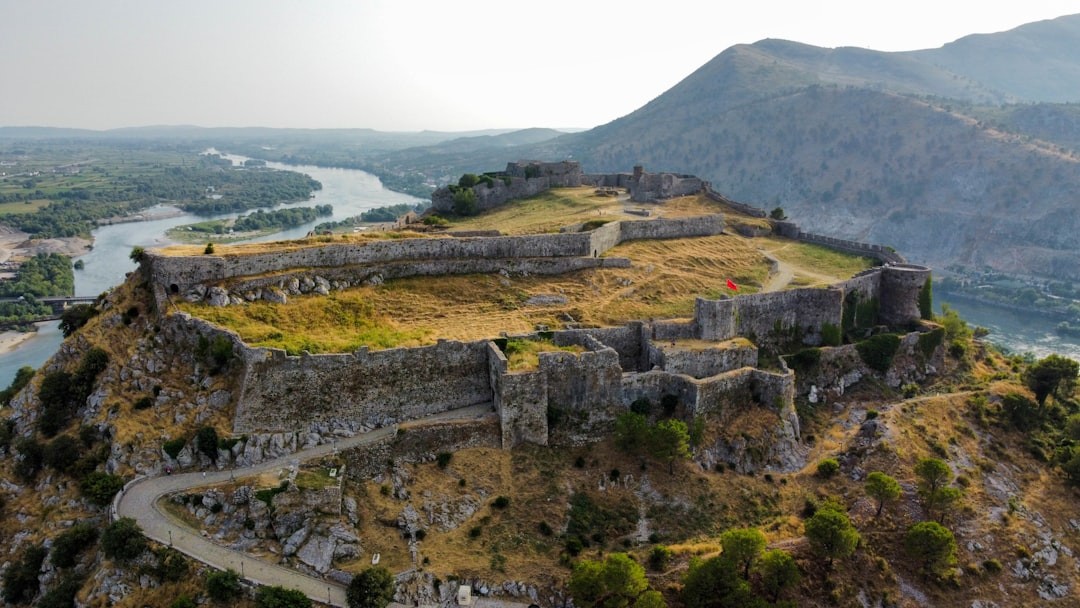
Berat is one of Albania's two UNESCO World Heritage cities and one of the most visually striking places in the Balkans. Its whitewashed Ottoman houses stacked up the hillside above the Osum River, with their distinctive large windows reflecting the afternoon light, have earned it the nickname that appears in every description of the town. The upper quarter of Kalaja contains Byzantine churches, a remarkable icon collection in the Onufri National Museum, and a small community of families still living within the medieval walls. Walk the cobblestone lanes slowly, stop for byrek and coffee, and allow yourself at least a full day here. Estimated cost: $5–15 per person for entry fees and a meal.
2. Valbona Valley National Park
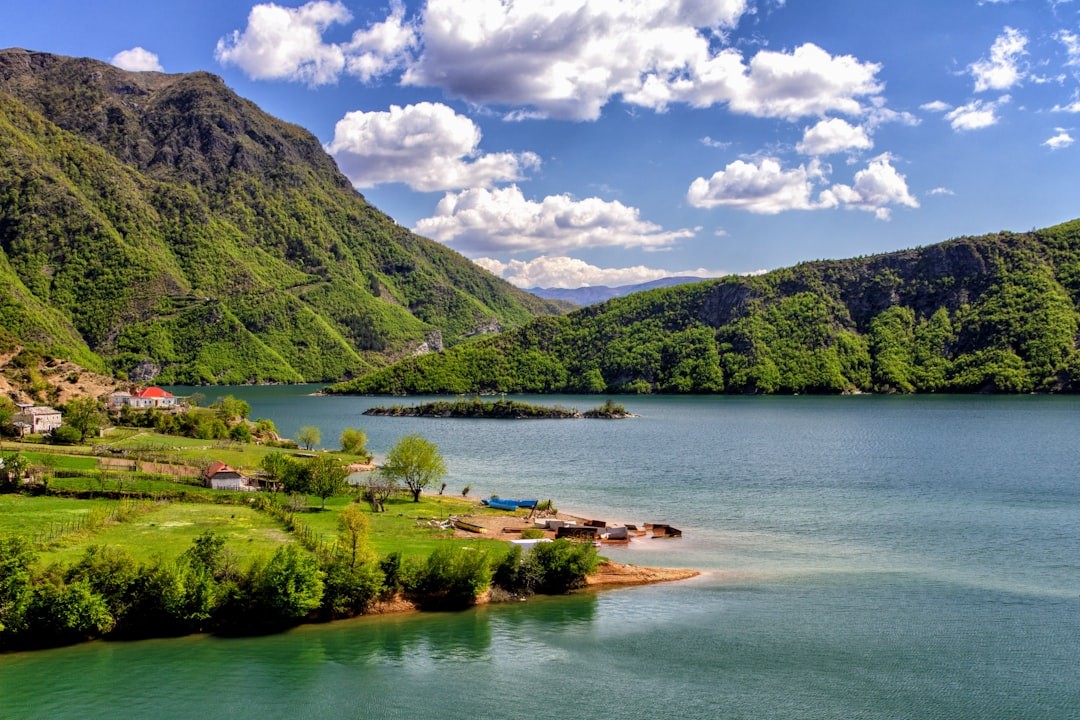
The Valbona Valley in the Albanian Alps is one of the most spectacular landscapes in Europe and one of the least visited, a deep glacial valley flanked by dramatic limestone peaks that rise to nearly 2,700 metres. The valley is the starting point for the famous two-day trek to Theth over the Valbona Pass, widely considered the finest mountain walk in the Western Balkans and offering scenery comparable to the Dolomites at a fraction of the cost and without the crowds. The journey to Valbona itself, by ferry across the glacial waters of Komani Lake and then by minibus up the valley, is an adventure in its own right. Estimated cost: $30–60 per person including transport, accommodation, and meals.
3. Gjirokaster — The Stone City
Gjirokaster is Albania's other UNESCO city, a dramatic Ottoman stone town in the south dominated by its massive hilltop fortress and famous as the birthplace of both the communist dictator Enver Hoxha and the novelist Ismail Kadare. The castle contains an outdoor collection of military hardware including an American reconnaissance aircraft forced down over Albania during the Cold War, and the views from the battlements over the Drino Valley are among the finest in the country. The old bazaar quarter is a beautifully preserved ensemble of Ottoman-era workshops and small restaurants. Estimated cost: $5–10 for castle entry, meals from $8.
4. The Albanian Riviera — Himara to Saranda
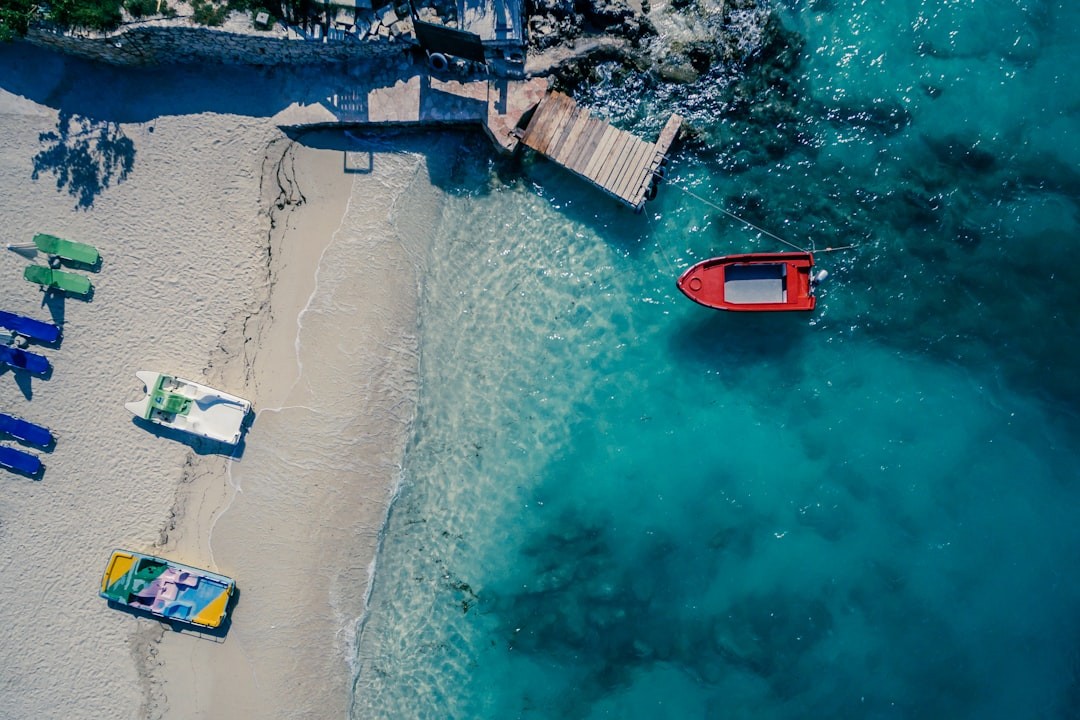
The stretch of Ionian coastline between Himara and Saranda contains some of the most beautiful and least crowded beaches in the Mediterranean. Coves like Gjipe, accessible only on foot or by boat, Palasa, and Jale offer water of extraordinary turquoise clarity backed by limestone cliffs and olive terraces. The town of Himara has a pleasant old quarter and several excellent fish restaurants where the morning's catch arrives direct from small fishing boats. The drive along the coastal road is spectacular throughout. Estimated cost: $20–40 per day for accommodation and meals in the low season.
5. Butrint National Park
The ancient site of Butrint, set on a wooded peninsula in the far south of Albania near the Greek border, is one of the finest and most atmospherically situated archaeological sites in the Mediterranean. Inhabited continuously from the Bronze Age through to the Middle Ages, it contains Greek, Roman, Byzantine, and Venetian remains layered on top of each other in a setting of extraordinary natural beauty. The theatre, the baptistery with its remarkable mosaic floor, and the Venetian tower overlooking the channel to Corfu are the highlights. Estimated cost: $10 entry fee.
6. Theth — The Accursed Mountains Village
Theth is a remote mountain village in the Albanian Alps accessible by a dramatic road over a high mountain pass closed for several months each winter. The village is a loose collection of traditional stone houses, a distinctive 18th-century church, an old lock-in tower, and the Blue Eye of Theth waterfall, set in a valley of absolute Alpine beauty. The accommodation is almost entirely in family guesthouses where the food is homegrown and home-cooked and the hospitality is genuine and unstaged. The combination of scenery, culture, and authenticity is difficult to match anywhere in Europe. Estimated cost: $25–40 per person per night full board in a family guesthouse.
7. Kruje — The National Hero's Town
Kruje is a hilltop town north of Tirana that was the seat of the national hero Gjergj Kastrioti Skanderbeg, who successfully resisted the Ottoman Empire for over two decades in the 15th century. The castle complex contains the Skanderbeg Museum with armour, manuscripts, and documents relating to the resistance campaigns. Below the castle, the old bazaar is one of the best-preserved in Albania, a genuine working market of antique dealers, craftspeople, and carpet sellers where handmade traditional goods can be found at very reasonable prices. Estimated cost: $3–5 for museum entry, easily done as a half-day trip from Tirana.
8. Apollonia Archaeological Park
The ruins of the ancient Greek city of Apollonia, set on a gentle hill surrounded by olive groves in central Albania, are one of the country's most significant and most peaceful archaeological sites. Founded in the 7th century BC, Apollonia was one of the most important cities in the ancient world and the place where the Emperor Augustus studied before inheriting the Roman Empire. The site contains a well-preserved odeon, a monumental gateway, and an archaeological museum housed in a former Byzantine monastery. The setting, with its olive trees and wildflowers, gives it a tranquility that the busier sites of Greece often lack. Estimated cost: $5 entry fee.
9. Korca — The City of Serenades
Korca is a cultured city in the southeast of Albania with a long tradition of education, music, and craftsmanship that gives it a character quite distinct from the rest of the country. It was here that the first Albanian-language school was opened in 1887, and the city has retained an intellectual self-confidence expressed in its Art Deco architecture, its National Museum of Medieval Art, its famous brewery, and a cafe culture that feels more Central European than Balkan. The old bazaar quarter and the mosques and churches that coexist within a few streets of each other reflect the religious diversity of this part of Albania. Estimated cost: $5–10 per day including museum entry and coffee.
10. Lake Ohrid Shoreline — Lin Peninsula
While Lake Ohrid is more commonly associated with North Macedonia, the Albanian shoreline offers some of its most beautiful and least visited scenery. The Lin Peninsula, jutting into the lake from the Albanian side, is topped by the ruins of an early Christian basilica with a remarkable mosaic floor and offers views over the lake that on calm mornings have a quality of stillness and beauty that is genuinely difficult to describe. The small town of Pogradec on the lakeside is a pleasant base with good fish restaurants and a relaxed atmosphere. Estimated cost: $10–20 per day for a day trip including meals.
Final Thoughts on Visiting Albania
Albania is a country that has the rare quality of making the traveller feel that they have arrived somewhere genuinely new. In an era when European travel can sometimes feel like moving between interchangeable airports and tourist zones, Albania offers something different and increasingly valuable: a landscape of real variety, a history of real depth, and a hospitality that has not yet been processed and packaged for mass consumption.
The ten places described above represent a cross-section of what makes Albania worth visiting, from the Ottoman heritage cities of Berat and Gjirokaster to the wild mountain valleys of the north, from the Mediterranean coves of the Riviera to the ancient ruins of Butrint and Apollonia. Together they make the case for Albania as one of the most complete and most rewarding destinations in Europe, particularly for the traveller who has already seen the more obvious choices and is ready to go somewhere that requires a little more effort and rewards it proportionally.
The cost of travel remains very low by European standards, with accommodation, food, and entry fees all significantly cheaper than in Italy, Greece, or Croatia. The country is safe for visitors and the English language is increasingly spoken in the cities and tourist areas. The only genuine advice for a first visit is to allow more time than you think you need.
Albania consistently rewards the traveller who slows down, takes the detour, stays an extra night, and accepts the invitation to coffee in the house of someone they have only just met. That kind of travel is becoming rare in the modern world, and Albania still makes it possible. Come with an open mind and a sense of adventure, and you will leave with one of the most memorable travel experiences Europe currently has to offer.