Best Things To Do in Albania

    Best Things To Do Albania

    By: Straighter

    Tucked along the Adriatic and Ionian coasts, Albania is one of Europe's best-kept secrets, offering a striking mix of rugged mountain scenery, ancient ruins, and beautifully preserved Ottoman-era towns. The country is home to UNESCO-listed sites like Butrint and Berat, alongside some of the most pristine beaches on the Mediterranean. Its warm and welcoming people, affordable travel costs, and fascinating blend of Illyrian, Byzantine, and Ottoman heritage make it a truly rewarding destination for those willing to venture off the beaten path.

    What to Do in Albania

    Albania is one of those destinations that travel enthusiasts speak about in hushed, excited tones, the kind of place where you feel like a genuine discoverer rather than a tourist following a well-worn trail. Wedged between Montenegro, Kosovo, North Macedonia, and Greece, with a long coastline stretching along both the Adriatic and Ionian seas, this small Balkan nation packs an extraordinary amount into its compact geography. For too long it remained off the radar for most European travellers, but those who have made the journey know that Albania rewards curiosity with some of the most authentic and affordable experiences anywhere on the continent.

    The country's history reads like an adventure novel. Ancient Illyrian tribes, Greek colonists, Roman legions, Byzantine emperors, Ottoman sultans, and one of the most isolationist communist regimes in modern history have all left their mark here, creating a layered and fascinating culture that feels entirely unlike anywhere else. The legacy of Enver Hoxha's decades-long rule, which closed Albania off from the outside world until 1991, means that the country has preserved a rawness and authenticity that more visited destinations lost long ago.

    Nature lovers will find Albania particularly compelling. The Albanian Alps in the north, sometimes called the Accursed Mountains, offer dramatic trekking through landscapes that feel genuinely wild and remote. The south, stretching along the so-called Albanian Riviera, reveals a coastline of turquoise coves, olive groves, and hilltop villages that rivals anything found further along the Mediterranean. The interior is laced with rivers, gorges, and forests that are only beginning to be explored by outdoor adventurers.

    Then there is the food. Albanian cuisine draws on Ottoman, Mediterranean, and Balkan influences to produce a table of remarkable generosity and freshness. Lamb slow-roasted in earthenware pots, grilled river fish, fresh white cheese, wild herbs, and local raki make eating here one of the great pleasures of any visit. Prices remain among the lowest in Europe, which means travellers can eat exceptionally well without spending much at all.

    Albania is also a country in the middle of finding itself again after decades of isolation, and there is something deeply energising about being present during that process. Tirana, the capital, has transformed itself from a grey Soviet-era city into a colourful, chaotic, and vibrant place with a cafe scene, street art culture, and nightlife that consistently surprises first-time visitors. Whether you come for history, nature, beaches, food, or simply the pleasure of exploring somewhere genuinely new, Albania will almost certainly exceed your expectations.

    10 Things to Do in Albania

    1. Explore Berat, the City of a Thousand Windows

    Berat is one of Albania's two UNESCO World Heritage cities and one of the most visually striking towns in the entire Balkans. Its whitewashed Ottoman houses, stacked up the hillside with their distinctive large windows reflecting the light, have earned it the nickname the City of a Thousand Windows. The old upper town of Mangalem and the castle quarter of Kalaja sit above the Osum River and contain Byzantine churches, a fine National Museum, and narrow lanes that reward slow, aimless wandering. Allow at least a full day to do it justice.

    2. Trek the Valbona to Theth Trail

    This two-day trek through the Albanian Alps is widely considered one of the finest mountain walks in the Western Balkans, connecting the remote valley of Valbona with the traditional village of Theth across a high mountain pass. The scenery is dramatic and largely unspoilt, with jagged peaks, rushing streams, and stone-built guesthouses offering simple but warm accommodation along the route. The villages of Theth and Valbona are themselves worth visiting for their traditional architecture and the remarkable warmth of the local hospitality.

    3. Visit the Ruins of Butrint

    The ancient site of Butrint, set on a wooded peninsula in the far south of the country near the Greek border, is one of the most evocative archaeological sites in the Mediterranean. Inhabited continuously from the Bronze Age through to the Middle Ages, it contains Greek, Roman, Byzantine, and Venetian remains layered on top of each other in a setting of remarkable natural beauty. The theatre, the baptistery with its extraordinary mosaic floor, and the Venetian tower are highlights, and the surrounding national park adds to the sense of timelessness.

    4. Wander the Bazaar Quarter of Gjirokaster

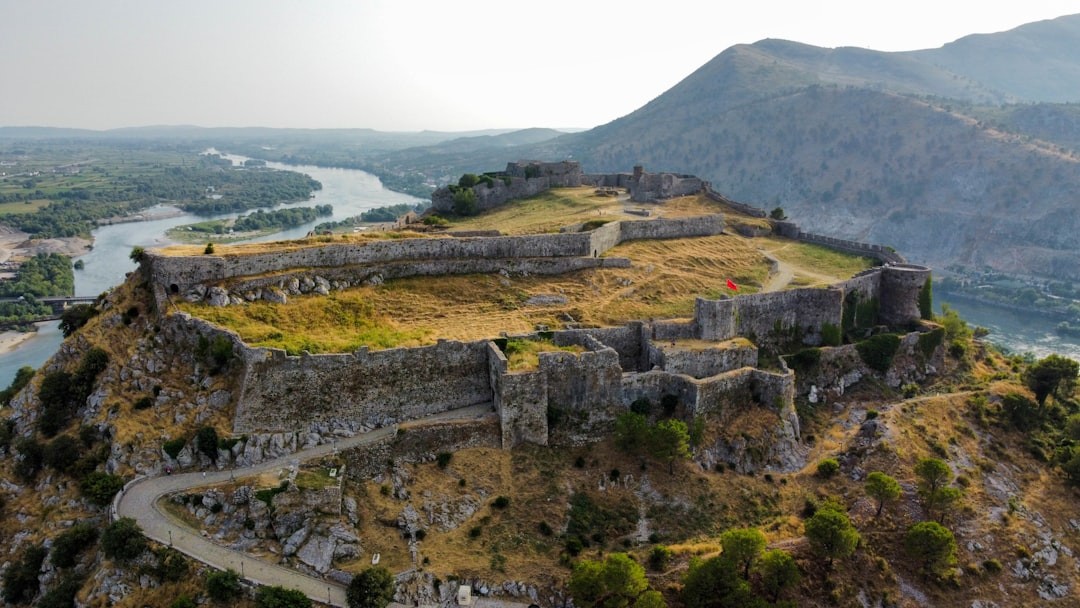
    Gjirokaster, Albania's other UNESCO city, is a dramatic stone town in the south dominated by its massive Ottoman fortress and famous as the birthplace of both the communist dictator Enver Hoxha and the novelist Ismail Kadare. The old bazaar quarter is a beautifully preserved ensemble of Ottoman-era shops and workshops, and the castle itself contains an open-air collection of military hardware as well as sweeping views over the Drino Valley. The town's distinctive architecture, with its grey slate roofs and fortress-like stone houses, is unlike anything else in Albania.

    5. Swim at the Albanian Riviera

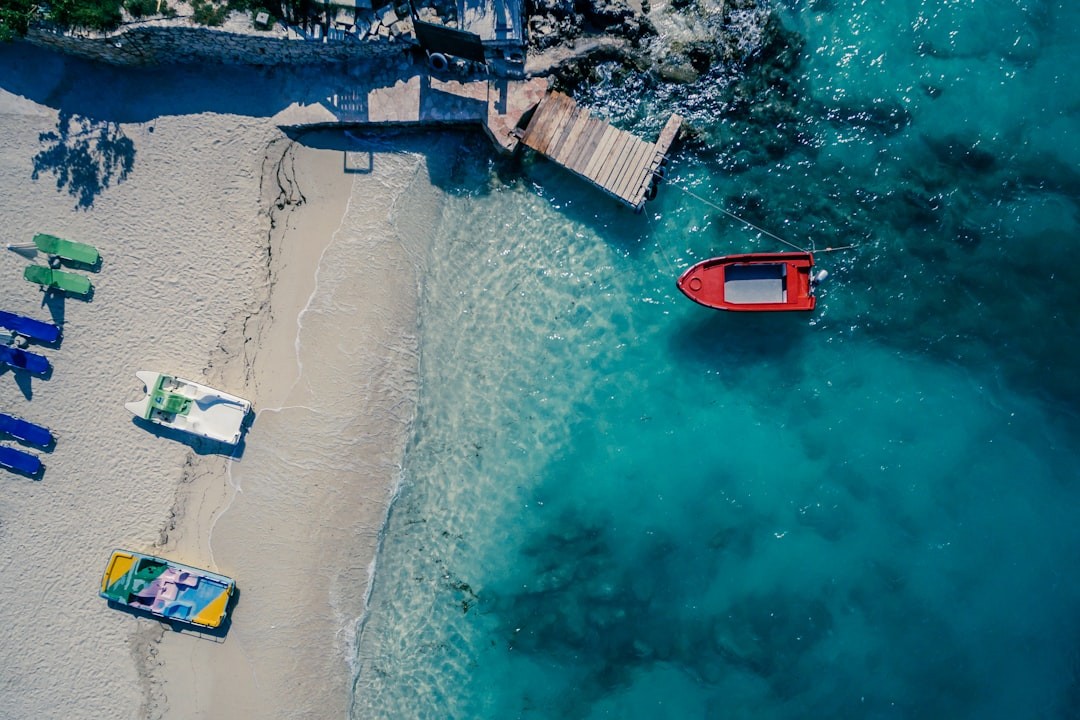
    The stretch of Ionian coastline between Vlora and Saranda, known as the Albanian Riviera, is one of Europe's most beautiful and least crowded coastlines. Coves like Gjipe, Jale, and Palasa offer crystalline turquoise water backed by steep limestone cliffs and olive terraces, with a fraction of the crowds you would find on the Croatian or Greek coasts. The village of Himara is a good base for exploring the area, and the drive along the coastal road, known as the Blue Eye Road, is spectacular in its own right.

    6. Take in Tirana's Street Art and Cafe Culture

    Tirana is a capital city in the middle of a remarkable transformation, and spending time in its colourful streets reveals a city that is young, creative, and thoroughly alive. The Blloku neighbourhood, once reserved exclusively for communist party elites, is now the beating heart of the city's cafe and bar scene. The National History Museum on Skanderbeg Square is worth visiting for its sweeping overview of Albanian history, and the pyramid-shaped former Hoxha museum is an architectural curiosity that has become a symbol of the country's complicated relationship with its recent past.

    7. Visit the Blue Eye Spring

    The Blue Eye, known in Albanian as Syri i Kalter, is a hypnotic natural spring near Saranda in the south of the country where water of an impossibly deep blue wells up from an underground river over 50 metres below. The spring feeds a crystal-clear river that flows through a forest of plane trees, and the sight of the water bubbling up from the blue abyss at the centre is genuinely mesmerising. It is a popular spot with local families as well as visitors and is best visited early in the morning before the day-trippers arrive from Saranda.

    8. Cross the Komani Lake by Ferry

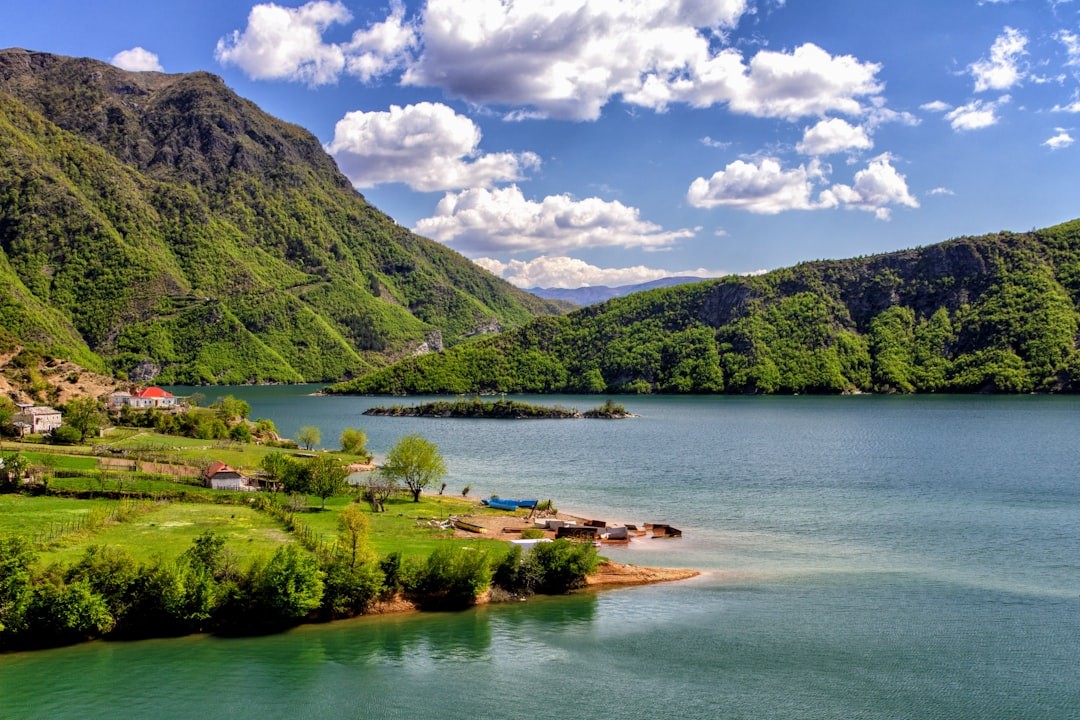
    The ferry journey across Komani Lake in the north of Albania is one of the most spectacular boat trips in Europe, winding through steep gorges and past dramatic limestone cliffs on a route that connects the town of Komani with the remote village of Fierze. The journey takes around three hours and passes through scenery that feels genuinely untouched, with the mountains rising sheer from the water's edge and eagles circling overhead. It is also the only practical way to reach the Valbona Valley without a very long road journey, making it a natural part of any Albanian Alps itinerary.

    9. Explore the Osumi Canyon

    The Osumi Canyon in central Albania is one of the country's great natural spectacles, a series of narrow gorges carved by the Osum River through pale limestone over millions of years. The canyon can be explored by guided rafting or kayaking trips that take visitors through passages where the walls rise to 80 metres or more above the water, past waterfalls, caves, and natural pools. The season runs roughly from March to June when water levels are right, and several operators in Berat and Corovoda organise trips into the canyon.

    10. Sample Albanian Cuisine in a Homestyle Restaurant

    One of the great pleasures of travelling in Albania is the food, and the best way to experience it is in one of the family-run restaurants known locally as a sofra. These informal establishments serve traditional dishes like tavë kosi (lamb baked with eggs and yogurt), fërgesë (a stew of peppers, tomatoes, and cottage cheese), and byrek (flaky pastry filled with cheese or spinach), often using ingredients from their own gardens. Wash it down with local wine from the Berat or Permet regions, or the inevitable glass of raki, and you will understand why Albanians take considerable pride in their table.

    Final Thoughts on Albania

    Albania is a country that has a habit of getting under your skin in a way that few destinations manage. It is not a place that wraps itself up neatly for the visitor or makes things effortlessly easy. Roads can be rough, signage can be sparse, and the infrastructure in some areas is still catching up with the ambitions of a nation that only opened to the outside world a generation ago. But these very qualities are part of what makes travelling here so genuinely rewarding.

    What Albania offers in return for a little patience and flexibility is something increasingly rare in modern travel: the feeling of genuine discovery. The landscapes are extraordinary, from the snow-capped Alps of the north to the turquoise bays of the south, and much of this beauty remains largely unvisited. The history is fascinating and complex, told through ruins and castles and bunkers and mosques and churches that together speak to a civilisation of remarkable depth. And the people are among the most welcoming in Europe, with a tradition of hospitality known as besa that obligates hosts to protect and care for their guests.

    The country is also changing rapidly. A new generation of Albanians is opening boutique hotels, creative restaurants, and adventure tourism companies that are raising the standard of the travel experience year on year. Tirana is becoming a genuinely exciting city to visit. The coastal resorts are improving their offer. The hiking trails of the Alps are being better marked and serviced. Albania is, in other words, having something of a moment, and the best time to visit is now, while it still retains the rough edges and the authenticity that make it so special.

    Whether you come for a long weekend or several weeks, you are likely to leave with a strong desire to return. Albania has that effect on people.