Best Things To Do in Austria

By: Straighter
What to Do in Austria
Austria is a country that has long understood the art of living well, and a visit here feels like an immersion in a culture that takes genuine pleasure in music, food, architecture, and the natural world in equal measure. Landlocked in the heart of Central Europe and bordered by eight countries, Austria has historically served as both a crossroads and a powerhouse, the centre of the Habsburg Empire for centuries and a nation whose cultural influence on European history far exceeds what its modest size might suggest.
Vienna, the imperial capital, is one of the world's great cities and a place that rewards extended exploration. Its coffee house culture, its extraordinary concentration of art museums and galleries, its Baroque palaces and Jugendstil architecture, and its position at the forefront of the classical music world all combine to create a city of exceptional richness and sophistication. The Kunsthistorisches Museum, the Belvedere, the Schonbrunn Palace, and the Vienna State Opera are among the finest institutions of their kind anywhere in Europe.
But Austria is far more than Vienna. Salzburg, the birthplace of Mozart and the setting for The Sound of Music, is a magnificent Baroque city set against a backdrop of Alpine foothills, its old town a UNESCO World Heritage Site of considerable beauty. Innsbruck, the Tyrolean capital, offers the rare combination of a charming historical centre and direct access to world-class skiing and mountain scenery. Graz, the second-largest city, is a university town of Renaissance architecture and an increasingly recognised food culture. And the Austrian Lake District, the Salzkammergut, is perhaps the most beautiful lake and mountain landscape in Central Europe.
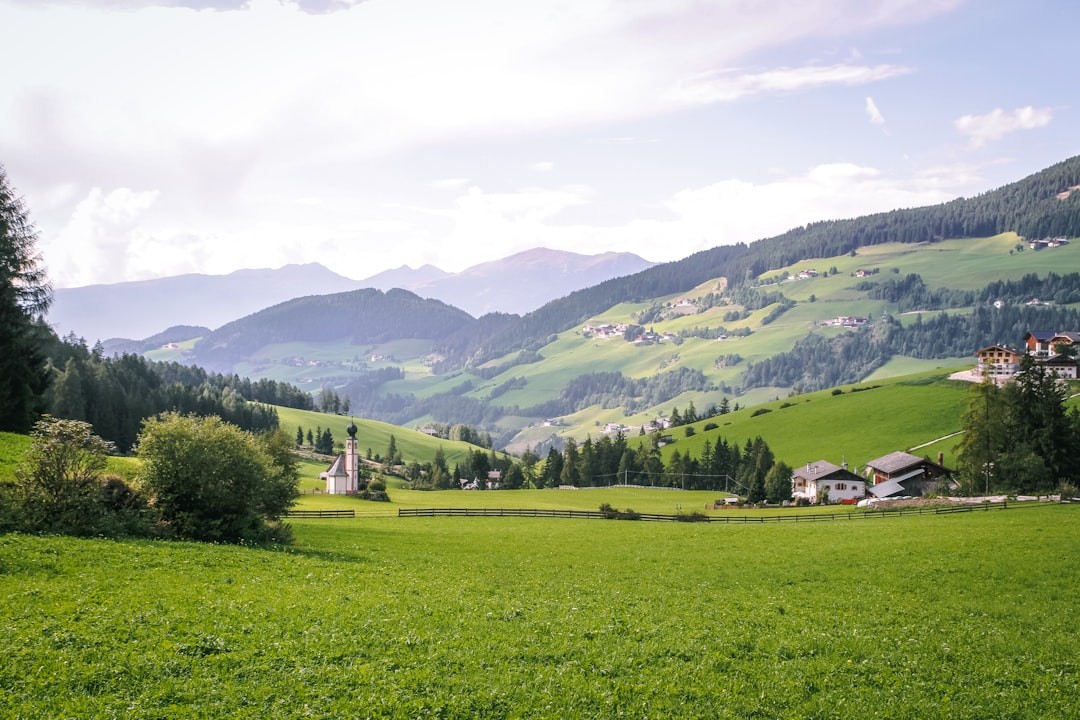
The Austrian Alps cover much of the western part of the country and offer some of the finest skiing in the world, from the celebrity-studded slopes of St Anton and Kitzbuhel to the vast linked ski areas of the Ski Arlberg and the Zillertal. In summer, those same mountains provide outstanding hiking, cycling, and climbing opportunities in landscapes of breathtaking grandeur.
Austrian food and drink deserve special mention. This is a cuisine of warmth and generosity, of Wiener Schnitzel and Tafelspitz, of Kaiserschmarrn and Apfelstrudel, of dark rye breads and excellent cured meats. The wine regions of the Wachau, Burgenland, and Steiermark produce bottles of genuine quality and distinction, and the Austrian coffee house tradition, with its Melange and Einspanner and marble tabletops, is one of the great cultural institutions of the continent. Eating and drinking well in Austria is not merely a pleasure but practically a cultural obligation.
10 Things to Do in Austria
1. Explore the Schonbrunn Palace and Gardens
The Schonbrunn Palace in Vienna is one of the most magnificent royal residences in Europe, a vast Baroque complex of 1,441 rooms set within formal gardens of exceptional grandeur. Built as the summer residence of the Habsburg monarchs, it served as the primary residence of Empress Maria Theresa and the childhood home of Mozart performed at court here as a child of six. The state rooms, including the Great Gallery and the Hall of Mirrors, can be visited on guided tours, and the gardens, with their fountain, Neptune Pool, and hilltop Gloriette offering panoramic views over Vienna, are free to enter and a delight to walk through in any season.
2. Attend a Concert at the Vienna State Opera
The Vienna State Opera, or Wiener Staatsoper, is one of the most prestigious opera houses in the world and the home of one of the finest opera companies on the planet. Attending a performance here is an experience unlike any other, whether you book a seat in the main hall in advance or take advantage of the standing room tickets sold on the day of each performance, which offer access to one of the world's great cultural institutions at a fraction of the full ticket price. The building itself, a magnificent neo-Renaissance structure on the Ringstrasse, is worth visiting on a guided tour even if attending a performance is not possible.
3. Visit the Hallstatt Lake Village
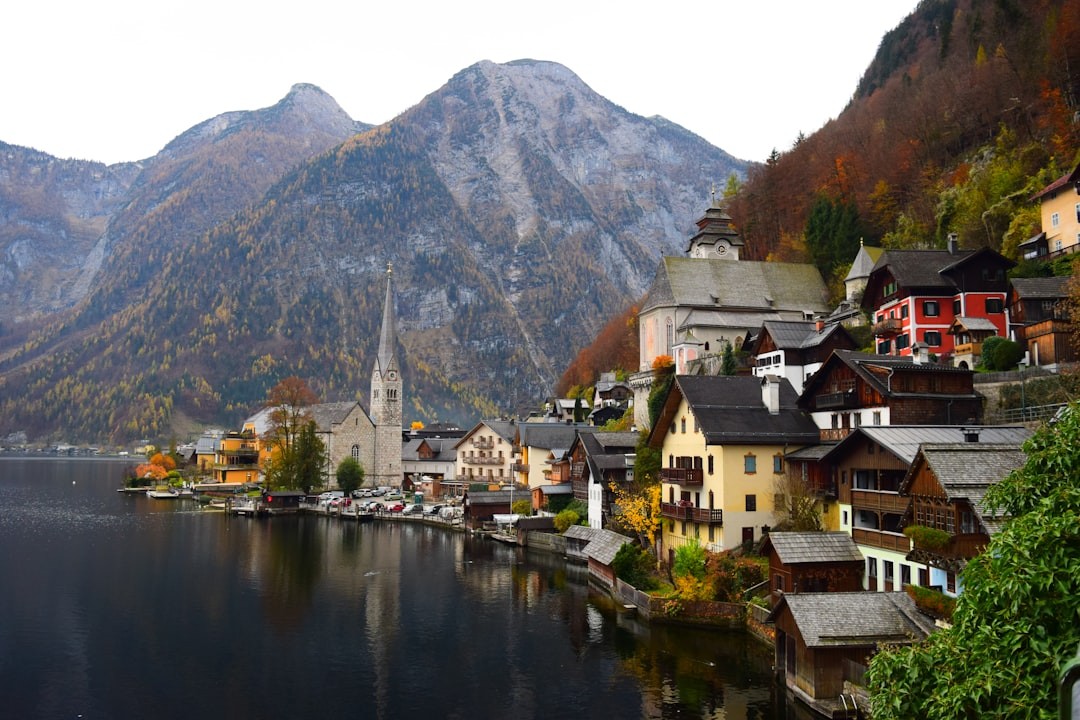
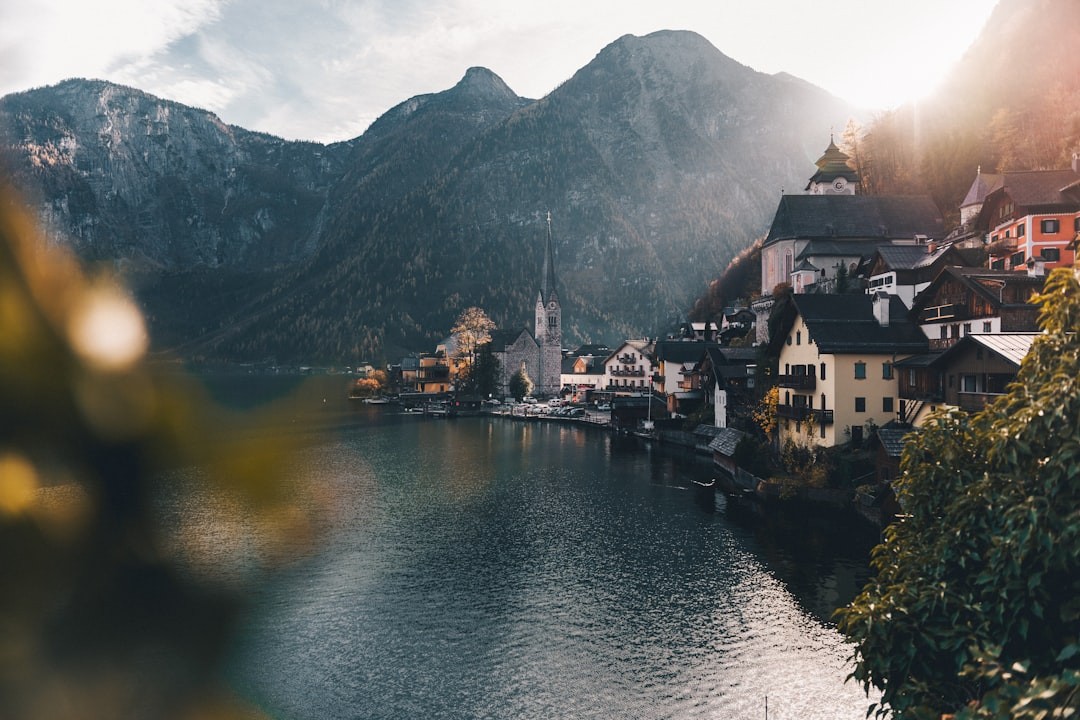
Hallstatt is a tiny village of around 800 inhabitants on the shores of the Hallstattersee in the Salzkammergut region that has become one of the most photographed places in Europe, its pastel-coloured houses reflected in the still waters of the lake with a dramatic limestone cliff rising directly behind the village. The setting is genuinely extraordinary, and beyond the scenery, the village has a history of continuous habitation stretching back over 7,000 years, much of it connected to salt mining in the mountains above. The Hallstatt Skywalk, the prehistoric cemetery, and the salt mine tour are all worth including in a visit.
4. Ski in St Anton am Arlberg
St Anton am Arlberg has a claim to being the birthplace of modern alpine skiing and remains one of the most celebrated and challenging ski resorts in the world. Connected to the wider Ski Arlberg area, it offers over 300 kilometres of marked runs and an almost unlimited amount of off-piste terrain for experienced skiers. The village itself has a lively and convivial atmosphere, with a strong apres-ski culture centred on the famous Krazy Kanguruh and Mooserwirt mountain huts, and the combination of challenging skiing, excellent mountain restaurants, and a traditional Austrian village aesthetic makes it a destination that skiers return to year after year.
5. Walk the Old Town of Salzburg
Salzburg's old town is a UNESCO World Heritage Site of quite extraordinary beauty, a compact ensemble of Baroque churches, palaces, and squares set between the Salzach River and the Hohensalzburg Fortress that towers above the city on its rocky hill. The Getreidegasse, the narrow main shopping street, is lined with wrought-iron guild signs and is where Mozart was born in 1756 at number nine, now a popular museum. The Mirabell Palace and its gardens are as beautiful in reality as they appear in The Sound of Music, and the fortress itself offers sweeping views over the city and the Alps beyond.
6. Take the Grossglockner High Alpine Road
The Grossglockner High Alpine Road is one of the great scenic drives of Europe, a toll road that winds through the Hohe Tauern National Park to a viewing point within sight of the Pasterze Glacier, the largest glacier in the Eastern Alps, and the Grossglockner, Austria's highest peak at 3,798 metres. The road passes through a series of dramatic switchbacks and high passes, with viewpoints, nature displays, and hiking trailheads along the route. The drive is possible from late May to early November and can be combined with visits to the historic town of Zell am See or the beautiful Krimml Waterfalls nearby.
7. Explore the Kunsthistorisches Museum
The Kunsthistorisches Museum in Vienna is one of the greatest art museums in the world and the repository of the astonishing art collection assembled by the Habsburg emperors over centuries. Its collections encompass ancient Egyptian and Near Eastern artefacts, Greek and Roman antiquities, decorative arts and armour, and a picture gallery of staggering quality that includes major works by Raphael, Titian, Vermeer, Rembrandt, Velazquez, and Caravaggio, as well as the largest collection of works by Pieter Bruegel the Elder anywhere in the world. The building itself, a magnificent neo-Renaissance palace on the Ringstrasse, is a work of art in its own right.
8. Cycle the Danube Cycle Path
The Danube Cycle Path from Passau in Germany to Vienna is one of the most popular and best-organised long-distance cycling routes in Europe, following the river through a series of landscapes that include the spectacular gorge of the Wachau, a UNESCO World Heritage Site of vineyards, apricot orchards, and baroque monastery towns. The Austrian section of the route is almost entirely flat and well-signposted, passing through the wine town of Krems, the monastery town of Melk with its magnificent hilltop abbey, and a series of charming Danube villages before arriving in Vienna. The route can be done in sections over several days with excellent infrastructure for touring cyclists.
9. Visit the Belvedere Palace
The Belvedere in Vienna is a magnificent baroque palace complex set in formal gardens and divided into two main buildings, the Upper and Lower Belvedere, that together house one of Austria's finest art collections. The Upper Belvedere is most famous for its collection of works by Gustav Klimt, including the iconic Kiss, which consistently draws enormous crowds to the gilded gallery in which it hangs. The building and gardens are beautiful in their own right, and the collection also includes important works by Egon Schiele, Oskar Kokoschka, and a strong representation of French Impressionism alongside medieval and Baroque art.
10. Hike in the Hohe Tauern National Park
The Hohe Tauern is the largest national park in the Alps and Central Europe, covering over 1,800 square kilometres of glaciers, high peaks, alpine meadows, and mountain valleys in the heart of the Austrian Alps. The park contains over 300 glaciers, more than 250 peaks above 3,000 metres, and an extraordinary diversity of flora and fauna including golden eagles, ibex, and bearded vultures. The Krimml Waterfalls, the highest in Europe at 380 metres, are one of the park's signature attractions, and the extensive network of marked hiking trails serves everyone from casual walkers to serious mountaineers.
Final Thoughts on Austria
Austria is one of those countries that seems to set a very high bar and then consistently clear it. Whether you are in Vienna attending an opera, in Salzburg wandering through a Baroque old town of genuine magnificence, on a ski slope in the Tyrol, or simply sitting in a coffee house with a Melange and a slice of Sachertorte, the experience of being in Austria tends to feel both pleasurable and somehow right, as though this is precisely what a cultured, comfortable, and beautiful country should be like.
The country is not without its contradictions and complexities. Its role in the events of the 20th century is something that Austrian society has engaged with at different speeds and with varying degrees of openness over the decades. Its political landscape can be turbulent. Its cities can be expensive. But these are the realities of any country with a long and complicated history and a high standard of living, and they do not diminish the extraordinary richness of what Austria offers the visitor.
What stays with you after a visit to Austria is the sense of a country that has genuinely mastered the art of civilised living. The coffee houses, the concert halls, the mountain huts with their warming Gluhwein, the restaurants serving slow-cooked classics of Central European cooking, the parks and galleries and opera houses: these are not just attractions for tourists but expressions of how Austrians actually want to live. That authenticity is part of what makes the country so deeply satisfying to visit.
Austria rewards repeat visits. There is always another region to explore, another festival to attend, another mountain valley to hike through, another wine to discover. It is, in the fullest sense of the phrase, a destination for life.