Best Time To Visit Austria
By: Straighter Mobile Team
The Best Times to Visit Austria
Timing a visit to Austria well can transform the quality of the experience entirely. The country has distinct seasons, each with its own character, its own advantages, and its own challenges, and understanding what each period offers allows travellers to align their visit with their priorities rather than simply following the peak tourist season by default. The best time to visit depends entirely on what you are looking for — whether that is a particular festival, the finest weather for hiking, the quietest conditions at the major sites, or the most rewarding wine and food experience the country has to offer.
In general terms, May to June and September to October represent the most broadly rewarding period to visit Austria, but this headline conceals considerable nuance. The country in the shoulder seasons of spring and autumn often offers a more genuinely satisfying travel experience than the peak summer months — quieter sites, lower prices, more authentic engagement with local life, and a quality of light and landscape that the highest tourist season can actually diminish rather than enhance.
The sections below break down the experience of visiting Austria by time of year, covering the major seasons, the key festivals and cultural events, and the specific considerations that apply to particular types of travel. Whether you are planning a city break, a hiking trip, a cultural tour, or a wine and food journey, the timing of your visit will have a significant impact on what you find when you arrive.
Practical considerations also vary by season. Accommodation prices in Austria typically peak in July and August and are at their lowest in November through February, with the exception of the Christmas and New Year period. Book in advance for peak season travel and for specific festivals and events regardless of the time of year. Out of season, the flexibility of turning up without a reservation adds a particular quality of adventure to travel in the country.
Key Takeaways:
- The peak summer season of July and August brings the most visitors, the highest prices, and the most crowded conditions at popular sites
- Spring (April to June) and autumn (September to October) offer the best combination of good weather, manageable crowds, and reasonable prices
- Festival and event dates are fixed regardless of season and can be the primary reason to visit at a specific time
- Winter travel offers the lowest prices and the most authentic engagement with local life, with certain specific winter attractions that summer cannot replicate
- The shoulder seasons consistently offer the finest overall travel experience for the visitor who is not tied to school holiday dates
Staying connected in Austria
Stay connected to the internet throughout Europe, including Austria, without worrying about expensive roaming fees with a Austria eSIM that lets you install a digital SIM in minutes and stay connected effortlessly as you travel.
When to Visit Austria — A Month by Month Guide
1. May and June — Alpine Flowers and City Culture
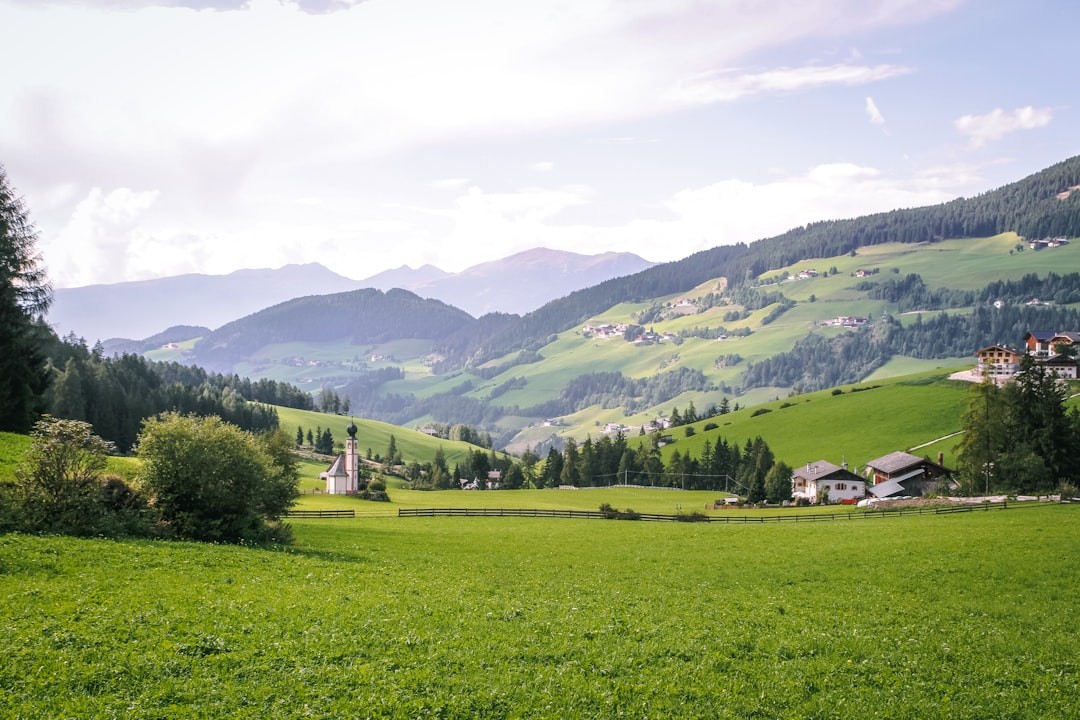
Late spring is one of the finest times to visit Austria. The Alps are in bloom, cable cars and mountain roads reopen after winter, and the cities of Vienna, Salzburg, and Graz are at their most pleasurable before the peak summer crowds arrive. The Vienna Philharmonic season is in full swing, and the opera and concert calendar is at its richest. Best for: city breaks, alpine scenery, classical music. Temperatures 15–24°C..
2. July and August — Peak Summer
Summer is the busiest season, with the Salzburg Festival (late July to August) drawing visitors from around the world and the alpine lakes becoming crowded with Austrian families. The scenery is magnificent, hiking conditions are excellent, and the outdoor swimming culture of the lake districts is at its best. Book accommodation and festival tickets well in advance. Best for: hiking, lake swimming, Salzburg Festival. Temperatures 22–30°C..
3. September and October — The Golden Season
Autumn is widely considered the finest time to visit Austria. The alpine colours are spectacular, the summer crowds have departed, and the wine regions of the Wachau and Burgenland are in the middle of their harvest. The Viennese cultural season resumes with new opera and concert programmes, and the light over the Wachau vineyards in October is extraordinary. Best for: wine, culture, hiking, photography. Temperatures 12–22°C..
4. December — Christmas Markets and Vienna at its Most Beautiful
Vienna's Christmas markets are among the finest in Europe, with the market in front of the Rathaus and the Belvedere market being the most celebrated. The snow on the Ringstrasse buildings and the smell of mulled wine give Vienna a quality in December that it lacks at no other time. Salzburg is equally beautiful in the snow, and the smaller mountain villages are perfect for a pre-Christmas alpine experience. Best for: Christmas markets, winter atmosphere. Temperatures -2 to 6°C..
5. January to March — Ski Season
Austria contains some of the finest ski resorts in the Alps, from the world-class slopes of St Anton and Lech Zurs in the Arlberg to the Tyrol's vast linked ski areas of Ski Welt and the Zillertal. The season typically runs from December through to April at higher altitudes, with January and February offering the most reliable snow conditions. Best for: skiing, snowboarding. Mountain temperatures -15 to 0°C..
6. Easter and Spring Festivals
Easter in Austria is celebrated with traditional markets in Vienna and rural areas, Ostermarkt stalls selling painted eggs and local crafts, and the reopening of the outdoor cultural season. The Danube spring floods give the Wachau valley a particular drama in April, and the apricot trees of the region blossom in a display that draws visitors from across Austria. Best for: traditional culture, spring scenery. April temperatures 8–18°C..
7. Attending the Vienna Ball Season
The Viennese ball season runs from New Year's Eve through February, with hundreds of formal balls held in the great halls and palaces of the city. The Opera Ball in February is the most famous and the most expensive, but dozens of guild and professional balls offer a more accessible version of the same tradition at a fraction of the price. Best for: cultural experience, formal events. January to February..
8. Visiting Hallstatt Without the Crowds
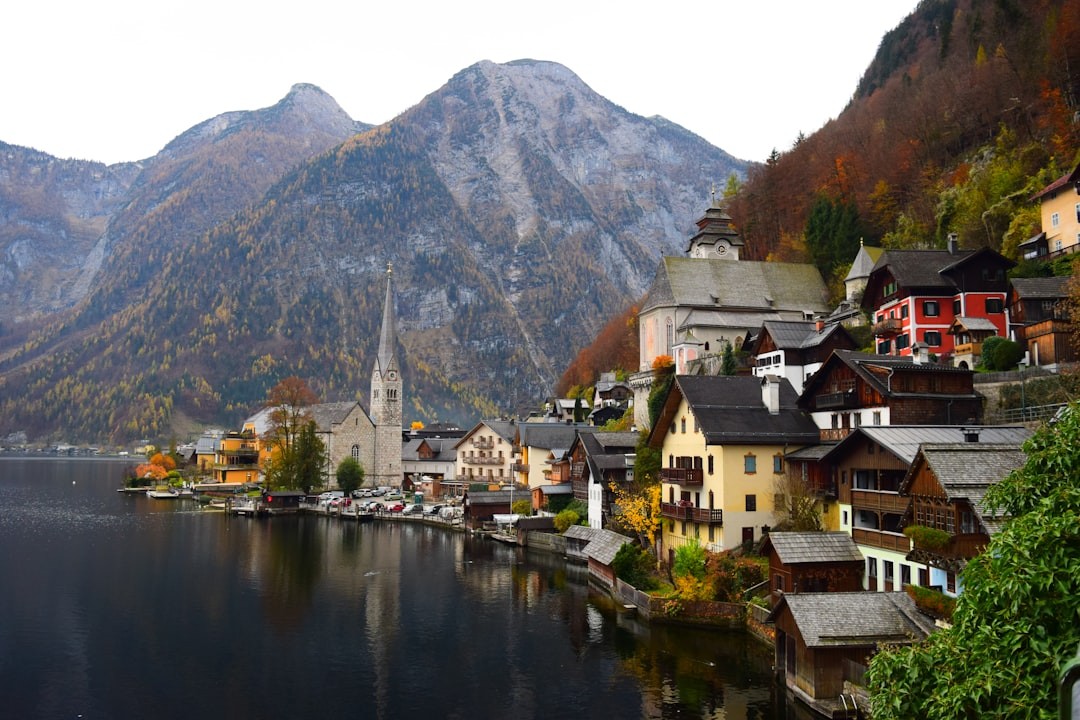
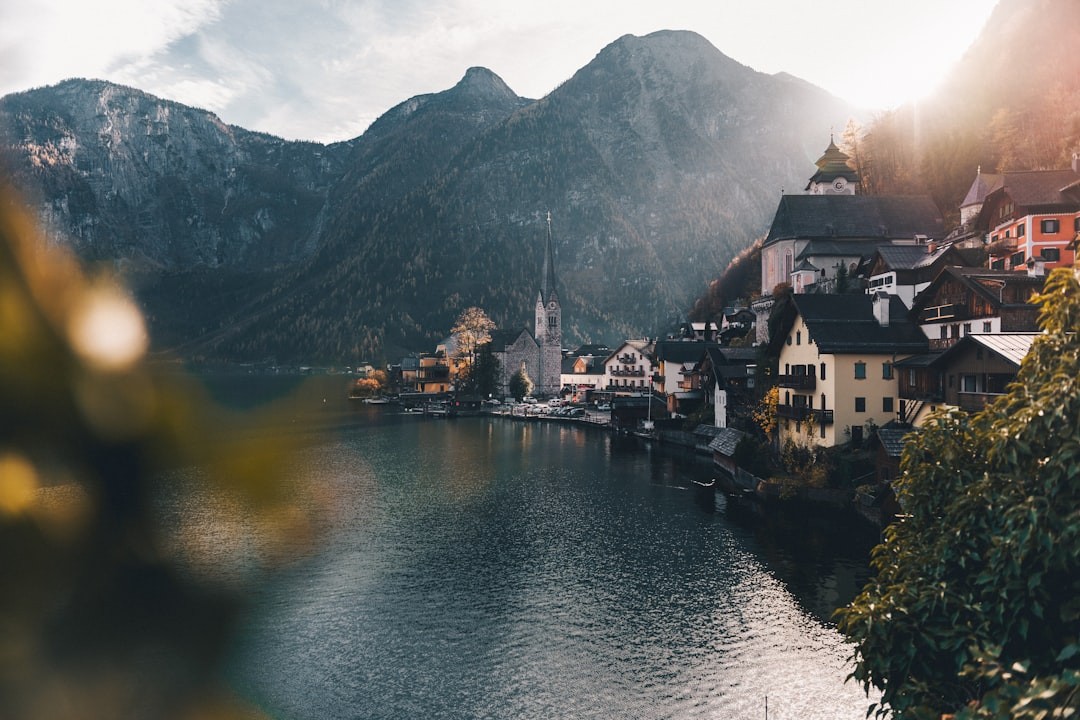
Hallstatt is one of the most photographed villages in the world and can be extremely crowded in summer, with tour groups arriving on the first boat of the morning. Visiting in May, October, or early November gives a completely different experience of the village and its extraordinary lake setting. Winter, when the lake occasionally freezes, is the most atmospheric time of all. Best for: avoiding crowds. May, October, and winter months..
9. The Wachau in Grape Harvest Season
The Wachau wine region on the Danube is at its most beautiful during the grape harvest in late September and early October. The narrow terraced vineyards above the river are alive with activity, the cellar doors are open, and the new vintage of Gruner Veltliner and Riesling is available to taste. The Danube cycle path through the Wachau in autumn is one of the great short cycling experiences in Europe. Best for: wine tourism. Late September to mid-October..
10. April — Between Seasons
April in Austria sits between the ski season and the summer hiking season and is one of the quieter months. Prices are lower, the cultural calendar is active, and the Austrian countryside is beginning to green. The mountain roads may still be closed by snow, but the valley walking and cycling are excellent, and the cities are at their most relaxed. Best for: budget travel, city breaks. Temperatures 8–18°C..
Final Thoughts on Timing Your Visit to Austria
The question of when to visit Austria does not have a single correct answer, but it does have better and worse answers depending on what you want from your time there. The traveller who visits in the height of summer will find a Austria that is at its most accessible and its most internationally flavoured — with full tourist infrastructure, long days, warm temperatures, and the energy of a destination at its peak. The traveller who visits in the shoulder seasons will find a Austria that is more itself — quieter, more affordable, and more genuinely engaged with its own cultural life rather than with the business of managing large numbers of visitors.
The festivals and cultural events listed above are worth planning around if they align with your interests. The great seasonal events of Austria — whether religious, gastronomic, musical, or simply the natural spectacle of a landscape at its finest — are among the most rewarding reasons to travel here, and arriving in time for one of them adds a dimension to the visit that no amount of general sightseeing can replicate.
Whatever time of year you choose to visit, the practical advice is consistent: book accommodation in advance for peak season travel, be flexible about your itinerary in the shoulder seasons, and resist the temptation to try to see everything in a short time. Austria is a destination that rewards the visitor who slows down, pays attention, and allows the character of each place and season to reveal itself gradually rather than rushing through a checklist of attractions.
Come at the right time for you, with the right expectations for the season, and Austria will reward you generously regardless of when you choose to arrive.