Best Time To Visit Croatia
By: Straighter Mobile Team
The Best Times to Visit Croatia
Timing a visit to Croatia well can transform the quality of the experience entirely. The country has distinct seasons, each with its own character, its own advantages, and its own challenges, and understanding what each period offers allows travellers to align their visit with their priorities rather than simply following the peak tourist season by default. The best time to visit depends entirely on what you are looking for — whether that is a particular festival, the finest weather for hiking, the quietest conditions at the major sites, or the most rewarding wine and food experience the country has to offer.
In general terms, May to June and September represent the most broadly rewarding period to visit Croatia, but this headline conceals considerable nuance. The country in the shoulder seasons of spring and autumn often offers a more genuinely satisfying travel experience than the peak summer months — quieter sites, lower prices, more authentic engagement with local life, and a quality of light and landscape that the highest tourist season can actually diminish rather than enhance.
The sections below break down the experience of visiting Croatia by time of year, covering the major seasons, the key festivals and cultural events, and the specific considerations that apply to particular types of travel. Whether you are planning a city break, a hiking trip, a cultural tour, or a wine and food journey, the timing of your visit will have a significant impact on what you find when you arrive.
Practical considerations also vary by season. Accommodation prices in Croatia typically peak in July and August and are at their lowest in November through February, with the exception of the Christmas and New Year period. Book in advance for peak season travel and for specific festivals and events regardless of the time of year. Out of season, the flexibility of turning up without a reservation adds a particular quality of adventure to travel in the country.
Key Takeaways:
- The peak summer season of July and August brings the most visitors, the highest prices, and the most crowded conditions at popular sites
- Spring (April to June) and autumn (September to October) offer the best combination of good weather, manageable crowds, and reasonable prices
- Festival and event dates are fixed regardless of season and can be the primary reason to visit at a specific time
- Winter travel offers the lowest prices and the most authentic engagement with local life, with certain specific winter attractions that summer cannot replicate
- The shoulder seasons consistently offer the finest overall travel experience for the visitor who is not tied to school holiday dates
Staying connected in Croatia
Stay connected to the internet throughout Europe, including Croatia, without worrying about expensive roaming fees with a Croatia eSIM that lets you install a digital SIM in minutes and stay connected effortlessly as you travel.
When to Visit Croatia — A Month by Month Guide
1. May and June — The Best Months
May and June are widely considered the finest months to visit Croatia. The Adriatic is warming up for swimming, the Dalmatian towns are not yet overcrowded, the prices are still reasonable, and the countryside is at its most lush and colourful. The lavender fields of Hvar begin to bloom in June, and the waterfalls of Plitvice and Krka are fed by spring snowmelt and at their most spectacular. Best for: everything. Temperatures 20–28°C on the coast..
2. July and August — Peak Season
Croatia becomes one of the most crowded destinations in Europe in July and August, with the coastal towns of Dubrovnik, Hvar, and Split overwhelmed by visitors and accommodation prices reaching their annual peak. The sea is warm and the nightlife is lively, but the experience of Dubrovnik's old town in August requires considerable tolerance for crowds. The Plitvice Lakes can have queues of over an hour. Best for: beach swimming, island-hopping, nightlife. Temperatures 28–36°C..
3. September — Ideal Overall
September is the single best month to visit Croatia. The sea remains warm enough for swimming throughout the month, the summer crowds depart after the first week, prices drop significantly, and the towns and islands resume something closer to their normal pace of life. Dubrovnik in September is a fundamentally different experience from Dubrovnik in August, and the wine harvest in Dalmatia adds a seasonal pleasure. Best for: everything. Temperatures 22–30°C. Best value and experience..
4. October — Autumn on the Dalmatian Coast
October brings cooler temperatures but continued sunshine to the Croatian coast, and many visitors consider it one of the most beautiful months for exploring the country. The truffle season in Istria reaches its peak in October and November, and the coastal towns begin to show a quieter, more authentic character as the tourist infrastructure winds down. Best for: Istria truffles, coastal walks, culture. Temperatures 16–24°C..
5. The Istrian Interior in Autumn
The hill towns of Istria — Motovun, Groznjan, Rovinj, and the surrounding countryside — are at their finest in October and November, when the truffle hunts are in full swing, the wine harvest is being pressed, and the landscape takes on the golden tones of a Venetian painting. This is one of the most genuinely rewarding seasonal experiences in all of Croatian travel. Best for: truffles, wine, medieval hill towns. October to November..
6. Sailing Season — June to September
Croatia's Adriatic coast with its nearly 1,000 islands is one of the premier sailing destinations in the world, and the sailing season runs from May to October with the peak from June to September. Chartering a bareboat or crewed yacht for a week of island-hopping in the Kornati archipelago or the islands around Hvar and Brac is the most complete way to experience the Croatian coast. Best for: sailing, island-hopping. May to September..
7. Dubrovnik in the Shoulder Season
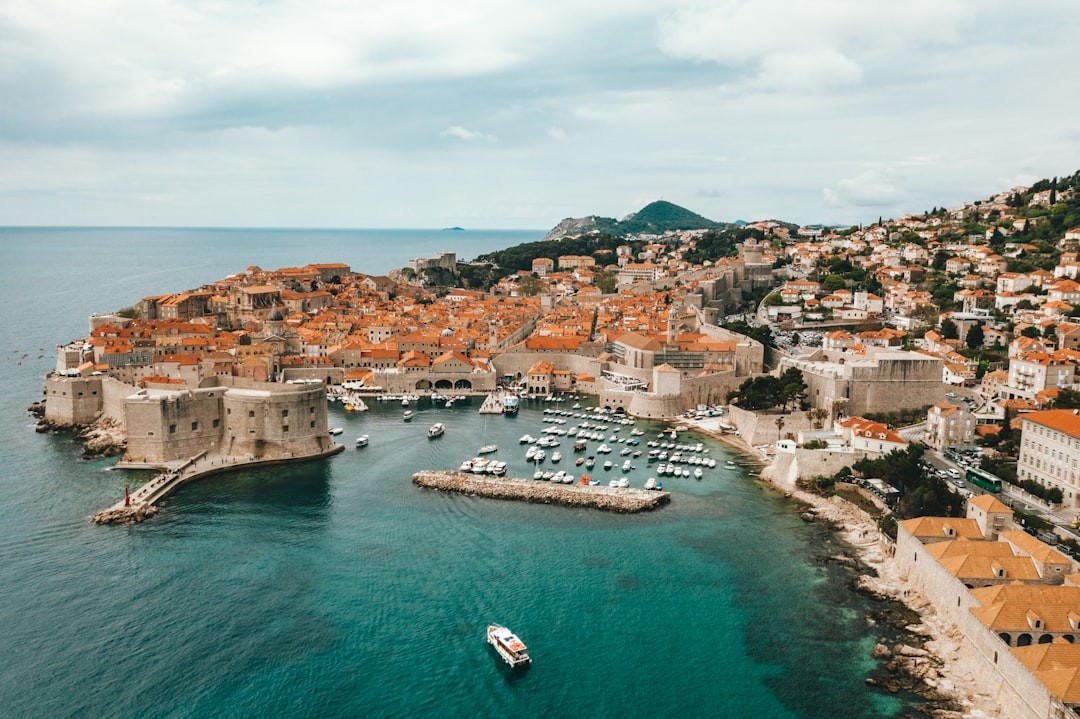
Dubrovnik is one of the most visited cities in Europe relative to its size and becomes genuinely overcrowded in July and August when cruise ships add thousands of visitors per day to an old town of just 2.5 square kilometres. Visiting in April, May, October, or November gives a far more rewarding experience of the walls, the Stradun, and the old town restaurants. Best for: authentic Dubrovnik. April, May, October, November..
8. Plitvice Lakes in Autumn Colours
The Plitvice Lakes National Park is arguably at its most beautiful in October when the beech and maple forests surrounding the lakes turn brilliant shades of red and gold, reflected in the emerald water below. The summer queues have gone, the waterfall volumes are still good, and the light on an October afternoon filtering through the coloured leaves is extraordinary. Best for: photography, autumn nature. October..
9. Zagreb Advent Christmas Markets
Zagreb's Advent Christmas market has been voted the best in Europe on multiple occasions and transforms the already charming Croatian capital into one of the most festive cities in the world from late November through to January. The combination of excellent local food and drink, reasonable prices, and a genuine festive atmosphere makes it one of the best winter city break destinations in Europe. Best for: Christmas atmosphere. Late November to January..
10. Winter on the Dalmatian Coast
The Dalmatian coast in winter is almost entirely empty of tourists, and towns like Trogir, Ston, and Korcula take on a quality of quiet beauty that is impossible to appreciate in summer. Prices are at their lowest of the year, the local restaurants serve only local food for local people, and the experience of walking the medieval walls of Dubrovnik with no one else in sight is one of the most memorable things Croatian travel can offer. Best for: budget travel, authentic experience. November to March..
Final Thoughts on Timing Your Visit to Croatia
The question of when to visit Croatia does not have a single correct answer, but it does have better and worse answers depending on what you want from your time there. The traveller who visits in the height of summer will find a Croatia that is at its most accessible and its most internationally flavoured — with full tourist infrastructure, long days, warm temperatures, and the energy of a destination at its peak. The traveller who visits in the shoulder seasons will find a Croatia that is more itself — quieter, more affordable, and more genuinely engaged with its own cultural life rather than with the business of managing large numbers of visitors.
The festivals and cultural events listed above are worth planning around if they align with your interests. The great seasonal events of Croatia — whether religious, gastronomic, musical, or simply the natural spectacle of a landscape at its finest — are among the most rewarding reasons to travel here, and arriving in time for one of them adds a dimension to the visit that no amount of general sightseeing can replicate.
Whatever time of year you choose to visit, the practical advice is consistent: book accommodation in advance for peak season travel, be flexible about your itinerary in the shoulder seasons, and resist the temptation to try to see everything in a short time. Croatia is a destination that rewards the visitor who slows down, pays attention, and allows the character of each place and season to reveal itself gradually rather than rushing through a checklist of attractions.
Come at the right time for you, with the right expectations for the season, and Croatia will reward you generously regardless of when you choose to arrive.