Things To Know About Croatia
By: Straighter Mobile Team
Essential Travel Tips for Croatia
Knowing a few key facts before arriving in Croatia makes the difference between a trip full of small frustrations and one that runs smoothly from day one. Every country has its own practical rhythms — its approach to money, transport, greetings, tipping, and the unwritten rules that guidebooks sometimes skip. The tips below address what actually matters on the ground, fact-checked for accuracy.
Some of these tips are practical (entry requirements, currency, transport); some are cultural (greetings, dining times, hospitality customs); some are safety-related. All of them apply regardless of where you are travelling from. None of them are difficult once you know them — but they are easy to get wrong if you arrive with assumptions drawn from home.
Entry requirements and political situations can change. Always verify visa rules through your own government's official travel advisory before departure. Travel insurance is non-negotiable for any international trip — ensure yours covers your planned activities. With the basics in hand, you are free to direct your attention towards what makes Croatia genuinely worth visiting.
Key Takeaways:
- Always verify current entry requirements through your government's official travel advisory
- Understand the local currency and whether cards or cash are expected before you arrive
- Even a single word in the local language changes how you are received
- Cultural norms around dining, tipping, and social behaviour are worth knowing in advance
- Safety-specific tips for Croatia are included — read them before you go
Staying connected in Croatia
Stay connected to the internet throughout Europe, including Croatia, without worrying about expensive roaming fees with a Croatia eSIM that lets you install a digital SIM in minutes and stay connected effortlessly as you travel.
10 Things to Know Before Visiting Croatia
1. Visa and Entry
Croatia joined the Schengen Area in January 2023. EU citizens enter freely. US, UK, Canadian, and Australian citizens can enter visa-free for up to 90 days within the Schengen 180-day period. Since January 2023 Croatia is fully Schengen — count it against your 90-day allowance.
2. Currency
Croatia adopted the Euro in January 2023, replacing the Croatian Kuna. Cards are widely accepted. Coastal and island prices peak significantly in July and August — the same hotel room can cost three times as much in August as in October. Book accommodation early for July/August — prices and availability both move fast.
3. Ferry Booking
Jadrolinija operates the national ferry network. Book car places on car ferries well in advance for July and August — queues of several hours are otherwise possible. Foot passenger places are more flexible and generally do not require advance booking. Car ferry booking is essential in summer; passenger-only does not require advance reservation.
4. Dubrovnik Crowds
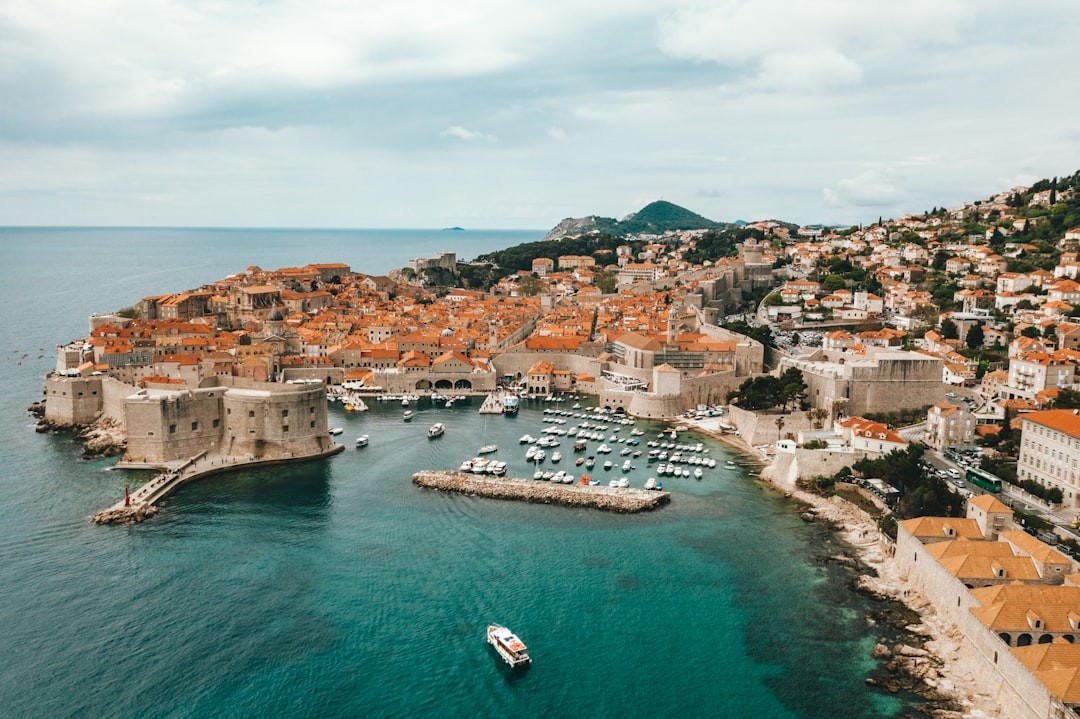
Dubrovnik's old town is one of the most visited sites in Europe and becomes genuinely overcrowded with cruise ship passengers between mid-morning and early evening in summer. The city walls open at 8am — arrive at opening to walk them in relative peace. Cruise ship passengers are usually gone by 7pm. City walls at 8am opening or after 6pm — those two windows are a completely different experience.
5. Plitvice Lakes
Timed entry tickets for Plitvice Lakes National Park must be booked online in advance during the tourist season. Swimming in the lakes is strictly prohibited — the ecosystem is UNESCO-protected and enforcement is active. Wear shoes with grip as the boardwalks are slippery. Swimming in Plitvice is prohibited and enforced — do not attempt it.
6. Istrian Truffles
Istria produces both black and white truffles of genuine quality, rivalling those of northern Italy. The autumn truffle season (October to November) is the finest time to visit for this speciality. Ordering truffle pasta in Motovun or the surrounding hill towns in season is one of the finest Italian-adjacent food experiences in Europe. Truffle pasta in Istrian hill towns October–November is one of Croatia's finest culinary experiences.
7. Driving
Croatia drives on the right. A vignette is required for motorways. The coastal road (D8) is spectacular but narrow and slow in summer — allow significantly more time than the map suggests. Petrol is sold in litres and is comparable in price to Western Europe. The coastal road looks fast on a map but is very slow in summer — add 50% to any journey estimate.
8. Water Quality
Tap water is safe to drink throughout Croatia. Ordering bottled water at a restaurant is entirely unnecessary. The Adriatic Sea around Croatia is exceptionally clear and clean — one of the highest-rated in Europe for water quality. Croatian tap water is safe and the Adriatic is among the cleanest seas in Europe.
9. Language
Croatian is the official language. English is very widely spoken in tourist areas and by younger Croatians. Italian is useful along the Istrian coast, which was historically under Venetian rule and retains strong Italian cultural influence. Italian is genuinely useful in Istria — many older residents are bilingual.
10. Tipping
10% is standard in restaurants. Ask for fish prices by the kilogram before ordering — fish is sold by weight in coastal restaurants and the final bill can surprise. Ordering 'catch of the day' is usually the freshest and best-value choice. Always ask the per-kg price for fish before ordering — it is not always on the menu.
Final Thoughts on Travelling in Croatia
The most important thing you can bring to Croatia is genuine curiosity and a willingness to engage with the country on its own terms. The practical tips above handle the logistics — entry, money, transport, customs. The quality of the experience beyond that depends on the attitude you bring: openness to the differences, patience with the unfamiliar, and respect for a culture that has its own valid way of doing things.
Where something seems inconvenient — later meal times, different tipping conventions, shops closed on certain days — it is worth remembering that these are features of a living culture, not failures to meet external expectations. Adapting to them, rather than working around them, consistently produces a richer experience.
Go with a flexible itinerary, the right practical foundation, and an appetite for what makes Croatia genuinely itself. That combination serves well in any country and particularly well here.