Best Time To Visit Denmark
By: Straighter Mobile Team
The Best Times to Visit Denmark
Timing a visit to Denmark well can transform the quality of the experience entirely. The country has distinct seasons, each with its own character, its own advantages, and its own challenges, and understanding what each period offers allows travellers to align their visit with their priorities rather than simply following the peak tourist season by default. The best time to visit depends entirely on what you are looking for — whether that is a particular festival, the finest weather for hiking, the quietest conditions at the major sites, or the most rewarding wine and food experience the country has to offer.
In general terms, May to August represent the most broadly rewarding period to visit Denmark, but this headline conceals considerable nuance. The country in the shoulder seasons of spring and autumn often offers a more genuinely satisfying travel experience than the peak summer months — quieter sites, lower prices, more authentic engagement with local life, and a quality of light and landscape that the highest tourist season can actually diminish rather than enhance.
The sections below break down the experience of visiting Denmark by time of year, covering the major seasons, the key festivals and cultural events, and the specific considerations that apply to particular types of travel. Whether you are planning a city break, a hiking trip, a cultural tour, or a wine and food journey, the timing of your visit will have a significant impact on what you find when you arrive.
Practical considerations also vary by season. Accommodation prices in Denmark typically peak in July and August and are at their lowest in November through February, with the exception of the Christmas and New Year period. Book in advance for peak season travel and for specific festivals and events regardless of the time of year. Out of season, the flexibility of turning up without a reservation adds a particular quality of adventure to travel in the country.
Key Takeaways:
- The peak summer season of July and August brings the most visitors, the highest prices, and the most crowded conditions at popular sites
- Spring (April to June) and autumn (September to October) offer the best combination of good weather, manageable crowds, and reasonable prices
- Festival and event dates are fixed regardless of season and can be the primary reason to visit at a specific time
- Winter travel offers the lowest prices and the most authentic engagement with local life, with certain specific winter attractions that summer cannot replicate
- The shoulder seasons consistently offer the finest overall travel experience for the visitor who is not tied to school holiday dates
Staying connected in Denmark
Stay connected to the internet throughout Europe, including Denmark, without worrying about expensive roaming fees with a Denmark eSIM that lets you install a digital SIM in minutes and stay connected effortlessly as you travel.
When to Visit Denmark — A Month by Month Guide
1. May and June — Long Days and Mild Temperatures
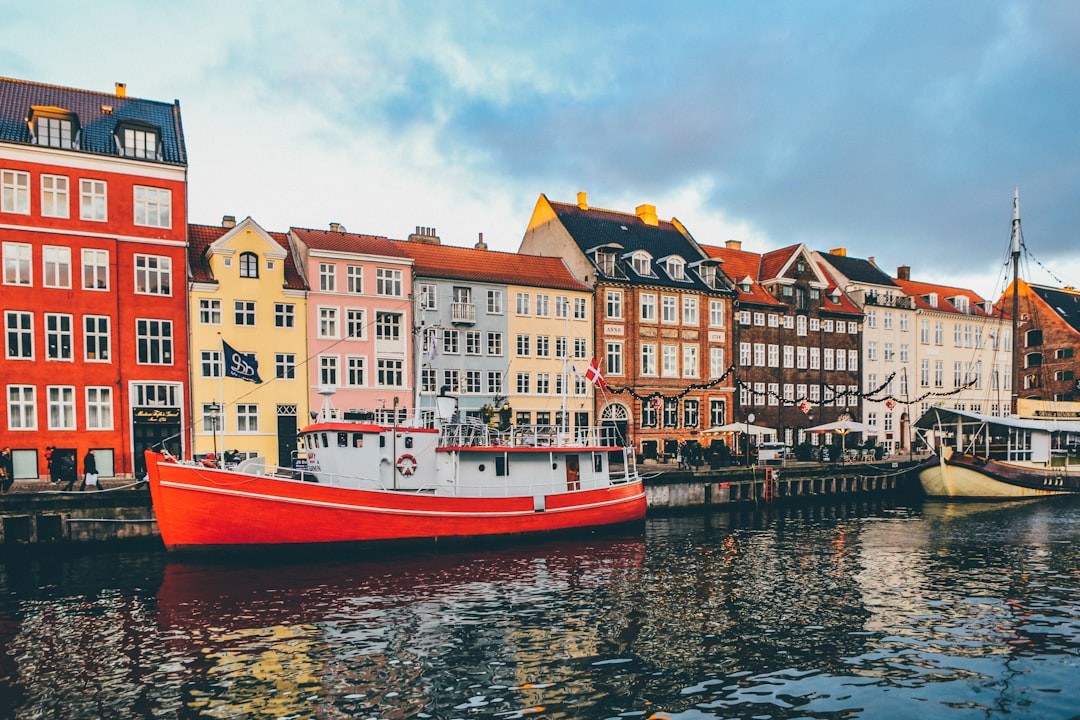
Late spring is the finest time to visit Denmark. The days are long and growing longer towards the summer solstice, the countryside is intensely green, the cycling infrastructure is at its most pleasurable to use, and the cultural calendar is active. Copenhagen in May has an energy and lightness that the darker months cannot replicate, and the Tivoli Gardens open for the season. Best for: Copenhagen, cycling, countryside. Temperatures 14–22°C..
2. July and August — Midsummer Peak
The Danish summer is warm, lively, and genuinely joyful, with Danes embracing every hour of daylight with an enthusiasm earned by enduring the long winters. The coastal areas of Jutland and the island beaches are popular with Danish families, and the music festival season reaches its peak with Roskilde Festival in late June and early July — one of the great European rock festivals. Best for: festivals, beaches, midsummer culture. Temperatures 18–26°C..
3. September and October — Pleasant Shoulder Season
Autumn in Denmark brings cooler temperatures and the first of the dramatic North Sea weather systems, but also some of the finest light of the year for photography and a cultural calendar in Copenhagen that is arguably at its richest. The New Nordic restaurant scene is at its seasonal best in autumn, when the foraging larder is at its fullest. Best for: food, culture, New Nordic dining. Temperatures 10–18°C..
4. December — Copenhagen at Christmas
Copenhagen's Christmas atmosphere is one of the finest in Europe, with Tivoli Gardens transforming into a winter wonderland with ice skating, Christmas trees, and the smell of æbleskiver Danish doughnuts and glogg mulled wine. The hygge concept of cosy warmth and candlelight is never more tangible than in a Copenhagen cafe in December. Best for: Christmas atmosphere, hygge culture. Temperatures 1–6°C..
5. Midsummer Solstice Celebrations
Midsummer, celebrated on the evening of 23 June with bonfires on beaches and in parks across Denmark, is one of the most joyful and characteristically Scandinavian events in the Danish calendar. The tradition of burning a witch effigy on the bonfire to send away evil spirits is combined with singing, feasting, and the extraordinary quality of the evening light at the solstice latitude. Best for: Danish cultural traditions. 23 June each year..
6. Roskilde Festival — Late June
The Roskilde Festival is one of the oldest and most celebrated rock and pop festivals in Europe, held on the outskirts of the Viking capital of Roskilde in late June and early July. It combines a remarkable musical lineup with a serious commitment to sustainability and a genuinely diverse and inclusive atmosphere. Best for: music festival culture. Late June to early July..
7. Bornholm Island in Summer
The Baltic island of Bornholm is at its best from June to September, when the island's distinctive culture of smoked herring, artisan food producers, round churches, and cliff scenery can all be enjoyed in good weather. The island attracts a different demographic from the main Danish resorts — artists, cyclists, and food lovers rather than beach package tourists. Best for: artisan food, cycling, island culture. June to September..
8. Spring in the Danish Countryside
The Danish countryside in April and May, particularly the beech forests of central Zealand and the coastal scenery of Jutland, offers a quality of fresh green landscape that is one of the finest natural experiences in Scandinavia. The beech forests of Gribskov north of Copenhagen are at their most beautiful when the leaves first emerge in late April. Best for: nature, countryside walks. April to May..
9. Faroe Islands — Summer Visit
The Faroe Islands, an autonomous territory of Denmark in the North Atlantic, are most accessible in the brief summer season from June to August when the weather is most stable and the ferry and flight connections most frequent. The dramatic cliffs, bird colonies, and walking routes of the archipelago are at their most rewarding in summer, though fog is possible at any time of year. Best for: dramatic scenery, birdwatching. June to August..
10. Skagen in the Summer Light
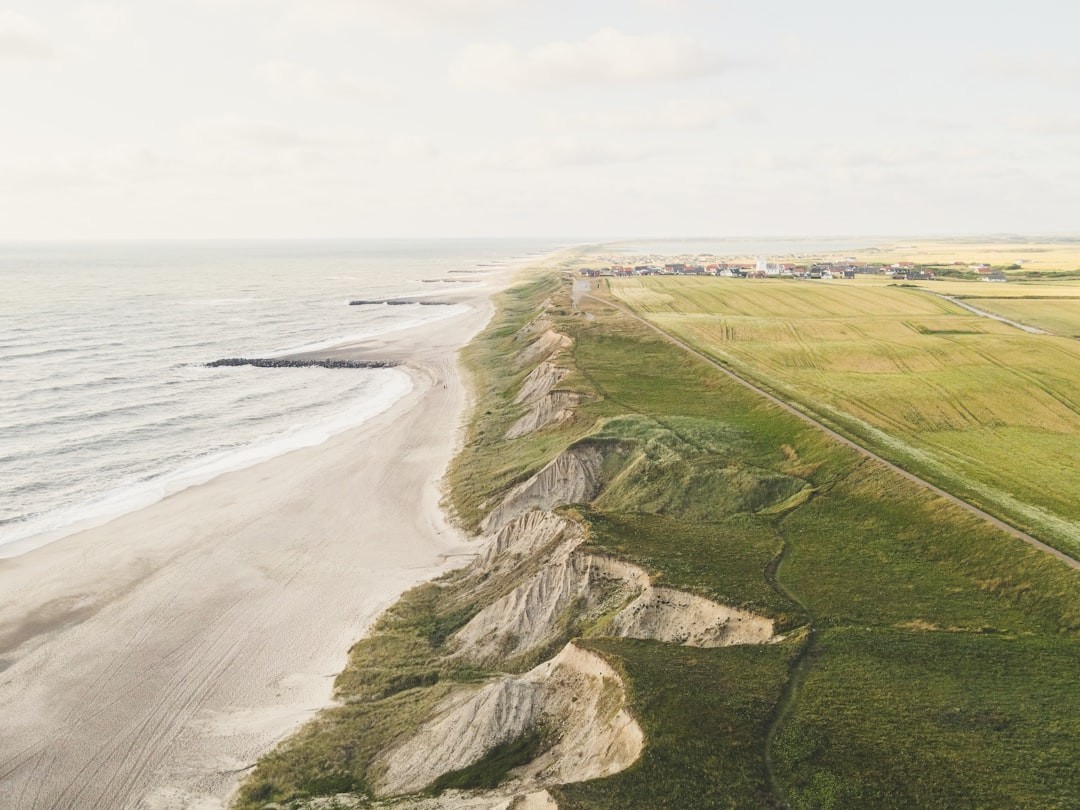
The northernmost tip of Denmark at Skagen has a quality of light — the result of the low angle of the sun, the surrounding sea, and the white sand dunes — that attracted a famous colony of artists in the late 19th century and continues to draw photographers and painters today. The light is at its most remarkable in the long June and July evenings. Best for: light, art, coastal scenery. June and July..
Final Thoughts on Timing Your Visit to Denmark
The question of when to visit Denmark does not have a single correct answer, but it does have better and worse answers depending on what you want from your time there. The traveller who visits in the height of summer will find a Denmark that is at its most accessible and its most internationally flavoured — with full tourist infrastructure, long days, warm temperatures, and the energy of a destination at its peak. The traveller who visits in the shoulder seasons will find a Denmark that is more itself — quieter, more affordable, and more genuinely engaged with its own cultural life rather than with the business of managing large numbers of visitors.
The festivals and cultural events listed above are worth planning around if they align with your interests. The great seasonal events of Denmark — whether religious, gastronomic, musical, or simply the natural spectacle of a landscape at its finest — are among the most rewarding reasons to travel here, and arriving in time for one of them adds a dimension to the visit that no amount of general sightseeing can replicate.
Whatever time of year you choose to visit, the practical advice is consistent: book accommodation in advance for peak season travel, be flexible about your itinerary in the shoulder seasons, and resist the temptation to try to see everything in a short time. Denmark is a destination that rewards the visitor who slows down, pays attention, and allows the character of each place and season to reveal itself gradually rather than rushing through a checklist of attractions.
Come at the right time for you, with the right expectations for the season, and Denmark will reward you generously regardless of when you choose to arrive.