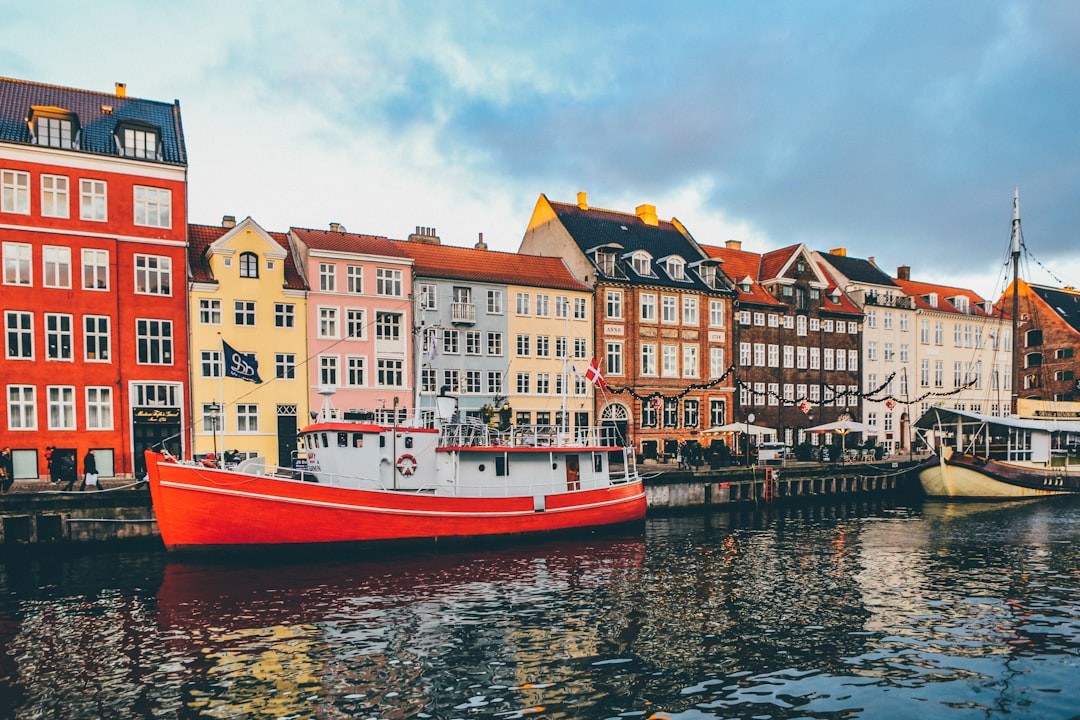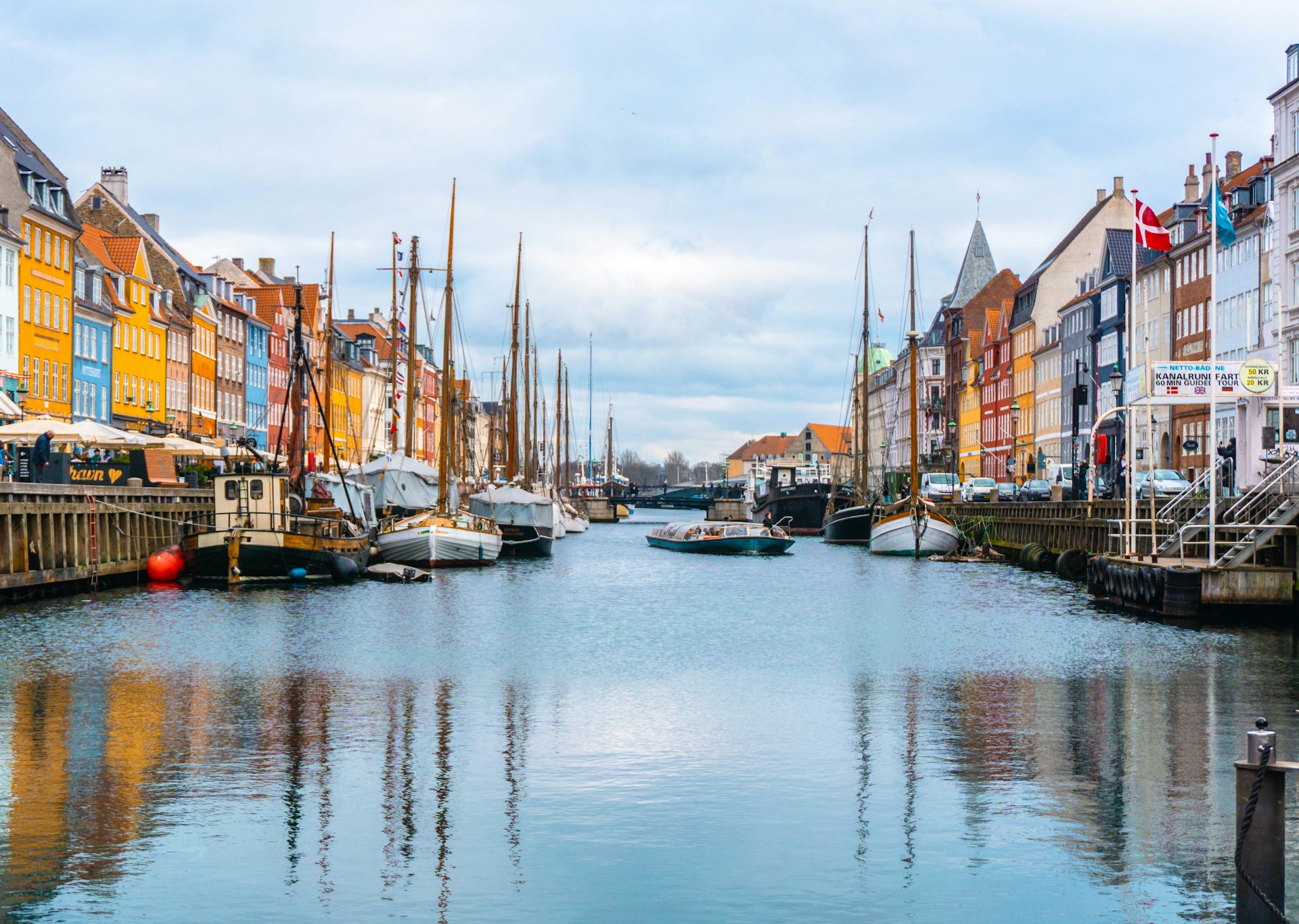
Things To Know About Denmark
By: Straighter Mobile Team
Essential Travel Tips for Denmark
Knowing a few key facts before arriving in Denmark makes the difference between a trip full of small frustrations and one that runs smoothly from day one. Every country has its own practical rhythms — its approach to money, transport, greetings, tipping, and the unwritten rules that guidebooks sometimes skip. The tips below address what actually matters on the ground, fact-checked for accuracy.
Some of these tips are practical (entry requirements, currency, transport); some are cultural (greetings, dining times, hospitality customs); some are safety-related. All of them apply regardless of where you are travelling from. None of them are difficult once you know them — but they are easy to get wrong if you arrive with assumptions drawn from home.
Entry requirements and political situations can change. Always verify visa rules through your own government's official travel advisory before departure. Travel insurance is non-negotiable for any international trip — ensure yours covers your planned activities. With the basics in hand, you are free to direct your attention towards what makes Denmark genuinely worth visiting.
Key Takeaways:
- Always verify current entry requirements through your government's official travel advisory
- Understand the local currency and whether cards or cash are expected before you arrive
- Even a single word in the local language changes how you are received
- Cultural norms around dining, tipping, and social behaviour are worth knowing in advance
- Safety-specific tips for Denmark are included — read them before you go
Staying connected in Denmark
Stay connected to the internet throughout Europe, including Denmark, without worrying about expensive roaming fees with a Denmark eSIM that lets you install a digital SIM in minutes and stay connected effortlessly as you travel.
10 Things to Know Before Visiting Denmark
1. Visa and Entry
Denmark is a Schengen member. EU citizens enter freely. US, UK, Canadian, and Australian citizens can enter visa-free for up to 90 days within the Schengen 180-day period. Note: Greenland and the Faroe Islands are Danish territories but are NOT part of Schengen — separate rules apply. Faroe Islands and Greenland have different entry rules from Denmark itself.
2. Currency: Krone, Not Euro
Denmark uses the Danish Krone (DKK), not the Euro, despite being an EU member. Denmark is one of the most expensive countries in Europe — budget $20–30 for a simple lunch, $10–15 for a beer. Many establishments are entirely cashless; cards are always the safest payment method. Cards are more reliable than cash in Denmark — many venues no longer accept notes.
3. Cycle Lane Protocol
Copenhagen has more bicycles than inhabitants and a world-class cycling infrastructure. Cycle lanes (wide red-surfaced paths) are for cyclists — walking or standing in them is dangerous and will result in immediate, justified annoyance from cyclists. This is genuinely important for personal safety. Never stand in a red cycle lane — cyclists move at speed and have priority.
4. Hygge is Real
Hygge (pronounced roughly 'hoo-guh') describes the Danish practice of cultivating warmth, cosiness, and convivial well-being. It is not a marketing concept — it is a genuine cultural priority expressed in the way Danes design cafes, organise their homes, and socialise. Participating rather than observing is the point. Sit in a candlelit Danish cafe with no agenda for an hour — you are experiencing hygge correctly.
5. Language
English is spoken to an extraordinarily high standard by virtually all Danes — Denmark consistently ranks first or second globally for English as a second language. 'Hej' (hello) and 'Tak' (thank you) are appreciated but Danish is not needed. No Danish is required — English is genuinely universal, even in rural areas.
6. Dining Out
Copenhagen has become one of the world's most celebrated food destinations since the New Nordic movement. Top restaurants require booking months in advance; lunch at the same calibre of restaurant costs a fraction of the dinner price. The Roskilde and Bornholm food cultures are less celebrated but excellent. Lunch at New Nordic restaurants is dramatically cheaper than dinner — book a lunch slot.
7. Alcohol Culture
The minimum legal age for purchasing alcohol in bars and restaurants is 18. Beer and wine can be purchased at supermarkets from age 16. Drinking in public spaces is legal and common, particularly in parks in summer. Craft beer and natural wine are Copenhagen's dominant drinking culture. Open containers in public are legal and normal in Denmark.
8. Midsummer (Sankt Hans)
Midsummer on 23 June (Sankt Hans Aften) is celebrated with bonfires on beaches and in parks, the burning of a witch effigy on the fire, and outdoor feasting. It is one of the most genuinely joyful Danish celebrations and is free to participate in — simply find a bonfire and join the crowd. Find a midsummer bonfire — it is entirely open and one of Denmark's finest celebrations.
9. Tipping
Tipping is not obligatory in Denmark. A service charge is included in restaurant bills. Adding 10% for exceptional service is appreciated but no social expectation exists. Service staff earn good Danish wages. No pressure to tip — Danish hospitality staff earn well without relying on it.
10. Weather Reality
Denmark has a maritime climate — cloudy, changeable, and capable of producing rain at any time of year. The summer months of June and July offer the best sunshine chances but are not guaranteed. Always carry a waterproof layer. Weather can change within hours — a compact waterproof jacket is always necessary.
Final Thoughts on Travelling in Denmark
The most important thing you can bring to Denmark is genuine curiosity and a willingness to engage with the country on its own terms. The practical tips above handle the logistics — entry, money, transport, customs. The quality of the experience beyond that depends on the attitude you bring: openness to the differences, patience with the unfamiliar, and respect for a culture that has its own valid way of doing things.
Where something seems inconvenient — later meal times, different tipping conventions, shops closed on certain days — it is worth remembering that these are features of a living culture, not failures to meet external expectations. Adapting to them, rather than working around them, consistently produces a richer experience.
Go with a flexible itinerary, the right practical foundation, and an appetite for what makes Denmark genuinely itself. That combination serves well in any country and particularly well here.