Best Time To Visit Greece
By: Straighter Mobile Team
The Best Times to Visit Greece
Timing a visit to Greece well can transform the quality of the experience entirely. The country has distinct seasons, each with its own character, its own advantages, and its own challenges, and understanding what each period offers allows travellers to align their visit with their priorities rather than simply following the peak tourist season by default. The best time to visit depends entirely on what you are looking for — whether that is a particular festival, the finest weather for hiking, the quietest conditions at the major sites, or the most rewarding wine and food experience the country has to offer.
In general terms, April to June and September to October represent the most broadly rewarding period to visit Greece, but this headline conceals considerable nuance. The country in the shoulder seasons of spring and autumn often offers a more genuinely satisfying travel experience than the peak summer months — quieter sites, lower prices, more authentic engagement with local life, and a quality of light and landscape that the highest tourist season can actually diminish rather than enhance.
The sections below break down the experience of visiting Greece by time of year, covering the major seasons, the key festivals and cultural events, and the specific considerations that apply to particular types of travel. Whether you are planning a city break, a hiking trip, a cultural tour, or a wine and food journey, the timing of your visit will have a significant impact on what you find when you arrive.
Practical considerations also vary by season. Accommodation prices in Greece typically peak in July and August and are at their lowest in November through February, with the exception of the Christmas and New Year period. Book in advance for peak season travel and for specific festivals and events regardless of the time of year. Out of season, the flexibility of turning up without a reservation adds a particular quality of adventure to travel in the country.
Key Takeaways:
- The peak summer season of July and August brings the most visitors, the highest prices, and the most crowded conditions at popular sites
- Spring (April to June) and autumn (September to October) offer the best combination of good weather, manageable crowds, and reasonable prices
- Festival and event dates are fixed regardless of season and can be the primary reason to visit at a specific time
- Winter travel offers the lowest prices and the most authentic engagement with local life, with certain specific winter attractions that summer cannot replicate
- The shoulder seasons consistently offer the finest overall travel experience for the visitor who is not tied to school holiday dates
Staying connected in Greece
Stay connected to the internet throughout Europe, including Greece, without worrying about expensive roaming fees with a Greece eSIM that lets you install a digital SIM in minutes and stay connected effortlessly as you travel.
When to Visit Greece — A Month by Month Guide
1. April and May — Wildflowers and Empty Sites
Spring is the finest time to visit Greece. The archaeological sites are green with grass and wildflowers, the temperatures are perfect for walking, the Aegean sea is calm and blue, and the tourist numbers are a fraction of the summer peak. The islands of Crete and Rhodes are warm enough for swimming by May, and the landscape of Pelion, the Mani, and the Zagori mountain villages is at its most beautiful. Best for: archaeological sites, hiking, island visits. Temperatures 18–26°C..
2. June — Last Month Before the Heat
June is an excellent month to visit Greece, offering warm sea temperatures good enough for swimming, the full range of ferry connections to the islands, and a pre-peak tourism atmosphere that still allows real engagement with local life. The Thessaloniki International Film Festival and various local festivals make June culturally active. Best for: islands, swimming, culture. Temperatures 24–32°C..
3. July and August — Peak Heat and Crowds
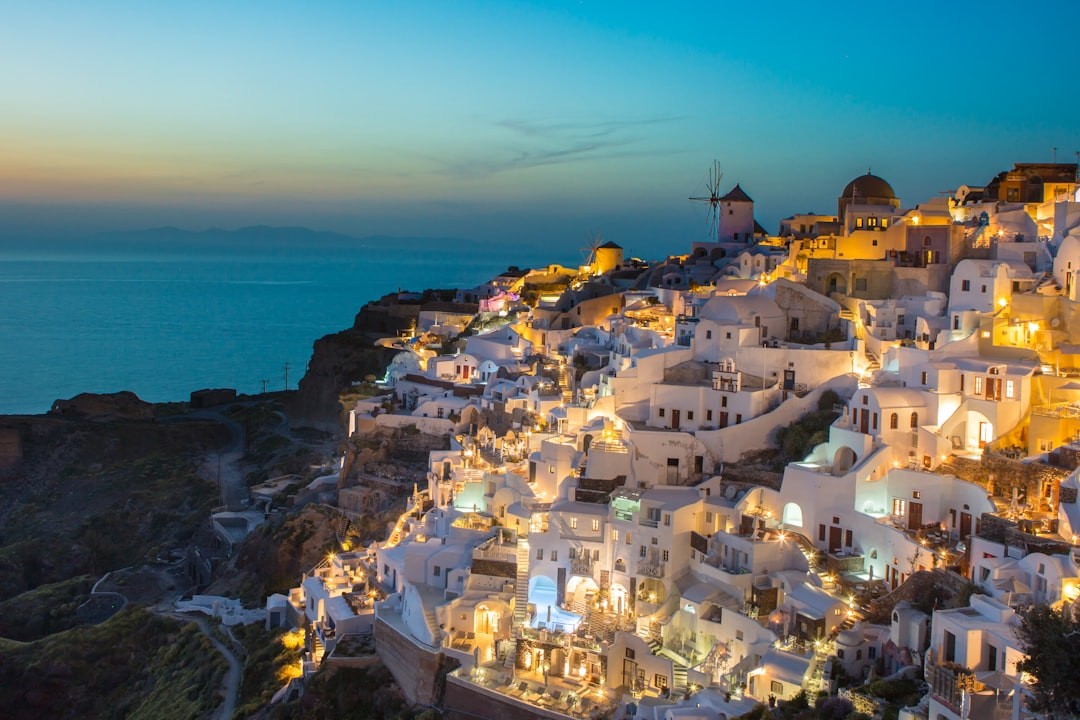
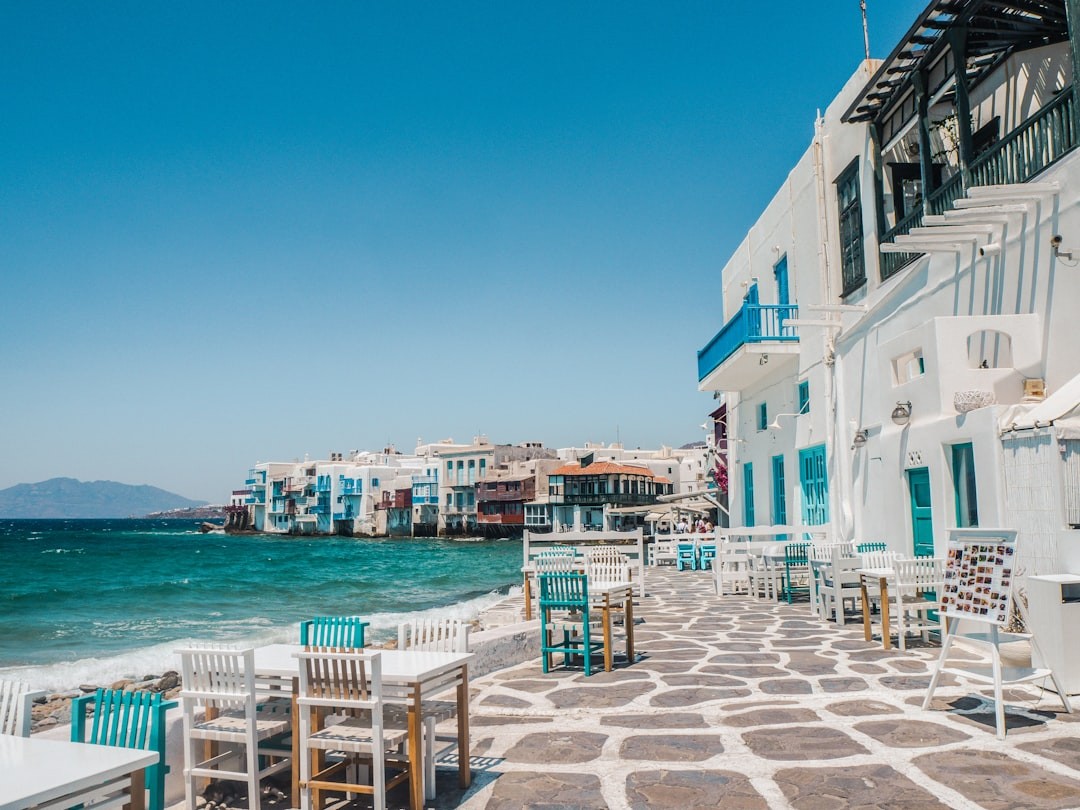
The Greek summer is hot, crowded, and expensive, particularly on the most popular islands of Santorini, Mykonos, and Rhodes, where accommodation books out months in advance and prices reach their annual maximum. The Cyclades are best explored on a sailing boat, moving between islands in the early morning and evening to avoid the midday heat. Athens in August is best avoided by those without a strong resistance to heat. Best for: beach holidays, sailing. Temperatures 30–40°C in the interior..
4. September and October — The Best Overall Season
September and October are the finest months to visit Greece. The sea remains warm enough for swimming well into October, the summer crowds have largely departed, and the prices across accommodation, restaurants, and activities are significantly lower than in August. The vineyards of Nemea, Naoussa, and Santorini are being harvested, and the quality of light in early autumn is extraordinary. Best for: everything. Temperatures 22–30°C. Best season overall..
5. Easter Week in Greece
Greek Orthodox Easter is the most important celebration in the Greek calendar and one of the most atmospheric religious events in Europe. The midnight Easter service on Holy Saturday, when the church lights go out and then gradually fill with candlelight as the congregation celebrates the Resurrection, is extraordinarily moving. Visiting a small island village rather than Athens gives the most intimate version of this tradition. Best for: religious culture. Date varies; April or May..
6. Athens in Winter
Athens is a perfectly viable winter destination, with mild temperatures, short queues at the Acropolis and the National Archaeological Museum, and a local cultural calendar of concerts, exhibitions, and theatre that is at its richest from November to March. The off-season hotel rates make Athens one of the best-value European city breaks in winter. Best for: Acropolis without crowds, budget travel. Temperatures 8–16°C..
7. Carnival Season — February or March
The Greek carnival season (Apokries) runs for the three weeks before the beginning of Orthodox Lent and is most spectacularly celebrated in Patras, where the carnival is the largest in Greece and one of the most exuberant in the Mediterranean. The parade of floats through the streets of Patras on the final weekend draws hundreds of thousands of spectators. Best for: carnival culture. February or March..
8. Crete in Early Summer
Crete is at its most beautiful in May and early June, when the island's extraordinary diversity of landscape — from the White Mountains and the Samaria Gorge to the palm-lined beach at Vai and the Minoan ruins of Knossos — can be explored in temperatures that are warm but not oppressive. The Samaria Gorge is open from May and is most rewarding in the months before the summer heat. Best for: Samaria Gorge, Minoan sites, beaches. May to June..
9. Autumn in the Zagori Villages
The Zagori region of northwest Greece, with its remarkable stone arch bridges, 18th-century village architecture, and the Vikos Gorge, is at its most beautiful in October when the beech forests turn gold and the light in the mountain valleys has a quality that summer cannot offer. Accommodation in the traditional stone guesthouses is significantly cheaper than in summer. Best for: hiking, mountain villages. October..
10. Thessaloniki in Autumn
Thessaloniki, Greece's second city and its cultural capital, is at its most rewarding in September and October when the International Film Festival and the various cultural events of the autumn season are underway. The Byzantine churches, the Roman remains, and the extraordinary food market of the Modiano are most pleasurable to explore in cooler temperatures. Best for: Byzantine culture, food, film festival. September to October..
Final Thoughts on Timing Your Visit to Greece
The question of when to visit Greece does not have a single correct answer, but it does have better and worse answers depending on what you want from your time there. The traveller who visits in the height of summer will find a Greece that is at its most accessible and its most internationally flavoured — with full tourist infrastructure, long days, warm temperatures, and the energy of a destination at its peak. The traveller who visits in the shoulder seasons will find a Greece that is more itself — quieter, more affordable, and more genuinely engaged with its own cultural life rather than with the business of managing large numbers of visitors.
The festivals and cultural events listed above are worth planning around if they align with your interests. The great seasonal events of Greece — whether religious, gastronomic, musical, or simply the natural spectacle of a landscape at its finest — are among the most rewarding reasons to travel here, and arriving in time for one of them adds a dimension to the visit that no amount of general sightseeing can replicate.
Whatever time of year you choose to visit, the practical advice is consistent: book accommodation in advance for peak season travel, be flexible about your itinerary in the shoulder seasons, and resist the temptation to try to see everything in a short time. Greece is a destination that rewards the visitor who slows down, pays attention, and allows the character of each place and season to reveal itself gradually rather than rushing through a checklist of attractions.
Come at the right time for you, with the right expectations for the season, and Greece will reward you generously regardless of when you choose to arrive.