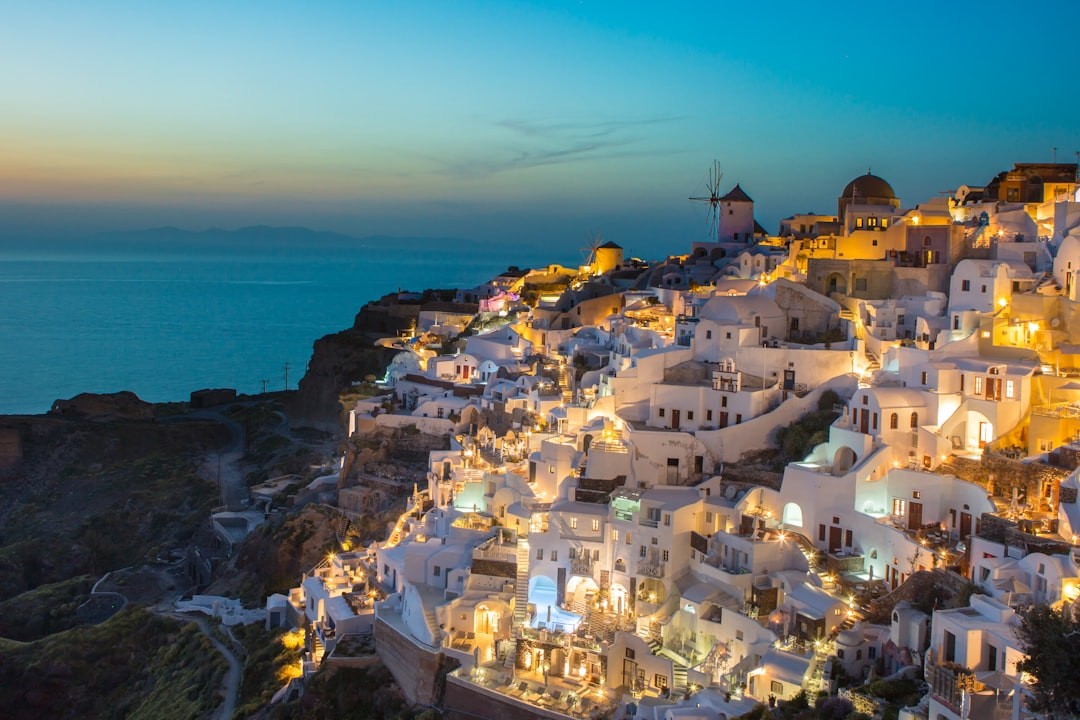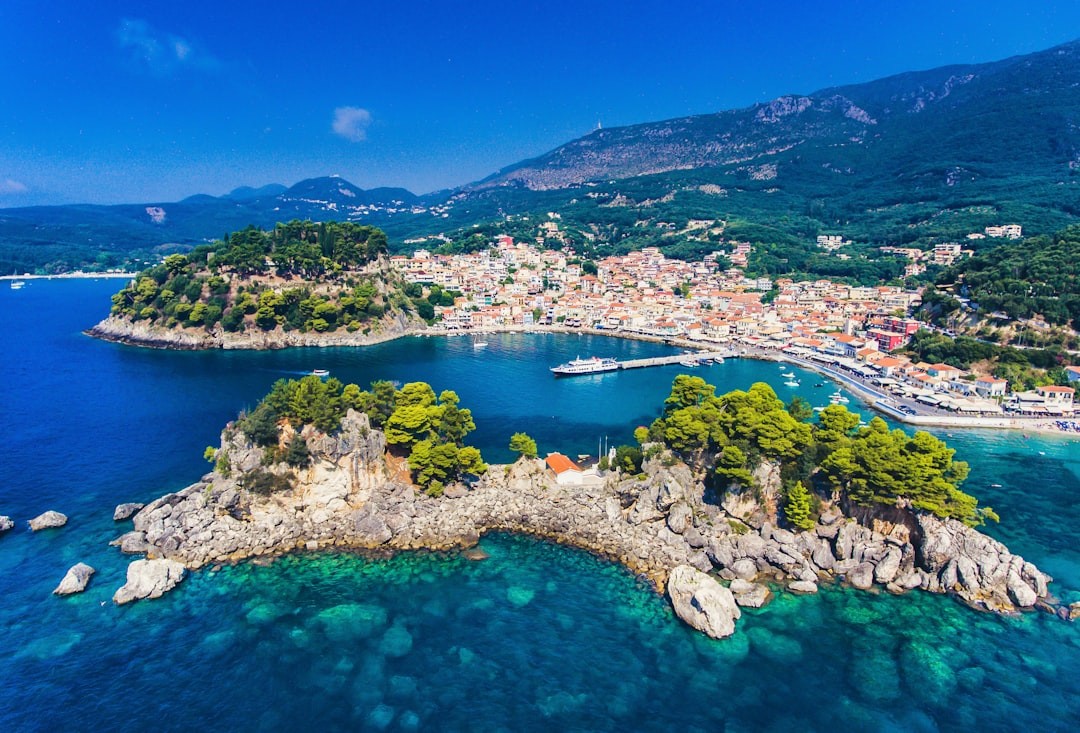
Things To Know About Greece
By: Straighter Mobile Team
Essential Travel Tips for Greece
Knowing a few key facts before arriving in Greece makes the difference between a trip full of small frustrations and one that runs smoothly from day one. Every country has its own practical rhythms — its approach to money, transport, greetings, tipping, and the unwritten rules that guidebooks sometimes skip. The tips below address what actually matters on the ground, fact-checked for accuracy.
Some of these tips are practical (entry requirements, currency, transport); some are cultural (greetings, dining times, hospitality customs); some are safety-related. All of them apply regardless of where you are travelling from. None of them are difficult once you know them — but they are easy to get wrong if you arrive with assumptions drawn from home.
Entry requirements and political situations can change. Always verify visa rules through your own government's official travel advisory before departure. Travel insurance is non-negotiable for any international trip — ensure yours covers your planned activities. With the basics in hand, you are free to direct your attention towards what makes Greece genuinely worth visiting.
Key Takeaways:
- Always verify current entry requirements through your government's official travel advisory
- Understand the local currency and whether cards or cash are expected before you arrive
- Even a single word in the local language changes how you are received
- Cultural norms around dining, tipping, and social behaviour are worth knowing in advance
- Safety-specific tips for Greece are included — read them before you go
Staying connected in Greece
Stay connected to the internet throughout Europe, including Greece, without worrying about expensive roaming fees with a Greece eSIM that lets you install a digital SIM in minutes and stay connected effortlessly as you travel.
10 Things to Know Before Visiting Greece
1. Visa and Entry
Greece is a Schengen member. EU citizens enter freely. US, UK, Canadian, and Australian citizens can enter visa-free for up to 90 days within the Schengen 180-day period. Schengen rules apply — Greece counts against your 90-day allowance.
2. Ferry Navigation
Multiple private companies operate Greek island ferries. Book through ferries.gr for a consolidated view. Piraeus port (Athens) serves most Cyclades and Crete routes; Rafina port (40 minutes from Athens) is more convenient for the eastern Cyclades (Mykonos, Santorini). Book vehicle places well in advance in summer. Rafina is closer to Athens airport than Piraeus — use it for eastern Cyclades routes.
3. The Afternoon Break
Many Greek shops, pharmacies, and local businesses close between approximately 2pm and 5pm for the mesimeriani (afternoon break). Major tourist sites and restaurants stay open. Greek dinner genuinely starts from 9pm; restaurants fill from 8:30pm. Adjusting to Greek timing is part of experiencing the culture properly. Greeks eat dinner from 9pm — arriving at 7pm means eating with other tourists.
4. Acropolis Booking
The Acropolis requires timed entry tickets booked online in advance, particularly in summer when same-day tickets sell out. The combined ticket (€30) covers the Acropolis and several other Athenian archaeological sites and is excellent value. Visit at 8am opening or in the late afternoon to avoid midday heat and peak crowds. The combined archaeological ticket covers the Acropolis and 6 other sites — always buy it.
5. Ordering at a Taverna
In a traditional Greek taverna, the correct approach is to order several dishes and share across the table — mezedes rather than individual mains. Ask what is fresh that day rather than ordering exclusively from the menu. Fresh catch and seasonal vegetables are always the best choice. Ask what is fresh today — the seasonal dish is usually better than anything printed on the menu.
6. Language
Greek uses the Greek alphabet. English is widely spoken in tourist areas and by younger Greeks in cities. 'Efharisto' (thank you), 'Parakalo' (please/you're welcome), and 'Yia sas' (hello/goodbye/cheers) are the essential three phrases. 'Yia mas' (to us/cheers) when raising a glass — Greeks appreciate the effort.
7. Heat Safety
Greek summer temperatures regularly exceed 40°C inland and 35°C on the coast. Heatstroke is a genuine risk for unacclimatised visitors in July and August. Drink significant quantities of water, wear sun protection, and avoid extended outdoor activity between noon and 4pm. 40°C+ is common in July and August — this is genuinely dangerous without preparation.
8. Orthodox Easter
Greek Orthodox Easter (Paska) is the most important celebration in the Greek calendar and one of the most atmospheric religious events in Europe. The midnight Saturday service, with its candlelight and ringing of bells, is extraordinarily moving. Dates differ from Western Easter — check the specific year. Orthodox Easter falls on a different date from Western Easter — check before planning.
9. Tap Water
Tap water is safe to drink on mainland Greece and Crete. On smaller islands, water may be desalinated — still safe but with a different taste. The smaller the island, the more advisable it is to check locally before drinking tap water. Mainland and Crete tap water is safe; check locally on smaller islands.
10. Tipping
10% in restaurants is standard. A cover charge for bread and table settings (typically €1–2 per person) is normal — this is not a scam. Taxi drivers appreciate rounding up. The bread/cover charge is standard — it is not an error or overcharge.
Final Thoughts on Travelling in Greece
The most important thing you can bring to Greece is genuine curiosity and a willingness to engage with the country on its own terms. The practical tips above handle the logistics — entry, money, transport, customs. The quality of the experience beyond that depends on the attitude you bring: openness to the differences, patience with the unfamiliar, and respect for a culture that has its own valid way of doing things.
Where something seems inconvenient — later meal times, different tipping conventions, shops closed on certain days — it is worth remembering that these are features of a living culture, not failures to meet external expectations. Adapting to them, rather than working around them, consistently produces a richer experience.
Go with a flexible itinerary, the right practical foundation, and an appetite for what makes Greece genuinely itself. That combination serves well in any country and particularly well here.