Best Time To Visit Montenegro
By: Straighter Mobile Team
The Best Times to Visit Montenegro
Timing a visit to Montenegro well can transform the quality of the experience entirely. The country has distinct seasons, each with its own character, its own advantages, and its own challenges, and understanding what each period offers allows travellers to align their visit with their priorities rather than simply following the peak tourist season by default. The best time to visit depends entirely on what you are looking for — whether that is a particular festival, the finest weather for hiking, the quietest conditions at the major sites, or the most rewarding wine and food experience the country has to offer.
In general terms, May to June and September to October represent the most broadly rewarding period to visit Montenegro, but this headline conceals considerable nuance. The country in the shoulder seasons of spring and autumn often offers a more genuinely satisfying travel experience than the peak summer months — quieter sites, lower prices, more authentic engagement with local life, and a quality of light and landscape that the highest tourist season can actually diminish rather than enhance.
The sections below break down the experience of visiting Montenegro by time of year, covering the major seasons, the key festivals and cultural events, and the specific considerations that apply to particular types of travel. Whether you are planning a city break, a hiking trip, a cultural tour, or a wine and food journey, the timing of your visit will have a significant impact on what you find when you arrive.
Practical considerations also vary by season. Accommodation prices in Montenegro typically peak in July and August and are at their lowest in November through February, with the exception of the Christmas and New Year period. Book in advance for peak season travel and for specific festivals and events regardless of the time of year. Out of season, the flexibility of turning up without a reservation adds a particular quality of adventure to travel in the country.
Key Takeaways:
- The peak summer season of July and August brings the most visitors, the highest prices, and the most crowded conditions at popular sites
- Spring (April to June) and autumn (September to October) offer the best combination of good weather, manageable crowds, and reasonable prices
- Festival and event dates are fixed regardless of season and can be the primary reason to visit at a specific time
- Winter travel offers the lowest prices and the most authentic engagement with local life, with certain specific winter attractions that summer cannot replicate
- The shoulder seasons consistently offer the finest overall travel experience for the visitor who is not tied to school holiday dates
Staying connected in Montenegro
Stay connected to the internet throughout Europe, including Montenegro, without worrying about expensive roaming fees with a Montenegro eSIM that lets you install a digital SIM in minutes and stay connected effortlessly as you travel.
When to Visit Montenegro — A Month by Month Guide
1. May and June — Finest Overall Season
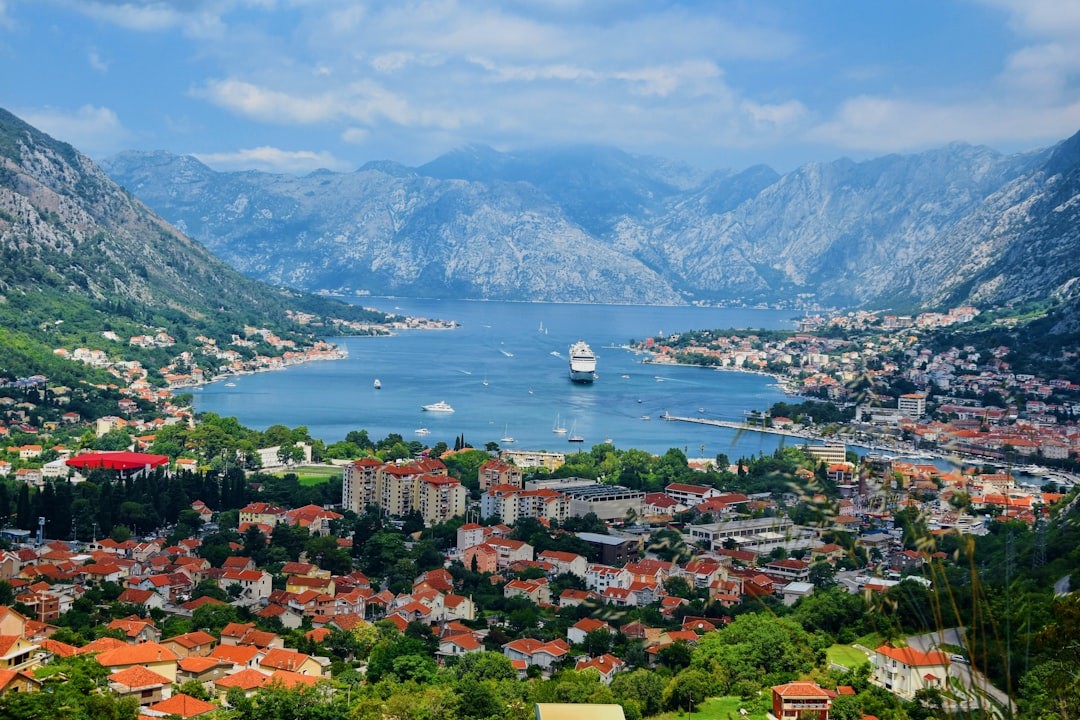
Late spring is the best time to visit Montenegro. The Bay of Kotor is at its most beautiful before the summer crowds arrive, the mountains of Durmitor are still snow-capped above spring meadows, and the Adriatic sea is beginning to warm for swimming. The dramatic coastal road from Kotor to Budva has its best quality of light in May and June. Best for: everything. Temperatures 20–28°C on the coast..
2. July and August — Peak Season
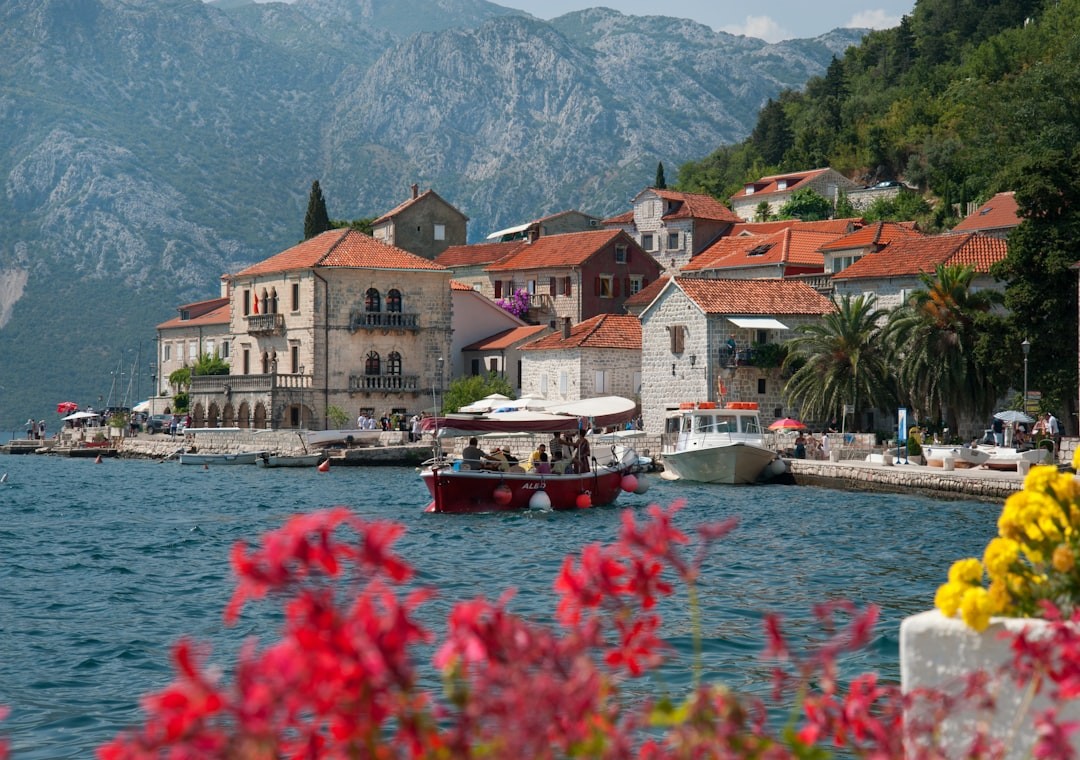
Montenegro's Adriatic coast becomes very busy in July and August, with the Bay of Kotor towns of Kotor, Perast, and Herceg Novi filling with visitors and the Budva beaches crowded. The sea is warm, the nightlife is at its most active, and accommodation should be booked months in advance for the coastal towns. The mountain areas of Durmitor and Biogradska Gora are far quieter. Best for: beach, nightlife, sea swimming. Temperatures 28–36°C..
3. September — Best Single Month
September is almost universally considered the finest month to visit Montenegro. The sea remains warm for swimming throughout the month, the summer crowds depart from the coastal towns, the prices drop significantly from their August peak, and the light over the Bay of Kotor and the Durmitor mountains is extraordinary. The Vranac grape harvest in the Podgorica wine region adds a seasonal pleasure. Best for: everything. Temperatures 22–30°C. Best month overall..
4. October — Autumn in the Mountains
October brings spectacular autumn colours to the Durmitor and Biogradska Gora national parks, and the mountain towns become entirely peaceful after the summer tourist season. The coastal towns begin to wind down their tourist season but remain open and pleasant, and the Bay of Kotor retains a beauty in October that it never quite loses regardless of season. Best for: mountain scenery, culture. Temperatures 14–22°C..
5. Kotor Carnival — February
The Kotor Winter Carnival, held in the days before Lent each February, is one of the oldest carnivals in the Adriatic region, with masked balls, costume parades, and the spectacular burning of the carnival figure in the harbour. The medieval walled city provides an extraordinary backdrop for the celebrations. Best for: carnival culture. February..
6. Sea Dancing Festival — July
The Sea Dancing Festival at Budva in July is the largest music festival in Montenegro, transforming the beach promenade of the coastal resort into an outdoor concert venue for a week of regional and international music acts. It is one of the most atmospheric summer music events in the Balkans. Best for: music festival. July..
7. Rafting the Tara Canyon in Spring
The Tara River Canyon, the deepest in Europe at 1,300m, offers the finest white-water rafting in the Balkans, and the spring season from April to June when the river is running high from snowmelt is the best time for the most thrilling experience. The multi-day rafting expeditions that camp along the riverbank are the most complete way to experience this extraordinary landscape. Best for: rafting. April to June..
8. Ostrog Monastery Pilgrimage Season
The monastery of Ostrog, carved into a cliff face at 900m, is a significant pilgrimage site throughout the year but is most visited during the feast of St Basil of Ostrog on 12 May, when pilgrims from across the Orthodox world gather for a celebration of considerable spiritual intensity. Visiting outside the pilgrimage season gives a quieter but equally moving experience. Best for: religious culture. Feast day 12 May; off-season for quiet..
9. Winter on the Bay of Kotor
The Bay of Kotor in winter has a dramatic beauty that is entirely different from the summer version — the mountains above the bay are often snow-capped, morning mist fills the fjord, and the medieval towns of Kotor and Perast are almost entirely empty of tourists. Accommodation is very cheap and the local restaurants serve only local food. Best for: atmosphere, budget travel. November to March..
10. Biogradska Gora in Autumn
The primeval forest of Biogradska Gora National Park is most spectacular in October when the centuries-old beech and oak trees turn gold and red around the glacial lake at the heart of the park. The forest floor is silent and covered in leaves, and the quality of the light filtering through the ancient canopy is unlike anything else in Montenegro. Best for: nature photography. October..
Final Thoughts on Timing Your Visit to Montenegro
The question of when to visit Montenegro does not have a single correct answer, but it does have better and worse answers depending on what you want from your time there. The traveller who visits in the height of summer will find a Montenegro that is at its most accessible and its most internationally flavoured — with full tourist infrastructure, long days, warm temperatures, and the energy of a destination at its peak. The traveller who visits in the shoulder seasons will find a Montenegro that is more itself — quieter, more affordable, and more genuinely engaged with its own cultural life rather than with the business of managing large numbers of visitors.
The festivals and cultural events listed above are worth planning around if they align with your interests. The great seasonal events of Montenegro — whether religious, gastronomic, musical, or simply the natural spectacle of a landscape at its finest — are among the most rewarding reasons to travel here, and arriving in time for one of them adds a dimension to the visit that no amount of general sightseeing can replicate.
Whatever time of year you choose to visit, the practical advice is consistent: book accommodation in advance for peak season travel, be flexible about your itinerary in the shoulder seasons, and resist the temptation to try to see everything in a short time. Montenegro is a destination that rewards the visitor who slows down, pays attention, and allows the character of each place and season to reveal itself gradually rather than rushing through a checklist of attractions.
Come at the right time for you, with the right expectations for the season, and Montenegro will reward you generously regardless of when you choose to arrive.