Things To Know About Montenegro
By: Straighter Mobile Team
Essential Travel Tips for Montenegro
Knowing a few key facts before arriving in Montenegro makes the difference between a trip full of small frustrations and one that runs smoothly from day one. Every country has its own practical rhythms — its approach to money, transport, greetings, tipping, and the unwritten rules that guidebooks sometimes skip. The tips below address what actually matters on the ground, fact-checked for accuracy.
Some of these tips are practical (entry requirements, currency, transport); some are cultural (greetings, dining times, hospitality customs); some are safety-related. All of them apply regardless of where you are travelling from. None of them are difficult once you know them — but they are easy to get wrong if you arrive with assumptions drawn from home.
Entry requirements and political situations can change. Always verify visa rules through your own government's official travel advisory before departure. Travel insurance is non-negotiable for any international trip — ensure yours covers your planned activities. With the basics in hand, you are free to direct your attention towards what makes Montenegro genuinely worth visiting.
Key Takeaways:
- Always verify current entry requirements through your government's official travel advisory
- Understand the local currency and whether cards or cash are expected before you arrive
- Even a single word in the local language changes how you are received
- Cultural norms around dining, tipping, and social behaviour are worth knowing in advance
- Safety-specific tips for Montenegro are included — read them before you go
Staying connected in Montenegro
Stay connected to the internet throughout Europe, including Montenegro, without worrying about expensive roaming fees with a Montenegro eSIM that lets you install a digital SIM in minutes and stay connected effortlessly as you travel.
10 Things to Know Before Visiting Montenegro
1. Visa and Entry
Citizens of the EU, US, UK, Canada, and Australia can enter Montenegro visa-free for up to 90 days within a 180-day period. Montenegro is not EU or Schengen but is an EU candidate country. A valid passport is required. Visa-free 90 days for most Western visitors; not Schengen.
2. Currency
Montenegro uses the Euro despite not being an EU member — it adopted the Euro unilaterally in 2002. Cards work in hotels, larger restaurants, and tourist areas. Cash is essential in villages, local restaurants, and rural markets. Euro used unilaterally — not from EU membership. Cash essential in rural areas.
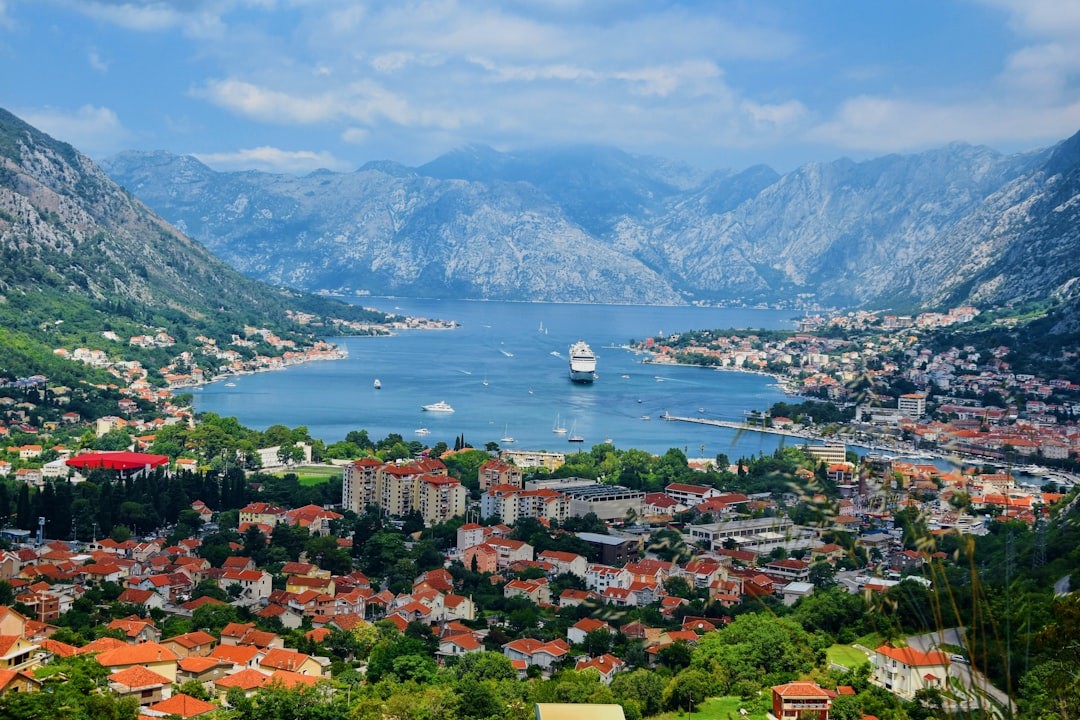
3. Kotor Crowd Strategy
Kotor old town is heavily visited by cruise ship passengers between mid-morning and early evening. Arrive by 8am before the ships disembark, or after 6pm when they have left. The wall walk to St John's Fortress (approximately 1,350 steps) is best done in the morning before heat builds. Carry water — there is none on the climb. 8am or after 6pm for Kotor old town; carry water for the fortress climb.
4. Language
Montenegrin is the official language, mutually intelligible with Serbian, Croatian, and Bosnian. Both Cyrillic and Latin alphabets are used. English is widely spoken in tourist areas. 'Hvala' (thank you) works across all local language variants.
5. Ostrog Monastery
Ostrog Monastery, carved into a cliff face at 900m altitude, is one of the most important pilgrimage sites in the Orthodox world. In summer, a shuttle bus operates from the lower monastery due to traffic congestion on the single narrow access road. Modest dress (covered shoulders and knees) is required. Ostrog shuttle bus runs in summer — the road is genuinely too narrow for individual car access.
6. Njeguški Prosciutto
The village of Njeguši above the Bay of Kotor is the source of Montenegro's finest cured prosciutto, smoked in the dry mountain air. It is genuinely different from Italian prosciutto and is among the finest cured meats in the Balkans. Buy it directly from producers in the village. Njeguši prosciutto bought directly from village producers is one of Montenegro's finest food experiences.
7. Vranac Wine
Vranac is Montenegro's indigenous red grape, producing a full-bodied, dark red wine with character. The Plantaže winery near Podgorica is the country's largest producer and offers good-value, internationally recognised bottles. Montenegrin wine is significantly cheaper than Croatian equivalents of similar quality. Plantaže Vranac is excellent quality at a fraction of Croatian or Western European red wine prices.
8. Durmitor and Tara Canyon
Durmitor National Park is approximately 3 hours from Kotor. The Tara River Canyon (the deepest in Europe at 1,300m) offers the finest white-water rafting in the Balkans. Book with a licensed operator in Žabljak. The Đurđevića Tara Bridge at 150m above the river is one of Europe's highest arch bridges. Tara Canyon rafting must be booked with a licensed Žabljak operator — do not improvise.
9. Driving
Montenegro drives on the right. The coastal road (M2) is spectacular but very narrow with summer queues. Police speed checks are common. An international driving permit is recommended. Coastal road is narrow and slow in summer — allow much more time than the map suggests.
10. Tipping
10% in tourist-area restaurants is standard. In local restaurants, rounding up is fine. Beach clubs and higher-end establishments on the coast sometimes add service charges. 10% in tourist restaurants; rounding up in local places.
Final Thoughts on Travelling in Montenegro
The most important thing you can bring to Montenegro is genuine curiosity and a willingness to engage with the country on its own terms. The practical tips above handle the logistics — entry, money, transport, customs. The quality of the experience beyond that depends on the attitude you bring: openness to the differences, patience with the unfamiliar, and respect for a culture that has its own valid way of doing things.
Where something seems inconvenient — later meal times, different tipping conventions, shops closed on certain days — it is worth remembering that these are features of a living culture, not failures to meet external expectations. Adapting to them, rather than working around them, consistently produces a richer experience.
Go with a flexible itinerary, the right practical foundation, and an appetite for what makes Montenegro genuinely itself. That combination serves well in any country and particularly well here.