Best Time To Visit Slovenia
By: Straighter Mobile Team
The Best Times to Visit Slovenia
Timing a visit to Slovenia well can transform the quality of the experience entirely. The country has distinct seasons, each with its own character, its own advantages, and its own challenges, and understanding what each period offers allows travellers to align their visit with their priorities rather than simply following the peak tourist season by default. The best time to visit depends entirely on what you are looking for — whether that is a particular festival, the finest weather for hiking, the quietest conditions at the major sites, or the most rewarding wine and food experience the country has to offer.
In general terms, May to September represent the most broadly rewarding period to visit Slovenia, but this headline conceals considerable nuance. The country in the shoulder seasons of spring and autumn often offers a more genuinely satisfying travel experience than the peak summer months — quieter sites, lower prices, more authentic engagement with local life, and a quality of light and landscape that the highest tourist season can actually diminish rather than enhance.
The sections below break down the experience of visiting Slovenia by time of year, covering the major seasons, the key festivals and cultural events, and the specific considerations that apply to particular types of travel. Whether you are planning a city break, a hiking trip, a cultural tour, or a wine and food journey, the timing of your visit will have a significant impact on what you find when you arrive.
Practical considerations also vary by season. Accommodation prices in Slovenia typically peak in July and August and are at their lowest in November through February, with the exception of the Christmas and New Year period. Book in advance for peak season travel and for specific festivals and events regardless of the time of year. Out of season, the flexibility of turning up without a reservation adds a particular quality of adventure to travel in the country.
Key Takeaways:
- The peak summer season of July and August brings the most visitors, the highest prices, and the most crowded conditions at popular sites
- Spring (April to June) and autumn (September to October) offer the best combination of good weather, manageable crowds, and reasonable prices
- Festival and event dates are fixed regardless of season and can be the primary reason to visit at a specific time
- Winter travel offers the lowest prices and the most authentic engagement with local life, with certain specific winter attractions that summer cannot replicate
- The shoulder seasons consistently offer the finest overall travel experience for the visitor who is not tied to school holiday dates
Staying connected in Slovenia
Stay connected to the internet throughout Europe, including Slovenia, without worrying about expensive roaming fees with a Slovenia eSIM that lets you install a digital SIM in minutes and stay connected effortlessly as you travel.
When to Visit Slovenia — A Month by Month Guide
1. May and June — Alpine Spring
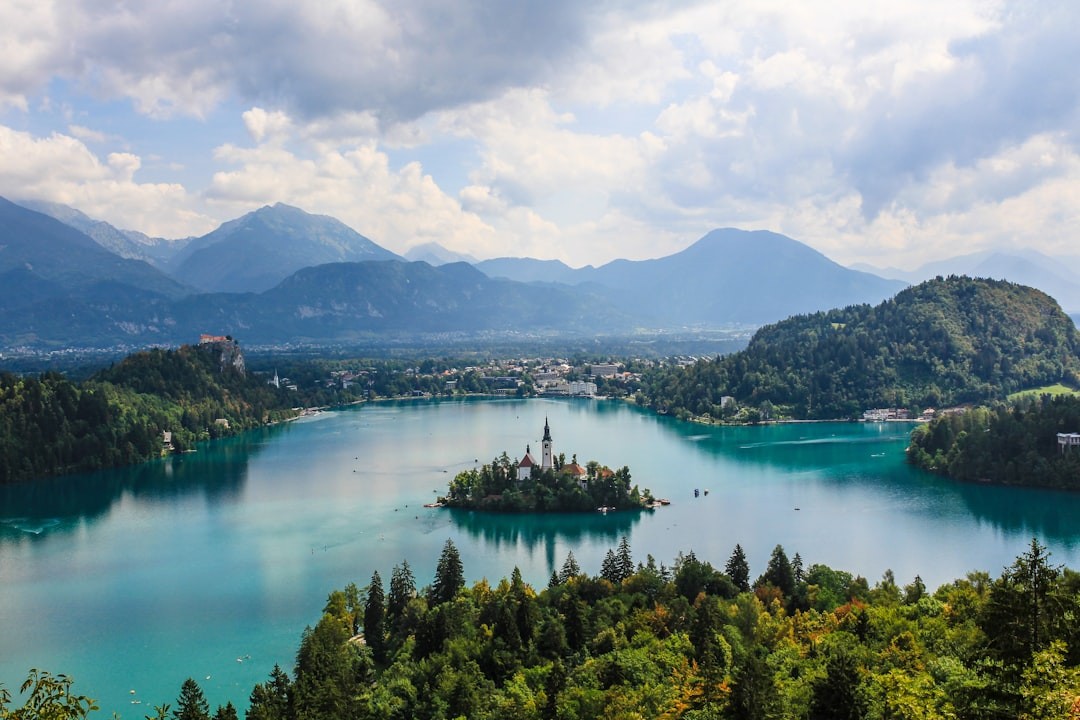
Late spring is the finest time to visit Slovenia. Lake Bled is at its most beautiful before the summer crowds arrive, the Julian Alps are in bloom above the snowline, and the Soča River runs a particularly intense shade of turquoise in the spring light. The Postojna Cave and Predjama Castle are most pleasurable to visit without the summer queues. Best for: everything. Temperatures 16–24°C..
2. July and August — Peak Season
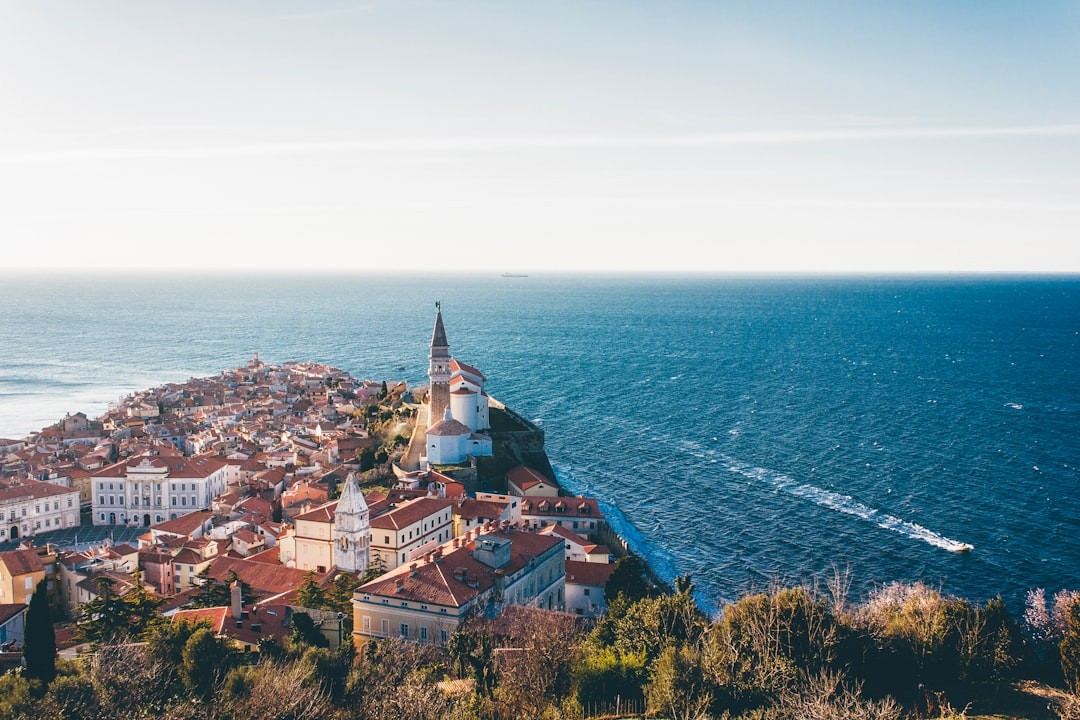
Slovenia's summer is warm and active, with Lake Bled's rowing boats and castle visitors at their busiest and the Adriatic coast around Piran and Portorož at its most popular. The Triglav National Park hiking routes are fully open, and the Soča Valley is popular for kayaking, rafting, and swimming in the extraordinary turquoise river. Best for: hiking, lake visits, coast. Temperatures 22–30°C..
3. September — Best Overall Month
September is widely regarded as the finest month to visit Slovenia. The summer heat softens, the tourist numbers drop significantly, the Julian Alps take on the first hints of autumn colour, and the Vipava Valley wine harvest is underway. Accommodation prices drop noticeably from their August peak, and the country feels genuinely relaxed and welcoming. Best for: everything. Temperatures 16–26°C. Best month overall..
4. October — Autumn Colours
October brings spectacular autumn colour to the Slovenian forests, particularly in the Triglav National Park and the Soča Valley, and the morning mist in the Ljubljana basin creates conditions for landscape photography that summer cannot match. The wine harvest in the Brda and Primorska regions is complete and the new vintage is available to taste. Best for: photography, wine, hiking. Temperatures 10–18°C..
5. Ljubljana in Any Season
Ljubljana is one of Europe's most pleasant capitals to visit at any time of year, with a compact pedestrianised centre, excellent cafe culture, a lively food market, and a castle accessible by foot or funicular. The summer open-air cultural programme fills the castle courtyards and riverbanks, while winter brings Christmas markets of genuine quality. Best for: year-round city breaks. Summer for outdoor culture, December for markets..
6. Kurentovanje Carnival — February
The Kurentovanje festival in Ptuj, held in the days before Lent, is the most famous traditional carnival in Slovenia, featuring the extraordinary Kurent figures in their sheepskin costumes who drive away winter with their cowbells and clubs. It is one of the most visually remarkable folk festivals in Central Europe and draws visitors from across the region. Best for: traditional culture. February..
7. Lake Bled in Shoulder Season
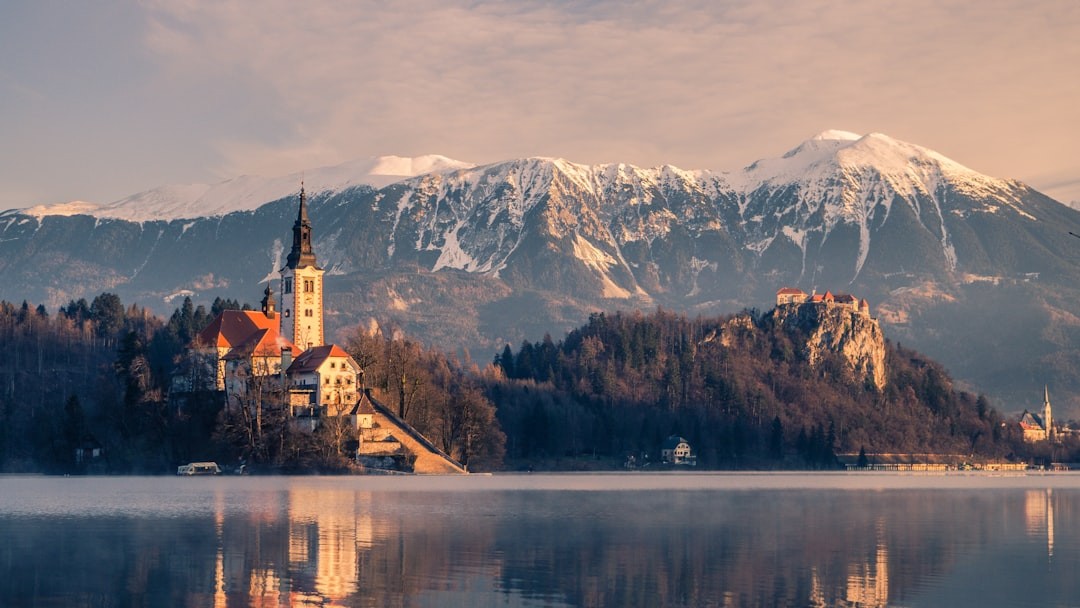
Lake Bled is one of the most photographed places in Europe and is genuinely crowded in July and August. Visiting in May, September, or October gives a far more rewarding experience of the lake, with the rowing boats less crowded, the castle more peaceful, and the morning mist on the water creating conditions that no summer photograph can replicate. Best for: authentic Bled experience. May and September..
8. Soča Valley Outdoor Season — May to September
The Soča Valley outdoor season for kayaking, rafting, fly-fishing, and hiking runs from May to September, with the spring melt providing the highest water levels for white-water enthusiasts in May and June. The Soča's extraordinary turquoise colour is most vivid in June and September when the light angle is lower and the water clearest. Best for: outdoor adventure. May to September..
9. Slovenian Wine Harvest — September to October
The wine regions of Brda, the Vipava Valley, and the Karst (home of the indigenous Teran red wine made from Refosco) are most rewarding to visit in September and October during and after the harvest. The wineries of the Brda region in particular have developed a sophisticated wine tourism offer that rivals the best in Northern Italy just across the border. Best for: wine tourism. September to October..
10. Winter in Kranjska Gora
The ski resort of Kranjska Gora in the Julian Alps is Slovenia's most developed winter sports destination, with good skiing for all levels and a charming village centre. The resort hosts a World Cup slalom race each January that is the most glamorous sporting event in the Slovenian winter calendar. Cross-country skiing and snowshoeing are excellent alternatives to downhill skiing. Best for: skiing. December to March..
Final Thoughts on Timing Your Visit to Slovenia
The question of when to visit Slovenia does not have a single correct answer, but it does have better and worse answers depending on what you want from your time there. The traveller who visits in the height of summer will find a Slovenia that is at its most accessible and its most internationally flavoured — with full tourist infrastructure, long days, warm temperatures, and the energy of a destination at its peak. The traveller who visits in the shoulder seasons will find a Slovenia that is more itself — quieter, more affordable, and more genuinely engaged with its own cultural life rather than with the business of managing large numbers of visitors.
The festivals and cultural events listed above are worth planning around if they align with your interests. The great seasonal events of Slovenia — whether religious, gastronomic, musical, or simply the natural spectacle of a landscape at its finest — are among the most rewarding reasons to travel here, and arriving in time for one of them adds a dimension to the visit that no amount of general sightseeing can replicate.
Whatever time of year you choose to visit, the practical advice is consistent: book accommodation in advance for peak season travel, be flexible about your itinerary in the shoulder seasons, and resist the temptation to try to see everything in a short time. Slovenia is a destination that rewards the visitor who slows down, pays attention, and allows the character of each place and season to reveal itself gradually rather than rushing through a checklist of attractions.
Come at the right time for you, with the right expectations for the season, and Slovenia will reward you generously regardless of when you choose to arrive.