Things To Know About Slovenia
By: Straighter Mobile Team
Essential Travel Tips for Slovenia
Knowing a few key facts before arriving in Slovenia makes the difference between a trip full of small frustrations and one that runs smoothly from day one. Every country has its own practical rhythms — its approach to money, transport, greetings, tipping, and the unwritten rules that guidebooks sometimes skip. The tips below address what actually matters on the ground, fact-checked for accuracy.
Some of these tips are practical (entry requirements, currency, transport); some are cultural (greetings, dining times, hospitality customs); some are safety-related. All of them apply regardless of where you are travelling from. None of them are difficult once you know them — but they are easy to get wrong if you arrive with assumptions drawn from home.
Entry requirements and political situations can change. Always verify visa rules through your own government's official travel advisory before departure. Travel insurance is non-negotiable for any international trip — ensure yours covers your planned activities. With the basics in hand, you are free to direct your attention towards what makes Slovenia genuinely worth visiting.
Key Takeaways:
- Always verify current entry requirements through your government's official travel advisory
- Understand the local currency and whether cards or cash are expected before you arrive
- Even a single word in the local language changes how you are received
- Cultural norms around dining, tipping, and social behaviour are worth knowing in advance
- Safety-specific tips for Slovenia are included — read them before you go
Staying connected in Slovenia
Stay connected to the internet throughout Europe, including Slovenia, without worrying about expensive roaming fees with a Slovenia eSIM that lets you install a digital SIM in minutes and stay connected effortlessly as you travel.
10 Things to Know Before Visiting Slovenia
1. Visa and Entry
Slovenia is a Schengen member and uses the Euro. EU citizens enter freely. US, UK, Canadian, and Australian citizens can enter visa-free for up to 90 days within the Schengen 180-day period. Euro currency; Schengen rules apply.
2. Costs
Slovenia is moderately priced — less expensive than Austria or Italy but more expensive than Croatia or Slovakia. Ljubljana and Lake Bled are the priciest areas. Overall the country represents good value relative to its quality of experience. More affordable than Austria or Italy; Lake Bled is the most expensive area.
3. Lake Bled Practicalities
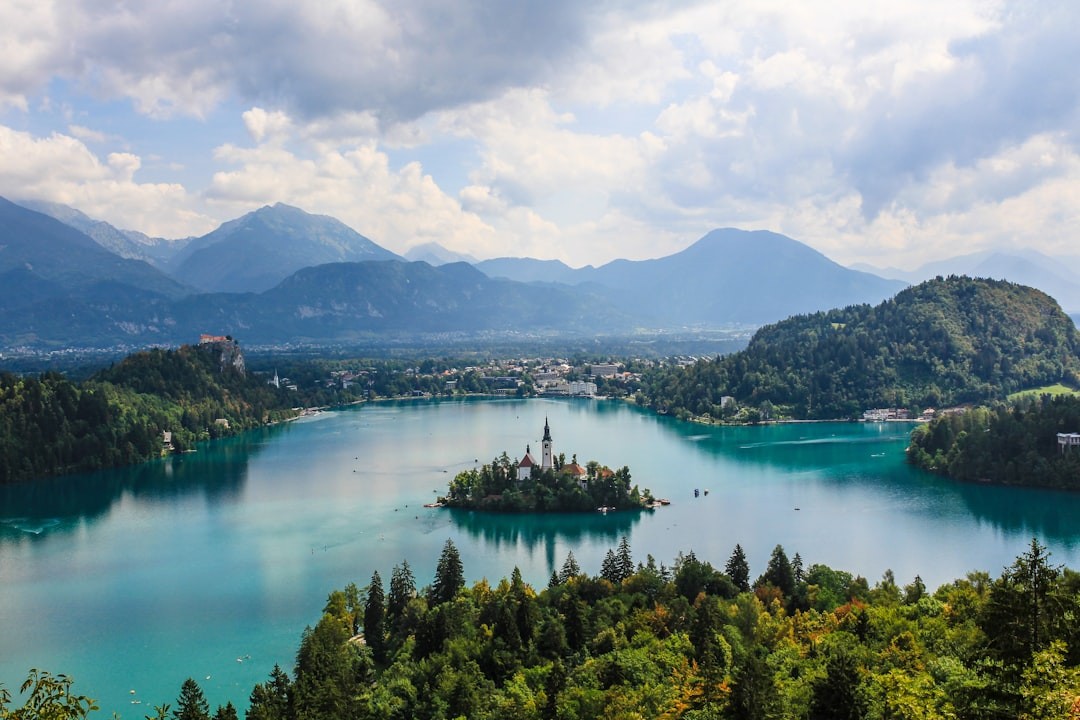
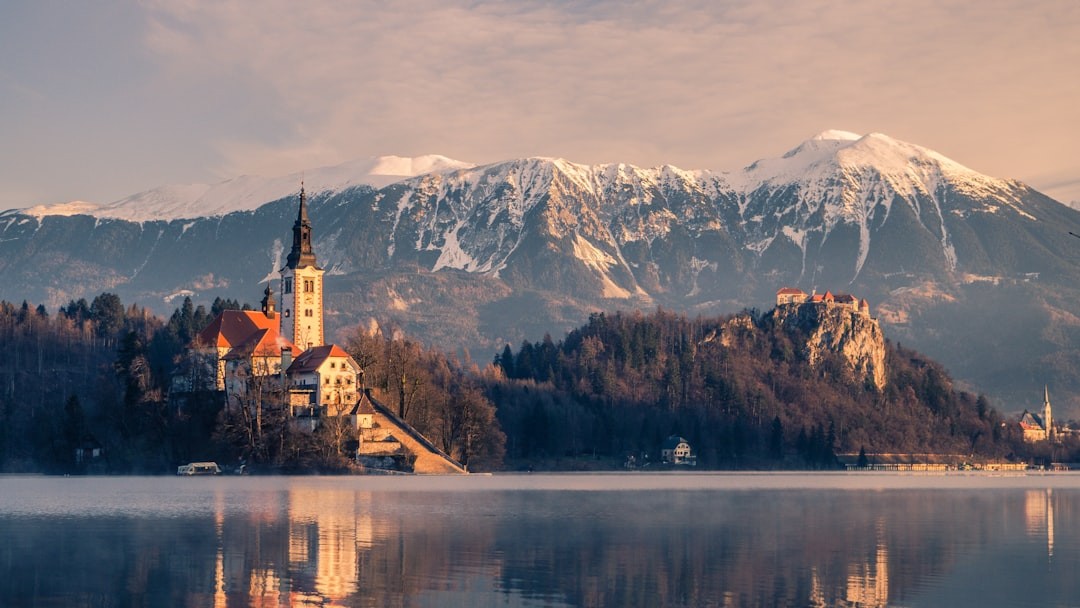
Lake Bled is one of the most photographed places in Europe and can be busy in summer. The pletna boat (traditional flat-bottomed boat rowed standing) to the island has a fixed price. The Bled cream cake (kremna rezina) at the Bled Park Hotel is a genuine regional speciality. The pletna boat to the Bled island has a fixed fare — do not attempt to negotiate.
4. Language
Slovenian is the official language. English is very widely spoken throughout Slovenia, particularly by the under-40 generation. German is useful near the Austrian border. 'Hvala' (thank you) is the essential Slovenian word. 'Hvala' (thank you) is the same as in other ex-Yugoslav languages — works perfectly.
5. Postojna Cave Temperature
Postojna Cave maintains a constant temperature of approximately 10°C year-round regardless of outside conditions. Bring a warm layer even in summer. Entry is by guided tour only, with a miniature train running deep into the 24km cave system. Book in advance in peak season. Always bring a warm layer for Postojna — 10°C inside regardless of summer heat outside.
6. Soča River
The Soča River in western Slovenia is one of the most beautiful rivers in Europe — an extraordinary turquoise colour caused by its glacial source. The river is excellent for kayaking, rafting, and fly-fishing from May to September. The valley also contains excellent World War One heritage (the Kobarid Museum). The Soča's turquoise colour is genuinely extraordinary — it looks unreal in person.
7. Ljubljana Walkability
Ljubljana's old town is pedestrianised and compact enough to walk across in 15 minutes. The Central Market (Tržnica) along the river is the finest place to buy local produce. The castle is reachable on foot or by funicular. The city consistently ranks among Europe's most liveable small capitals. Ljubljana old town is fully walkable; the riverside market is the best food experience in the city.
8. Slovenian Wine
Slovenia produces outstanding wines in three regions: Primorska (Brda and Kras appellations), Posavje, and Podravje. Slovenian wines are largely unknown internationally, offering exceptional quality for the price. Brda Rebula and Kras Teran are the most distinctive. Slovenian wines from Brda and Kras are world-class and almost entirely unknown outside the country.
9. Outdoor Safety
Afternoon thunderstorms are common in the Julian Alps from June to August. The mountain hut (planinska koča) network provides shelter throughout the Triglav National Park. Always check the ARSO Slovenian weather forecast before high-altitude hiking. Check ARSO weather forecast before Triglav hiking — afternoon summer thunderstorms are common.
10. Tipping
10% in restaurants is standard. In cafes, rounding up is normal. Slovenia's service culture is professional and pleasant. 10% in restaurants; rounding up in cafes.
Final Thoughts on Travelling in Slovenia
The most important thing you can bring to Slovenia is genuine curiosity and a willingness to engage with the country on its own terms. The practical tips above handle the logistics — entry, money, transport, customs. The quality of the experience beyond that depends on the attitude you bring: openness to the differences, patience with the unfamiliar, and respect for a culture that has its own valid way of doing things.
Where something seems inconvenient — later meal times, different tipping conventions, shops closed on certain days — it is worth remembering that these are features of a living culture, not failures to meet external expectations. Adapting to them, rather than working around them, consistently produces a richer experience.
Go with a flexible itinerary, the right practical foundation, and an appetite for what makes Slovenia genuinely itself. That combination serves well in any country and particularly well here.