Things To Know About Monaco
By: Straighter Mobile Team
Essential Travel Tips for Monaco
Knowing a few key facts before arriving in Monaco makes the difference between a trip full of small frustrations and one that runs smoothly from day one. Every country has its own practical rhythms — its approach to money, transport, greetings, tipping, and the unwritten rules that guidebooks sometimes skip. The tips below address what actually matters on the ground, fact-checked for accuracy.
Some of these tips are practical (entry requirements, currency, transport); some are cultural (greetings, dining times, hospitality customs); some are safety-related. All of them apply regardless of where you are travelling from. None of them are difficult once you know them — but they are easy to get wrong if you arrive with assumptions drawn from home.
Entry requirements and political situations can change. Always verify visa rules through your own government's official travel advisory before departure. Travel insurance is non-negotiable for any international trip — ensure yours covers your planned activities. With the basics in hand, you are free to direct your attention towards what makes Monaco genuinely worth visiting.
Key Takeaways:
- Always verify current entry requirements through your government's official travel advisory
- Understand the local currency and whether cards or cash are expected before you arrive
- Even a single word in the local language changes how you are received
- Cultural norms around dining, tipping, and social behaviour are worth knowing in advance
- Safety-specific tips for Monaco are included — read them before you go
Staying connected in Monaco
Stay connected to the internet throughout Europe, including Monaco, without worrying about expensive roaming fees with a Monaco eSIM that lets you install a digital SIM in minutes and stay connected effortlessly as you travel.
10 Things to Know Before Visiting Monaco
1. Visa and Entry
Monaco participates in Schengen through France. There are no border controls arriving from France or Italy. EU, US, UK, Canadian, and Australian citizens enter freely as part of the Schengen arrangement. No border controls — you cross from France or Italy without stopping.
2. Cost Expectations
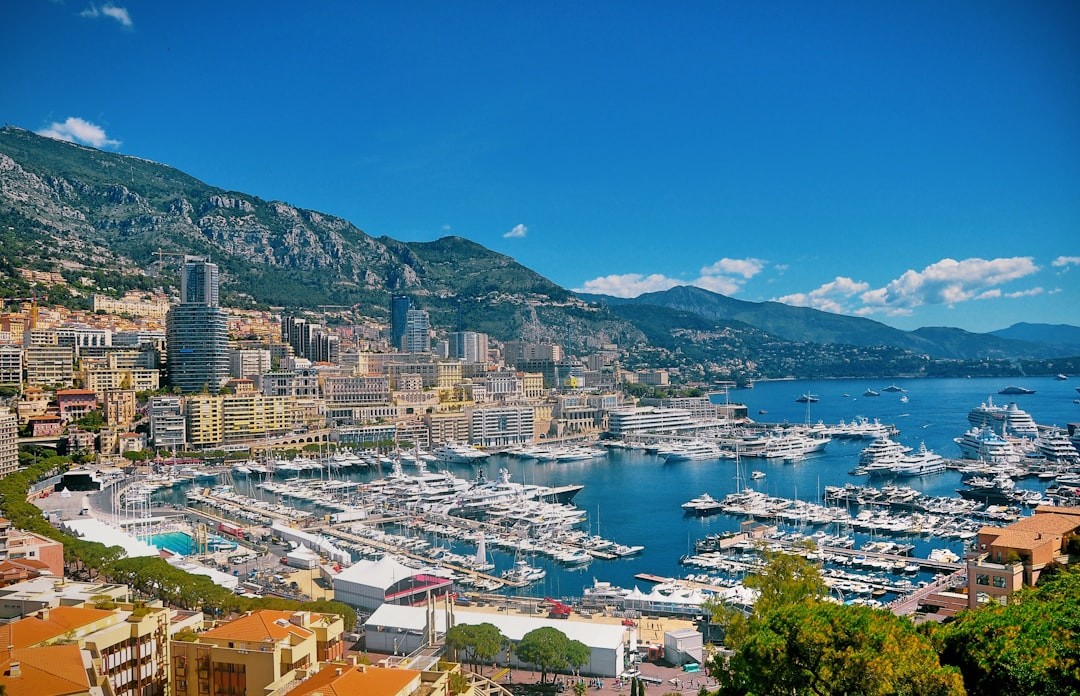
Monaco is the second-most expensive territory on earth. A coffee costs €5–8, a restaurant meal €80–150+ per person. However, walking around Monaco, watching the Changing of the Guard, and visiting the public beach at Larvotto are all free. Day-tripping from Nice (30 minutes by train, €4 return) keeps costs manageable. Day-trip from Nice (€4 return train) — staying overnight is a luxury, not a necessity.
3. Getting There
Monaco has no airport. The nearest is Nice Côte d'Azur, 30km away. Trains from Nice to Monaco-Monte-Carlo station run every 20–30 minutes and take about 22 minutes. The Monaco railway station is underground. Driving is complicated by severe parking scarcity. Train from Nice to Monaco is 22 minutes and €4 — far easier than driving.
4. The Casino
Entry to Monte Carlo Casino gaming rooms costs approximately €17 and requires a passport or ID (minimum age 18). The casino's public areas and lobby can be viewed for free. Smart-casual dress is required in the evening. The building itself is extraordinarily beautiful. Casino entry requires passport, minimum age 18, €17, and smart-casual dress in evenings.
5. Changing of the Guard
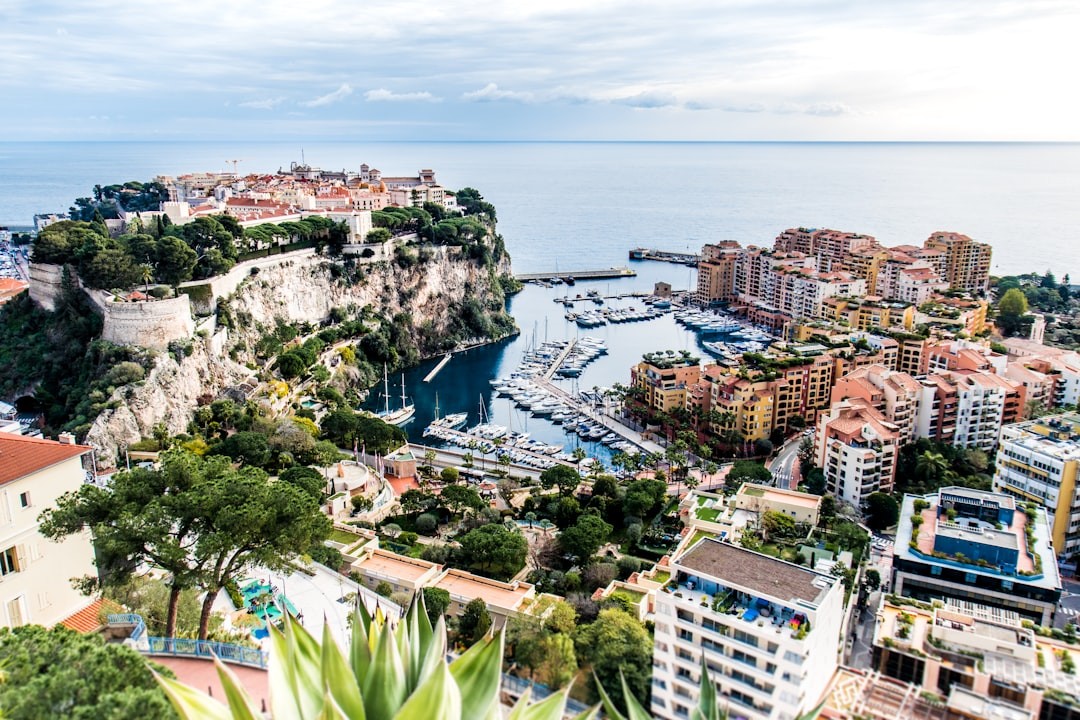
The Changing of the Guard at the Prince's Palace takes place at precisely 11:55am every day. It is free to watch from outside the palace gates. Arrive by 11:40am to secure a position. This is a genuine ceremonial military tradition, not a tourist performance. Arrive at 11:40am for the 11:55am Changing of the Guard — arrive later and you will not see it.
6. Grand Prix Practicalities
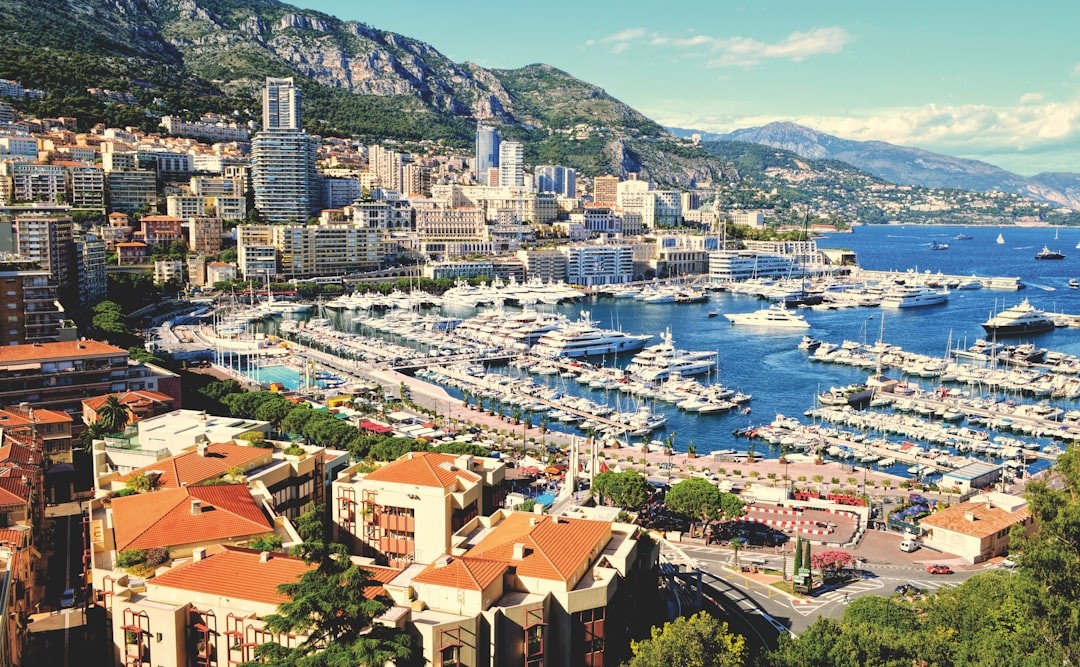
The Monaco Formula One Grand Prix takes place on the last weekend of May. Grandstand tickets cost hundreds to thousands of dollars and sell out a year or more in advance. Some hillside positions above the lower circuit offer free views of part of the track. Book Grand Prix grandstand tickets at least 12 months ahead — year-ahead booking is not excessive.
7. Oceanographic Museum
The Oceanographic Museum founded by Prince Albert I in 1910 is one of the finest marine museums in Europe. Entry costs approximately €20. The aquarium is excellent. Jacques Cousteau directed the museum from 1957 to 1988 — a fact that defines its scientific credibility. The Oceanographic Museum is worth the €20 entry — one of Europe's finest marine collections.
8. Language
French is the official language. English and Italian are widely spoken in the tourist and business context. English is universally spoken in Monaco's tourism context.
9. Etiquette
Monaco is a functioning principality, not a theme park. Casual beachwear in the casino district and palace area is inappropriate. Traffic laws are strictly enforced — parking violations result in immediate fines. Dress smartly in the casino area and palace square — Monaco takes its presentation seriously.
10. Tipping
10% in restaurants is appreciated. Monaco's service staff are well-paid. The culture broadly follows French conventions. 10% in restaurants; follows French tipping culture.
Final Thoughts on Travelling in Monaco
The most important thing you can bring to Monaco is genuine curiosity and a willingness to engage with the country on its own terms. The practical tips above handle the logistics — entry, money, transport, customs. The quality of the experience beyond that depends on the attitude you bring: openness to the differences, patience with the unfamiliar, and respect for a culture that has its own valid way of doing things.
Where something seems inconvenient — later meal times, different tipping conventions, shops closed on certain days — it is worth remembering that these are features of a living culture, not failures to meet external expectations. Adapting to them, rather than working around them, consistently produces a richer experience.
Go with a flexible itinerary, the right practical foundation, and an appetite for what makes Monaco genuinely itself. That combination serves well in any country and particularly well here.