The 48 Laws of Power vs The 33 Strategies of War
Two much-loved Robert Greene books, two different lenses on power: everyday social influence and strategy as campaign. Here is what each offers, who each suits and which to read first.
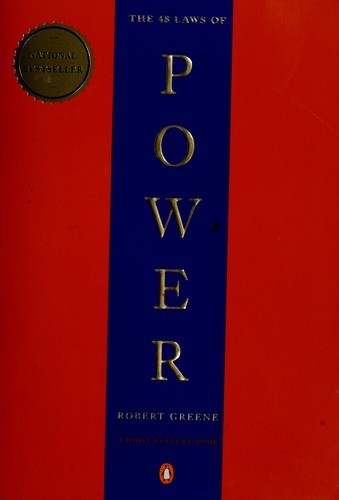

If you’ve enjoyed Robert Greene’s writing, or you’re simply curious about it, you’ll soon meet a lovely little dilemma: he has written several well-known books, and two of the most popular are The 48 Laws of Power and The 33 Strategies of War. Both are about power and influence, both are packed with stories from history, and both are organised so you can dip in and out. Yet they look at the subject from rather different angles.
This guide walks through what each book offers, who tends to enjoy each, where they overlap and how to decide which one to open first. If you’re also wondering how Greene’s work compares with the classic that inspired so many readers, we’ve a companion guide to The 48 Laws of Power and The Prince.
The 48 Laws of Power is about power in everyday social settings, such as offices, teams and organisations: how people present themselves, protect their reputations and navigate relationships. The 33 Strategies of War treats strategy as a kind of conflict and campaign, drawing on military history to consider how to plan, defend, advance and adapt. If your days are spent working with colleagues and within organisations, many readers find the 48 Laws the more natural starting point; if you plan campaigns, launches or negotiations, the 33 Strategies may feel like a closer fit.
The two books side by side
| The 48 Laws of Power | The 33 Strategies of War | |
|---|---|---|
| Author | Robert Greene | Robert Greene |
| First published | 1998 | 2006 |
| Format | 48 laws, each with an explanation, stories from history and often a note on how the law can be reversed | 33 strategies grouped into five kinds of “war”, each illustrated with historical examples |
| Core idea | Power plays out through recurring social patterns, such as reputation, timing and dependence | Life’s challenges can be approached as campaigns, with lessons borrowed from military history |
| Best for | Understanding workplaces, teams, politics and social dynamics | Planning projects, launches, negotiations and long campaigns |
| Worth knowing | A generous length, and lovely taken in small portions | Organised in five parts, so it rewards reading in the order that suits your situation |
| Difficulty | Easy to read, with short sections | Easy to read, with a little more strategy vocabulary |
Two books, one author: what they share
Before we look at the differences, it’s worth noticing how much these two books have in common, because it helps explain why readers who love one so often pick up the other.
- History as the teacher. Both books are built from stories of real people and real episodes, from rulers and courtiers to generals and commanders. The ideas arrive as narratives rather than abstract advice.
- A modular structure. You don’t have to read from start to finish. Each law or strategy has its own chapter, so it’s easy to read one over a coffee.
- A focus on awareness. In both, a recurring invitation is to notice what is happening around you more clearly, whether in a meeting, a negotiation or a longer-term project.
- A fondness for patterns. Greene likes to show that the same situations turn up again and again, across centuries and settings.
The 48 Laws of Power: power in the everyday world
The 48 Laws of Power first appeared in 1998 and remains one of Greene’s best-known books. Each of its 48 laws has a chapter of its own, with a short statement of the law, an explanation, stories from history that bring it to life and, often, a section on where the law can be reversed or has limits.
The laws are about the social side of influence. Law 1 is “Never outshine the master,” Law 3 is “Conceal your intentions,” Law 5 is “So much depends on reputation—guard it with your life,” and Law 48 is “Assume formlessness.” Many of the themes will feel familiar from working life: how you come across, who gets credit, how plans are shared and how you adapt when circumstances change.
What readers often value is the vocabulary it offers. Once you’ve met an idea such as reputation or dependence in a memorable story, you tend to spot it in the world around you, and that awareness can be useful whether or not you ever act on a given law.
Choose one law each week for a month and simply watch for it. Where do you see it in a meeting, a news story or a film? Write down a line each time. You’re not trying to use the laws, only to notice them, and that alone often makes the reading feel more practical.
The 33 Strategies of War: strategy as a way of seeing
The 33 Strategies of War appeared in 2006 and takes a different shape. Rather than 48 separate laws, it presents 33 strategies grouped into five kinds of conflict. Greene draws on military history and on the thinking of famous strategists to show how the same principles can inform decisions outside the battlefield.
The five groupings are a helpful map of the book:
- Self-directed war. Strategy begins with you: your mindset, your focus and how you keep a clear head under pressure. Early strategies include “Declare war on your enemies” and “Do not fight the last war.”
- Organisational (team) war. How groups work together, and how structure and morale shape what a team can achieve.
- Defensive war. How to protect your position, conserve energy and respond when you are under pressure.
- Offensive war. How to take initiative, build momentum and press forward at the right moment.
- Unconventional (dirty) war. Indirect, unexpected approaches to a challenge, including deception, infiltration and psychological pressure. Some of these ideas touch on ethically sensitive ground, which makes this part especially rewarding to read with your own values in mind.
One of the pleasures of this structure is that it gives you a mental checklist. Before a launch, a negotiation or a big decision, you can ask which of the five kinds of “war” you’re actually facing, and which strategies might apply.
Pick a project or goal you’re working on this month. At the start of each week, write one sentence under each of the five headings: what you need from yourself, your team, your defences, your next move and any creative alternative. Look back at the end of the month and see which headings helped most.
Where the two books feel different
The clearest difference is the lens. The 48 Laws of Power looks at power as it plays out between people: how they present themselves, protect their standing and respond to each other. The 33 Strategies of War looks at power as strategy: how you plan, deploy resources, defend and take initiative over time.
The shape of the books differs too. The 48 Laws is a library of independent laws, so it suits a browse-and-wander style of reading. The 33 Strategies is arranged into five parts that build a bigger picture, so many readers enjoy following its order, at least at first.
Finally, they suit different questions. Readers often reach for the 48 Laws with a question like “What’s going on in my workplace?” and for the 33 Strategies with a question like “How should I plan this?”
Which one suits which situation?
Here’s a gentle guide, based on what each book emphasises. Treat it as a starting point rather than a rulebook:
| Your situation | Where to start | Why |
|---|---|---|
| Understanding how your workplace or team really works | The 48 Laws of Power | Its laws focus on reputation, timing and relationships within groups |
| Preparing for a product launch or major project | The 33 Strategies of War | Its five-part structure helps you think about the whole campaign |
| Getting ready for a negotiation | The 33 Strategies of War | Its sections on defence and offence are a handy framework for planning |
| Starting a new job or joining a new group | The 48 Laws of Power | Its stories about reputation and first impressions suit new beginnings |
| Keeping your composure during a stressful period | The 33 Strategies of War | Its opening part concentrates on mindset and clear thinking |
| Reading a story in the news about leaders and rivals | The 48 Laws of Power | Its historical anecdotes give you a way of understanding what you see |
| Making a long-term plan with several moving parts | The 33 Strategies of War | It treats strategy as something that unfolds over time |
A note on reading these books thoughtfully
Greene’s books explore some of the more intricate corners of human behaviour, so readers naturally wonder how best to approach them. One friendly way is to see them as studies of how power and strategy work, much as you’d read a history of a famous campaign. You can find an idea fascinating, use it to understand what’s going on around you, and still decide for yourself how you’d like to behave.
Many of the chapters also work as cautionary tales, showing how a plan can go wrong or how a tactic can backfire. Reading them alongside your own values tends to make for a richer experience.
Our suggested reading order
If your world is mostly colleagues, teams and organisations, we’d suggest starting with The 48 Laws of Power. It’s easy to dip into, and its stories give you a quick feel for Greene’s approach. Then move on to The 33 Strategies of War when you have a project, plan or campaign to think through, so you can put the five-part framework to work straight away.
If you’re about to launch something or prepare for a big negotiation, it is perfectly sensible to begin with The 33 Strategies of War and come back to the 48 Laws afterwards. And if you’d like a gentle way to get a feel for both, read a handful of chapters from each and see which voice you enjoy more.
Frequently asked questions
Should I read The 48 Laws of Power or The 33 Strategies of War first?
Many readers find the 48 Laws a friendly place to start, because its short chapters make it easy to get a feel for Greene’s style. If you have a specific project or negotiation in mind, though, the 33 Strategies may be the more useful first read.
Which Robert Greene book should I read first?
It depends on what you’re curious about. For social dynamics and organisational life, start with The 48 Laws of Power. For planning, strategy and campaigns, start with The 33 Strategies of War. Either is a good introduction to his way of telling stories from history.
Do I need to read both?
Not at all. Each stands on its own. But because they approach power from different angles, many people enjoy reading both, and the 30-day tests above are a pleasant way to compare them in practice.
Can I read The 48 Laws of Power and The 33 Strategies of War together, and is it worth it?
Yes. A simple approach is to read a few chapters of one, then a few of the other, and notice where they speak to each other. A law about reputation, for example, sits nicely beside a strategy about defence. Many readers find that moving between the two sharpens their understanding of both.
Are these books suitable for beginners?
Yes. Both are written for the general reader, with short sections and plenty of stories. You don’t need any background in history or military strategy to enjoy them.
A closing thought
Whichever you open first, both books invite you to look a little more closely at how people and plans work, and to think about how you’d like to use your own influence. Take your time, keep a notebook handy and enjoy the stories, because the best part of reading Greene is how often a tale from centuries ago makes you see today’s world with fresh eyes.
Book links go to Amazon; see our advertising disclosure.