The Art of War vs The Prince
Sun Tzu’s ancient guide to strategy and Machiavelli’s Renaissance study of leadership: two short classics, compared. Here is what each offers, where they meet and which to read first.
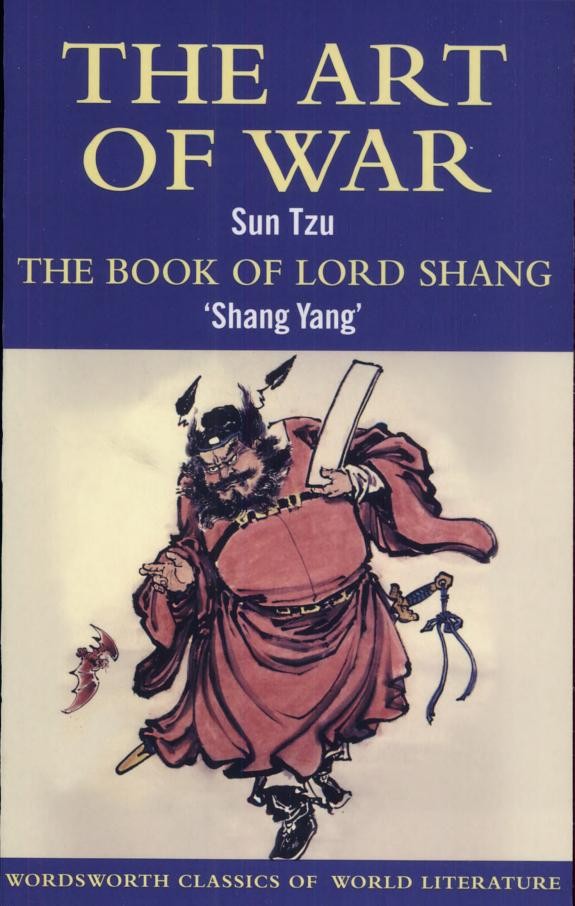
Two short classics keep turning up on reading lists for leaders, strategists and the simply curious: Sun Tzu’s The Art of War and Niccolò Machiavelli’s The Prince. One comes from ancient China and the other from Renaissance Italy. They were written in very different worlds, yet people often read them side by side, because both are thoughtful about how plans, power and people fit together.
This guide looks at what each book offers, where they meet, where they part company and how you might read them. We’ll finish with a simple reading order and a few gentle ways to put their ideas to the test in everyday life. If you’d like to explore The Prince alongside a modern bestseller, we also have a companion guide to The Prince and The 48 Laws of Power.
The Art of War is a guide to strategy: it is about preparation, information and positioning, and it prizes finding a way to succeed with as little conflict as possible. The Prince is a study of leadership and politics: it is about how a ruler gains and keeps authority in a changeable, imperfect world. Many readers find The Art of War a natural companion for planning and competitive positioning, and The Prince a natural companion for thinking about leadership under pressure and what makes authority last. Both are short, and both are in the public domain, so you can enjoy them in an afternoon.
The two books side by side
| The Art of War | The Prince | |
|---|---|---|
| Author | Sun Tzu (also known as Sun Wu), traditionally dated to ancient China | Niccolò Machiavelli, a Florentine diplomat and writer |
| Written | Traditionally placed over two thousand years ago; scholars discuss the exact date | Around 1513; published in 1532, after Machiavelli’s death |
| Format | 13 short chapters on the conduct of war | 26 brief chapters on principalities and rulers |
| Written for | A commander or ruler thinking about war | A ruler, or would-be ruler, thinking about power |
| Core idea | Prepare well, understand yourself and your rival, and aim to win without needless fighting | Deal with the world as it is, and combine skill, judgement and adaptability to meet changing fortunes |
| Best for | Strategy, planning and competitive positioning | Leadership, authority and decision-making under pressure |
| Worth knowing | Very compact, with lines that are often quoted; a good edition with notes helps the context | Rooted in the politics of its time, so an edition with an introduction brings it to life |
| Difficulty | Short and approachable; the ideas deepen on each read | Short, with some historical background to unpack |
The Art of War: strategy through preparation
The Art of War is attributed to Sun Tzu, a military thinker from ancient China. It is divided into thirteen short chapters, from the planning of a campaign at the start to the use of spies at the end. In Lionel Giles’s well-known English translation, the chapters carry titles such as “Laying Plans,” “Attack by Stratagem,” “Weak Points and Strong” and “The Use of Spies.”
One thing readers often notice is how much of the book is about what happens before any fighting begins. A few of its recurring ideas:
- Win without fighting where you can. The book suggests that the highest skill lies in achieving your aim without a prolonged struggle, since conflict is costly even for the winner.
- Know yourself and know your rival. Understanding your own strengths and limits, as well as those of the other side, is presented as the foundation of good decisions.
- Information matters. The final chapter is devoted to gathering intelligence, which shows how much weight the book gives to understanding a situation before acting.
- Adapt to circumstances. Rather than a fixed formula, the book encourages flexibility: using terrain, timing and momentum to your advantage.
Because the chapters are brief, many readers return to The Art of War more than once. A line that seemed simple on a first read often takes on new meaning once you have a real project or negotiation to think about.
Choose a project or goal for the month. In week one, write down what you know about your own position and about the situation around you. In week two, list what you do not yet know and who might help you find out. In weeks three and four, notice whether better preparation changes how the work feels. It’s a small way of trying out the book’s emphasis on understanding before acting.
The Prince: leadership in an imperfect world
Machiavelli wrote The Prince around 1513, and it was published in 1532. It is dedicated to a member of the Medici family and addressed to a ruler. At its heart is a simple but powerful idea: that a ruler has to deal with the world as it is. The book moves briskly through different kinds of states, how they are won and kept, the role of armies and the qualities a ruler might need.
A few of its best-known themes:
- Virtù and fortuna. Skill and energy on one side, luck and circumstance on the other. Machiavelli is curious about how much a capable leader can shape events and how much simply comes down to chance, a theme he returns to in the later chapters.
- Appearance and reputation. Because people judge by what they can see, a leader’s reputation matters a great deal.
- Using strength wisely. Machiavelli discusses when firmness is needed and how it can be applied well or badly, and he adds that a ruler should still avoid being hated.
- The importance of your own foundations. He gives real attention to a ruler’s own armed forces and legitimacy, rather than relying on others.
Reading these passages in full adds rich context to the famous one-liners, which is a lovely reason to enjoy the original.
Choose one short chapter a week and write a single sentence on what Machiavelli is arguing. Then add a second sentence on whether the same idea turns up in a modern workplace, team or community. It’s a pleasant way to bridge five centuries.
Where the two books meet
It’s tempting to set East against West, but the two books have more in common than their origins suggest.
- Realism. Both look at situations as they are, rather than as we might wish them to be.
- Brevity. Both are short, and both reward re-reading.
- Attention to people. Armies and states are made of people, and both authors keep returning to morale, trust and judgement.
- Adaptability. Sun Tzu encourages shaping your approach to circumstances, while Machiavelli suggests that success often goes to those whose approach fits the times.
- A concern with good judgement. Both suggest that preparation and sound judgement can save a great deal of trouble.
Interestingly, Machiavelli wrote a separate treatise of his own on military matters, published in 1521 and also titled The Art of War, which shows how closely he linked politics and strategy.
Where they feel different
The most obvious difference is the question each book is asking. The Art of War asks, “How do I prepare and position myself so that the contest goes well, ideally without a prolonged fight?” The Prince asks, “How does a leader gain authority and keep it as the world changes?” One is a book about the conduct of a campaign; the other is a book about the nature of rule.
They also differ in voice and shape. Sun Tzu’s chapters are made of compact, aphoristic lines that invite reflection. Machiavelli’s chapters read more like short arguments, often with examples from the politics of his own day, so they tend to feel more like a conversation with a thoughtful adviser.
Finally, they differ in what they emphasise about power. The Art of War looks at advantage through preparation, information and positioning. The Prince looks at authority through reputation, legitimacy, skill and the unpredictable role of fortune.
Reading them for business
Both books are often read for lessons about modern working life. The table below is our own gentle reading, offered as a way to start your thinking rather than a set of instructions:
| Situation | A thought from The Art of War | A thought from The Prince |
|---|---|---|
| A price war | Ask what you can gain by preparing well and choosing your ground, rather than reacting to every move | Think about reputation and how your customers will remember how you behaved |
| A takeover or merger | Understand both sides thoroughly before acting, including what the other party needs | Consider how to keep trust and legitimacy with the people who will live with the change |
| Entering a new market | Gather information first and look for the points where you can add value with the least friction | Think about building your own strong foundations rather than relying only on others |
| Leading through a crisis | Stay flexible and adapt your plan to the terrain as it changes | Weigh how much is within your control and how much depends on circumstance |
| Building a team | Pay attention to morale and the way people are organised and supported | Think about how your reputation and example shape how people follow you |
Free to read, and how to choose an edition
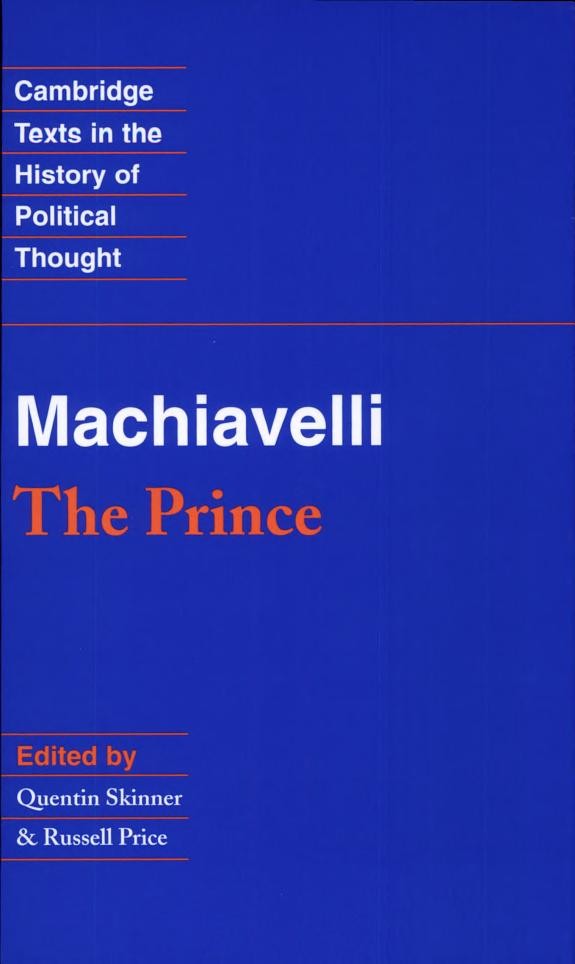
Both books are old enough that free editions are available online, and the original texts are long out of copyright. Copyright rules for individual translations vary from country to country, so it is worth checking the notes on whichever edition you choose. The Project Gutenberg library offers The Art of War in Lionel Giles’s translation and The Prince in W. K. Marriott’s translation. Many readers also enjoy a printed edition with an introduction and notes, which makes the historical background much clearer. The editions linked at the top of this page are of that kind. The linked Art of War is Lionel Giles’s translation, and the linked Prince is a Penguin Classics paperback.
A note on reading these books thoughtfully
Both books touch on the weightier realities of conflict and power, and both have been discussed and debated for centuries. A friendly way to approach them is as thoughtful studies of how strategy and leadership work, rather than as instructions. You can take the insight that appeals to you, leave the rest and decide for yourself how you’d like to lead.
Our suggested reading order
If you’d like a gentle start, we’d suggest beginning with The Art of War. It’s very short, its chapters are easy to dip into, and it sets a thoughtful frame of preparation and awareness. Then move on to The Prince for a deeper look at leadership, reputation and the role of circumstance. If leading people is your main interest right now, starting with Machiavelli and coming back to Sun Tzu afterwards works perfectly well too.
Frequently asked questions
Should I read The Art of War or The Prince first?
Many readers find The Art of War a welcoming place to start because it is so compact and its ideas are easy to pick up. If your main interest is leadership and authority, beginning with The Prince is equally sensible.
Is The Art of War or The Prince the right fit for business reading?
Each helps in a different way. The Art of War is often enjoyed for planning, preparation and competitive positioning, while The Prince is often enjoyed for thinking about leadership, reputation and how to hold a team’s trust through change. Many people find that reading both gives a fuller picture.
Do I need to read the whole of each book?
Not necessarily. Both are short enough to read in full, but both also reward dipping in. You might read one chapter a week and spend the rest of the week noticing where the ideas show up.
Are these books easy to read?
They are short and approachable, though both were written long ago for very different audiences. A good edition with an introduction and notes can make them much more enjoyable.
Can I read The Art of War and The Prince together, and is it worth it?
Yes, and many people enjoy it. Reading a chapter of one alongside a chapter of the other, as in the business table above, is a nice way to see how the ideas connect across cultures and centuries. The 30-day tests above are an easy way to try this.
A closing thought
It is remarkable that two such short books, written so far apart in time and place, still prompt such lively conversation. Whether you begin in ancient China or Renaissance Italy, you’re likely to find a few lines you’ll want to underline and a few questions worth turning over, and that is exactly what a good classic is for.
Book links go to Amazon; see our advertising disclosure.