Social Proof in Marketing: Examples That Work in 2026
Social proof in marketing explained: the main types, examples for B2B and ecommerce, common mistakes, a UK note on fake reviews and a 30-day test.
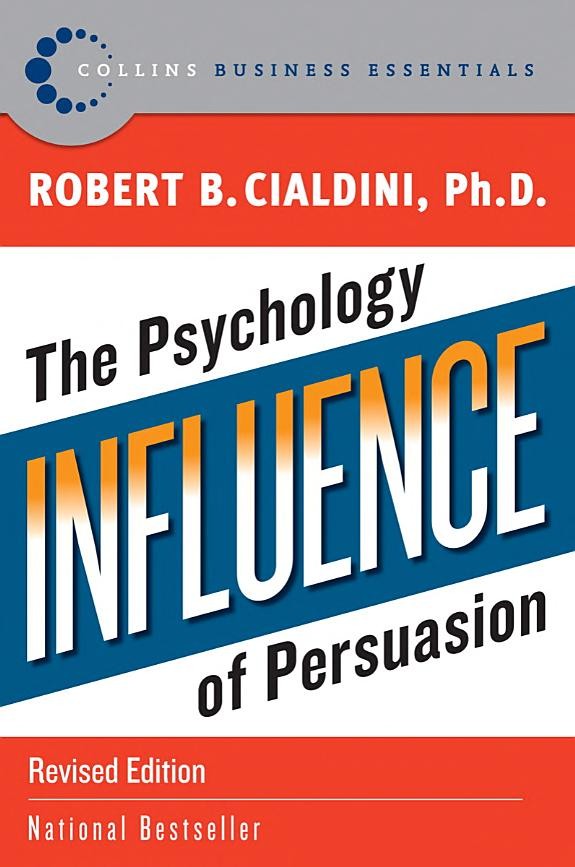 InfluenceRobert B. Cialdini
 ContagiousJonah Berger
 Yes!Noah J. Goldstein, Steve J. Martin and Robert B. Cialdini
Social proof is the tendency to look at what other people are doing, especially people like us, when deciding what to do ourselves, and in marketing it means showing real evidence that others have chosen, used or trusted something. Reviews, ratings, case studies, customer numbers and expert endorsements are all forms of it. Used honestly, social proof helps people make better decisions with less risk. Faked, it is unethical and, in the UK, a legal risk.
This guide explains how social proof works, sets out the main types with examples for B2B and ecommerce, describes common mistakes and the ways it can backfire, and includes a short UK note on fake reviews. The examples are our own illustrations, written for general business settings, and they name no real companies. It is a summary and interpretation of the ideas, not a replacement for reading the books.
What social proof is, and where it comes from
When we are unsure what to do, we often take our cue from others. If a restaurant is full we assume the food is good, and if many colleagues use a tool we assume it works. Robert Cialdini describes social proof as one of his principles of influence in Influence, and it sits alongside ideas such as reciprocity and scarcity. Our guide to Cialdini’s seven principles of persuasion gives the wider picture.
Jonah Berger’s Contagious approaches a related question: why some products and ideas spread. One of the themes in that book is that things which are publicly visible are more likely to catch on, which is why visibility matters as well as quality. Yes!, by Noah Goldstein, Steve Martin and Cialdini, collects short chapters on applying persuasion research, including ideas on how information about what others do can shape behaviour.
Why it matters at work
Buying decisions, whether a consumer picking a product or a business choosing a supplier, involve risk. Social proof reduces that risk by letting people borrow the experience of others. This is especially valuable where the buyer cannot easily judge quality in advance, as with services, software and anything new. In B2B markets, where several people may need to agree, a relevant case study from a similar organisation can be more persuasive than a long list of features.
It also works in the other direction inside organisations. People adopt new tools and habits more readily when they see colleagues they respect doing the same. Leaders who understand this can help good practice spread by making it visible.
The main types of social proof
1. Customer reviews and ratings
Written reviews and star ratings from real customers are the most familiar form. They work best when they are numerous, recent and include a mix of views, which helps readers trust that they are genuine.
2. Testimonials and case studies
A named testimonial or a detailed case study shows what a specific customer achieved. Detail and relevance matter more than enthusiasm: readers want to see a situation like their own.
3. User numbers and popularity
Statements such as ‘used by 2,000 businesses’ signal that many others have chosen a product. They need to be accurate and up to date, and they work best when the audience can see why the number is meaningful.
4. Expert endorsement and certification
A recommendation from a respected expert, or a recognised award or certification, borrows credibility from a trusted source. It should be real, current and relevant to the claim being made.
5. Influencer and peer recommendations
People tend to listen to those they follow or know, so their recommendations can carry weight. In the UK, guidance from the Advertising Standards Authority and the Competition and Markets Authority says that paid or gifted endorsements should be clearly identified as advertising.
6. User-generated content
Photos, posts and videos from real customers show a product in use. Ask permission before using someone’s content, and credit them where you can.
7. The ‘wisdom of the crowd’
Labels such as ‘most popular’, ‘best seller’ or ‘people also bought’ show what many others choose. They help most when they are based on real data and the criteria are clear.
Three worked examples for business
These examples are our own illustrations. Real situations are more complex, and you should adapt the wording to your own style and always keep to the facts.
The situation: A software company sells a scheduling tool to operations managers, who are cautious about changing systems.
What you might say: Its website includes a short case study from a mid-sized customer in a similar industry, with a named contact, specific results the customer has approved and a plain description of the challenges they faced.
Why it helps: Why it can work: a relevant, specific story from a similar organisation lowers the perceived risk, and the candour about challenges makes it more credible.
The situation: A small ecommerce business sells stationery, and wants new visitors to feel confident.
What you might say: Product pages show real ratings with the number of reviews, include a few written reviews with both praise and mild criticism, and make it easy for customers to add photos.
Why it helps: Why it can work: a visible mix of views suggests the reviews are genuine, and customer photos show the product as it really looks.
The situation: A small accountancy practice wants to attract local business owners.
What you might say: It displays its professional accreditations, shares a few client quotes that the clients have agreed to, and states how many local businesses it works with, as an accurate current figure.
Why it helps: Why it can work: accreditations and real client voices help new clients judge quality that is hard to see in advance, and an accurate number adds weight.
A UK note on fake reviews
In the UK, fake or misleading reviews are a matter of consumer law. The consumer-protection provisions of the Digital Markets, Competition and Consumers Act 2024 came into force on 6 April 2025. They list fake reviews among the commercial practices that are banned outright, including submitting or commissioning a fake review, and publishing reviews in a misleading way, for example by not making clear that a reviewer was incentivised. Businesses that host or publish consumer reviews are also expected to take reasonable and proportionate steps to prevent and remove fake or misleading ones. The Competition and Markets Authority can now enforce these rules directly, including by imposing fines, and it has published guidance on how businesses should handle online reviews. The rules can apply to businesses that collect and publish reviews, and to platforms that host them, so the detail of who is covered is worth checking.
This is general information, not legal advice. The law and guidance can change, so check the current position from official sources, such as the Competition and Markets Authority, and take qualified advice if you are unsure. As a rule of thumb, only publish reviews and endorsements that are real, represent genuine experiences, are not selectively edited to mislead and are clearly labelled where they are paid or incentivised.
Can social proof backfire?
Yes. Social proof works because people trust that it reflects real experience, so anything that damages that trust can turn it against you.
- It looks fake: Reviews that are all five stars, generic wording or identical phrasing can raise suspicion.
- It is irrelevant: A testimonial from a very different kind of customer may not reassure the reader.
- It highlights a lack of action: Research on behaviour change suggests that messages stressing how many people are not doing something may sometimes make the unwanted behaviour seem normal.
- It is out of date: Old reviews or outdated numbers can undermine credibility.
- It is exposed: Fake or misleading reviews can bring complaints, platform penalties and regulatory attention.
Common mistakes
- Hiding the critical: Removing all negative reviews can make the rest less believable. A mix of views reads as honest.
- Using numbers without context: A large figure with no explanation can feel empty. Say what it measures.
- Quoting without permission: Get agreement before naming or quoting a customer.
- Cramming it in everywhere: A page crowded with badges and quotes can look defensive. Choose the proof that answers the reader’s main question.
- Ignoring the audience: People look for proof from people like themselves. Show customers who resemble your readers.
- Forgetting the product: No amount of proof makes up for an offer that does not serve the customer.
A checklist for a meeting, negotiation or decision
- Before: list the questions your audience will have, and what evidence would truly answer them.
- Collect real evidence with permission: reviews, case studies, figures and credentials.
- Check that every claim is accurate, current and fairly represented.
- Match the proof to the audience, using examples that resemble their situation.
- Label anything paid or incentivised.
- After: review what readers responded to, and refresh anything out of date.
The source books
Influence is where social proof is described among Cialdini’s principles. Contagious by Jonah Berger looks at why things spread, with ideas on visibility and word of mouth that complement social proof. Yes! gathers short, practical chapters on persuasion research. For a comparison of Cialdini’s two best-known books, see our guide to Influence and Pre-Suasion.
THE PLAY: You might choose one page, email or proposal and ask what real evidence from others would help the reader decide. Add one piece of accurate, relevant proof, and consider taking out anything that cannot be backed up.
In week one, list the evidence you already have: reviews, case studies, figures and credentials. In week two, check each item is accurate, current and used with permission. In week three, add one relevant piece of proof where a reader might hesitate. In week four, review how readers responded, and decide what to refresh. Missing a week is fine; pick up where you left off.
Honest feedback
Social proof is a useful idea, though its effects depend on context, and some research in social psychology is still debated. It is best treated as something to test with your own audience, not as a guaranteed lever. Its strength is that it helps people make informed decisions, and it works best when the evidence is real and the offer is good.
Related guides on CROWNLEIGH
A few of our other CROWNLEIGH Book Club guides connect closely with this topic:
- The full set of principles, in our guide to Cialdini’s 7 principles of persuasion with business examples.
- Giving first, in our guide to the reciprocity principle in sales.
- Why ideas spread, in our guide to Hooked and Contagious.
- Cialdini’s two best-known books, in our guide to Influence and Pre-Suasion.
- Selling by serving the buyer, in our guide to To Sell Is Human and The Psychology of Selling.
You can find all of these, and more as we add them, on our CROWNLEIGH Book Club page.
Frequently asked questions
What is social proof?
Social proof is the tendency to take cues from what others do, especially when we are unsure. In marketing, it means showing real evidence that other people have chosen or trusted a product or service, such as reviews, case studies or customer numbers.
What are the types of social proof?
Common types include customer reviews and ratings, testimonials and case studies, user numbers, expert endorsements and certifications, influencer and peer recommendations, user-generated content and popularity signals such as ‘best seller’. The most effective are real, specific and relevant to the audience.
Can social proof backfire?
It can. It may look fake, be irrelevant to the reader, be out of date or, in the case of fake reviews, cause legal and reputational problems. Messages that stress how many people are not doing something may also, in some contexts, make that behaviour seem normal. Honest, specific and current evidence is the safest approach.
A closing thought
The best social proof is simply the truth, well presented: what real customers have said and done. You might pick one place where a reader hesitates and add a single piece of honest evidence there. Trust takes a long time to build and little time to lose, so it is worth guarding.
Book links go to Amazon; see our advertising disclosure.