Cialdini’s 7 Principles of Persuasion With Business Examples
The seven Cialdini principles of persuasion explained with B2B and ecommerce examples, a checklist and a 30-day test, plus how to use them ethically.
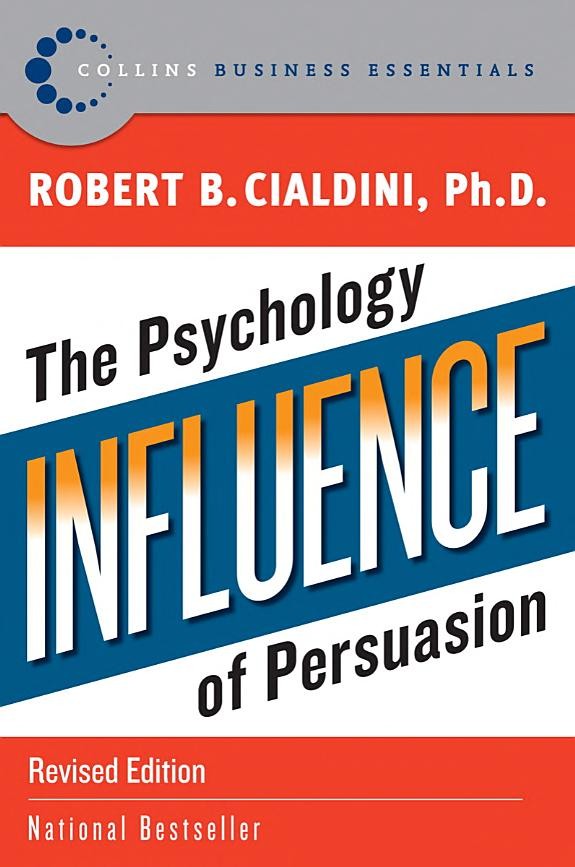 InfluenceRobert B. Cialdini
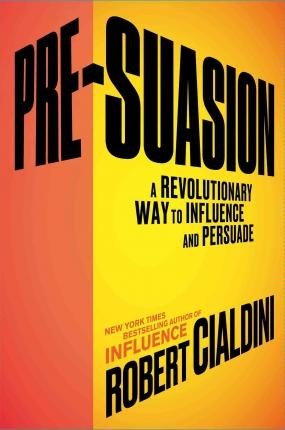 Pre-SuasionRobert B. Cialdini
 Yes!Noah J. Goldstein, Steve J. Martin and Robert B. Cialdini
Robert Cialdini’s principles of persuasion are seven well-known influences on how people decide to say yes: reciprocity, commitment and consistency, social proof, authority, liking, scarcity and unity. Cialdini, a psychologist, developed them from research and observation, and they are often used to explain why people respond to some requests and not others. This guide explains each in plain English, with original business examples, common mistakes and a way to use them ethically.
The original six principles are set out in Influence, and Pre-Suasion extends the ideas and is where Cialdini first described the seventh, unity. This guide is our own summary and interpretation, written with examples we have created for business settings, and it is not a substitute for reading the books.
Why it matters at work
Almost every job involves asking others to do something: buy, approve, share information, change a habit or join a project. Understanding the common pulls on human decisions can help you make requests more clearly and fairly, and can help you notice when someone is trying to influence you. Used honestly, the principles are a way of making your case easy to understand and easy to act on.
The seven principles
1. Reciprocity
People tend to feel they should return favours. In business, this might be a helpful guide, a sample or some useful advice offered without strings attached. The favour should be real and relevant, not a hook.
2. Commitment and consistency
We like our actions to fit with what we have already said or done. A small, voluntary first step, such as agreeing to a short trial, can make a larger step feel natural, provided it is freely chosen rather than extracted by pressure.
3. Social proof
When unsure, people look to what others like them are doing. Honest reviews, case studies and clear figures about real customers can all help, provided they are accurate and relevant to the reader.
4. Authority
Credible experts carry weight. Showing real qualifications, experience or evidence helps people trust your advice, and it works best when you explain your reasoning as well.
5. Liking
We are more open to people we like, especially when we sense common ground and they seem friendly and attentive. Warmth and honest rapport count for more than flattery.
6. Scarcity
Opportunities seem more valuable when they are limited, so a genuine deadline or limited stock can help people decide. Invented scarcity, on the other hand, damages trust.
7. Unity
Unity is about shared identity, the sense of being ‘one of us’. People are more influenced by those they see as part of their group, whether through family, place, profession or shared values. It is the newest of the seven, added after the original six and, as we understand it, first described in Pre-Suasion.
Three worked examples for business
These examples are our own illustrations. Real situations are more complex, and you should adapt the wording to your own style and always keep to the facts.
The situation: A small software company wants to introduce itself to finance teams who have never heard of it.
What you might say: It publishes a free, practical guide to a common reporting problem, written by someone with relevant experience, and offers a short call to discuss it.
Why it helps: The guide is a genuine favour, and the author’s credentials give people a reason to trust the advice. There is no obligation to buy.
The situation: A small ecommerce business sells handmade items, and a batch is nearly sold out.
What you might say: The product page shows real customer reviews and an accurate note that only a few remain in this batch.
Why it helps: The reviews help new customers see what others thought, and the stock note is true, so it helps rather than pressures.
The situation: A consultancy wants a manufacturer to take on a larger project.
What you might say: It suggests a small, paid first phase, and describes the manufacturer’s own sector and challenges in terms that show it understands the industry and is working towards the same goals.
Why it helps: A small first step lets the client test the working relationship, and showing that it knows their world builds a sense of shared ground.
Common mistakes
- Faking it: Invented deadlines, reviews or credentials may work once but harm trust and can break rules on advertising.
- Stacking too many at once: A page full of countdown timers, badges and testimonials can look pushy. Choose what is relevant.
- Ignoring the audience: Different people and cultures respond differently, so test, listen and adjust.
- Using them as tricks: The principles serve people best when they help with a good decision rather than hide the facts.
- Forgetting the product: An offer that does not serve the customer is not rescued by any principle.
A checklist for a meeting, negotiation or decision
- Before: write down what the other person needs to decide, and what information would help.
- Consider what genuine value you can offer first.
- Check that any evidence you cite, such as numbers, reviews or credentials, is accurate and relevant.
- Be clear about real limits, such as deadlines and availability.
- Invite questions, and let the other person choose.
- After: note what helped them decide, and what you would change.
The source books
Influence is where the original six principles were set out, and it is the usual starting point. The 2021 ‘New and Expanded’ edition adds unity as a seventh, so newer copies cover all seven, while earlier editions cover the original six. Pre-Suasion, where Cialdini first proposed unity, looks at what happens before a message is delivered, and how setting the scene can affect how it is received. Yes!, by Noah Goldstein, Steve Martin and Robert Cialdini, is a collection of short, practical chapters on applying persuasion research. Our guide to Influence and Pre-Suasion compares the first two in more detail.
THE PLAY: Pick one principle and review an existing email, page or proposal for it. Ask whether it is used honestly and whether it helps the reader decide. If something could be clearer or fairer, you might adjust just one thing.
Spread the seven principles across four weeks. In week one, look at reciprocity and liking: is there something genuinely helpful you could offer first, and are you listening warmly? In week two, look at social proof and authority: are your examples accurate, relevant and backed by real credentials? In week three, check scarcity: are any deadlines or limits true and clear? In week four, look at commitment and unity: is any first step freely chosen, and do you share real common ground with the people you are asking? If you like, note one change each week. Missing a week is fine; pick up where you left off.
Honest feedback
The principles are a useful map, though real decisions are shaped by many more factors, and results vary between people and situations. Some research in social psychology has been debated and not always replicated, so the principles are best treated as helpful ideas to test rather than rules that always work. Honesty and respect for the other person remain a sensible foundation.
Related guides on CROWNLEIGH
A few of our other CROWNLEIGH Book Club guides connect closely with this topic:
- Cialdini’s two best-known books side by side, in our guide to Influence and Pre-Suasion.
- Selling by serving the buyer, in our guide to To Sell Is Human and The Psychology of Selling.
- Two views of modern selling, in our guide to The Challenger Sale and SPIN Selling.
- Reaching agreement, in our guide to Never Split the Difference and Getting to Yes.
- Why ideas spread, in our guide to Hooked and Contagious.
You can find all of these, and more as we add them, on our CROWNLEIGH Book Club page.
Frequently asked questions
What are Cialdini’s principles of persuasion?
They are seven influences on how people decide: reciprocity, commitment and consistency, social proof, authority, liking, scarcity and unity. They describe common tendencies and are used to understand why people say yes.
What is the 7th principle of influence?
The seventh is unity, the sense of shared identity, of being part of the same group. It was added after the original six principles. Cialdini first described it in Pre-Suasion, and the 2021 ‘New and Expanded’ edition of Influence includes it as a seventh principle, so newer copies of that book cover all seven.
Is persuasion manipulation?
It depends on how it is used. Persuasion that is honest, accurate and respectful of the other person’s choice is an ordinary part of communication. It becomes manipulation if it relies on deception or pressure. A useful test is to ask whether the other person would feel fairly treated if they could see exactly what you were doing and why.
A closing thought
The seven principles are best used as a checklist of questions: what would genuinely help this person decide? You might pick one, review something you have written and make a single honest improvement. Clear, truthful communication is persuasive in its own right.
Book links go to Amazon; see our advertising disclosure.