The Reciprocity Principle in Sales: 9 Ethical Ways to Use It
The reciprocity principle explained for sales and marketing: nine ethical ways to use it, each with a risk note, how it differs from bribery, how it works in B2B, common mistakes, a checklist and a 30-day test.
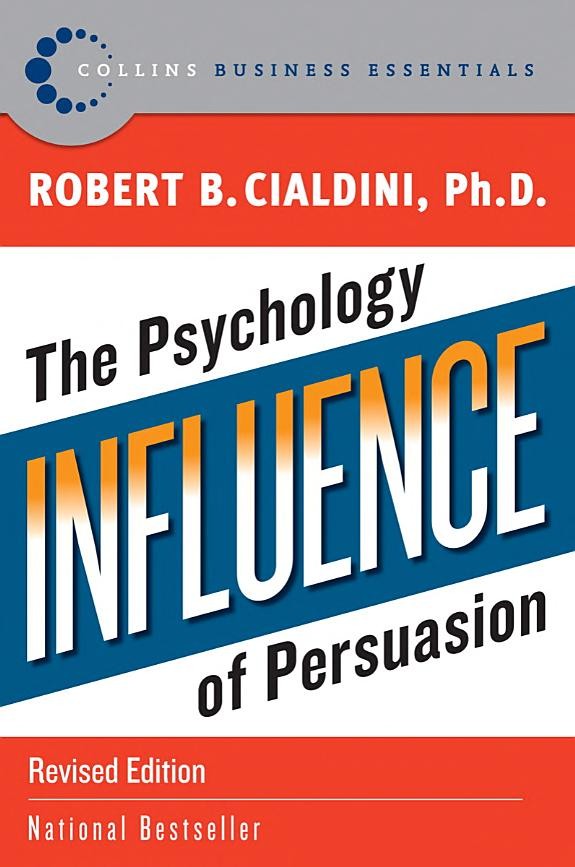
The reciprocity principle is the common human tendency to want to return a favour, and in sales it means that giving something genuinely useful first can make people more open to a conversation later. It is one of the best-known ideas in the psychology of persuasion, and it is closely associated with Robert Cialdini’s work. Used honestly, it is simply good manners applied to business. Used cynically, it can damage trust.
This guide explains how the principle works, gives nine ethical ways to use it in sales and marketing, each with a risk note, and sets out how it differs from bribery. All the examples are our own illustrations, written for general business settings, and they name no real companies. It is a summary and interpretation of the ideas, not a replacement for reading the books.
How reciprocity works
Across many cultures, people feel an obligation to repay kindness. If someone does you a favour, shares something useful or treats you generously, you tend to feel a pull to respond in kind. Cialdini describes this as one of several influences on how people decide, and it appears in Influence alongside principles such as social proof and scarcity. Our guide to Cialdini’s seven principles of persuasion gives the wider picture.
Two features matter for business. First, the pull tends to be stronger when the favour feels genuine, useful and unexpected, rather than a clear attempt to extract something. Second, the response does not have to be a purchase. A person might simply agree to a call, share some information or give your message a fairer hearing. Treating every favour as a trade misses the point and tends to backfire.
Why it matters at work
Sales and marketing often feel like a series of requests: open this email, book this call, try this product. Reciprocity reverses that order. Offering something of value first gives the other person a reason to listen, and a little groundwork for trust. In many B2B settings, where buying decisions are cautious and take time, being helpful before being persuasive is also a practical way to show how you work.
It matters from the buyer’s side too. Knowing that favours can create a sense of obligation helps you spot when you are being nudged, and decide whether the favour was real. A good relationship rests on offers that are made freely and can be accepted or declined without awkwardness.
Nine ethical ways to use reciprocity
Each idea below comes with an example and a risk note. The risk notes are worth reading, because reciprocity is only ethical when the favour is real and the other person remains free to say no.
The situation: A small accountancy practice wants to reach local business owners.
What you might say: It publishes a clear, practical guide to a common VAT question, free to read and with no sign-up.
Why it helps: Risk note: avoid putting the useful part behind a long form or a sales pitch. A guide that turns out to be bait-and-switch loses the goodwill it was meant to earn.
The situation: A food producer sells to independent cafés.
What you might say: It sends a small sample of a new product with a note inviting honest feedback, whether or not the café orders.
Why it helps: Risk note: a sample followed by daily chasers stops feeling like a sample. Leave the café space to decide.
The situation: A consultant meets a prospect who has a specific challenge.
What you might say: On a short call, the consultant gives frank advice, including what the prospect could do without hiring anyone.
Why it helps: Risk note: advice that occasionally costs you a sale is often what builds credibility. Holding back the useful part to force a follow-up undoes that.
The situation: A recruitment agency knows two business owners who could help each other.
What you might say: It introduces them with a short note explaining why, and asks for nothing.
Why it helps: Risk note: introduce only people who would welcome it, and ask first if you are unsure.
The situation: A software supplier works with a customer’s team on a successful project.
What you might say: It shares the credit publicly, with the customer’s permission, and thanks the individuals who made it work.
Why it helps: Risk note: recognition needs to be accurate and agreed. Customers should not find themselves in an advertisement they did not ask to be in.
The situation: An agency spots a broken link on a prospect’s website.
What you might say: It sends a short, polite note with the fix, and no pitch attached.
Why it helps: Risk note: small, correct and kind works best. A long list of flaws, sent as a sales tactic, can read as criticism.
The situation: A supplier is agreeing terms with a regular customer.
What you might say: It offers a modest concession on delivery times, explains that it is trying to meet them halfway, and invites their view on what matters most to them.
Why it helps: Risk note: a concession has to be real. Inflating a price so that it can be ‘reduced’ is deception, and it harms trust.
The situation: A trainer has run a demonstration for a prospect’s team.
What you might say: It sends a short summary of the key ideas and a useful checklist, rather than only asking whether they have decided.
Why it helps: Risk note: respect their time. One helpful message tends to land better than a sequence of nudges.
The situation: A manufacturer wants customers to stay and to speak well of it.
What you might say: It sends occasional practical tips and answers questions quickly, with no immediate upsell.
Why it helps: Risk note: stick to what customers have agreed to receive, since too many messages turn a gift into a nuisance.
Three worked examples in more detail
The situation: A software company sells a scheduling tool to operations managers, many of whom ignore cold emails.
What you might say: The company writes a short, practical guide to reducing double-bookings, shares it with a note that says ‘no need to reply’, and offers a call only if the reader finds it useful.
Why it helps: Why it can work: the reader gets value without effort or pressure, and if they do get in touch, the conversation begins with something helpful rather than a pitch.
The situation: A small ecommerce business sells stationery, and wants customers to come back.
What you might say: Each parcel includes a short care guide, a small, honest thank-you note and a discount code that is clearly optional.
Why it helps: Why it can work: the gesture is modest and genuine, and customers can ignore the code without feeling they have missed out.
The situation: A manufacturer and a distributor are discussing next year’s terms.
What you might say: The manufacturer opens by agreeing to a request the distributor cares about, explains what it would like to discuss in return, and asks what a fair arrangement looks like for each side.
Why it helps: Why it can work: a real concession signals good faith and invites the other side to respond in kind. The open question keeps things collaborative.
Reciprocity and bribery: what is the difference?
The difference lies in honesty, transparency and the other person’s freedom to choose. A favour is offered openly, without conditions, and can be declined without consequence. A bribe is meant to secure a decision by improper means, often in secret, and it harms fair dealing. In many places, gifts and hospitality in business are subject to rules and company policies, and in the UK the Bribery Act places legal limits on improper inducements. This is general information, not legal advice. If you are unsure whether a gift is appropriate, check the rules that apply to you and to the person receiving it, take qualified advice where needed, and be open about what you are offering.
Does reciprocity work in B2B sales?
It can, though in a different form. B2B buyers are usually cautious, are often accountable to colleagues and may be bound by procurement rules or gift policies. Sharing useful knowledge, making introductions and giving honest advice generally suit B2B better than physical gifts. Because deals can take months, the aim is often to build a reputation for being helpful, rather than to trigger a quick response.
Common mistakes
- Keeping score: People can often sense it when you give in order to collect. Offer help you would be happy to give without a return.
- Making the gift too large: A lavish gift can feel like pressure, and it may break the other person’s rules.
- Hiding conditions: Where there are strings, say so at the outset.
- Offering something irrelevant: Help that misses the person’s needs can look like a ploy.
- Demanding repayment: Reciprocity works only when the response is freely given.
- Confusing a gift with a bribe: Know the rules on gifts and hospitality that apply to you and your customers.
A checklist for a meeting, negotiation or decision
- Before: decide what you could offer that would truly help the other person, whether or not they buy.
- Check that it is relevant, accurate and proportionate, and that it meets any gift rules.
- Offer it plainly, without strings, and say they are free to decline.
- If you make a concession, say what it is and why, and ask what matters to them.
- Respond with thanks when someone gives you something, and do not feel obliged to do more than is reasonable.
- After: note what helped, and what felt forced.
The source books
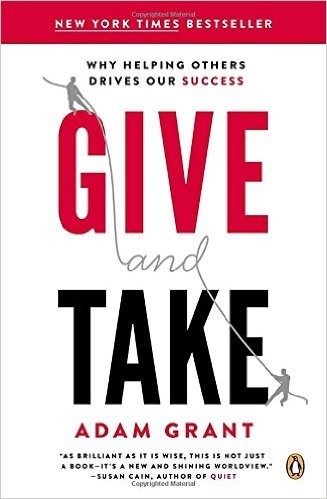
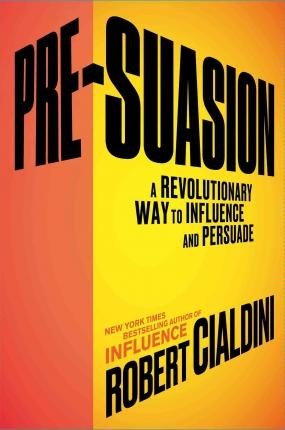
Influence is where reciprocity is described as one of Cialdini’s principles, and Pre-Suasion looks at how setting the scene can shape the way a message is received. Adam Grant’s Give and Take is a useful companion. It looks at how people who help others fare at work, and it sorts people into givers, takers and matchers, which is a helpful way to think about generosity as a long-term habit. For more on how these books relate, see our guide to Influence and Pre-Suasion.
THE PLAY: Choose one customer or prospect and think of one genuinely useful thing you could offer without conditions. Offer it plainly, and leave it to them to decide what happens next.
In week one, list five people you work with and one thing that would help each. In week two, offer one of those, such as a useful link, an introduction or a short piece of advice. In week three, notice how you feel about it and how they respond, and check that it was freely given. In week four, review what worked, and decide what to keep. There is no pressure to be tidy about it: if you miss a week, pick up where you left off.
Honest feedback
Reciprocity is one influence among many, and its effects vary between people, cultures and situations. Some findings in social psychology have been debated, so it is sensible to treat the principle as an idea to test rather than a guaranteed lever. Its main value is in encouraging a habit of being useful, and it works best when the giving is sincere. If you catch yourself calculating the return, that is a good moment to step back.
Related guides on CROWNLEIGH
A few of our other CROWNLEIGH Book Club guides connect closely with this topic:
- The full set of principles, in our guide to Cialdini’s 7 principles of persuasion with business examples.
- Cialdini’s two best-known books, in our guide to Influence and Pre-Suasion.
- Building relationships by being useful, in our guide to books on networking for introverts and busy directors.
- Selling by serving the buyer, in our guide to To Sell Is Human and The Psychology of Selling.
- Two views of modern selling, in our guide to The Challenger Sale and SPIN Selling.
You can find all of these, and more as we add them, on our CROWNLEIGH Book Club page.
Frequently asked questions
What is the reciprocity principle?
It is the tendency to want to return favours. In sales and marketing, it means that offering something genuinely useful first can make people more willing to listen or respond. It is one of the principles Cialdini describes in Influence.
Does reciprocity work in B2B sales?
It can, particularly in forms that suit cautious business buyers, such as sharing useful knowledge, making introductions and giving honest advice. Physical gifts are often limited by company policies, so it is wise to check the rules that apply. Because B2B decisions are slow, the benefit is usually a reputation for being helpful over time.
What is the difference between reciprocity and bribery?
A favour is offered openly, with no conditions, and the other person is free to decline. A bribe is meant to secure a decision by improper means and is typically hidden. If you are unsure, be transparent, check the relevant rules on gifts and hospitality, and avoid anything that could look like an attempt to influence a decision improperly.
A closing thought
Reciprocity at its best is a habit of generosity, applied sensibly. You might choose one small, genuine favour to offer this week and see what follows. If it leads to a better working relationship, that is a welcome result, but it should not be the reason for the gift.
Book links go to Amazon; see our advertising disclosure.