Anchoring Bias in Pricing and Negotiation: How to Spot and Counter It
Anchoring bias explained with pricing and negotiation examples, a table of where anchors show up, how to counter one, and a 30-day test.
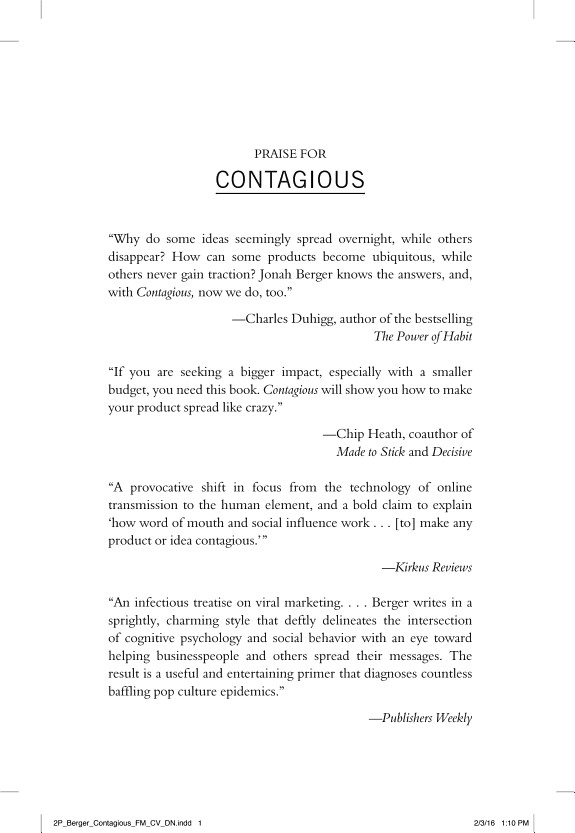
 Thinking, Fast and SlowDaniel Kahneman
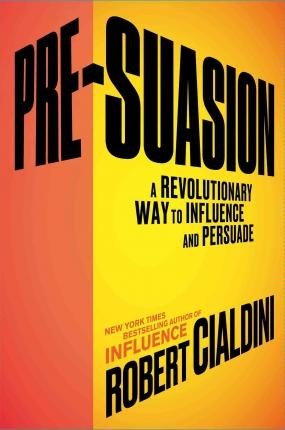
 Predictably IrrationalDan Ariely
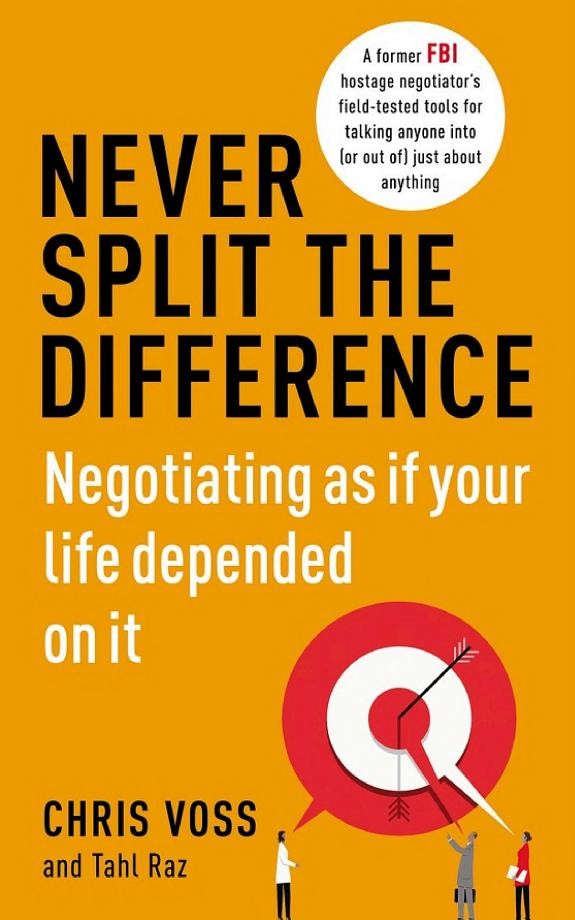 Never Split the DifferenceChris Voss
Anchoring bias is the tendency for an early number or piece of information, even an arbitrary one, to pull our later judgements toward it. In pricing and negotiation, the first figure on the table, such as a list price, a salary range or an opening offer, can shape what feels reasonable afterwards. Knowing how anchors work helps you set them thoughtfully and defend against them when someone else does.
This guide explains anchoring in plain English, shows where it appears in business, gives three negotiation and pricing examples with ways to respond, and offers a checklist and a 30-day test. The examples are our own illustrations, written for general business settings, and they name no real companies. It is a summary and interpretation of the ideas, not a replacement for reading the books.
What anchoring is
When we estimate something uncertain, we often start from a number that is already in our heads and adjust from there. One common account is that we often do not adjust far enough, so the starting point keeps its pull. Daniel Kahneman discusses anchoring in Thinking, Fast and Slow as one of the mental shortcuts that can lead judgement astray, and the idea was developed through research with Amos Tversky. Our guide to books on cognitive biases places it alongside other common biases.
Dan Ariely describes experiments in Predictably Irrational in which people’s answers were influenced by numbers that had nothing to do with the question, and he uses the term ‘arbitrary coherence’ for the way people then build consistent preferences around such starting points. Chris Voss, in Never Split the Difference, discusses framing in negotiation and touches on anchoring, including how opening numbers and the way a proposal is presented can influence the other side. How far to rely on his tactics is a matter of judgement.
Why it matters at work
Almost every commercial discussion has a number in it: a quote, a salary band, a budget, a deadline, a discount. Whoever introduces the first number often shapes the range of what is considered reasonable, whether or not they intend to. If you do not notice an anchor, you may negotiate within a range that someone else set. If you set one carelessly, you may leave value on the table or damage trust with a figure that seems unreasonable.
Anchors also appear inside organisations, in last year’s budget, a previous project’s cost or a colleague’s early estimate. Each can quietly set the starting point for a decision that deserves a fresh look.
Where anchors show up
| Where | How an anchor appears | A way to respond |
|---|---|---|
| Proposals and quotes | The first price or fee shown sets the frame for comparing alternatives | Compare against the value you need and other options, not only the first figure |
| Salary and pay discussions | A stated range or the previous salary frames what feels reasonable | Research market rates beforehand and anchor your own discussion on evidence |
| Budgets | Last year’s figure becomes the starting point | Rebuild the budget from needs, then compare it with last year |
| Estimates and deadlines | The first time estimate sticks, even if it was a rough guess | Ask several people to estimate separately before sharing numbers |
| List prices and discounts | A high ‘original’ price makes a discount look larger | Judge the price against what the product is worth to you |
| Opening offers | The first offer sets the range for the negotiation | Make a considered counter, with reasons, instead of drifting toward theirs |
Three worked examples
These examples are our own illustrations. Real negotiations are more complex, and you should adapt the approach to your own situation and keep to the facts.
The situation: A manufacturer asks a supplier for a price on a new component. The supplier opens with a figure well above what the manufacturer had in mind.
What you might say: The manufacturer thanks the supplier, asks how the price is built up and what volumes it assumes, and shares its own research on typical market prices before responding with a reasoned counter.
Why it helps: Asking for the build-up replaces the bare number with information, which weakens the anchor and gives both sides something concrete to discuss.
The situation: A candidate is asked early in the process what salary they expect, before they know much about the role.
What you might say: They say they would prefer to discuss the range once they understand the responsibilities, and mention that they have researched market rates for similar roles.
Why it helps: It avoids naming a number too early, and it signals that the discussion will be anchored in evidence about the role and the market rather than a guess.
The situation: A consultant is preparing a fee proposal and knows the client’s budget is uncertain.
What you might say: Rather than opening with a single large number, the consultant presents the work in clear stages with a price for each, explaining the value of each stage before the figures.
Why it helps: Describing value first lets the client see what the numbers buy, and presenting stages lets them compare options that are not all anchored to one total.
Should I make the first offer?
There is no single right answer. Some studies of negotiation suggest that first offers can anchor the outcome, which can be an argument for going first when you have good information about the likely range. If you are unsure of the range, listening first and collecting information can be wiser, since an offer that is too low may leave value on the table and one that is too high may seem unreasonable. Whichever you choose, prepare your reasons, because a number with a clear rationale is easier to defend.
How do you counter an anchor?
- Notice it: Say to yourself, ‘This is a starting point, not a fact.’ Awareness alone can help.
- Prepare your own number: Settle your target, your limit and your reasons before the discussion begins.
- Ask for the basis: Questions such as ‘How did you arrive at that figure?’ move the discussion from the number to the reasoning.
- Bring in other reference points: Market data, comparable examples and your own costs all give you something firmer to point to.
- Counter with reasons: A reasoned alternative is more effective than an unexplained one, and it avoids simply drifting toward their figure.
- Take a break: If the setting allows, a short pause lets you reconsider away from the number.
Common mistakes
- Assuming you are immune: Awareness is not immunity, and habits such as preparing a number in advance tend to help more.
- Setting an extreme anchor: A figure far from reality can seem unreasonable and damage trust.
- Anchoring on your own history: Last year’s price or salary is not necessarily the right basis for this year.
- Arguing about the number alone: Without a discussion of value, the exchange becomes a contest of figures.
- Using anchors to mislead: Inventing an inflated ‘original’ price or a fictional comparison is deception, and rules on misleading price claims exist in many places. This is general information, not legal advice.
A checklist for a meeting, negotiation or decision
- Before: research the likely range, and decide your target, your limit and your reasons.
- Note any number already in the room, and ask where it came from.
- Decide whether to go first, based on how much you know.
- Explain value before price where you can.
- Counter with reasons and other reference points, not only a figure.
- After: note which numbers shaped the discussion, and what you would prepare differently.
The source books
Thinking, Fast and Slow is the main source on anchoring as a mental shortcut. Predictably Irrational is a lively account of experiments on how arbitrary numbers can shape choices. Never Split the Difference looks at negotiation as a conversation and discusses framing, with some attention to anchoring and opening offers. For more on how these books compare, see our guide to Thinking, Fast and Slow and Noise and our comparison of Never Split the Difference and Getting to Yes.
THE PLAY: Before your next negotiation or pricing decision, write down your target, your limit and the evidence behind them. When a number is put on the table, ask where it came from before you respond.
In week one, notice the first number in three conversations or documents, and write down where it came from. In week two, prepare your own target and reasons before one discussion. In week three, ask for the basis of a figure and see how the conversation changes. In week four, review what you noticed and note what you would do differently. Missing a week is fine; pick up where you left off.
Honest feedback
Anchoring is widely discussed, though how strong the effect is can depend on the situation, the person and how much they know about the subject. Some findings in behavioural research have been debated, so it is wise to treat anchoring as a useful idea to watch for and test rather than a rule that always applies. Preparation and evidence are sensible defences either way.
Related guides on CROWNLEIGH
A few of our other CROWNLEIGH Book Club guides connect closely with this topic:
- Better choices, in our guide to the best books on decision-making.
- Where anchoring sits among other biases, in our guide to books on cognitive biases, mapped to each bias.
- Two of Kahneman’s books side by side, in our guide to Thinking, Fast and Slow and Noise.
- Negotiation classics compared, in our guide to Never Split the Difference and Getting to Yes.
- The wider field, in our behavioural economics reading list.
You can find all of these, and more as we add them, on our CROWNLEIGH Book Club page.
Frequently asked questions
What is the anchoring effect?
The anchoring effect is the tendency for an initial number or piece of information to influence later judgements, even when it is arbitrary or irrelevant. A common description is that people adjust from the anchor but often not far enough, so their final estimate stays close to it.
Should I make the first offer?
It depends on how much you know. If you have good information about the likely range, going first lets you set the anchor with reasons. If you are unsure, listening first can help you avoid an offer that is too high or too low. In either case, prepare your target, your limit and your reasoning.
How do you counter an anchor?
Notice it, prepare your own number in advance, ask how the figure was reached, bring in other reference points and counter with reasons rather than drifting toward their number. A pause can also help you reconsider away from the figure.
A closing thought
The first number in a conversation is easy to treat as a fact when it is really a starting point. You might choose one upcoming discussion, prepare your own figure and your reasons, and notice what happens when someone else names a number first. Even a small amount of preparation can change how that moment feels.
Book links go to Amazon; see our advertising disclosure.