The 48 Laws of Power vs The Laws of Human Nature
Robert Greene’s playbook of influence and his portrait of why people act as they do: two much-loved books, compared. Here is what each offers, who each suits and which to read first.
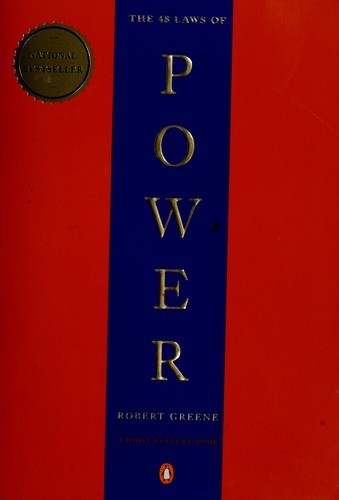
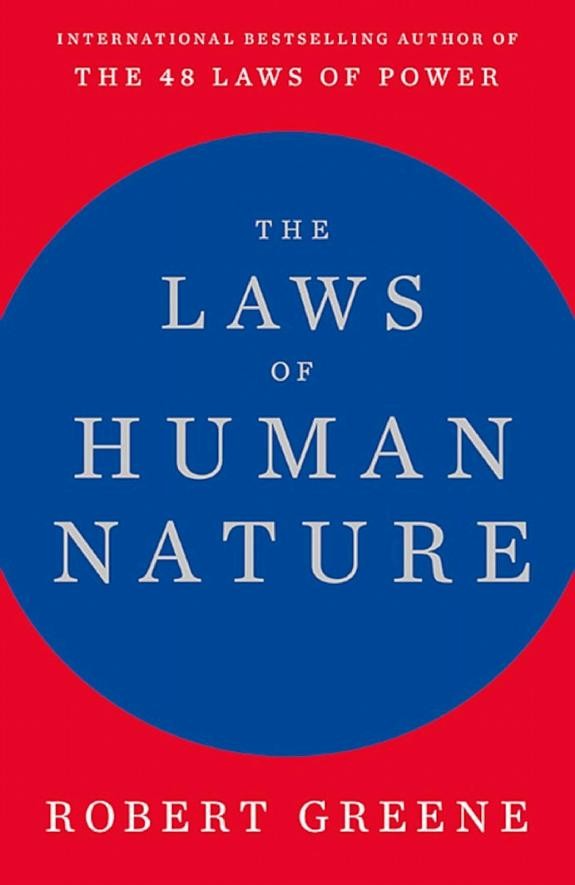
Robert Greene has written several books that readers return to again and again, and two of the most talked-about are The 48 Laws of Power and The Laws of Human Nature. They share an author, a love of historical stories and a fascination with how people behave. Yet they feel quite different to read, and that difference is what this guide is all about.
If you’re deciding which to open first, or wondering whether the second adds much once you’ve read the first, we’ll walk through what each offers, who tends to enjoy each and how they fit together. If you’re also curious about Greene’s other work, our guides to The 48 Laws of Power alongside The 33 Strategies of War and The Prince are good next stops.
The 48 Laws of Power is a playbook: a collection of laws about how influence and advantage tend to work, illustrated by stories from history. The Laws of Human Nature is a portrait: a study of why people think, feel and behave as they do, with guidance on understanding yourself and others. If you’d like to understand people first, many readers find The Laws of Human Nature a lovely place to begin; if you enjoy a collection of memorable tactics and cautionary tales, the 48 Laws is a classic. Many readers enjoy both, in either order.
The two books side by side
| The 48 Laws of Power | The Laws of Human Nature | |
|---|---|---|
| Author | Robert Greene (the Amazon UK listing also credits Joost Elffers) | Robert Greene |
| First published | 1998 | 2018 |
| Format | 48 laws, each with an explanation, stories from history and often a note on how the law can be reversed | 18 laws of human nature, each exploring a trait or tendency, with stories and practical ideas |
| Core idea | Influence follows recurring patterns, which you can learn to recognise | People are driven by emotions and instincts they often don’t see; understanding them helps in life and work |
| Tone | Tactical and strategic: a playbook of moves and counter-moves | Reflective and diagnostic: a study of why people act as they do |
| Best for | Readers who enjoy stories, tactics and dipping in and out | Readers who want to understand themselves and others better |
| Worth knowing | A generous length, and lovely taken in small portions | A generous length too, with chapters that reward slow reading and note-taking |
| Difficulty | Easy to read, with short sections | Easy to read, with a bit more psychology |
What they share
Before looking at the differences, it helps to see how much these two books have in common, since it explains why readers who enjoy one so often reach for the other.
- History as the teacher. Both are built on stories of real people, from rulers and courtiers to artists and leaders. The ideas arrive as narratives rather than abstract advice.
- A modular structure. Each law has its own chapter, so you can read in short sessions and in whatever order appeals.
- A fondness for patterns. Greene likes to show that the same situations and temperaments turn up again and again across centuries.
- An invitation to notice. In both books, a recurring theme is paying closer attention to what is going on beneath the surface, in other people and in yourself.
The 48 Laws of Power: a playbook for influence
The 48 Laws of Power first appeared in 1998 and has remained one of Greene’s best-known books. Each of its 48 laws has a chapter of its own, with a short statement of the law, an explanation, stories from history that bring it to life and, often, a section on where it can be reversed or has limits.
The laws focus on how influence plays out between people. Law 1 is “Never outshine the master,” Law 3 is “Conceal your intentions,” Law 5 is “So much depends on reputation—guard it with your life,” and Law 48 is “Assume formlessness.” Many of the themes will feel familiar from working life: how you come across, how plans are shared and how you adapt as circumstances change.
What many readers value is the vocabulary it offers. Once you’ve met an idea such as reputation or timing in a memorable story, you tend to spot it in the world around you, and that awareness can be useful whether or not you ever act on a particular law.
Pick one law each week for a month and simply watch for it. Where do you see it at work, in a meeting, a news story or a film? Jot down a line each time. You don’t need to apply the laws, only to notice them, and that alone often makes the reading feel more practical.
The Laws of Human Nature: a portrait of why we act as we do
The Laws of Human Nature appeared in 2018, and it takes a more reflective turn. Rather than asking “What move should I make?”, it asks “Why do people, including me, behave the way we do?” It is organised into 18 laws, each describing a tendency in human behaviour, and it draws on history, psychology and literature to illustrate them.
A few of the laws give a flavour of the book: the Law of Irrationality, about how emotions shape our thinking; the Law of Narcissism, about how we are all focused on ourselves to some degree; the Law of Role-Playing, about the faces we present to the world; the Law of Envy; the Law of Conformity; and the Law of Aggression. Each chapter pairs a clear idea with practical suggestions for working with it, whether that means understanding a colleague better or noticing your own habits.
This book invites you to look at yourself as well as at others, and Greene encourages readers to recognise each tendency in themselves, which can make for a thoughtful and sometimes quietly illuminating read.
Each week, choose one law and look for it first in yourself, then in the people around you. Where does conformity or envy show up in a small, everyday way? Write a line or two each evening. Starting with yourself tends to make the observations feel kind rather than critical.
Where the two books feel different
The most noticeable difference is the question each book asks. The 48 Laws of Power looks at situations and asks how influence tends to work in them. The Laws of Human Nature looks at people and asks what drives them.
That difference shows up in tone, too. The 48 Laws reads like a playbook, full of moves, counter-moves and cautionary tales. The Laws of Human Nature reads like a portrait gallery, full of temperaments and tendencies. Neither is better; they are simply two ways of looking at the same human world, one through strategy and one through psychology.
There is a difference in direction, as well. The 48 Laws mostly points outwards, towards other people and the situations you meet. The Laws of Human Nature points both outwards and inwards, with a good deal of encouragement to understand your own reactions.
Which one suits which situation?
Here is a gentle guide, based on what each book emphasises. Treat it as a starting point rather than a rulebook:
| Your situation | Where to start | Why |
|---|---|---|
| You’d like to understand why people behave as they do | The Laws of Human Nature | Each chapter explores a tendency in human behaviour |
| You enjoy a collection of memorable stories and tactics | The 48 Laws of Power | Its laws are built on vivid historical examples |
| You are joining a new team or workplace | The 48 Laws of Power | Its themes of reputation and timing suit new beginnings |
| You would like to manage your own reactions better | The Laws of Human Nature | It encourages you to recognise each law in yourself as well as in others |
| You are working with a difficult colleague or relative | The Laws of Human Nature | It offers a patient way to understand what may be behind a behaviour |
| You like to dip in and out in short sessions | The 48 Laws of Power | Short, self-contained chapters make it easy to read in minutes |
| You want to read widely on Greene’s ideas | Both | Together they give both the playbook and the portrait |
A note on reading these books thoughtfully
Both books explore the more intricate corners of human behaviour, and they sit nicely together because of it. A friendly way to approach them is as studies of how people and power work, much as you’d read a history. You can take the insights that appeal to you, set the rest aside and decide for yourself which ideas feel right for you.
Readers who would like a more reflective starting point often find The Laws of Human Nature a comfortable entry into Greene’s world, since it begins with understanding rather than tactics. Readers who enjoy a brisk, story-led collection tend to feel at home with the 48 Laws. Either route leads to the same shelf.
Our suggested reading order
If you would like to understand people first, we’d suggest starting with The Laws of Human Nature. It builds a foundation of curiosity about yourself and others, which makes the tactical stories in the 48 Laws all the richer when you meet them. If you enjoy a brisk, story-led read, it works beautifully to start with The 48 Laws of Power and coming to The Laws of Human Nature afterwards for a deeper look at what lies behind the behaviours.
Whichever you open first, try reading a chapter at a time rather than all at once. Both books are full of ideas that benefit from a little time to settle.
Frequently asked questions
Should I read The 48 Laws of Power or The Laws of Human Nature first?
If you’d like to understand people before looking at tactics, The Laws of Human Nature is a lovely place to begin. If you prefer short, story-led chapters about influence, The 48 Laws of Power is a classic first read. Many readers enjoy either order.
Is The Laws of Human Nature better than The 48 Laws of Power?
They do different jobs, so it is less a question of better or worse and more a question of what you’re curious about today. One is a playbook and the other is a portrait, and many people find that each makes the other more interesting.
Do I need to read the first book to enjoy the second?
Not at all. Each stands on its own. You don’t need to have read the 48 Laws before opening The Laws of Human Nature, or the other way round.
Are these books suitable for beginners?
Yes. Both are written for the general reader, with plenty of stories and short sections. You do not need a background in history or psychology to enjoy them.
Can I read The 48 Laws of Power and The Laws of Human Nature together, and is it worth it?
Yes, and many people enjoy it. A pleasant way to do so is to read a law from one and then a related law from the other. A chapter on reputation in the 48 Laws sits well beside a chapter on role-playing in The Laws of Human Nature, for example. The 30-day tests above are an easy way to try this.
A closing thought
Greene’s two books ask us to look closely at the same human world from different angles: one through the moves people make, the other through the nature that lies behind them. Whichever you begin with, you’re likely to finish with a keener eye for what is happening around you and a few thoughtful questions about yourself, which is often the most rewarding part of reading him.
Book links go to Amazon; see our advertising disclosure.