Books on Networking for Introverts and Busy Directors
Seven networking books for introverts and busy leaders, from Never Eat Alone and Give and Take to Quiet and The Start-up of You, with an introvert-friendly rating, follow-up message templates and a 30-day plan.
For many people, the word ‘networking’ brings to mind crowded rooms, name badges and small talk. For introverts, and for directors and executives whose diaries are already full, the idea can feel both draining and hard to fit in. But relationships still matter in most careers, and several books argue that building them does not have to mean working a room. The better approaches are often quieter, more deliberate and more generous.
This list gathers seven books that help with networking in a low-pressure way. For each we give the core idea, a ‘play’, a 30-day test, who it suits and one honest weakness, plus an ‘introvert-friendly’ rating. We have also added a quick-pick table, some simple follow-up message templates, a suggested reading order and a short 30-day plan.
How we chose
We looked for books that are widely read and practical, and that suit people who would rather build a few good relationships than collect many contacts. We included books on generosity, on temperament, on conversation and on managing your own career, so that you can choose by need. The ‘introvert-friendly’ rating is our own judgement of how well each book’s main advice suits quieter personalities. It is a guide, not a rule, since individuals differ.
Quick-pick table
| If you want… | Start with | Introvert-friendly? |
|---|---|---|
| A classic on building relationships over time | Never Eat Alone | Moderate: energetic, but the core idea is generosity |
| Evidence that helping others pays off | Give and Take | High: the help it suggests can be given quietly and on your own terms |
| Reassurance that quiet is a strength | Quiet | High: written with introverts in mind |
| Specific things to say in conversation | How to Talk to Anyone | Moderate: many tips, so choose the ones that suit you |
| Timeless principles for getting along with people | How to Win Friends and Influence People | High: built on listening and interest |
| To treat your career as something you manage | The Start-up of You | Moderate to high: relationship-building is one theme among several, and you choose how to act on it |
| To communicate more persuasively in pitches | Pitch Anything | Lower: aimed at high-stakes pitching |
A few principles show up in most of these books: aim for depth over volume, be useful before you ask for anything, keep in touch in small and regular ways, and choose settings that suit you, such as one-to-one coffees or small dinners. For busy people, a handful of meaningful conversations each month will often do more than a full diary of events.
Seven books on networking

1. Never Eat Alone by Keith Ferrazzi
THE IDEA: Ferrazzi writes about building relationships deliberately and generously over time, with an emphasis on being useful to others before asking for help.
THE PLAY: Each week, look for a way to be useful to someone in your network, such as an introduction or a piece of encouragement.
THE 30-DAY TEST: Over four weeks, you could send one person a week something helpful, and note any replies.
Who it is for: Professionals who want to build relationships deliberately.
One honest weakness: The tone is energetic and business-oriented, so some suggestions may come more naturally to outgoing readers; quieter readers can pick the ones that fit.
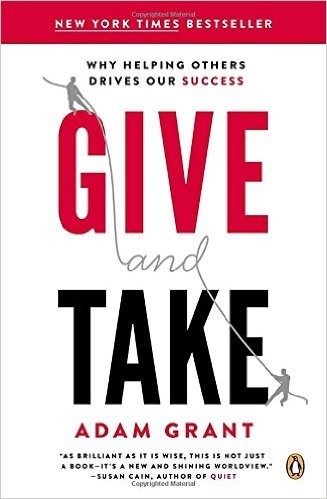
2. Give and Take by Adam Grant
THE IDEA: Grant draws on research to look at how people who help others fare at work. He sorts people into givers, takers and matchers and considers when generosity helps and when it does not.
THE PLAY: Offer help in ways you can sustain, such as short, high-value favours, and be clear about your limits.
THE 30-DAY TEST: You might track the help you give for a month and notice which kinds feel energising rather than draining.
Who it is for: A good fit for anyone who likes an evidence-based case for cooperation.
One honest weakness: The categories are best used as a loose guide, because real people do not fit them neatly.
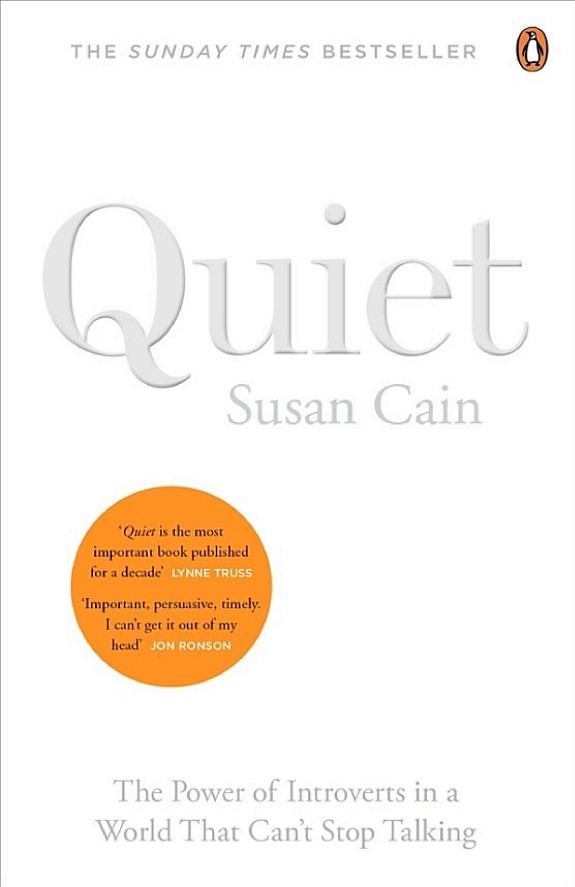
3. Quiet by Susan Cain
THE IDEA: Cain explores introversion and argues that quieter people have strengths that are often overlooked. It is not a networking manual, but it can help you build an approach that fits you.
THE PLAY: Think about the settings where you connect best, such as small groups or one-to-one conversations, and look for more of them.
THE 30-DAY TEST: Across a month, choose one situation that suits your style and notice how the conversation goes there.
Who it is for: Introverts, and anyone who finds standard networking advice tiring.
One honest weakness: It is about temperament and society more than technique, so it offers perspective rather than a script.
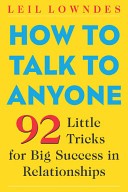
4. How to Talk to Anyone by Leil Lowndes
THE IDEA: Lowndes collects many specific techniques for conversation, from first impressions to building rapport, presented as short, practical tips.
THE PLAY: Choose one technique and use it in a real conversation, then reflect on how it went.
THE 30-DAY TEST: A tip a week is a gentle pace, and you can set aside any that do not feel like you.
Who it is for: Readers who like a list of things to try.
One honest weakness: With so many techniques, some may feel more natural when adapted than when used word for word.
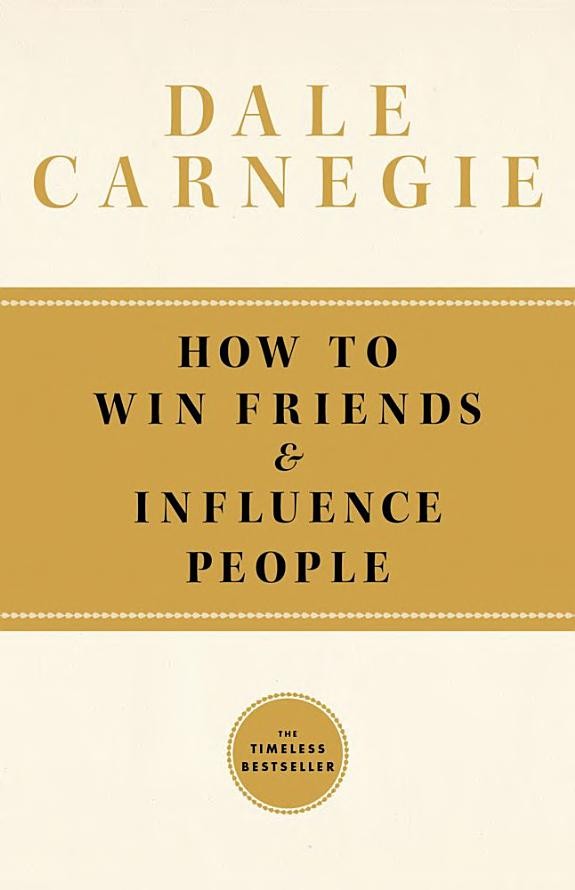
5. How to Win Friends and Influence People by Dale Carnegie
THE IDEA: Carnegie’s guide sets out simple principles, such as taking a genuine interest in others, remembering names and listening well, which suit one-to-one networking.
THE PLAY: Ask a colleague a question about their work, then listen closely to the answer.
THE 30-DAY TEST: Take one principle a week for a month, and jot down what happens.
Who it is for: Suits readers who like short, memorable principles and anecdotes.
One honest weakness: Some examples reflect the time it was written in, and some readers may prefer a different framing from the word ‘influence’ in the title.
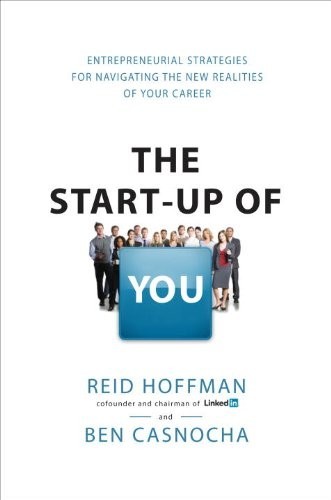
6. The Start-up of You by Reid Hoffman and Ben Casnocha
THE IDEA: The authors suggest treating your career like a start-up, with continuing adaptation and investment in a network of relationships. A major theme is that opportunities tend to come through people.
THE PLAY: List the handful of people who matter most to your next stage of work, and think about how you could be useful to each.
THE 30-DAY TEST: Pick three relationships to nurture for a month, with one small, regular contact for each.
Who it is for: Professionals thinking about career moves, and busy leaders who want a framework for planning their career.
One honest weakness: The start-up framing may not suit every reader, and some of its examples are drawn from the technology world.
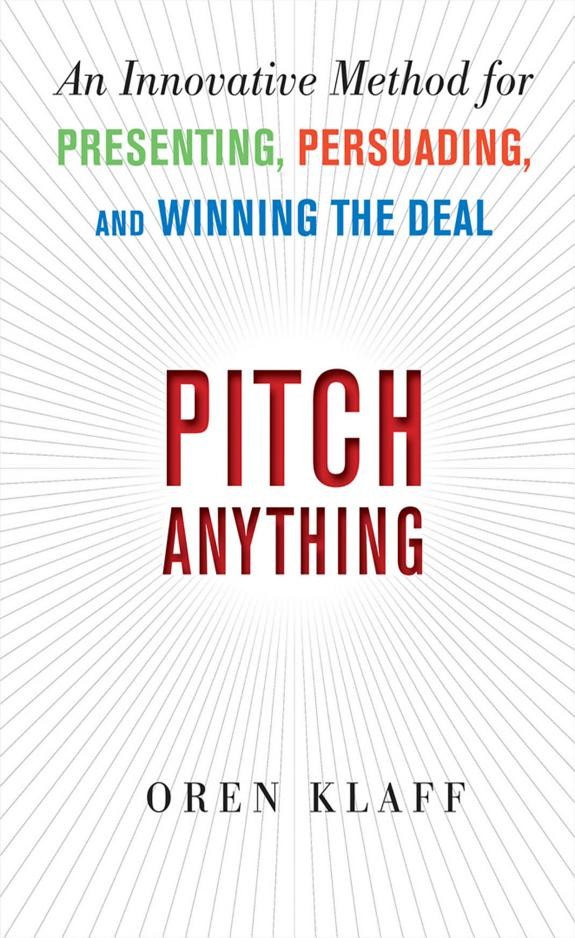
7. Pitch Anything by Oren Klaff
THE IDEA: Klaff focuses on how to present ideas, particularly to investors, with an approach based on managing attention and framing. It is useful if your networking often leads to pitches.
THE PLAY: Before an important conversation, decide the one idea you want the other person to remember.
THE 30-DAY TEST: If useful, prepare a short, clear pitch for something you are working on and ask a trusted colleague for feedback.
Who it is for: Founders, sellers and executives who need to make persuasive presentations.
One honest weakness: Its approach is built for high-stakes pitching so readers may want to adapt it to a gentler style for everyday networking.
Follow-up message templates
A short, friendly follow-up is one of the simplest networking habits, and many introverts find that writing is easier than talking. Here are three templates you can adapt.
- After meeting someone: “It was good to meet you at [event]. I enjoyed our conversation about [topic]. If it is useful, I will send over [article or contact] I mentioned.”
- Staying in touch: “I saw [news or article] and thought of our conversation about [topic]. Hope all is well with [project].”
- Asking for a short call: “I am working on [topic] and would value your view. Would you have 15 minutes in the next few weeks? I am glad to work around your diary.”
A simple 30-day plan
- Week 1: List ten people you would like to stay in touch with, and pick three to start with.
- Week 2: Send each of the three a short, useful message with no request attached.
- Week 3: Arrange one one-to-one conversation, in person or online, with someone you would like to know better.
- Week 4: Send a thank-you or follow-up, and note what felt natural and what did not.
A suggested reading order
- Begin with Quiet if you want reassurance that you can network in your own style.
- Read Never Eat Alone and Give and Take for the case for generosity.
- Add How to Win Friends and Influence People and How to Talk to Anyone for conversation skills.
- Read The Start-up of You when you want to plan your career and relationships together.
- Finish with Pitch Anything if your work involves pitching.
Related guides on CROWNLEIGH
A few of our other CROWNLEIGH Book Club guides connect closely with this list:
- More reading after a classic of people skills, in our guide to books like How to Win Friends and Influence People.
- Presence and temperament, in our guide to Quiet and The Charisma Myth.
- Books on charm and presence, in our guide to the best books on charisma and charm.
- Influence in organisations, in our guide to books on power and politics at work.
- Two classics on conversation, in our guide to How to Win Friends and Influence People and How to Talk to Anyone.
You can find all of these, and more as we add them, on our CROWNLEIGH Book Club page.
Frequently asked questions
What is the best book on networking?
It depends on what you want. For a classic on building relationships over time, try Never Eat Alone. For evidence that generosity pays off, try Give and Take. For a view that suits quieter people, try Quiet.
Is Never Eat Alone still relevant?
Its central ideas, such as generosity, staying in touch and building relationships before you need them, remain widely discussed. Some of its specific tactics reflect the time it was written, and the tone is energetic, so many readers take the principles and adapt the methods to their own style.
How can introverts network effectively?
Many introverts find that smaller settings work best: one-to-one conversations, small groups and written follow-ups. Choosing depth over volume, preparing a few questions in advance and building in time to recover can all help. Quiet is a good place to start, and Give and Take and How to Win Friends and Influence People offer approaches that suit one-to-one conversation.
A closing thought
Networking is, at its best, a form of paying attention to people over time. You might pick one idea from these books, try it gently and keep what suits you. A few good relationships, tended steadily, are usually worth more than a crowded address book.
Book links go to Amazon; see our advertising disclosure.