Books on Power and Politics at Work
Nine books on workplace power, office politics and influence without authority, from The 48 Laws of Power and The Laws of Human Nature to Radical Candor and Give and Take, each with the idea, a play, a 30-day test and an honest weakness.
Almost every workplace has a second organisation chart that nobody draws: who is listened to, who gets the benefit of the doubt, whose projects get resources and whose do not. Whether you find that idea interesting or distasteful, it affects the work. This list gathers nine books that help you understand how power and influence operate at work, from candid studies of ambition to practical guides on building trust, having hard conversations and gaining influence without a title.
The books are mixed on purpose. Some are blunt and strategic, some are warm and cooperative, and each takes a different view of what power is. For every one we give the core idea, a ‘play’ you can try, a 30-day test, who it suits and one honest weakness. There is also a quick-pick table, a note on where we draw the moral line, a suggested reading order and some frequently asked questions.
How we chose
We looked for books that treat power and relationships as something to be understood and practised, rather than avoided. We favoured readability, ideas that apply to ordinary jobs rather than only to kings and generals, and a spread of views, so that no single philosophy dominates. We have not ranked them as ‘best’ and ‘worst’. Instead the nine are grouped by what each does well, and you can use the quick-pick table to find your starting point.
Quick-pick table
| If you want… | Start with | Why |
|---|---|---|
| A bold survey of power strategies | The 48 Laws of Power | Short, vivid rules drawn from history |
| To understand people’s motives | The Laws of Human Nature | A broader study of behaviour |
| To spot hidden dynamics in conversations | Games People Play | Names recurring patterns between people |
| The classic on political realism | The Prince | A short, influential text on rule and strategy |
| To handle high-stakes conversations | Crucial Conversations | A practical method for talking when it matters |
| To build relationships on purpose | Never Eat Alone | Networking built on generosity |
| Influence without being a pushover | Give and Take | Research on givers, takers and matchers |
| To manage up and across with honesty | Radical Candor | A framework for caring and challenging |
| A model of coalition-building | Team of Rivals | Lincoln’s cabinet as a case study |
Understanding how power works is not the same as using it on people. A useful test is whether the person on the other end would feel fairly treated if they could see everything you were doing. Tactics that rely on deceiving, isolating or pressuring colleagues may work in the short term, but they usually cost trust, and trust is what most workplace influence depends on. Read the harder books as a guide to what is happening around you, and be thoughtful about which ideas you choose to apply.
Nine books on power and politics at work
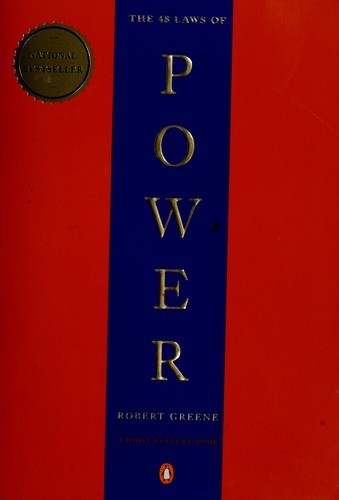
1. The 48 Laws of Power by Robert Greene
THE IDEA: A collection of rules about gaining and keeping power, each illustrated with stories from history, courts and business. It is deliberately provocative, and its tone is strategic rather than gentle.
THE PLAY: Use it as a lens. When something puzzling happens at work, ask which of the book’s patterns might be at play, and what the people involved want.
THE 30-DAY TEST: For a month, keep a short note of each time you read a meeting or decision differently because of the book, and check later whether your reading held up.
Who it is for: Readers who want a vivid, memorable survey of how power is pursued, and who can read it with a critical eye.
One honest weakness: Some readers find the tone cynical, and the examples are chosen to illustrate each law, so it works best as food for thought rather than a set of instructions.
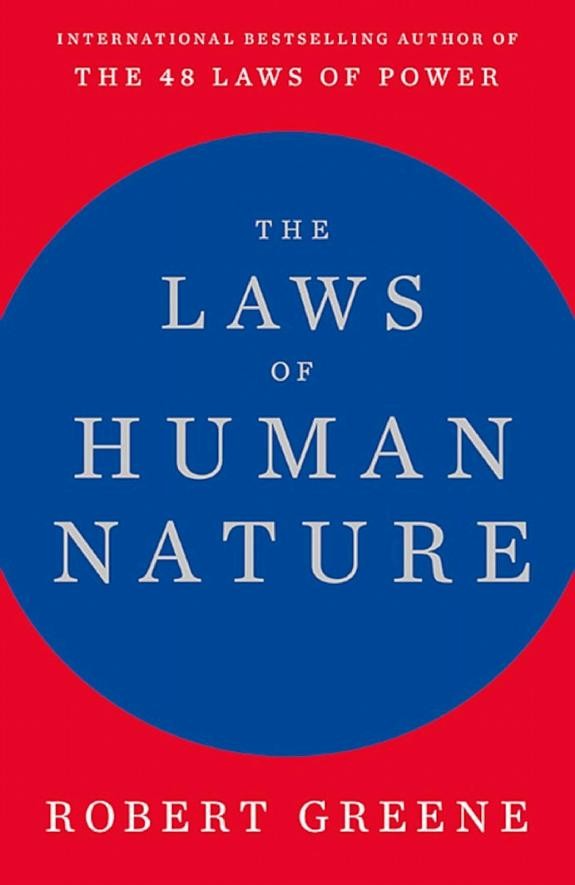
2. The Laws of Human Nature by Robert Greene
THE IDEA: This longer, more psychological companion looks at the patterns behind how people think, react and relate. It aims to help you see motives more clearly, including your own.
THE PLAY: Before reacting to a colleague’s behaviour, take a moment to ask what need or fear might be driving it.
THE 30-DAY TEST: Over 30 days, choose one difficult working relationship and try to describe the other person’s likely motives in a way they would accept as fair.
Who it is for: Those who want to read people better and enjoy long, example-rich books.
One honest weakness: It is a long read, and its broad statements about human nature are best taken as one thoughtful perspective.
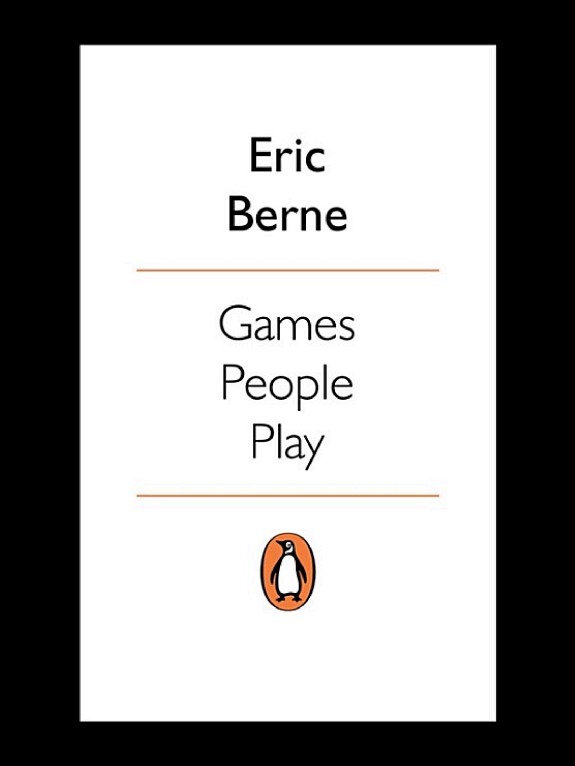
3. Games People Play by Eric Berne
THE IDEA: Berne’s classic of popular psychology describes recurring patterns in how people interact, using the ideas of transactional analysis. Reading it can make familiar workplace dynamics easier to name.
THE PLAY: When a conversation keeps going wrong in the same way, step back and ask whether you and the other person are following a familiar script.
THE 30-DAY TEST: Across a month, notice one recurring pattern in a team meeting and consider what a different response from you might look like.
Who it is for: Anyone who likes to understand the dynamics beneath everyday exchanges.
One honest weakness: The book reflects a particular school of psychology and a particular era, so some of its language and examples will read as of their time.
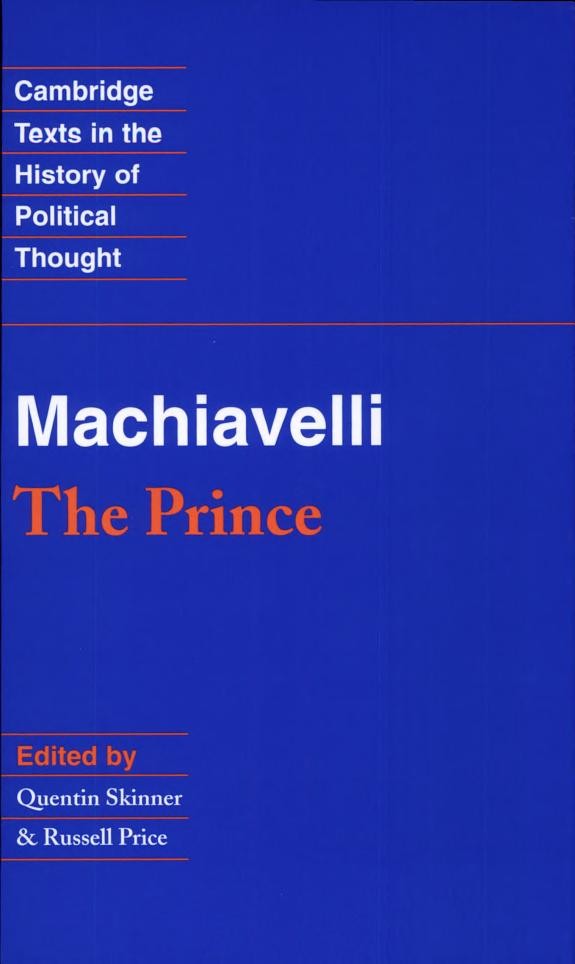
4. The Prince by Niccolò Machiavelli
THE IDEA: A short treatise on how rulers can gain and hold power, famous for separating political effectiveness from conventional moral rules. It is often read as a hard-edged book, and it rewards slow reading.
THE PLAY: Read it as a study of how institutions and leaders behave, and consider which lessons apply to decisions in your own organisation.
THE 30-DAY TEST: This month, pick one decision at work and write down who gained, who lost and how that shaped what happened next.
Who it is for: Readers curious about the roots of political thinking, and who are comfortable with a book of its time.
One honest weakness: Its context is Renaissance Italy, so translating its lessons to a modern workplace takes thought.
5. Crucial Conversations by Kerry Patterson, Joseph Grenny, Ron McMillan and Al Switzler
THE IDEA: Practical in focus, this book offers a method for talking when stakes are high, opinions differ and emotions are running strong. A central idea is to help everyone add their views to a pool of shared meaning, so that people feel safe enough to speak honestly.
THE PLAY: Ahead of a difficult conversation, decide what you want for yourself, the other person and the relationship, and start from that.
THE 30-DAY TEST: Choose one hard conversation this month, prepare for it in advance and afterwards note what you would do differently.
Who it is for: Anyone who tends to avoid difficult conversations or to handle them badly under stress.
One honest weakness: The method has a fair amount of structure, so readers who prefer a looser approach may need to adapt the steps to their own style.

6. Never Eat Alone by Keith Ferrazzi
THE IDEA: Here the focus is on building relationships deliberately and generously over time, rather than reaching out only when you need something. It treats a network as a set of real connections.
THE PLAY: Aim to be useful to someone in your network each week, whether through an introduction, an idea or some encouragement.
THE 30-DAY TEST: Each week for a month, contact one person with something helpful for them and note any follow-up.
Who it is for: People early in their careers, or anyone who finds networking uncomfortable and wants a more generous approach.
One honest weakness: The style is energetic and business-oriented, and some suggestions may suit outgoing people more readily than reserved ones.
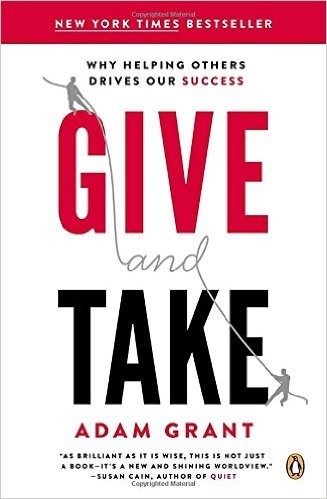
7. Give and Take by Adam Grant
THE IDEA: A research-based look at how people who help others fare at work. The book divides people into givers, takers and matchers and considers when generosity helps and when it does not.
THE PLAY: Try giving in ways that are sustainable for you, such as short, high-value help, and be clear about your limits.
THE 30-DAY TEST: Try tracking the help you give for a month, notice whether it feels energising or draining, and adjust as you see fit.
Who it is for: Readers who want an evidence-based argument for cooperation as a route to influence.
One honest weakness: Real behaviour varies a good deal, so the giver, taker and matcher categories are best used as a loose guide.
8. Radical Candor by Kim Scott
THE IDEA: Scott’s framework for management and feedback built on two ideas: caring personally and challenging directly. The aim is to avoid the extremes of harshness on one side and false niceness on the other.
THE PLAY: Offer feedback that is both kind and specific, and ask for some in return so that honest conversation can flow both ways.
THE 30-DAY TEST: If it suits you, offer one piece of specific, caring feedback each week for a month and invite comments on your own work.
Who it is for: Managers, and anyone who wants to handle upward and sideways conversations with more honesty.
One honest weakness: It is written mainly from a management viewpoint, so people without reports may need to adapt the advice.
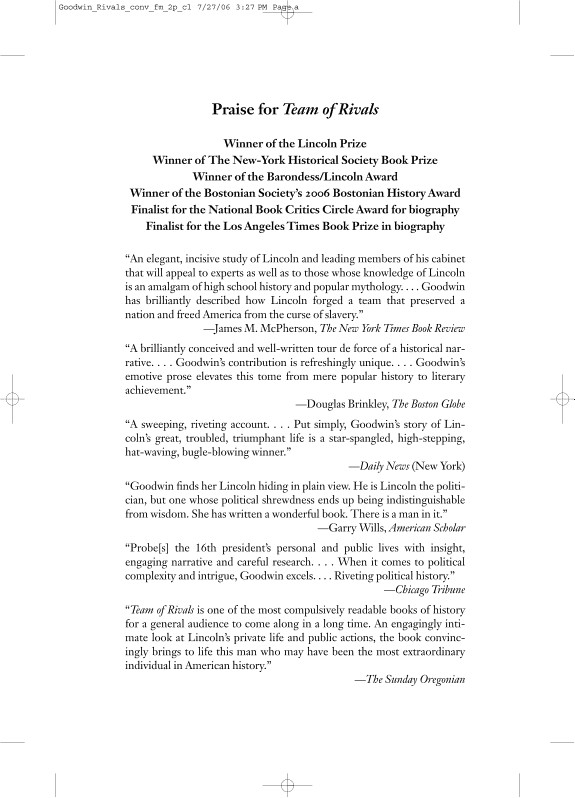
9. Team of Rivals by Doris Kearns Goodwin
THE IDEA: A biography of Abraham Lincoln and the rivals he brought into his cabinet. It reads as a case study in political skill, with attention to patience, humility and the building of alliances.
THE PLAY: Think about who disagrees with you on your team and whether there are ways to work with them, rather than around them.
THE 30-DAY TEST: This month, consider seeking out one person who sees an issue differently from you and asking them to explain their thinking.
Who it is for: Those who like history and want to see power exercised through relationships.
One honest weakness: It is a long, detailed biography, so it asks for more time than the other books on the list.
A suggested reading order
- Start with Radical Candor or Crucial Conversations for practical, everyday skills.
- Add Never Eat Alone and Give and Take to build relationships and influence.
- Read The Laws of Human Nature and Games People Play to understand people and patterns.
- Try The 48 Laws of Power and The Prince for the harder-edged view, read critically.
- Finish with Team of Rivals for a long-form case study of how alliances are built.
Related guides on CROWNLEIGH
A few of our other CROWNLEIGH Book Club guides connect closely with this list:
- Other books to read after Greene’s best-known work, in our guide to books like The 48 Laws of Power.
- Two of Greene’s books side by side, in our guide to The 48 Laws of Power and The Laws of Human Nature.
- Strategy from a classic text, in our guide to The 48 Laws of Power and The Prince.
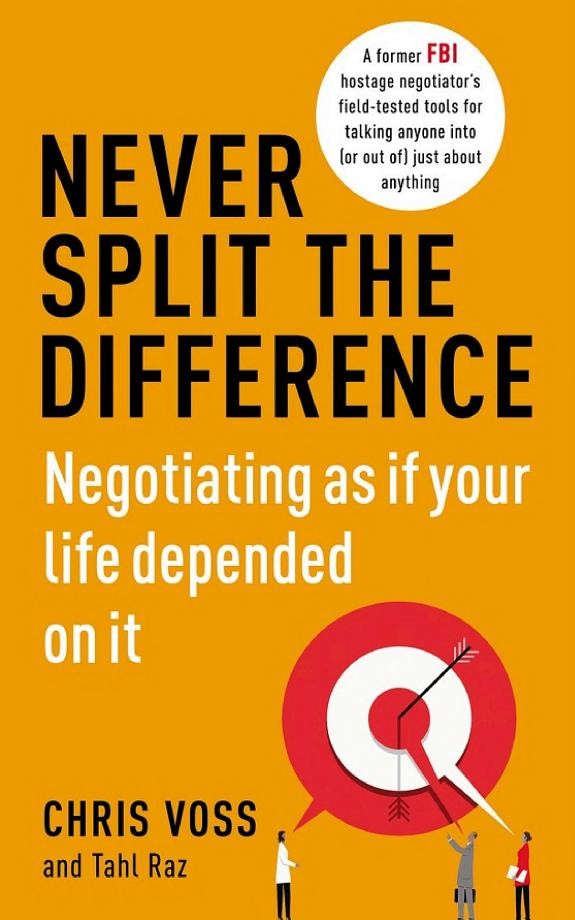
- Negotiating with care, in our guide to Never Split the Difference and Getting to Yes.
- Everyday people skills, in our guide to books like How to Win Friends and Influence People.
You can find all of these, and more as we add them, on our CROWNLEIGH Book Club page.
Frequently asked questions
What is the best book on office politics?
There is no single best book, because it depends on what you want. For a practical, relationship-focused view, try Crucial Conversations or Radical Candor. For a bolder, more strategic view, try The 48 Laws of Power or The Laws of Human Nature.
Is it ethical to study power tactics?
Many people think so, as long as the aim is understanding. Knowing how influence works can help you recognise it when it is used on you, and decide how you want to behave. The ethical question is mostly about what you do with that knowledge. Our moral-line note above offers one simple test: would others feel fairly treated if they could see what you were doing?
How do I build influence at work without a title?
Several of these books point in the same direction: build real relationships, be useful, communicate honestly and be reliable. Never Eat Alone, Give and Take and Radical Candor are good places to begin, and Team of Rivals shows alliance-building on a large scale.
A closing thought
These books disagree with one another about what power is and how to use it, and that is part of their value. You might read a couple from different ends of the list, notice where your own instincts sit and then decide which ideas fit the kind of colleague you want to be.
Book links go to Amazon; see our advertising disclosure.