How to Win Friends and Influence People vs How to Talk to Anyone
Dale Carnegie’s timeless guide to genuine interest in people and Leil Lowndes’s collection of 92 conversation techniques: two much-loved books, compared. Here is what each offers and which to read first.
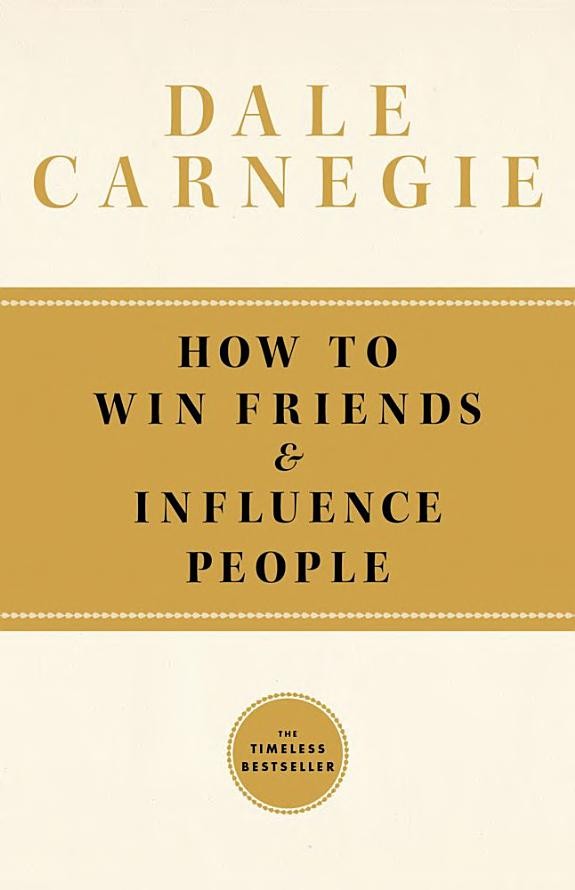
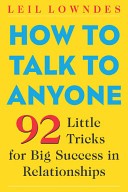
Most of us would like to feel a little more at ease when we meet someone new, whether it is at a networking event, a family gathering or the first day in a new job. Two books are forever recommended for exactly that: Dale Carnegie’s How to Win Friends and Influence People, which has been a favourite for generations, and Leil Lowndes’s How to Talk to Anyone, a modern collection of practical conversation techniques.
They share a purpose but have different personalities. This guide looks at what each offers, how their advice compares and which might suit you best. We will also try both on an imaginary networking event, and point to a few of our other Book Club guides that connect with the same ideas.
How to Win Friends and Influence People is about the spirit of good relationships: genuine interest in other people, listening well and helping others feel valued. How to Talk to Anyone is about the practice of good conversation: a collection of 92 small, specific techniques you can try straight away. If you would like the underlying philosophy, many readers start with Carnegie; if you would like conversation openers and gentle first steps, Lowndes is a lovely place to begin. The two sit together very naturally.
The two books side by side
| How to Win Friends and Influence People | How to Talk to Anyone | |
|---|---|---|
| Author | Dale Carnegie | Leil Lowndes |
| First published | 1936 | 1999 |
| Core idea | Show genuine interest in people, listen well and help others feel appreciated | Small, specific techniques can make conversation feel easier and more rewarding |
| Format | Principles grouped into four parts, each with stories and examples | 92 short, numbered techniques, each with a memorable name and a quick example |
| Best for | Readers who want a warm, lasting approach to relationships | Readers who want practical openers and ideas to try this week |
| Worth knowing | A classic with a timeless charm; the principles carry over very well | Modern and lively, and best sampled a few techniques at a time |
| Difficulty | Very easy to read | Very easy to read |
What they share
- A belief that this is learnable. Both books treat conversation and relationships as skills that anyone can practise and enjoy.
- Attention to the other person. Each, in its own way, points you towards the person in front of you rather than towards yourself.
- Practical, bite-sized advice. Both are easy to dip into, with short chapters or techniques you can try in a single conversation.
- A friendly tone. Neither assumes you are anything other than a thoughtful person who would like to connect.
How to Win Friends and Influence People: the philosophy of liking people
Dale Carnegie’s book first appeared in 1936 and has been read by an enormous number of people since. Its message is delightfully simple: if you want to get along well with others, take a genuine interest in them. The book is organised into four parts, which cover the fundamentals of handling people, ways of making people like you, ways of winning people to your way of thinking, and being a leader.
Some of its best-loved principles:
- Become genuinely interested in other people. Curiosity is the foundation of everything else.
- Smile. A warm expression sets a friendly tone.
- Remember that a person’s name is, to that person, the sweetest and most important sound. Using names with care is a lovely sign of respect.
- Be a good listener. Encourage others to talk about themselves, and listen with real attention.
- Make the other person feel important, and do it sincerely. Honest appreciation goes a long way.
- Avoid criticising, condemning or complaining. Kind, constructive conversation tends to bring out the best in people.
One reason the book has lasted is that its stories feel human. Carnegie illustrates each principle with everyday scenes from business and family life, so the ideas never feel abstract.
Each day for a month, choose one person and try one principle: ask them a genuine question, use their name warmly, or offer a sincere word of appreciation. Jot down a line each evening on how the conversation felt. Small, daily acts of attention are where this book’s ideas tend to settle in.
How to Talk to Anyone: 92 small techniques
Leil Lowndes’s book takes a different route. Rather than a single philosophy, it offers a large collection of short, numbered techniques, 92 in all, each with a catchy name. They are designed for the moments when you are not sure what to say or do: meeting someone for the first time, joining a conversation or keeping one going.
Two of the techniques give a flavour of the style. The “Big Baby Pivot” is about turning towards the person you are meeting with a warm smile and your full, undivided attention, in the warm, delighted way you might greet a much-loved baby. “Sticky Eyes” is about holding warm, steady eye contact. They are small ideas, but they are easy to remember and easy to try.
Many readers enjoy the book as a menu. You can open it anywhere, pick a technique that appeals and try it that very day. Because the techniques are short, it is also easy to revisit before an event.
Choose just three techniques that feel natural to you and try one per week for three weeks, saving the final week to repeat your favourite. Note in a line or two what you tried, what you noticed and whether it felt comfortable. Choosing techniques that suit your personality is the key to making them your own.
Same advice, two eras
Written decades apart, the two books often point in the same direction. The table below is our own gentle reading, offered to show how an old idea and a modern technique can echo each other:
| The idea | In Carnegie’s spirit | In Lowndes’s style |
|---|---|---|
| Give people your full attention | Become genuinely interested in other people | Techniques such as the Big Baby Pivot encourage turning your full attention to them |
| Make a warm first impression | Smile, and greet people by name | Techniques such as Sticky Eyes use steady, friendly eye contact |
| Help others feel valued | Make the other person feel important, sincerely | A collection of small, specific ideas for making people feel at ease |
| Keep a conversation going | Encourage others to talk about themselves and listen well | Short techniques to try when the conversation needs a gentle nudge |
The pairing works because the two books answer different questions. Carnegie offers the spirit to bring. Lowndes offers specific things to try with that spirit in mind.
A networking event, tried both ways
To make the difference concrete, here is an imaginary scenario, written as our own illustration. You are at an evening networking event and you know almost no one.
- With Carnegie in mind, you might decide to be curious. You arrive intending to learn one interesting thing about each person you meet. You smile, ask a genuine question about their work, listen closely and use their name when you say goodbye. Your goal is for each person to leave the conversation feeling appreciated.
- With Lowndes in mind, you might choose two or three techniques before you go. Perhaps you decide to give the person in front of you your full attention, to hold friendly eye contact and to have one or two easy openers ready. Your goal is a smooth, comfortable conversation.
- With both in mind, you bring the curiosity and the toolkit. The spirit keeps the conversation sincere, and the techniques help you begin and carry on.
Neither approach asks you to be someone you are not. Both simply invite you to be a little more deliberate about something you already do.
Where the two books feel different
The clearest difference is scale. How to Win Friends and Influence People offers a handful of principles that can shape how you approach all your relationships. How to Talk to Anyone offers a long list of small techniques for particular moments. One is a compass and the other is a toolbox.
They also feel different to read. Carnegie’s chapters are warm stories, with a gentle pace and a classic voice. Lowndes’s entries are short and brisk, designed to be sampled. Many readers enjoy the contrast, since each suits a different mood.
Which one suits which situation?
Here is a gentle guide, based on what each book emphasises. Treat it as a starting point rather than a rulebook:
| Your situation | Where to start | Why |
|---|---|---|
| You would like a lasting, warm approach to relationships | How to Win Friends and Influence People | Its principles apply to work, family and friendships alike |
| You have an event coming up this week | How to Talk to Anyone | Its short techniques are easy to try quickly |
| You are stepping into a leadership role | How to Win Friends and Influence People | Its final part is about leading with respect and encouragement |
| You feel shy at the start of conversations | How to Talk to Anyone | Its openers and small habits give you something concrete to try |
| You enjoy classic books with a human touch | How to Win Friends and Influence People | The stories give the ideas warmth |
| You would like both the spirit and the practice | Both | Together they cover the why and the how |
Connecting these ideas to other Book Club reads
Good conversation is the thread that runs through many of the books we have explored. A few connections you might enjoy:
- Listening in difficult conversations. Our guide to Never Split the Difference and Getting to Yes shows how listening and curiosity help even in tense moments.
- Why people say yes. Liking is one of the principles in our guide to Influence and Pre-Suasion, which pairs naturally with Carnegie’s warmth.
- Understanding people. Our comparison of The 48 Laws of Power and The Laws of Human Nature explores the tendencies that shape how we behave in company.
- First impressions and quick judgements. Our guide to Thinking, Fast and Slow and Noise looks at how fast, automatic thinking shapes the way we perceive each other.
- Practice makes it natural. Our guide to Atomic Habits and The Power of Habit shows how small, repeated actions become second nature, which is exactly how conversation skills grow.
- Leading with respect. Our guide to Good to Great and Built to Last explores leadership and culture, where Carnegie’s final section feels at home.
- Talking to customers. If you are building something new, our comparison of Zero to One and The Lean Startup highlights how much early progress comes from conversations.
- Reputation and standing. Our guide to The 48 Laws of Power and The Prince offers a historical view of how reputation is built, one interaction at a time.
- Preparing for an occasion. The emphasis on preparation in The Art of War and The Prince and The 48 Laws of Power and The 33 Strategies of War applies nicely to getting ready for an event.
You can find all of these, and more as we add them, on our CROWNLEIGH Book Club page.
Our suggested reading order
If you would like a foundation that lasts, starting with How to Win Friends and Influence People is a lovely option. It sets a warm, curious tone for everything that follows. Then dip into How to Talk to Anyone for practical ideas you can try this week. If you have an event coming up soon, it works beautifully to begin with How to Talk to Anyone for a few quick techniques and then read Carnegie afterwards for the spirit behind them.
Frequently asked questions
Should I read How to Win Friends and Influence People or How to Talk to Anyone first?
If you would like the underlying philosophy, How to Win Friends and Influence People is a lovely first read. If you have a specific event or conversation coming up and want practical ideas quickly, How to Talk to Anyone is a natural place to begin. Many readers enjoy either order.
Does How to Win Friends and Influence People still feel relevant today?
Many readers find it remarkably timeless. The settings and some of the phrasing reflect the 1930s, and the heart of the book, being interested in people, listening and appreciating them sincerely, applies just as well today, in person or online.
Are the techniques in How to Talk to Anyone suitable for shy people?
Many shy readers enjoy it, because it breaks conversation into small steps. A helpful approach is to choose just a few techniques that feel natural to you and practise them gently, rather than trying them all at once.
Do I need to read both?
Not at all. Each stands on its own. Reading both simply gives you a philosophy and a toolkit, which many people find a pleasant combination.
Can I read How to Win Friends and Influence People and How to Talk to Anyone together, and is it worth it?
Yes, and many people enjoy it. A pleasant approach is to read a chapter of Carnegie, then a few of Lowndes’s techniques, and try one idea from each over the same month. The 30-day tests above are an easy way to do just that.
A closing thought
Behind both books is a simple, hopeful idea: that being good company is something anyone can grow into. Whether you begin with a classic about caring for people or a modern collection of conversation techniques, you are likely to finish with a few small things to try and a warmer, more confident way of walking into a room.
Book links go to Amazon; see our advertising disclosure.