Quiet vs The Charisma Myth
Susan Cain on the strengths of introverts, and Olivia Fox Cabane on charisma as a set of skills anyone can practise: two books on presence, compared, with a quiet-charisma playbook for introverted leaders and a suggested reading order.
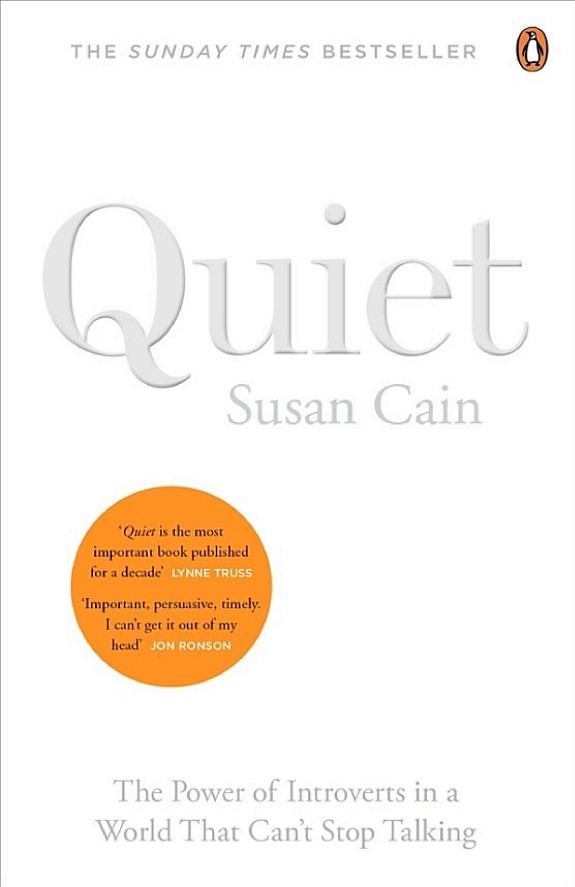
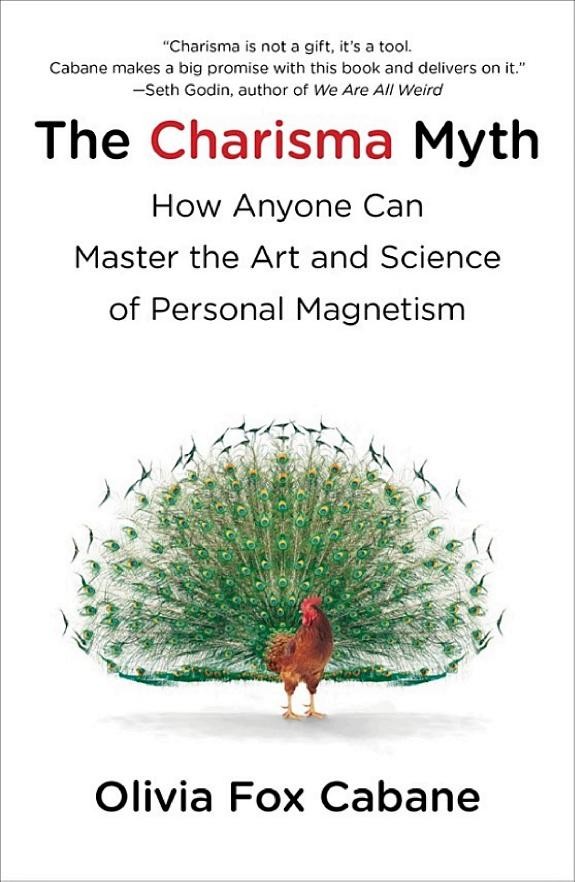
Two books published in the same year, 2012, speak to anyone who has ever felt that the loudest person in the room gets the most attention. Susan Cain’s Quiet makes the case that introverts have strengths that modern workplaces and schools often overlook. Olivia Fox Cabane’s The Charisma Myth takes a different angle: it argues that charisma is not a gift some people are born with, but a set of behaviours that can be learned and practised. On the face of it, they might seem to pull in opposite directions. In practice, many readers find that they fit together well, particularly if they are quieter by temperament and lead, manage or present to others.
This guide looks at what each book offers, how they compare and which might suit you best. To help you put the ideas to use, we have added a short ‘quiet charisma’ playbook for quieter leaders, along with a reading order. We will also point to a few of our other CROWNLEIGH Book Club guides that connect with the same themes.
Quiet is about understanding and valuing introversion: it describes a culture that tends to favour talkative, outgoing styles, and explains what quieter people bring, such as depth, careful listening and focus. The Charisma Myth is about skills: it describes charisma as a combination of presence, power and warmth, and offers exercises for developing each. Quiet tends to be read as the more reassuring of the two, and The Charisma Myth as the more practical. If you are a quieter person in a leadership role, they work well together: one helps you appreciate your own style, and the other gives you tools to use it with confidence.
The two books side by side
| Quiet | The Charisma Myth | |
|---|---|---|
| Author | Susan Cain | Olivia Fox Cabane |
| Subtitle | The Power of Introverts in a World That Can’t Stop Talking | How Anyone Can Master the Art and Science of Personal Magnetism |
| First published | 2012 | 2012 |
| Core idea | Introversion is a valuable temperament, and quieter people are often undervalued by a culture that prizes extroversion | Charisma can be broken into learnable components, and anyone can develop them |
| Signature ideas | The ‘Extrovert Ideal’; introversion is not shyness; the value of solitude; restorative niches; limits of group brainstorming | Presence, power and warmth; learnable body language and behaviours; exercises for focusing attention and managing nerves |
| Tone | Reflective and research-led, with portraits of real people | Practical and exercise-led, with step-by-step techniques |
| Best for | Readers who want to understand their own temperament, or that of people they work with | Readers who want specific habits for meetings, presentations and conversations |
| Things to bear in mind | More about understanding than about techniques, so some readers look elsewhere for step-by-step methods | Techniques will feel different to different people, so it is worth trying a few and keeping the ones that suit you |
What they share
- Attention to how people come across. Both books are interested in how we are perceived, and in what is really going on behind the impression.
- Doubt about a narrow ideal. Each pushes back on a narrow picture of what impressive looks like: Cain on the preference for the loud and quick, Cabane on the idea that charisma is an inborn gift.
- Room to grow. Both suggest that people can stretch beyond their usual habits, while staying true to themselves.
- Research and stories. Each draws on psychology and on real examples, and is written for general readers.
Quiet: the power of introverts
Susan Cain is a writer and former lawyer, and Quiet grew from her interest in how temperament shapes work and life. The book’s central argument is that, at least in many Western workplaces and schools, outgoing, quick-talking behaviour is treated as the ideal, and that this can lead us to overlook the contributions of people who think and work differently. Her talk on the subject became one of the most-watched TED talks.
Some of the key ideas:
- The Extrovert Ideal. Cain describes a cultural preference for sociable, assertive styles, which she traces through the history of work and education.
- Introversion is not shyness. The book draws a distinction between a preference for quieter, less stimulating environments and a fear of social judgement.
- The value of solitude. Time alone is described as important for focus, creativity and recovery.
- Rethinking group work. Cain looks at the limits of open-plan offices and of group brainstorming, and suggests combining collaboration with time for individual thought.
- Restorative niches. Cain describes how introverts can act out of character for things they care about, and can then retreat to a quiet place to recharge.
The book is often enjoyed as a reassuring read, and quieter readers often say it helped them describe their own working style with more confidence.
For one month, plan your week so that you protect two short blocks of quiet focus, and note what you accomplish in them compared with a typical day. Also choose one meeting in which you would like to contribute, and prepare one point in advance. At the end of the month, note which arrangements helped you do your best work.
The Charisma Myth: charisma as a set of skills
Olivia Fox Cabane is a leadership coach and speaker, and The Charisma Myth sets out an approach to charisma that she has taught to professionals. The book’s title refers to what it calls a myth: the belief that charisma is a fixed trait that you either have or lack. Instead, she describes it as a combination of three qualities that can be practised.
Some of the key ideas:
- Presence. Being fully attentive to the person in front of you, rather than distracted by your own thoughts. The book offers exercises for bringing your attention back to the moment.
- Power. Being seen as someone with the ability to influence the world around you, which the book links to body language and a calm, assured manner.
- Warmth. Showing goodwill and care for others, which the book connects to how people feel in your company.
- Charisma styles. The book describes four styles, each built from the three qualities: focus, visionary, kindness and authority. Focus charisma rests on presence, for example, and kindness charisma on warmth, so you can choose the style that fits the situation and your temperament.
- Managing nerves. Techniques for calming anxiety and for handling difficult moments, so that you can stay present.
The book is often appreciated for its range of practical exercises, and for the idea that charisma comes in more than one style.
Pick one regular conversation or meeting each week. Before it starts, take thirty seconds to settle your attention. During it, focus fully on the other person, and notice what happens to the tone of the conversation. Afterwards, write down one thing you did that felt natural and one you would like to try again.
Where the two books agree, and where they feel different
They agree on more than the titles suggest. Both treat the way we come across as something that can be understood, and neither says you must become someone else. Quiet puts the emphasis on valuing a temperament that is often undervalued. The Charisma Myth puts the emphasis on practising behaviours that make connection easier. Both are comfortable with you adding to your repertoire without giving up what already works.
They differ in where they begin. Quiet starts from who you are, and asks the world to make more room for quieter strengths. The Charisma Myth starts from what you do, and offers specific techniques for presence, power and warmth. Many readers find that one can make the other more useful: understanding your temperament helps you choose which techniques to try, and the techniques give your temperament more ways to be seen. A reader who feels pressure to be more outgoing may find Quiet a relief, while one who wants more influence in meetings may reach for the exercises in The Charisma Myth.
A ‘quiet charisma’ playbook
The following ideas are our own suggestions for introverted founders, directors and managers, inspired by the themes of the two books. They are a starting point to adapt, and not instructions from either author.
- Prepare your main point. Knowing what you want to say makes it easier to speak briefly and clearly.
- Arrive a few minutes early. A quiet moment before a meeting helps you settle, and lets you greet people one at a time.
- Listen first, then speak. Giving someone your full attention is a form of warmth, and it suits a reflective style.
- Speak a little more slowly. A measured pace tends to sound calm and considered.
- Choose the setting that suits you. One-to-one conversations, written updates and small groups can be places where you shine.
- Plan your recovery. Schedule a short quiet break after a long meeting or event, so that you have energy for the next one.
Which one suits which situation?
Here is a quick guide, based on what each book emphasises. Use it as a prompt rather than a rulebook:
| Your situation | Where to start | Why |
|---|---|---|
| You want to understand your own temperament | Quiet | It explains introversion and what it brings |
| You manage or work with quieter colleagues | Quiet | It shows how to make space for different working styles |
| You have a presentation or big meeting coming up | The Charisma Myth | Its exercises are designed for those moments |
| You would like to feel more at ease with people | The Charisma Myth | Its focus on presence and warmth is practical |
| You are an introverted leader | Both | One helps you value your style, the other helps you use it with confidence |
If you enjoyed these ideas
A handful of our other CROWNLEIGH Book Club guides connect closely with the ideas in these two books:
- Connecting with people. Warm, practical ideas about conversation appear in our guide to How to Win Friends and Influence People and How to Talk to Anyone.
- Influence. How we shape what others notice and think is explored in our guide to Influence and Pre-Suasion.
- Leading others. Two views of leadership, one centred on responsibility and one on care, feature in our guide to Extreme Ownership and Leaders Eat Last.
- Listening and questions. The value of asking well and listening carefully is explored in our guide to The Challenger Sale and SPIN Selling.
- Difficult conversations at the table. Staying calm and clear when stakes are high is explored in our guide to Never Split the Difference and Getting to Yes.
You can find all of these, and more as we add them, on our CROWNLEIGH Book Club page.
Our suggested reading order
If you are quieter by temperament, we would suggest starting with Quiet. It is an affirming read, and it can help you decide which of your habits are worth keeping. Then read The Charisma Myth for specific practices you can try in meetings and conversations, picking the ones that feel natural. If you are more eager for practical techniques than for background, it works equally well the other way round: begin with The Charisma Myth for the exercises, and follow with Quiet to put them in a wider context.
Frequently asked questions
Should I read Quiet or The Charisma Myth first?
If you would like to understand your temperament, Quiet is a good first read. If you have a specific meeting or presentation in mind, The Charisma Myth is a natural place to begin. Either order can work, and each is readable over a few weeks of evenings.
Can introverts be charismatic leaders?
Both books suggest that they can. Quiet describes the strengths quieter leaders often bring, such as focus and careful listening. The Charisma Myth describes charisma as something with several styles, including ones built on focus and kindness. Some readers find that the two together encourage them to lead in their own way.
Is The Charisma Myth asking me to act like an extrovert?
Not as we read it. The book describes charisma as a mix of presence, power and warmth, and none of these require being loud. It is worth trying the exercises and keeping the ones that suit you.
Do I need to read both?
Not necessarily. Each stands well on its own. Reading both can give you an appreciation of your temperament and a set of practices to use it well.
Can I read Quiet and The Charisma Myth together, and is it worth it?
Yes, and some readers like to. One approach is to read a chapter of one, then a chapter of the other, and try one idea from each over the same month. The 30-day tests above are an easy way to do just that.
A closing thought
Read together, the two books suggest a simple idea: that there is more than one way to be influential, and that you can build on the style you already have. Whichever you open first, you may finish with a clearer sense of your own strengths, and a few small things to try in your next meeting.
Book links go to Amazon; see our advertising disclosure.