Books Like The 48 Laws of Power: 9 Reads to Try Next
Nine books to read after Robert Greene’s The 48 Laws of Power, from The 33 Strategies of War and The Prince to The Dictator’s Handbook and Team of Rivals, each with how it is similar, how it differs, who it suits and a ‘power by situation’ guide.
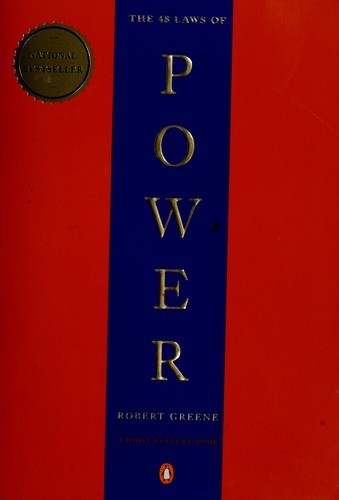
Few books split opinion quite like Robert Greene’s The 48 Laws of Power. Readers who love it tend to love the same things: 48 memorable laws, each explored through stories from courts, battlefields and business, drawing on historical figures from many eras and places. It reads less like a manual than a gallery of case studies about how power is gained, held and lost. If you finished it wanting more of that mix of history, strategy and human behaviour, this list is for you.
The nine books below are ordered roughly by how close a match they are, from the nearest neighbours to those that approach power from a very different angle. Each has a short note on why it is similar, how it differs, who it suits and a ‘difficulty’ tag, plus a ‘play’: one practical thing to try. We have also added a ‘power by situation’ table, a note on ethics and a ‘what to read next’ guide by goal. Many readers find that the most valuable use of this kind of book is understanding how power works, so that you can recognise it and respond with integrity.
If you want the nearest match, begin with The 33 Strategies of War, another Greene book built in a similar way. If you would prefer something with more reflection and less swagger, try The Laws of Human Nature. And if you would like to go to a source that Greene draws on, start with The Prince.
Why people love The 48 Laws of Power
The book’s appeal is easy to see. Its laws are memorable, each comes with a ‘transgression’ and an ‘observance’ drawn from history, and the writing has a sense of drama. It also treats power as a subject for study, and many readers enjoy the permission to look at human behaviour without sentiment. Critics, by contrast, point to its cynical tone, and some readers feel it presents manipulation as a norm. A fair way to read it is as a study of what has worked, and what has gone wrong, for people who pursued power, rather than as advice for how to treat others.
Nine books to try next
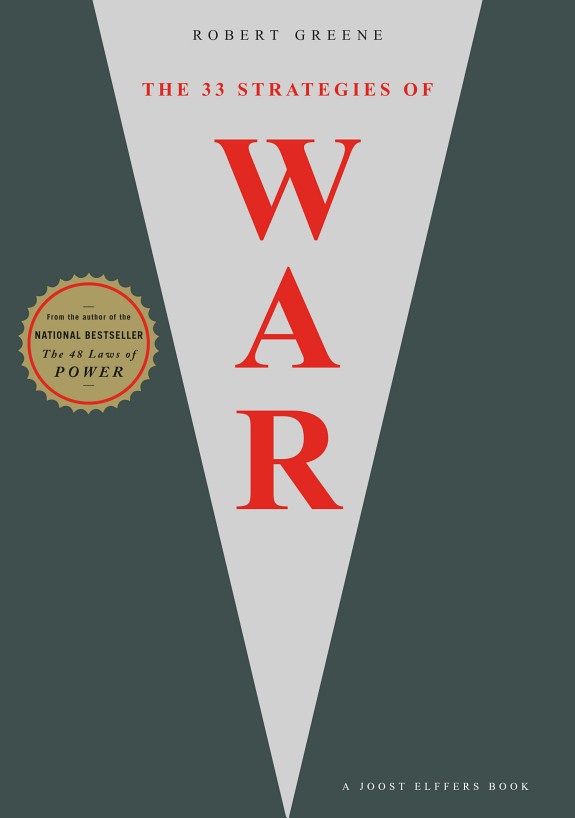
1. The 33 Strategies of War by Robert Greene
Difficulty: Moderate
Why it is similar: It is the closest match: the same author, the same blend of historical stories and short principles, and the same dramatic tone.
How it differs: It is organised around conflict and strategy, in five parts: self-directed, organisational, defensive, offensive and unconventional war, and it applies them to everyday competition. It is less about courtly power and more about planning and campaigns.
Who it suits: Readers who enjoyed the format of The 48 Laws of Power and want more of it, particularly those who like military history and strategy.
THE PLAY: Choose one strategy and apply it to a goal you have this month, such as preparing for a negotiation, and write down what you would do differently.

2. The Prince by Niccolò Machiavelli
Difficulty: Moderate
Why it is similar: Greene draws on and quotes this classic. Written in the early sixteenth century, it offers advice to a ruler on gaining and keeping power, and it is a short, famous example of looking at politics as it is.
How it differs: It is a single, concentrated argument rather than a collection of stories, and it is written for rulers of a particular time and place. Different editions carry notes and introductions that help to set it in context.
Who it suits: Anyone who wants the original sources behind modern power books, and who enjoys political thought.
THE PLAY: Pick one chapter and summarise its advice in a sentence, then consider how a modern leader might apply it, or why they would not.
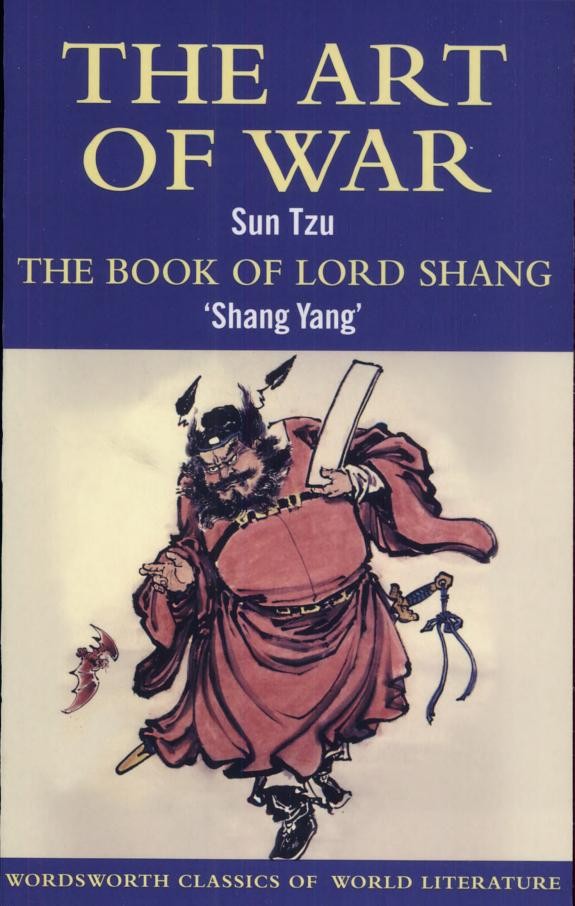
3. The Art of War by Sun Tzu
Difficulty: Easy to moderate
Why it is similar: A very short classic of strategy, often quoted in business, and a source that Greene and many other writers on strategy and power draw on.
How it differs: Much briefer and more aphoristic than The 48 Laws of Power, with little in the way of stories. Its emphasis is on preparation, positioning and avoiding unnecessary conflict, and the best editions add commentary to help you read it.
Who it suits: Those who like concise, quotable advice and who enjoy ideas from different cultures and eras.
THE PLAY: Take one maxim, such as winning without fighting, and ask how it might apply to a disagreement you are facing.
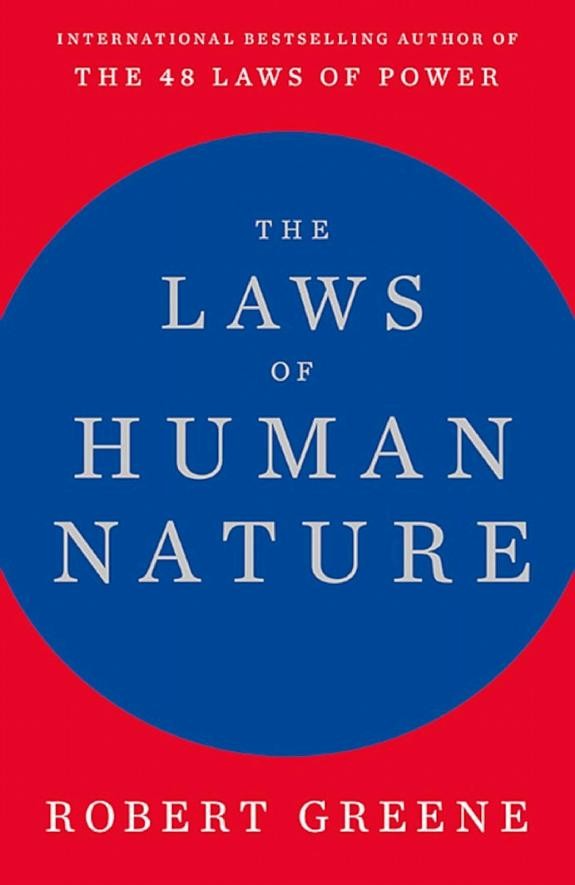
4. The Laws of Human Nature by Robert Greene
Difficulty: Moderate to demanding
Why it is similar: It carries on the habit of building its ideas from historical stories, and it is often seen as a more reflective, later book from the same author than The 48 Laws of Power.
How it differs: Its focus is on understanding people, including yourself, rather than on gaining advantage. It deals with topics such as envy, conformity and our emotional reactions, and it has a more balanced, psychological feel.
Who it suits: Readers who want to understand motives, and who found the earlier book too focused on tactics.
THE PLAY: Pick one chapter and watch for that pattern in yourself for a week, before looking for it in anyone else.
5. The Art of Seduction by Robert Greene; Joost Elffers
Difficulty: Moderate
Why it is similar: It uses the same structure of types, strategies and historical examples, applied to charm and persuasion.
How it differs: Its subject is the art of attraction and influence in a broad sense, including charm in social and public life as well as romance, and it is more about personality and style than about authority. Some readers find parts of it uncomfortable, and it is best read with that in mind.
Who it suits: Anyone interested in charisma, persuasion and how people are drawn to one another.
THE PLAY: Study one historical figure from the book, and note what made them magnetic that has nothing to do with manipulation.
6. Mastery by Robert Greene
Difficulty: Moderate
Why it is similar: Another Greene book that builds its argument from the life stories of notable people, in this case masters of their fields.
How it differs: Its subject is developing skill and a calling, not winning over others, so it reads as a more constructive, personal book. It applies the idea of power to your own development.
Who it suits: A good fit if you want the energy of Greene’s books pointed at your own work and learning.
THE PLAY: Identify one skill you want to deepen, and design an apprenticeship for it, with a mentor, a project and a date for review.
7. The Dictator’s Handbook by Bruce Bueno de Mesquita and Alastair Smith
Difficulty: Moderate
Why it is similar: It looks at power with a similarly unsentimental eye, asking how leaders keep their positions.
How it differs: A work of political science built on a theory about the groups a leader depends on, it uses modern case studies and a more systematic approach than Greene’s historical stories. The focus is institutions rather than personal tactics.
Who it suits: Readers who are curious about how incentives shape leaders in governments, companies and organisations.
THE PLAY: Think about an organisation you belong to and list who a leader there needs to keep happy. Notice how that shapes decisions.
8. Games People Play by Eric Berne
Difficulty: Easy to moderate
Why it is similar: Hidden patterns in how people interact are a theme that runs through Greene’s books, and this book looks at them directly.
How it differs: A psychological classic rather than a strategy book, it describes recurring ‘games’ in everyday conversations from the point of view of transactional analysis. Parts of it reflect the language and assumptions of the 1960s.
Who it suits: Those interested in the psychology behind everyday behaviour and communication.
THE PLAY: Notice one repeated pattern in your conversations this week, and ask what each person is hoping to get from it.
9. Team of Rivals by Doris Kearns Goodwin
Difficulty: Demanding
Why it is similar: A long, detailed study of power in action, it shows how Abraham Lincoln dealt with ambitious people around him.
How it differs: This is a biography rather than a guide, and it presents power as a combination of patience, generosity and political skill. It is a long read, with more attention to character than to tactics.
Who it suits: Readers who prefer a full story to a list of principles, and who like American history.
THE PLAY: Choose one relationship in your own work with a person who is hard to win over, and consider what an act of generosity towards them might look like.
A comparison at a glance
| Book | Closest to The 48 Laws of Power in… | Main difference | Difficulty |
|---|---|---|---|
| The 33 Strategies of War | Format and tone | More about conflict and planning | Moderate |
| The Prince | Subject matter | A single argument, from a particular time | Moderate |
| The Art of War | Strategy | Short and aphoristic | Easy to moderate |
| The Laws of Human Nature | Format and author | More about understanding than advantage | Moderate to demanding |
| The Art of Seduction | Structure | Focused on charm and attraction | Moderate |
| Mastery | Biographical examples | About developing skill | Moderate |
| The Dictator’s Handbook | Unsentimental view | Political science, not personal tactics | Moderate |
| Games People Play | Hidden patterns | Everyday psychology | Easy to moderate |
| Team of Rivals | Power in action | A biography with a slower pace | Demanding |
Power by situation
Different settings suggest different books. Here is a guide, offered as a prompt for reading rather than as advice on how to behave:
| Situation | What to look for | Where to start |
|---|---|---|
| Office politics | How decisions get made, who influences them and how to build trust without games | The Laws of Human Nature, Games People Play |
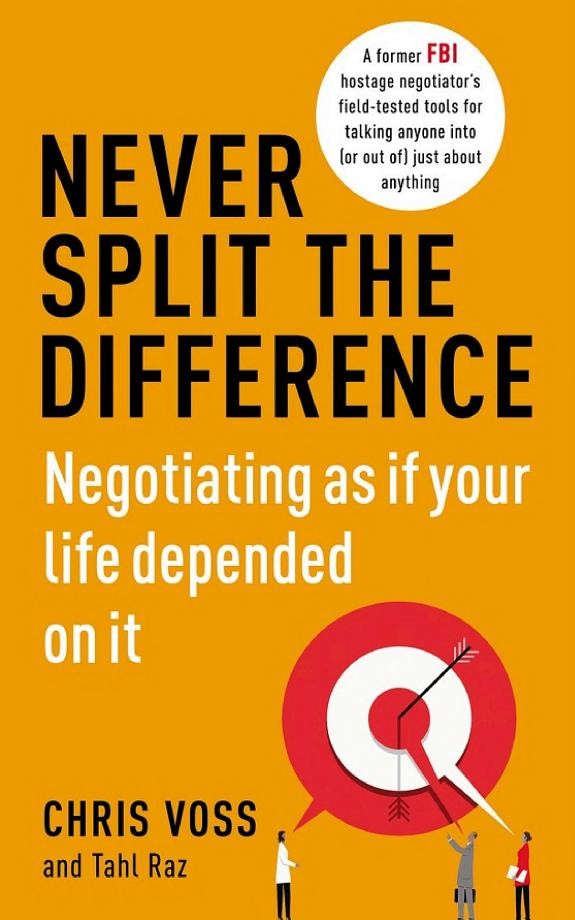
| Negotiation and persuasion | How to prepare, read the other side and keep the relationship intact | The 33 Strategies of War, The Art of War, Never Split the Difference and Getting to Yes (see below) |
| Public life and politics | How leaders hold on to office, and what happens when they lose it | The Prince, The Dictator’s Handbook, Team of Rivals |
| Your own development | How to build skill and standing from the inside | Mastery |
A note on ethics
Books on power attract strong views, and it is fair to say that several on this list were written to describe the world as it is, not to prescribe how anyone should behave. One sensible way to read them is as a defence as well as a toolkit: understanding how people seek advantage helps you notice it, and helps you decide where your own lines are. It can help to ask three questions of any tactic you read about. Would I be comfortable if the other person knew exactly what I was doing? Does it respect the people involved? Would I be glad to see it used on someone I care about? If the answers are uncomfortable, that is a useful sign.
What to read next, by goal
| If you want… | Try | Why |
|---|---|---|
| More of the same format | The 33 Strategies of War | It is the nearest match |
| The original sources | The Prince or The Art of War | Both are classics that Greene draws on |
| A more reflective take | The Laws of Human Nature | It focuses on understanding people |
| Power applied to your own growth | Mastery | It turns the lens on skill and calling |
| A hard-headed view of institutions | The Dictator’s Handbook | It explains how incentives shape leaders |
| A narrative with a human face | Team of Rivals | It shows power through one remarkable story |
Related guides on CROWNLEIGH
A few of our other CROWNLEIGH Book Club guides connect closely with this list:
- Greene’s first book against its most famous source, in our guide to The 48 Laws of Power and The Prince.
- The two Greene books compared, in our guide to The 48 Laws of Power and The 33 Strategies of War.
- Two classic texts side by side, in our guide to The Art of War and The Prince.
- Greene’s more reflective book, in our guide to The 48 Laws of Power and The Laws of Human Nature.
- A more collaborative view of influence, in our guide to Never Split the Difference and Getting to Yes.
You can find all of these, and more as we add them, on our CROWNLEIGH Book Club page.
Frequently asked questions
What should I read after The 48 Laws of Power?
For the closest match, try The 33 Strategies of War. For a more reflective follow-up, try The Laws of Human Nature. For the classic sources, try The Prince or The Art of War.
Is The 48 Laws of Power worth reading?
Many readers enjoy it as a gallery of historical stories about power, and as a way into history and strategy. Others find its tone cynical. It tends to be most useful when read as a study of how power operates, with your own judgement about what to apply.
Is there a shorter book than The 48 Laws of Power with a similar message?
Sun Tzu’s The Art of War is much shorter, and The Prince is also fairly brief. Both are classics that have shaped many later books on strategy and power, and both reward a slow read.
A closing thought
Whichever book you pick next, it may help to read with two questions in mind: what is this author noticing about people, and what would I want to do with it? Power, in several of these books, is as much about understanding as about domination, and that is a good thing to take away.
Book links go to Amazon; see our advertising disclosure.