Books About Power: A Reading List for Leaders
Nine books about how power works and how it is won, held and used, from The 48 Laws of Power and The Prince to The Dictator’s Handbook, Why Nations Fail and Team of Rivals, grouped by theme with a reading order for leaders.
Anyone who leads people, whether a team, a company or a country, ends up dealing with power: who has it, how they got it, what keeps them in place and what happens when it changes hands. Writers have been trying to explain this for centuries, and their answers differ sharply. Some give advice to the ambitious. Others analyse institutions, record history or argue about why governments exist at all.
This list collects nine books on the subject and groups them by theme: tactics, politics, history and psychology. For each book we give the core idea, a ‘play’, a 30-day test, who it suits and one honest weakness. If you are looking for books focused on offices and teams, our guide to power and politics at work is a good companion. This list takes a wider view.
How we chose
We kept the list short at nine books. We looked for books that are widely read, that offer a distinct point of view and that reward a leader’s attention, and we included different traditions so that no one philosophy dominates. Inclusion is not endorsement: several of these books are blunt about methods that many readers will not want to use. We have grouped them by theme, and you can use the quick-pick table to find a starting point.
Quick-pick table
| If you want… | Start with | Theme |
|---|---|---|
| A vivid survey of power strategies | The 48 Laws of Power | Tactics |
| To understand people’s motives | The Laws of Human Nature | Psychology |
| A short classic on political realism | The Prince | Politics |
| To see how leaders stay in office | The Dictator’s Handbook | Politics |
| A foundational argument about the state | Leviathan | Politics |
| Why some societies thrive and others struggle | Why Nations Fail | Politics |
| A study of one man’s influence over a city | The Power Broker | History |
| Power exercised through alliances | Team of Rivals | History |
| A short, wide view of the human record | The Lessons of History | History |
Reading about power is different from seeking it for its own sake. A useful question to keep in mind is who is affected by a decision and whether they have any say in it. Keeping that question in view can help you notice the answer, which is part of the reason to read these books.
Tactics
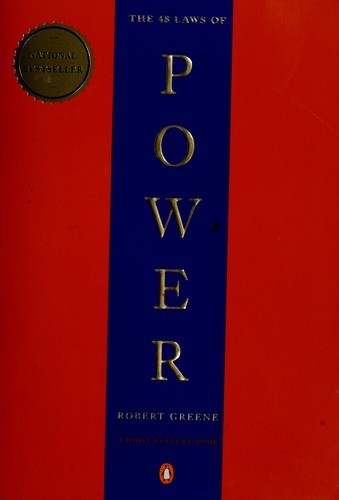
1. The 48 Laws of Power by Robert Greene
THE IDEA: This is a collection of rules about gaining and keeping power, each illustrated by stories from history, courts and business. It is written in a provocative, strategic style.
THE PLAY: Treat it as a lens. When you see an unexpected move, ask which pattern from the book might explain it.
THE 30-DAY TEST: If you like, keep a short note over a month of times when the book changed how you read a situation, and check later whether your reading held up.
Who it is for: Readers who want a vivid, memorable survey of how power is pursued, and who read it critically.
One honest weakness: Some readers find the tone cynical, and its historical examples are brief, so it works best as a prompt for reflection and further reading.
Politics
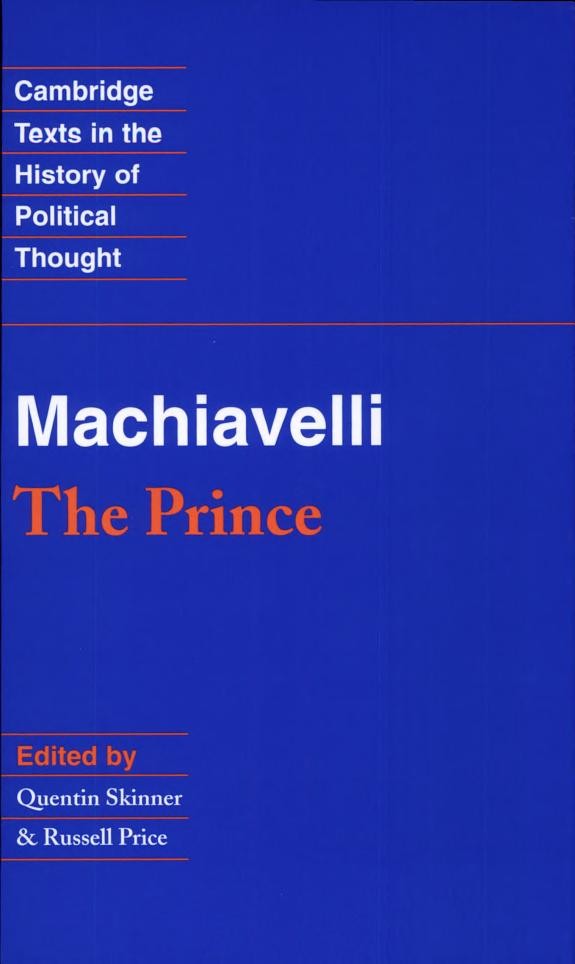
2. The Prince by Niccolò Machiavelli
THE IDEA: This short treatise on how rulers gain and hold power is often read as pragmatic, and it separates political effectiveness from conventional moral rules.
THE PLAY: Read it as a study of how leaders and institutions behave, and ask which lessons carry across to modern organisations.
THE 30-DAY TEST: Choose one decision at work or in the news and write down who gained, who lost and how that shaped what followed.
Who it is for: Readers curious about the roots of political thinking.
One honest weakness: Written for a very different world, it asks the reader to think about how some of its advice translates.
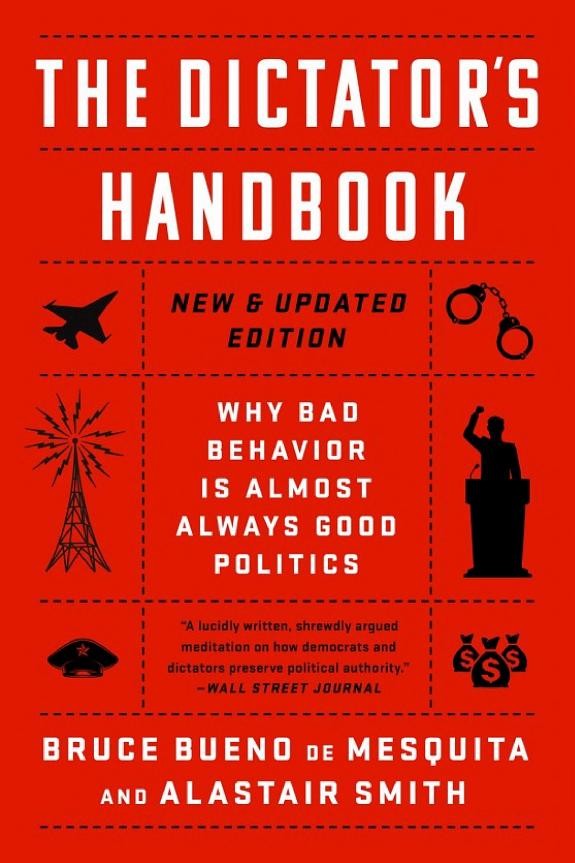
3. The Dictator’s Handbook by Bruce Bueno de Mesquita and Alastair Smith
THE IDEA: Here the argument is that leaders are shaped less by character than by the number of people whose support they need to keep. The authors use this idea to explain behaviour in governments, companies and other organisations.
THE PLAY: When you assess a leader’s choices, consider whose backing they depend on, and how that may shape what they do.
THE 30-DAY TEST: Pick one organisation you know and sketch who its leader needs on side, then see whether that explains the leader’s decisions.
Who it is for: Readers who prefer a structural explanation of power to a personal one.
One honest weakness: Any single theory simplifies, and the book’s model is best used as a way of asking questions.
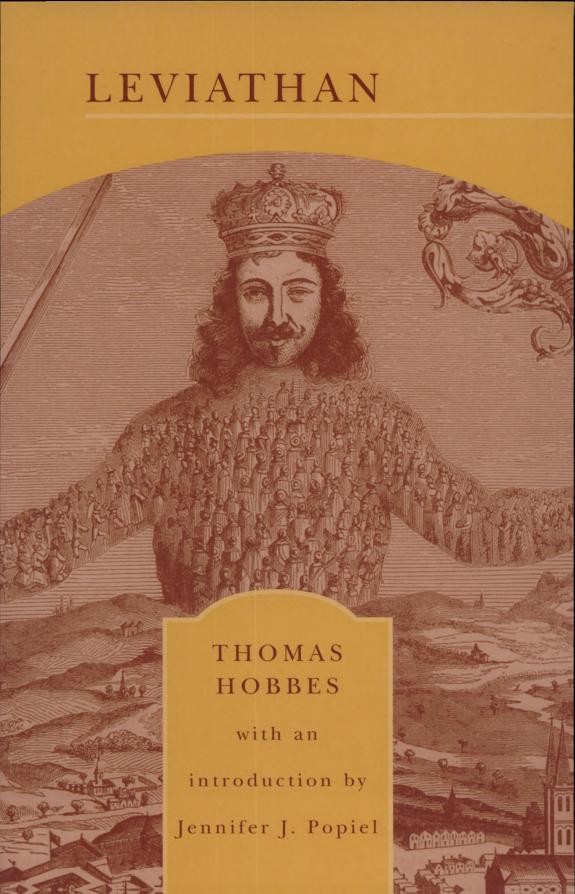
4. Leviathan by Thomas Hobbes
THE IDEA: Often counted among the foundational works of political philosophy, it asks why people accept a ruler at all and argues that a strong central authority is the alternative to disorder.
THE PLAY: Use it to ask what a group owes to the authority that keeps order, and what it should expect in return.
THE 30-DAY TEST: If it helps, spend a month noticing the unwritten rules in a group you belong to, and who enforces them.
Who it is for: Readers who enjoy philosophy and are prepared for an older style of writing.
One honest weakness: Its language and structure take some effort, so a guide or an abridged edition may help.
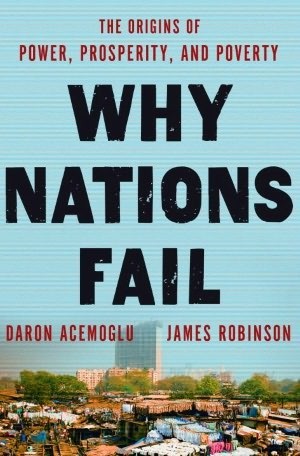
5. Why Nations Fail by Daron Acemoglu and James A. Robinson
THE IDEA: The authors argue that national fortunes depend on institutions, and they contrast ‘inclusive’ institutions with ‘extractive’ ones that concentrate power and wealth.
THE PLAY: When you look at a rule or process, ask whether it spreads opportunity or narrows it.
THE 30-DAY TEST: Over a month, you could look at the incentives built into one system you work in and who benefits from them.
Who it is for: Readers interested in how power shapes economies and societies.
One honest weakness: The argument is broad, and other scholars have offered different explanations, so it is one view among several.
History
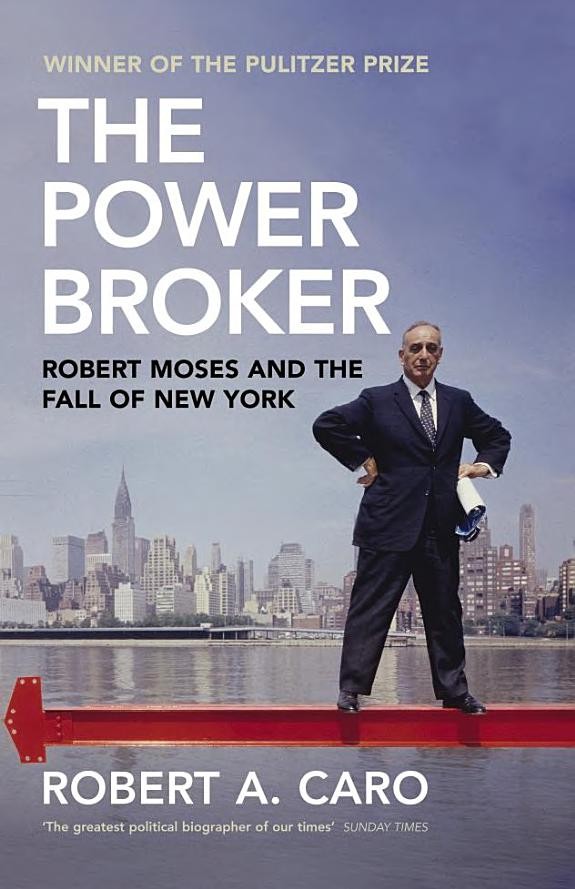
6. The Power Broker by Robert A. Caro
THE IDEA: A biography of Robert Moses, who shaped New York’s public works for decades, it shows in great detail how a person can gain and use influence largely outside elected office.
THE PLAY: Pay attention to the mechanics: the offices, the money and the relationships that let one person act at that scale.
THE 30-DAY TEST: Read a chapter at a time and note one way power was gained or exercised that you have seen in smaller form.
Who it is for: Patient readers who like a deep case study.
One honest weakness: It is a very long book and asks for a good deal of time.
7. Team of Rivals by Doris Kearns Goodwin
THE IDEA: Focusing on the rivals Abraham Lincoln brought into his cabinet, this biography reads as a case study in building alliances and managing strong personalities.
THE PLAY: Consider whether people who disagree with you could be part of your team.
THE 30-DAY TEST: Over a month, invite one person who sees an issue differently to explain their thinking.
Who it is for: Readers who like narrative history and want to see power exercised through relationships.
One honest weakness: The book is long and detailed, and its portrait of Lincoln is largely favourable.
8. The Lessons of History by Will Durant and Ariel Durant
THE IDEA: A short book, it distils a lifetime of historical writing into reflections on themes such as war, government, inequality and change.
THE PLAY: Take it as a prompt to compare the situation in front of you with longer patterns.
THE 30-DAY TEST: Try a short section each week, noting one pattern you might have missed.
Who it is for: Readers who want a brief, broad view and a starting point for deeper reading.
One honest weakness: Because it is compact and wide-ranging, its generalisations are best treated as a starting point.
Psychology
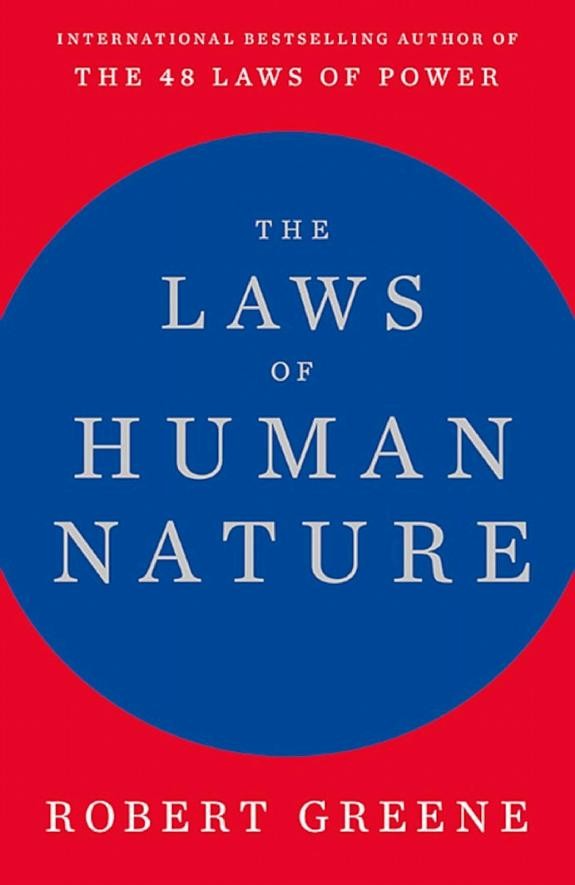
9. The Laws of Human Nature by Robert Greene
THE IDEA: This later book by the author of The 48 Laws of Power looks at the patterns behind how people think and relate, and aims to help you see motives more clearly, including your own.
THE PLAY: Before reacting to someone’s behaviour, ask what need or fear might lie behind it.
THE 30-DAY TEST: Choose one difficult working relationship and try to describe the other person’s motives in a way they would accept as fair.
Who it is for: Readers who want to understand people better and who enjoy long, example-filled books.
One honest weakness: Its broad statements about human nature are best taken as one thoughtful perspective.
A suggested reading order
- Begin with The Prince and The 48 Laws of Power for the classic and the modern popular view of power.
- Add The Dictator’s Handbook and Why Nations Fail to see how institutions and incentives shape leaders.
- Read Team of Rivals for a case study of alliance-building, then The Lessons of History for a wider frame.
- Use The Laws of Human Nature to look at the motives behind the behaviour.
- Take on The Power Broker and Leviathan when you want the deepest and most demanding treatments.
Related guides on CROWNLEIGH
A few of our other CROWNLEIGH Book Club guides connect closely with this list:
- Two views of political strategy, in our guide to The 48 Laws of Power and The Prince.
- Strategy and statecraft, in our guide to The Art of War and The Prince.
- Why some societies prosper, in our guide to Poor Economics and Why Nations Fail.
- Large-scale history, in our guide to Sapiens and Guns, Germs, and Steel.
- Power in the workplace, in our guide to books on power and politics at work.
You can find all of these, and more as we add them, on our CROWNLEIGH Book Club page.
Frequently asked questions
What is the best book on how power works?
It depends on the kind of power you want to understand. For personal strategy, try The 48 Laws of Power. For how institutions shape leaders, try The Dictator’s Handbook or Why Nations Fail. For a classic starting point, try The Prince.
Which book is better for understanding power: The Prince or The 48 Laws of Power?
They suit different readers. The Prince is a short classic treatise on rulers, and it is worth reading closely. The 48 Laws of Power is a more modern, example-driven collection of rules that is easy to dip into. Many readers enjoy both, and our full comparison goes into more detail.
Are there books on power for women leaders?
None of the nine books here is written specifically for women leaders, though their ideas apply broadly. If you want books that address that experience directly, it is worth looking for titles on the subject, and our Book Club page is a good place to look for guides as we add them.
A closing thought
These books disagree with one another about what power is, where it comes from and how it should be used. You might read two from different sections and notice where your own instincts lie. The aim is to see the dynamics more clearly, and to decide for yourself how you want to lead.
Book links go to Amazon; see our advertising disclosure.