Books Like Mindset: 9 Reads to Try Next
Nine books to read after Carol Dweck’s Mindset, from Grit and Peak to Make It Stick, Think Again and Scout Mindset, each with how it is similar, how it differs and who it suits, plus a careful note on how the research on growth mindset has developed.
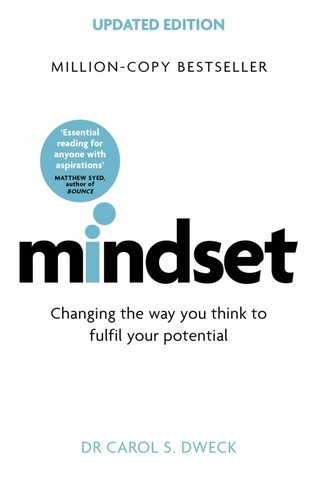
Carol Dweck’s Mindset gave a lot of people a simple and memorable way to think about learning. Its central idea is the contrast between a ‘fixed mindset’, the belief that abilities are set and have to be proved, and a ‘growth mindset’, the belief that abilities can be developed through effort, good strategies and help from others. Readers tend to remember it for how directly it speaks to everyday situations: how we react to a setback, how we feel about criticism and what we say to children about their work. If you finished it wanting more thinking about learning, effort and change, this list is for you.
The books below are ordered roughly by how close a match they are, from the nearest neighbours to those that approach learning and improvement from different angles. Each has a short note on why it is similar, how it differs, who it suits and a ‘difficulty’ tag, plus a ‘play’: one reflective thing to try. We have also added a careful note on how the research behind growth mindset has developed, a comparison table and a ‘what to read next’ guide by goal.
If you want the closest popular companion, begin with Grit, which asks how perseverance and passion carry people through long goals. If you would like practical, research-based advice on how to learn, try Make It Stick. And if you are drawn to the idea of changing your own mind, Think Again is a good next step.
Why people love Mindset
The book’s appeal is its clarity. A single distinction, supported by examples from classrooms, sport, business and parenting, gives readers a way to notice their own reactions and to talk about them with others. Many teachers, managers and parents have found it a useful prompt. Research on growth mindset has also continued since the book appeared. Early studies reported sizeable effects. Later meta-analyses, such as Sisk and colleagues’ 2018 review, found small average effects on achievement, while the large preregistered National Study of Learning Mindsets (Yeager and colleagues, 2019) found modest benefits for lower-achieving students, with the size of the effect depending on the school context. Dweck has also said that the idea is sometimes misread, for example when it becomes ‘false growth mindset’ or praise for effort alone. A fair way to read Mindset is as a thoughtful lens on learning rather than a guaranteed fix.
Nine books to try next
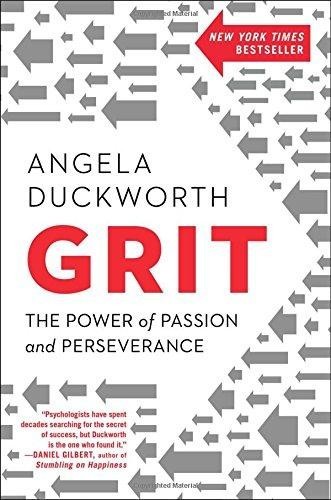
1. Grit by Angela Duckworth
Difficulty: Easy to moderate
Why it is similar: Another popular psychology book about what helps people keep going, Grit draws on a similar world of research on achievement and effort.
How it differs: The focus is perseverance and passion for long-term goals rather than beliefs about ability. The book has also been debated, in particular over how distinct grit is from related traits such as conscientiousness.
Who it suits: Readers who want a close companion to the ideas in Dweck’s book, with plenty of stories.
THE PLAY: Think of a long-term goal you have kept at, and what helped you carry on.
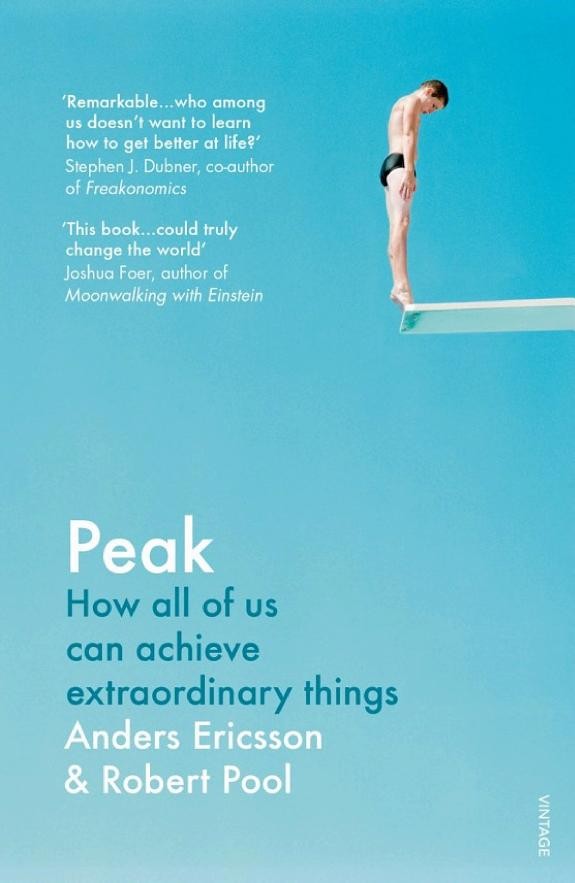
2. Peak by Anders Ericsson and Robert Pool
Difficulty: Moderate
Why it is similar: Here the subject is how people improve at skills, and the book supports the idea that abilities can be developed through the right kind of practice.
How it differs: Method is the focus, with deliberate practice described in detail by the researcher behind much of the work. Attitudes matter less here than training.
Who it suits: Good for readers who would like to know how to practise, and not just why to try.
THE PLAY: Consider one skill, and what a focused practice session for it might look like, with a goal and a way to get feedback.
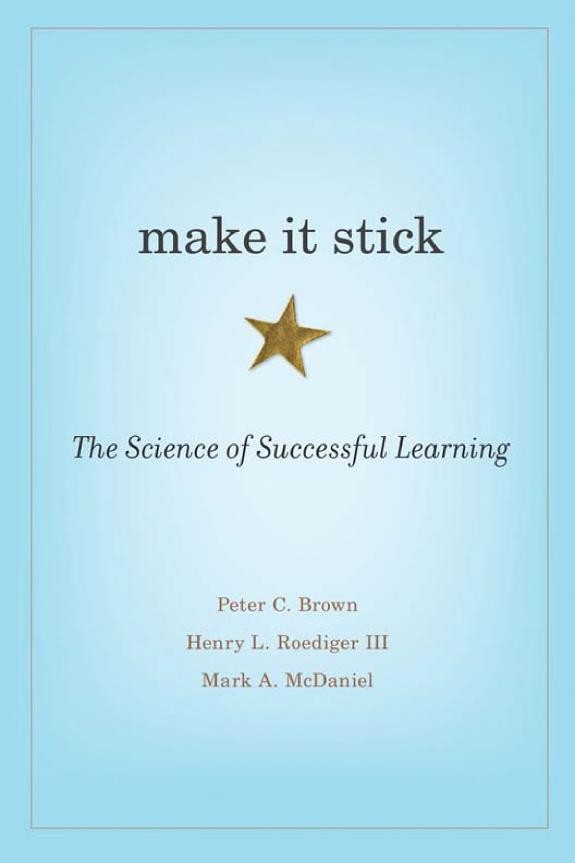
3. Make It Stick by Peter C. Brown, Henry L. Roediger III and Mark A. McDaniel
Difficulty: Moderate
Why it is similar: A practical companion to a book about beliefs, it looks at how learning works and how to do it better.
How it differs: A science-based guide to study techniques such as retrieval practice and spacing, written by two cognitive psychologists and a writer, it concerns methods more than mindset.
Who it suits: Students, teachers and anyone who wants evidence-based habits for learning.
THE PLAY: After a chapter, you could close the book and see how much you can recall, then check what you missed.
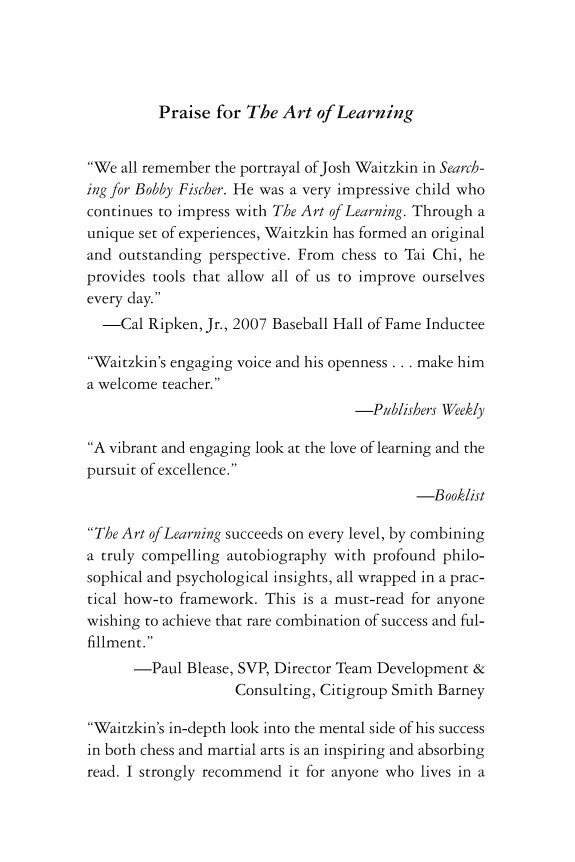
4. The Art of Learning by Josh Waitzkin
Difficulty: Moderate
Why it is similar: A personal account of learning and improvement, it includes a discussion of entity and incremental theories of intelligence, drawing on Dweck’s work.
How it differs: This is a memoir of becoming a chess prodigy and later a martial arts competitor, with reflections on performance, more personal and less research-based.
Who it suits: Readers who like stories of learning and performance told from the inside.
THE PLAY: You might recall a time you struggled with a skill you cared about, and what the struggle taught you.
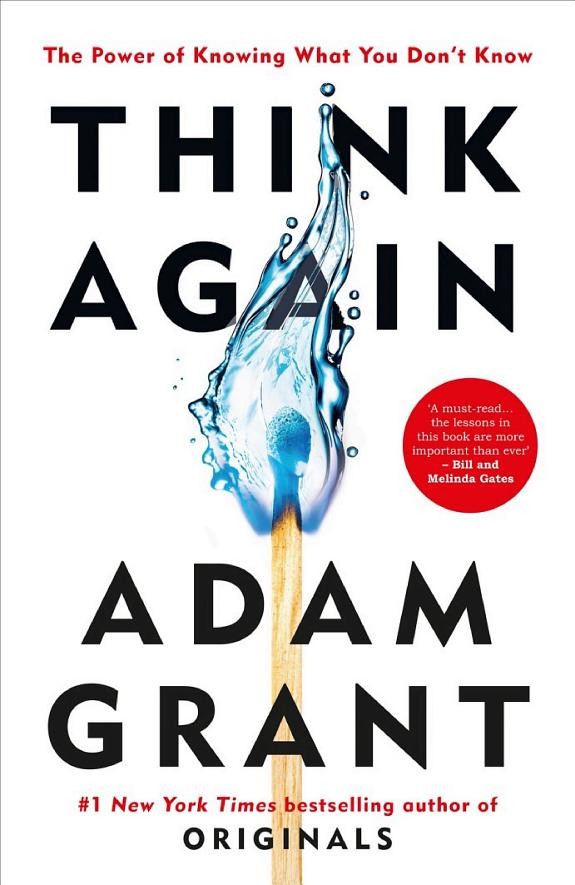
5. Think Again by Adam Grant
Difficulty: Moderate
Why it is similar: The shared idea is that flexibility can be learned, and the book invites readers to hold their views more lightly.
How it differs: Its subject is rethinking and unlearning, and it covers beliefs and decisions as well as skills. The author is an organisational psychologist, and the tone is conversational.
Who it suits: A fit for anyone who wants to apply the idea of growth to their own opinions and work.
THE PLAY: Which view do you hold most strongly, and what would change your mind?
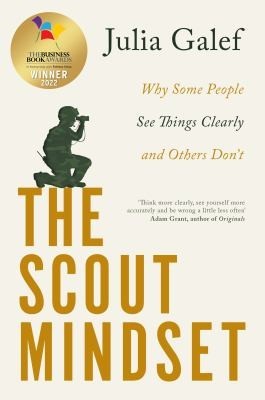
6. Scout Mindset by Julia Galef
Difficulty: Moderate
Why it is similar: This is another ‘mindset’ book, about a habit of mind that can be practised.
How it differs: The theme is seeing things as they are, rather than defending what we want to be true. Judgement and honesty come up more than learning and effort.
Who it suits: Those interested in clearer thinking and in being comfortable with being wrong.
THE PLAY: Next time you disagree with someone, you could try describing their view in terms they would accept.
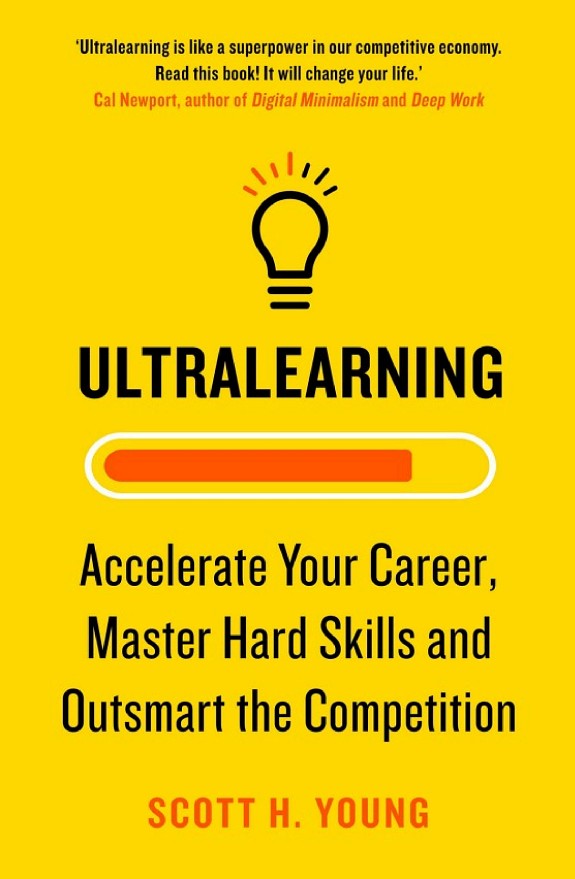
7. Ultralearning by Scott Young
Difficulty: Moderate
Why it is similar: A practical guide to learning difficult things, it is built on the idea that people can acquire hard skills with effort and good strategy.
How it differs: Aimed at intensive, self-directed projects, it sets out a series of principles based on the author’s own experiences and those of others. Closer to a handbook, its approach will not suit everyone.
Who it suits: Self-directed learners who like a structured, ambitious approach.
THE PLAY: Imagine a small learning project: what you would practise, and how you might measure progress.
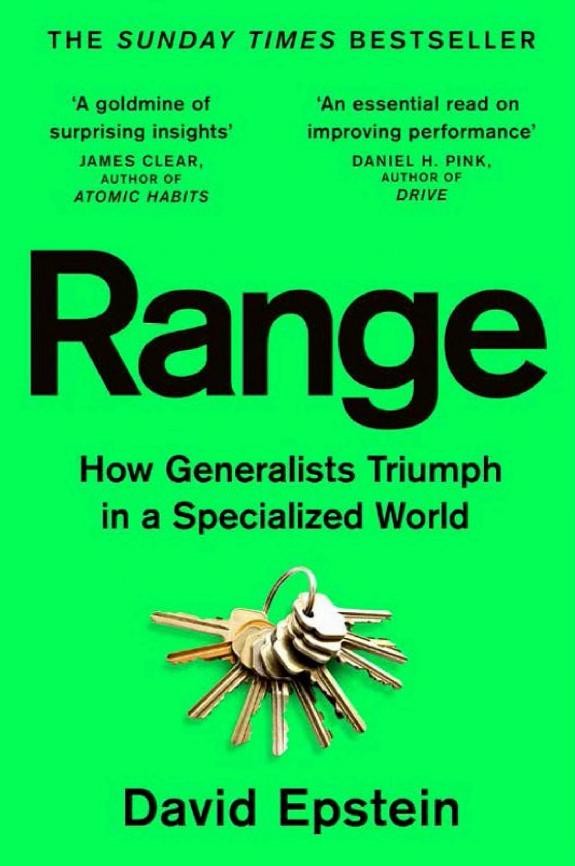
8. Range by David Epstein
Difficulty: Moderate
Why it is similar: Range looks at how people develop and challenges some common ideas about talent and early specialisation.
How it differs: Its argument is about the value of breadth and a later start, not about attitude to effort. Stories and research from sport, science and the arts support the case.
Who it suits: Readers who want a broader view of how people grow and find their path.
THE PLAY: Three interests you have tried may each have taught you something that applies elsewhere.
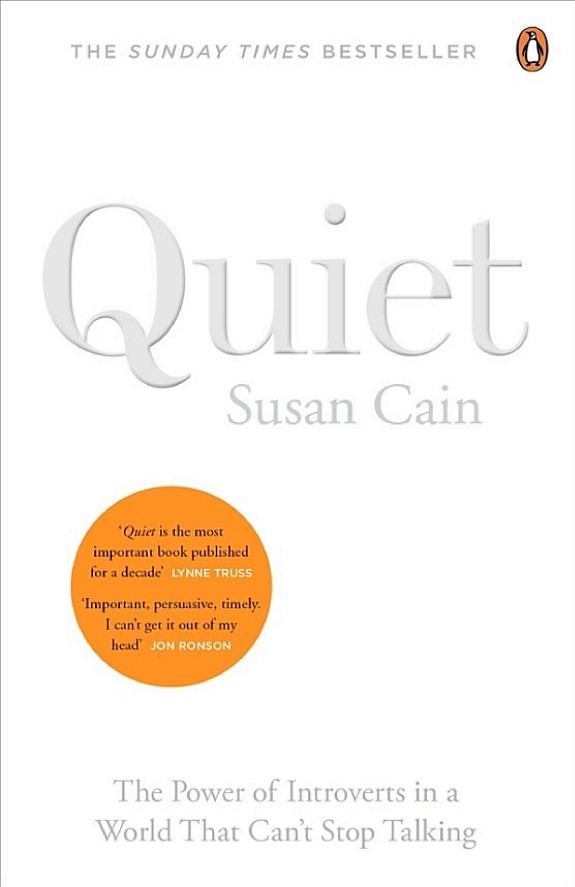
9. Quiet by Susan Cain
Difficulty: Moderate
Why it is similar: The book encourages readers to question narrow ideas of success and to recognise strengths that may go unnoticed.
How it differs: Temperament is the subject, not learning. The argument is that quieter people have strengths that are often overlooked, and the focus is on how people work and lead.
Who it suits: Anyone after a more reflective angle on personality and potential.
THE PLAY: Consider a strength you tend to downplay, and one way it has helped you.
A comparison at a glance
| Book | Closest to Mindset in… | Main difference | Difficulty |
|---|---|---|---|
| Grit | Effort and achievement | Perseverance and passion for long-term goals | Easy to moderate |
| Peak | Improving through practice | Detailed method of deliberate practice | Moderate |
| Make It Stick | How learning works | Study techniques based on cognitive science | Moderate |
| The Art of Learning | The experience of learning | A personal memoir of performance | Moderate |
| Think Again | Flexibility of mind | Rethinking beliefs as well as skills | Moderate |
| Scout Mindset | A habit of mind | Seeing clearly rather than learning | Moderate |
| Ultralearning | Learning hard things | An intensive, self-directed handbook | Moderate |
| Range | How people develop | The value of breadth | Moderate |
| Quiet | Seeing potential differently | Temperament, not learning | Moderate |
What to read next, by goal
| If you want… | Try | Why |
|---|---|---|
| The closest popular companion | Grit | It is about effort and perseverance |
| To practise more effectively | Peak or Make It Stick | They focus on method and evidence |
| To understand your own thinking | Think Again or Scout Mindset | They are about flexible, honest judgement |
| A story of learning from the inside | The Art of Learning | It is a personal account |
| A structured plan for a hard skill | Ultralearning | It is a practical, ambitious handbook |
| A broader view of growth and careers | Range or Quiet | They question narrow ideas of talent and success |
Related guides on CROWNLEIGH
A few of our other CROWNLEIGH Book Club guides connect closely with this list:
- Two views of how people become good at things, in our guide to Range and Peak.
- How small routines add up, in our guide to Atomic Habits and The Power of Habit.
- Strengths of different temperaments, in our guide to Quiet and The Charisma Myth.
- The workings of judgement, in our guide to Thinking, Fast and Slow and Noise.
- Understanding your own reactions, in our guide to Emotional Intelligence and Emotional Intelligence 2.0.
You can find all of these, and more as we add them, on our CROWNLEIGH Book Club page.
Frequently asked questions
What should I read after Mindset?
For the closest companion, try Grit. For practical, research-based advice on learning, try Make It Stick or Peak. For a book about changing your own mind, try Think Again.
Is growth mindset still supported by research?
The picture is mixed, and it is still being studied. Early studies reported sizeable effects. Later meta-analyses, such as Sisk and colleagues’ 2018 review, found small average effects on achievement. A large preregistered trial, the National Study of Learning Mindsets (Yeager and colleagues, 2019), found modest benefits for lower-achieving students, and the effect seemed to depend on the school context. Dweck has also said that the idea is easily misread, for example when it is reduced to praising effort alone (what she calls a ‘false growth mindset’). It is reasonable to treat the book as a useful way of thinking, and to look at current research if you plan to use it in a school or workplace.
Is there a shorter book than Mindset with a similar message?
Mindset is not especially long, and length varies by edition, so check the page count of any book you are considering. Dweck has also given talks and written articles on the idea, which can be a quick way to see whether it interests you.
A closing thought
Whichever book you pick next, you might read with two questions in mind: what does this author think helps people grow, and what would I want to test in my own life? Several of these books suggest that learning is helped by patience with ourselves, and by looking honestly at what works.
Book links go to Amazon; see our advertising disclosure.