Books Like The Black Swan: 9 Reads to Try Next
Nine books to read after Nassim Nicholas Taleb’s The Black Swan, from Fooled by Randomness and Antifragile to Superforecasting and Thinking in Bets, each with how it is similar, how it differs and who it suits, plus a suggested order for Taleb’s Incerto series.
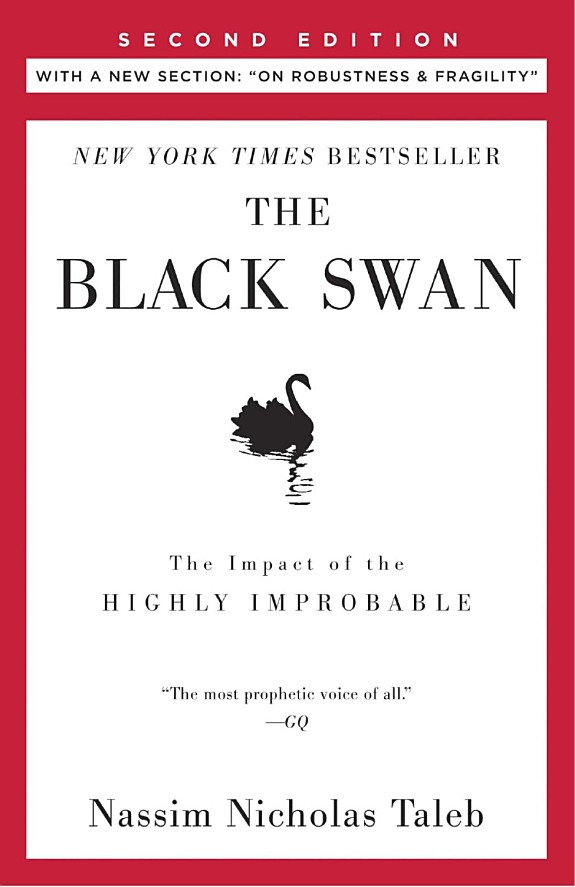
Nassim Nicholas Taleb’s The Black Swan changed how many readers think about risk, prediction and the unexpected. Its central idea is that rare, high-impact events, the ‘black swans’ of the title, play a much larger part in history, markets and daily life than we tend to assume, and that we are inclined to explain them away after the fact. Written in a personal, digressive voice, it is part essay and part memoir, with an argument running through it, and readers tend to remember it for a handful of vivid ideas. If you finished it wanting more thinking of that kind, this list is for you.
The nine books below are ordered roughly by how close a match they are, from Taleb’s other books to those that approach uncertainty from a different angle. Each has a short note on why it is similar, how it differs, who it suits and a ‘difficulty’ tag, plus a ‘play’: one reflective thing to try. We have also added a suggested reading order for Taleb’s Incerto series, a comparison table and a ‘what to read next’ guide by goal. None of this is financial advice.
If you want more of the same, begin with Fooled by Randomness, the book Taleb wrote before this one and a compact introduction to his thinking about luck and skill. If you prefer a more measured, method-focused voice, try Superforecasting. And for Taleb’s follow-up, there is Antifragile.
Why people love The Black Swan
The book gives readers a vocabulary for something they half-suspected: that the world is less predictable than experts suggest, and that many of the most important events were not forecast. Ideas such as the narrative fallacy, the difference between ‘Mediocristan’ and ‘Extremistan’ and the story of the turkey fed by the butcher have become familiar shorthand for discussing risk. Not every reader warms to its manner. Some readers find Taleb’s style confident and at times sharp or repetitive, and some would like a different tone or more structure; others enjoy exactly that. A fair way to read it is as a provocation to think about uncertainty, not as a manual.
Nine books to try next
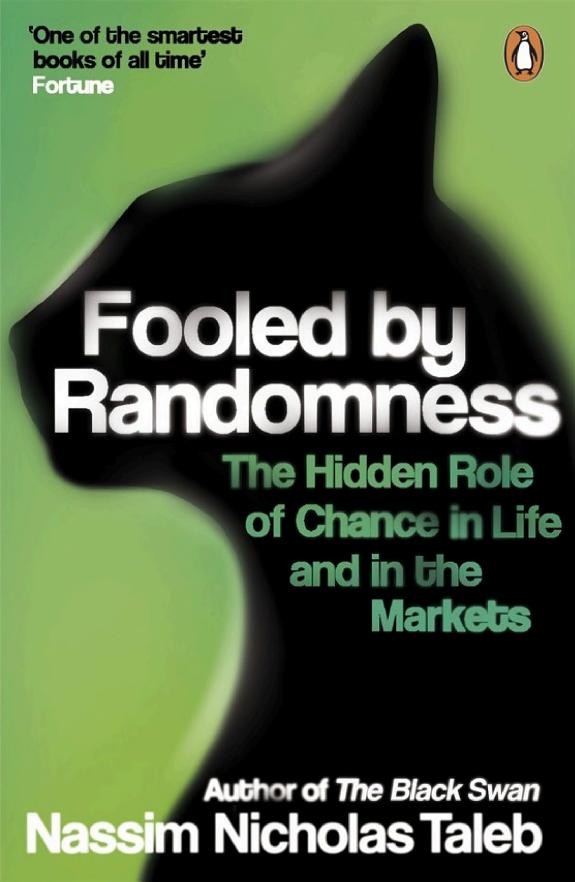
1. Fooled by Randomness by Nassim Nicholas Taleb
Difficulty: Moderate
Why it is similar: Taleb’s earlier book covers the same territory: how we mistake luck for skill and how we explain events after they happen.
How it differs: Somewhat shorter and more focused on markets and success stories, it reads as a first pass at ideas that the later book develops more widely. The tone is similarly direct.
Who it suits: Readers who want the most direct continuation, or who would like a way into Taleb’s ideas at shorter length.
THE PLAY: Think of one success story you admire and write down two ways it could have gone differently with a little more or less luck.
2. Antifragile by Nassim Nicholas Taleb
Difficulty: Moderate to demanding
Why it is similar: The argument of the earlier books carries on here (it followed The Black Swan, in 2012): if we cannot predict rare events, how should we live and build things?
How it differs: More constructive, it introduces the idea of things that benefit from disorder, alongside the fragile and the robust. It is long, wide-ranging and a little looser in structure.
Who it suits: Anyone who wants to move from why prediction fails to how to be prepared for surprises.
THE PLAY: List one thing in your life that is fragile, one that is robust, and one that might gain from a little stress.
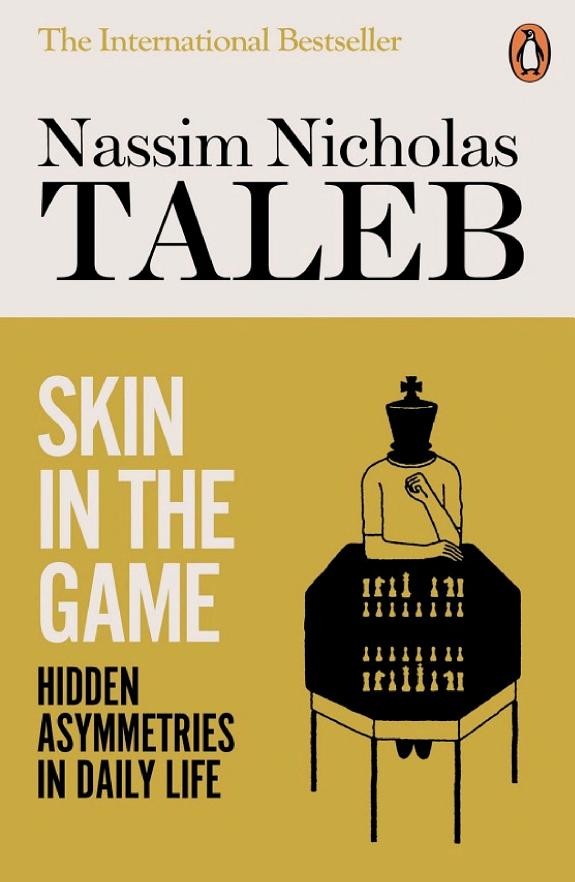
3. Skin in the Game by Nassim Nicholas Taleb
Difficulty: Moderate
Why it is similar: Part of the same series, it returns to risk, fairness and how people behave when they bear consequences.
How it differs: Its main concern is ethics and incentives, in particular the idea that people should share the risks of their decisions. It is less about prediction.
Who it suits: Those interested in accountability, incentives and fairness in work and public life.
THE PLAY: Pick one decision-maker you rely on and ask what they stand to gain or lose if they are wrong.
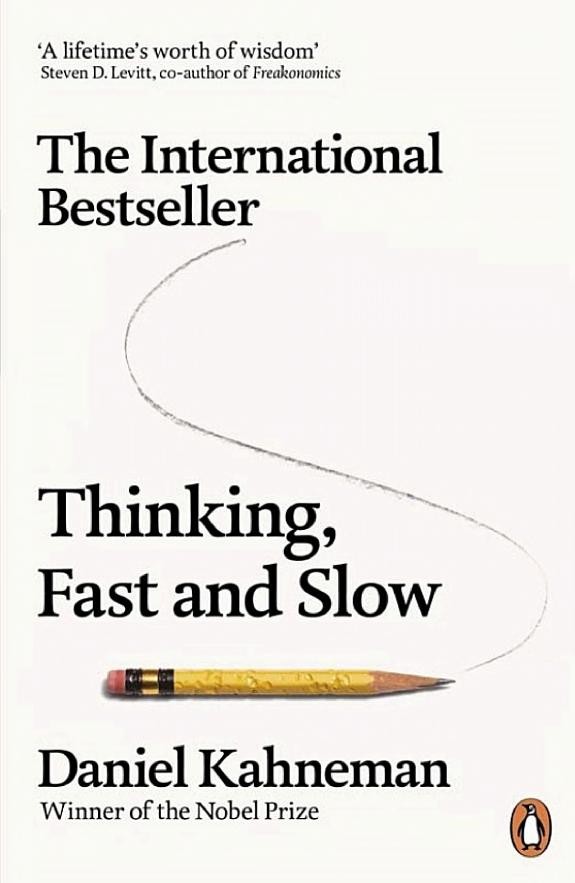
4. Thinking, Fast and Slow by Daniel Kahneman
Difficulty: Moderate to demanding
Why it is similar: Here the subject is why our judgement goes wrong in predictable ways, which relates to the psychology behind some of the book’s themes.
How it differs: It is a work of research written by a psychologist, and it is more measured in tone. It is long, and it describes many studies, but its structure is clear.
Who it suits: Readers who would like to see the science of judgement and bias set out in an orderly way.
THE PLAY: Notice one snap judgement you made this week, and ask what evidence it rested on.
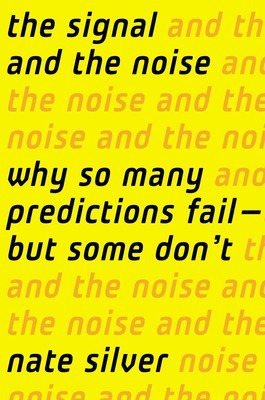
5. The Signal and the Noise by Nate Silver
Difficulty: Moderate
Why it is similar: This is another popular book about why predictions fail, written for a general audience.
How it differs: The outlook is somewhat more optimistic about what good forecasting can achieve, and more focused on statistics and models. Its voice is conversational and less combative.
Who it suits: A good fit for anyone wanting a friendly introduction to forecasting and Bayesian thinking.
THE PLAY: Write down one forecast you made recently, how confident you were and what would change your mind.
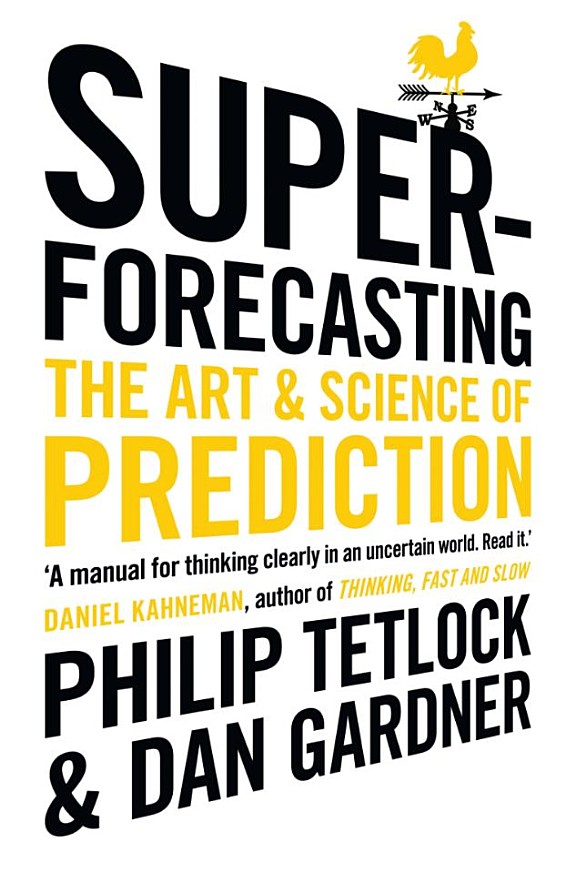
6. Superforecasting by Philip E. Tetlock and Dan Gardner
Difficulty: Moderate
Why it is similar: It also asks how well people can predict the future, and it takes the limits of expertise seriously.
How it differs: Built on a large research project, it focuses on the habits of unusually accurate forecasters. Its tone is practical and measured, with more emphasis on method.
Who it suits: Readers who want to see how careful thinking can improve judgement without claiming certainty.
THE PLAY: Keep a short list of predictions with probabilities, and check them at the end of the month.
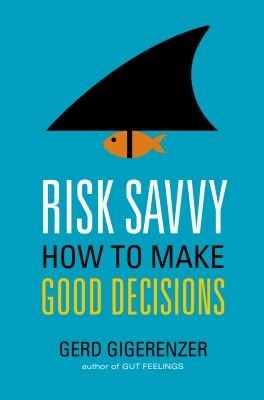
7. Risk Savvy by Gerd Gigerenzer
Difficulty: Moderate
Why it is similar: Decisions under risk and uncertainty are the subject here, and the book argues that simple rules can sometimes serve as well as complicated models.
How it differs: The focus is risk literacy, such as understanding statistics in health and everyday choices, along with simple rules of thumb. The author is a psychologist, and the approach is practical and less philosophical.
Who it suits: Anyone who wants to improve how they understand numbers and risk in everyday life.
THE PLAY: Next time you see a risk statistic in the news, ask what the number is a percentage of.
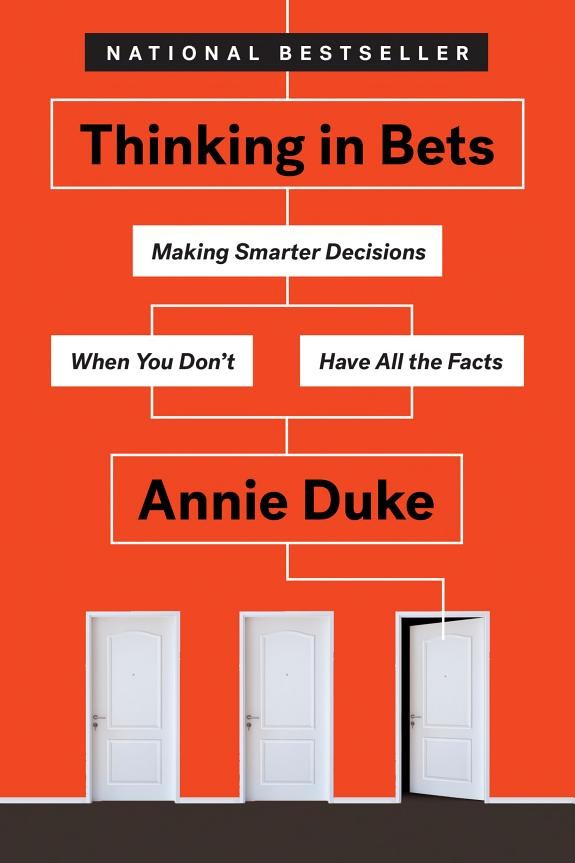
8. Thinking in Bets by Annie Duke
Difficulty: Moderate
Why it is similar: A popular book about decisions under uncertainty, it also covers separating a good decision from a good outcome.
How it differs: The author draws on experience as a professional poker player, and the tone is practical and approachable. The book is about habits of thought more than about extreme events.
Who it suits: Readers who want a clear way to think about choices when information is incomplete.
THE PLAY: Choose one recent decision and judge it on the information you had at the time, not on how it turned out.
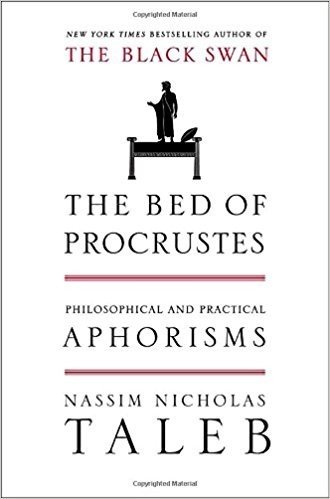
9. The Bed of Procrustes by Nassim Nicholas Taleb
Difficulty: Easy
Why it is similar: Another book by Taleb, this one collects his aphorisms.
How it differs: This is a collection of short sayings rather than an extended argument, and the tone is witty and sharp. It is best read in small doses, and it does not develop ideas at length.
Who it suits: A good choice for those who enjoy a short, quotable book to dip into.
THE PLAY: Pick one aphorism that annoys or intrigues you, and write a sentence on why.
A suggested reading order for Taleb’s Incerto
Taleb groups several of his books together as a series called Incerto, which includes all five books in the table below. Here is one way to approach them. There is no single right order, and each can be read on its own.
| Order | Book | What to expect |
|---|---|---|
| 1 | Fooled by Randomness | A compact first pass on luck, skill and how we explain events |
| 2 | The Black Swan | The best-known book, widening the argument to rare events and prediction |
| 3 | Antifragile | How to live and build in a world with surprises |
| 4 | Skin in the Game | Incentives, fairness and shared risk |
| Anytime | The Bed of Procrustes | Aphorisms to dip into between longer books |
A comparison at a glance
| Book | Closest to The Black Swan in… | Main difference | Difficulty |
|---|---|---|---|
| Fooled by Randomness | Luck, skill and storytelling | Shorter, earlier | Moderate |
| Antifragile | The author and the theme | More constructive, wider in scope | Moderate to demanding |
| Skin in the Game | The author and the voice | Ethics and incentives | Moderate |
| Thinking, Fast and Slow | Cognitive biases | Research-based and balanced | Moderate to demanding |
| The Signal and the Noise | Why predictions fail | More optimistic, statistical | Moderate |
| Superforecasting | Limits of expertise | Method and practice | Moderate |
| Risk Savvy | Risk and uncertainty | Risk literacy and simple rules | Moderate |
| Thinking in Bets | Decisions under uncertainty | Poker as a lens, practical | Moderate |
| The Bed of Procrustes | The author | Aphorisms rather than argument | Easy |
What to read next, by goal
| If you want… | Try | Why |
|---|---|---|
| More from Taleb | Fooled by Randomness or Antifragile | They carry on the same themes |
| The psychology behind it | Thinking, Fast and Slow | It explains why judgement goes wrong |
| A practical way to forecast better | Superforecasting or The Signal and the Noise | They focus on method and statistics |
| Better everyday understanding of risk | Risk Savvy | It is about reading numbers and simple rules |
| A clearer way to make decisions | Thinking in Bets | It separates decision quality from outcomes |
| Something short and quotable | The Bed of Procrustes | It is a book of aphorisms |
Related guides on CROWNLEIGH
A few of our other CROWNLEIGH Book Club guides connect closely with this list:
- Taleb’s two best-known books side by side, in our guide to The Black Swan and Antifragile.
- The psychology of judgement and error, in our guide to Thinking, Fast and Slow and Noise.
- Two views of forecasting, in our guide to Superforecasting and The Signal and the Noise.
- Behaviour, luck and money, in our list of books like The Psychology of Money.
- Temperament in investing, in our guide to The Intelligent Investor and The Psychology of Money.
You can find all of these, and more as we add them, on our CROWNLEIGH Book Club page.
Frequently asked questions
What should I read after The Black Swan?
For more of the same, try Fooled by Randomness or Antifragile. For the psychology behind it, try Thinking, Fast and Slow. For a more measured, method-focused approach to prediction, try Superforecasting.
What is the Taleb reading order?
There is no required order. Some readers begin with Fooled by Randomness or The Black Swan, then move to Antifragile and Skin in the Game, and dip into The Bed of Procrustes whenever they like. See the reading-order table above.
Is there a shorter book than The Black Swan with a similar message?
Fooled by Randomness is shorter and covers closely related ideas, and The Bed of Procrustes is a very short collection of aphorisms.
A closing thought
Whichever book you pick next, it may help to read with two questions in mind: what is this author noticing about uncertainty, and what would I do differently if I took it seriously? Many of the books on this list encourage honesty about what we do not know.
Book links go to Amazon; see our advertising disclosure.