Books Like The Psychology of Money: 9 Reads to Try Next
Nine books to read after Morgan Housel’s The Psychology of Money, from The Millionaire Next Door and Fooled by Randomness to Thinking in Bets and Your Money or Your Life, each with how it is similar, how it differs and who it suits, with a note for UK readers. General information only, not financial advice.
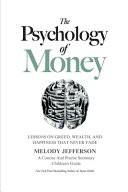
Morgan Housel’s The Psychology of Money is a widely read book that takes a different route from many money books. Instead of spreadsheets and formulas, it offers short chapters about how people actually behave around money: why a person’s own life experience shapes what feels sensible, how luck and risk are easy to overlook, why ‘enough’ is such a hard idea and how patience often matters more than cleverness. If you finished it wanting more of that calm, story-led way of thinking, this list may help.
The nine books below are ordered roughly from those closest in spirit to those that approach money from a different angle. Each has a short note on why it is similar, how it differs, who it suits and a ‘difficulty’ tag, plus a ‘play’: one reflective thing to try, none of which is financial advice. We have also added a note for UK readers, a comparison table and a ‘what to read next’ guide by goal.
Readers after a book in a similar spirit often look first at The Millionaire Next Door, which examines how ordinary habits shape what people end up with. Those wanting something shorter and lighter might consider The Richest Man in Babylon, and anyone drawn most to Housel’s chapters on luck and risk could look at Fooled by Randomness.
Why people love The Psychology of Money
Much of its appeal lies in its tone. It reads like a series of well-told stories more than a manual, and it treats money as a matter of behaviour, which many people recognise from their own lives. It suggests that doing well with money has less to do with intelligence than with behaviour, an idea some find reassuring. Some readers would like more concrete steps, and others feel that a collection of short essays can be light on detail. A fair way to read it is as a set of thoughtful prompts about your own habits, not as a plan.
Nine books to try next
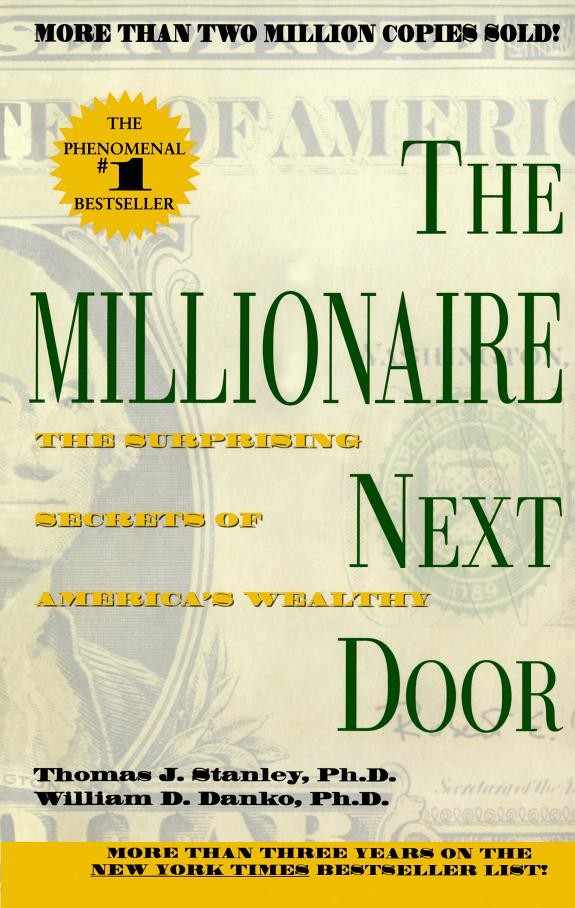
1. The Millionaire Next Door by Thomas J. Stanley and William D. Danko
Difficulty: Easy to moderate
Why it is similar: Ordinary behaviour, rather than clever techniques, is again treated as the source of financial results.
How it differs: The book is built on research into households in the United States, and its findings and examples are of a particular time and place. Its focus is habits and lifestyle more than short essays.
Who it suits: Those who like evidence about everyday behaviour and enjoy the idea that wealth is quiet.
THE PLAY: Write down three assumptions you hold about what wealth looks like, and ask where each came from.
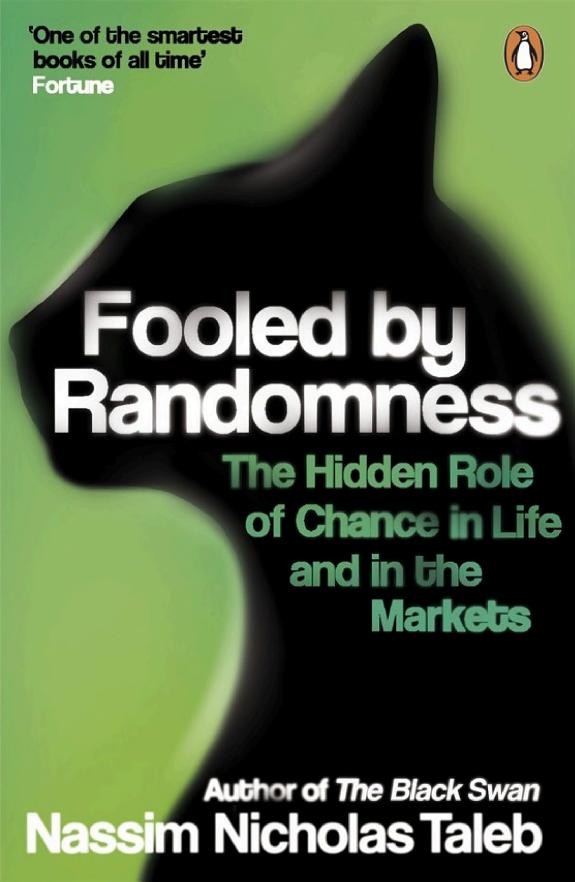
2. Fooled by Randomness by Nassim Nicholas Taleb
Difficulty: Moderate to demanding
Why it is similar: Luck, risk and our habit of telling tidy stories about success are shared themes.
How it differs: The tone is sharper and the argument more wide-ranging. It uses examples from trading, but its main subject is how we misread chance.
Who it suits: Anyone who enjoyed the chapters on luck and risk and would like a more provocative take.
THE PLAY: Pick a success story you admire and write down two ways it might have gone differently with a little less luck.
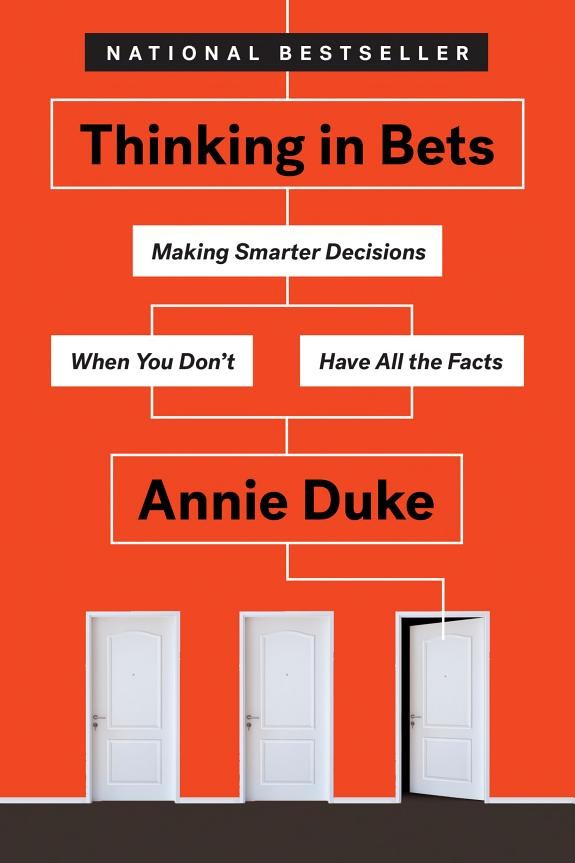
3. Thinking in Bets by Annie Duke
Difficulty: Moderate
Why it is similar: Both books look at how to think about uncertain decisions, including separating the quality of a decision from the outcome.
How it differs: The author’s background as a professional poker player shapes it, and poker is the lens. Its subject is decision-making in general, not money alone.
Who it suits: People who want a clearer way to think about choices and probabilities.
THE PLAY: Choose one recent decision and judge it by the information you had at the time, rather than by how it turned out.
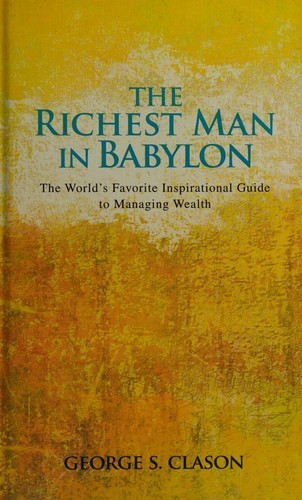
4. The Richest Man in Babylon by George S. Clason
Difficulty: Easy
Why it is similar: Simple lessons about money arrive through short stories, which is part of Housel’s appeal.
How it differs: These are parables set in ancient Babylon, told in a more direct, instructive voice. Its advice is brief and general, and it does not deal with modern products or rules.
Who it suits: Readers who prefer a short, easy book built on stories and simple principles.
THE PLAY: Read one parable and note the single principle it illustrates, then ask how it fits with your own habits.
5. The Little Book of Common Sense Investing by John C. Bogle
Difficulty: Easy to moderate
Why it is similar: Simplicity and patience are valued here too, and the author argues that costs and behaviour matter a great deal.
How it differs: The book makes a specific argument about low-cost index funds, written from a US perspective, and is more focused on investing than on money behaviour in general. It describes one view of investing, which not every reader will share.
Who it suits: Those curious about the case for simple, low-cost investing who want to see the argument for themselves.
THE PLAY: Read the book’s main argument and write down, in your own words, what you agree with and what you would want to check.
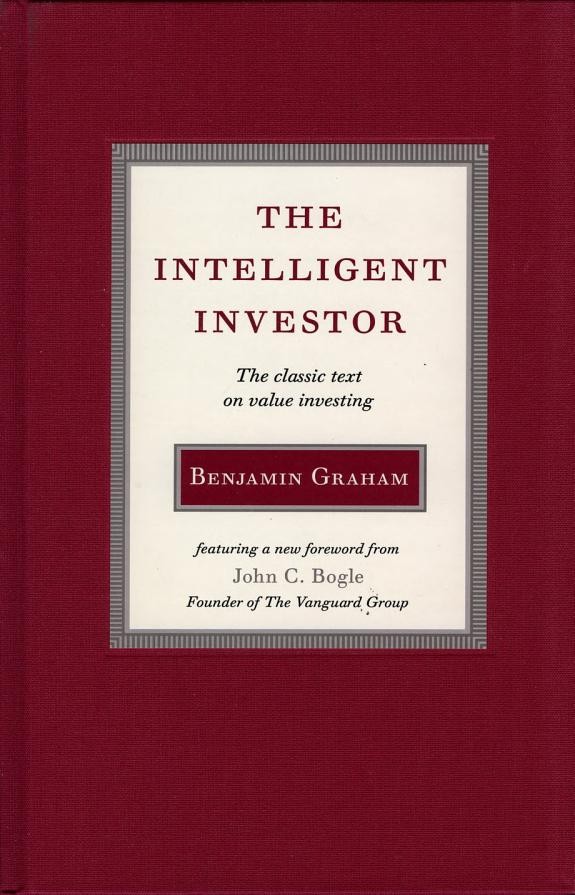
6. The Intelligent Investor by Benjamin Graham
Difficulty: Demanding
Why it is similar: Temperament sits at the centre of investing here, a theme that also runs through Housel’s book.
How it differs: This is a longer, denser classic with more attention to valuing businesses, and its examples come from earlier decades. The revised edition includes commentary that helps with context.
Who it suits: Anyone wanting to go deeper into the thinking behind investing who does not mind detail.
THE PLAY: Read the section on Mr. Market and describe, in a sentence, how you tend to react to news about the economy.
7. Your Money or Your Life by Vicki Robin and Joe Dominguez
Difficulty: Moderate
Why it is similar: It looks at the relationship between money and a person’s time and values, which echoes Housel’s ideas about freedom and enough.
How it differs: The format is a step-by-step programme, more practical and prescriptive. Its steps and examples were written for a US readership, and its approach will not suit everyone.
Who it suits: Readers who want to reflect on what money is for and how it connects to how they spend their time.
THE PLAY: Estimate how many hours of work you spend earning for one regular expense, and ask whether it feels worth it.
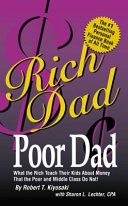
8. Rich Dad Poor Dad by Robert T. Kiyosaki and Sharon L. Lechter
Difficulty: Easy
Why it is similar: This is a short, popular book about attitudes to money, written for a general reader.
How it differs: The voice is more promotional and motivational, and it presents a particular view about assets, liabilities and mindset. Some critics have questioned how well its anecdotes and claims stand up, so many readers treat it as one perspective among several.
Who it suits: Those who like a punchy, motivational style and want a conversation-starter about financial education.
THE PLAY: Write down what you were taught about money growing up, and note one belief you would like to examine.
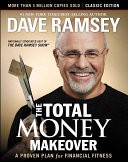
9. The Total Money Makeover by Dave Ramsey
Difficulty: Easy
Why it is similar: Habits and behaviour are central to this popular, accessible guide to money.
How it differs: Its approach is a structured, step-by-step plan with strong opinions, written for a US audience, with references to systems and products that differ in the UK. Some readers find the structure motivating, and others disagree with specific recommendations.
Who it suits: People who prefer a clear, prescriptive programme to a reflective essay collection and are prepared to adapt the details.
THE PLAY: Read the overview of the plan and list which parts feel useful and which you would want to check with an adviser.
A comparison at a glance
| Book | Closest to The Psychology of Money in… | Main difference | Difficulty |
|---|---|---|---|
| The Millionaire Next Door | Everyday behaviour | Based on research on households, mainly in the US | Easy to moderate |
| Fooled by Randomness | Luck and risk | Sharper, more argumentative | Moderate to demanding |
| Thinking in Bets | Decision-making | Poker as a lens, not just money | Moderate |
| The Richest Man in Babylon | Story-led simplicity | Parables, with a direct voice | Easy |
| The Little Book of Common Sense Investing | Patience and simplicity | A specific argument about investing | Easy to moderate |
| The Intelligent Investor | Temperament | Denser, more about valuation | Demanding |
| Your Money or Your Life | Money and meaning | A step-by-step programme | Moderate |
| Rich Dad Poor Dad | Attitudes to money | Motivational and opinionated | Easy |
| The Total Money Makeover | Habits | A structured plan with strong views | Easy |
A note for UK readers
Most of these books were written in the United States, and some of their details do not carry over. Rules about pensions, tax, savings accounts and credit differ in the UK, where people commonly save and invest through workplace pensions and Individual Savings Accounts (ISAs), and where the Financial Conduct Authority publishes guidance for consumers. The ideas about behaviour travel well, in particular patience, awareness of luck and risk, and thinking about what money is for. The product-specific details need checking against UK rules, and we are not recommending any product or approach. If you want help with your own circumstances, a regulated adviser or the free guidance services available in the UK are options to explore.
What to read next, by goal
| If you want… | Try | Why |
|---|---|---|
| More of the same calm, story-led style | The Millionaire Next Door or The Richest Man in Babylon | Both are built on ordinary behaviour and simple lessons |
| A better way to think about uncertainty | Thinking in Bets or Fooled by Randomness | They are about luck, risk and decisions |
| The thinking behind investing | The Little Book of Common Sense Investing or The Intelligent Investor | They set out two well-known views |
| To reflect on what money is for | Your Money or Your Life | It connects money with time and values |
| A practical, structured plan | The Total Money Makeover | It offers a prescriptive programme, written for the US |
| A conversation-starter about attitudes | Rich Dad Poor Dad | It is short, popular and opinionated |
Related guides on CROWNLEIGH
A few of our other CROWNLEIGH Book Club guides connect closely with this list:
- Housel’s book alongside a classic of investing, in our guide to The Intelligent Investor and The Psychology of Money.
- Two books on how ordinary people build wealth, in our guide to Rich Dad Poor Dad and The Millionaire Next Door.
- The limits of prediction, from the author of Fooled by Randomness, in our guide to The Black Swan and Antifragile.
- Two classic mindset books, in our guide to Think and Grow Rich and Rich Dad Poor Dad.
- How our minds shape decisions, in our guide to Thinking, Fast and Slow and Noise.
You can find all of these, and more as we add them, on our CROWNLEIGH Book Club page.
Frequently asked questions
What should I read after The Psychology of Money?
Readers after a similar spirit often turn to The Millionaire Next Door. For something shorter and easier, there is The Richest Man in Babylon, and for luck, risk and decisions, Fooled by Randomness or Thinking in Bets.
Is The Psychology of Money good for beginners?
Many readers find it approachable because it uses plain language and short chapters, and it does not assume any background. It is a book about attitudes more than techniques, so some people use it as a first read and as a prompt for further reading.
Is there a shorter book than The Psychology of Money with a similar message?
The Richest Man in Babylon is short and built on simple stories, and The Little Book of Common Sense Investing is also fairly brief. They are quite different in style and subject, so a sample of each may help.
A closing thought
Whichever book you pick next, it may help to read with two questions in mind: what does this author notice about how people behave, and what would I like to understand better about my own habits? Money, in most of these books, turns out to be as much about people as about numbers.
Book links go to Amazon; see our advertising disclosure.